1. Drakan: Order of the Flame
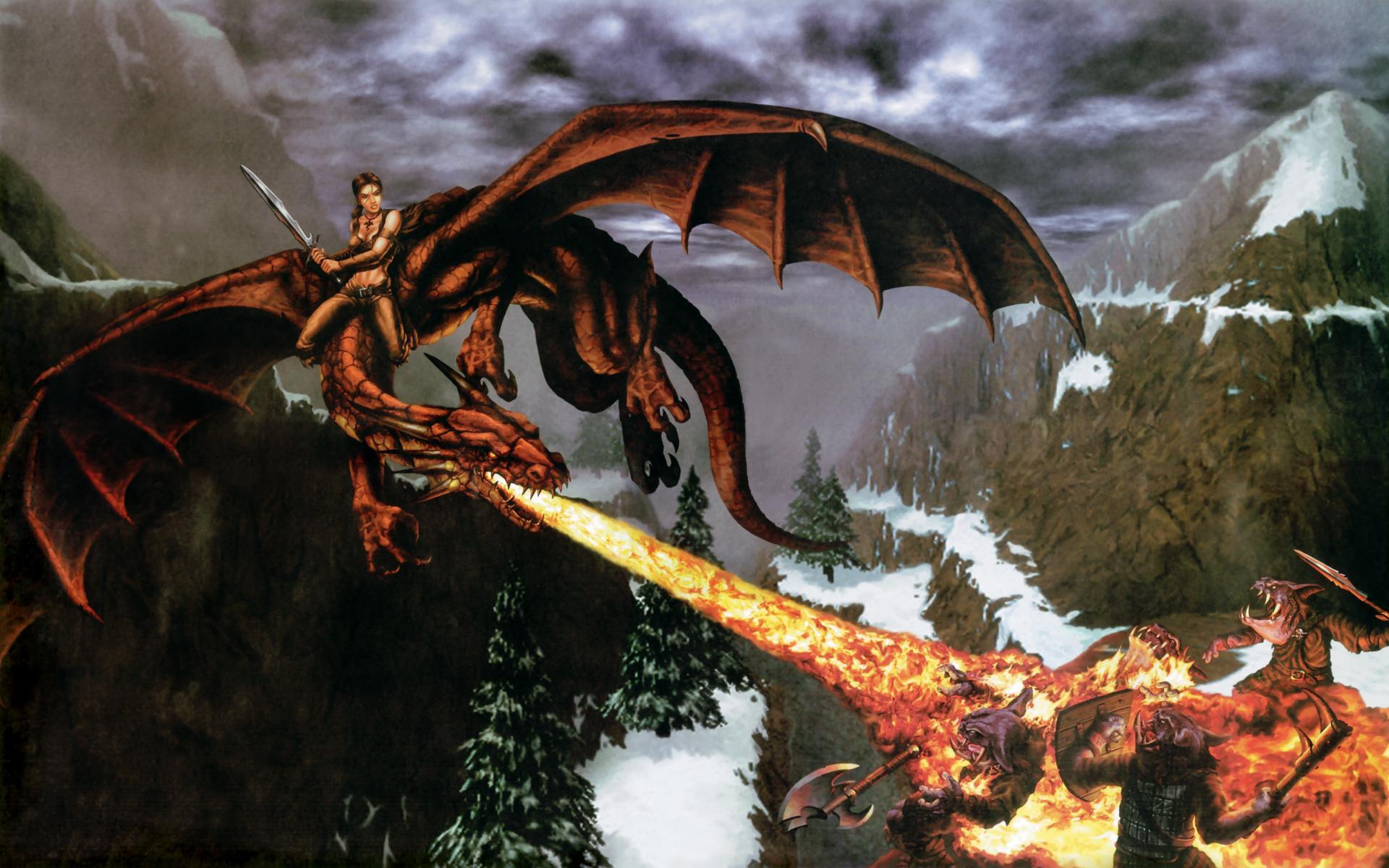
Man, Drakan was something else for its time. You’re riding a dragon, soaring through massive, open fantasy landscapes, blasting enemies with fire and claws. Sure, the controls were a bit clunky, and it had that mid-90s PC jank, but the sheer ambition of combining aerial combat with ground-based hack-and-slash was revolutionary. Most modern open-world games feel so safe; Drakan felt like a genuine adventure, warts and all. It deserved so much more recognition.
2. Psychonauts
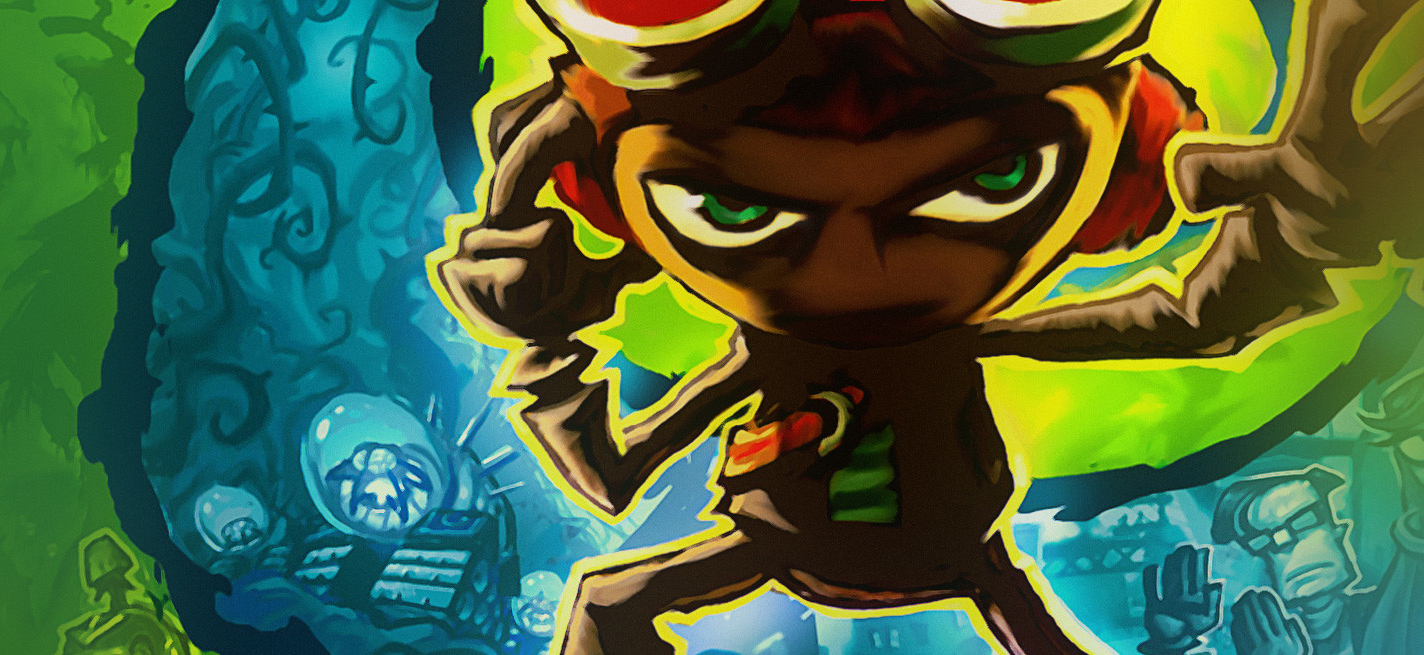
Before Tim Schafer was a crowdfunding legend, he gave us Psychonauts. This game is pure genius – a platformer set inside people's minds, each level a wildly imaginative, surreal landscape reflecting their psyche. The writing is sharp, witty, and surprisingly empathetic, making you genuinely care for its quirky cast. It bombed commercially, which is a tragedy, but it's a testament to unique vision over market trends. Still looks and plays fantastic.
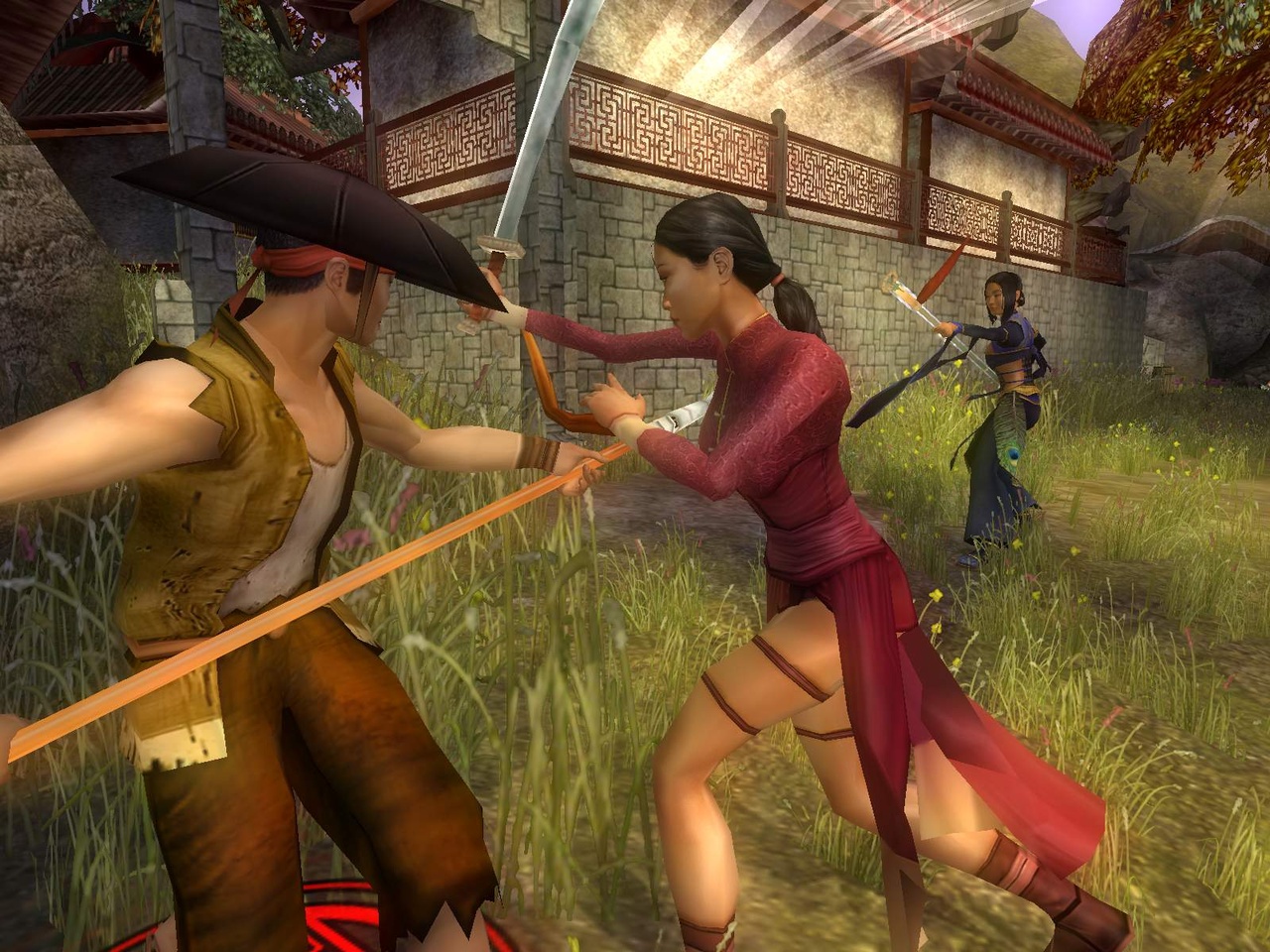
3. Jade Empire
BioWare actually made an original IP that wasn't KOTOR or Mass Effect, and it was glorious. Jade Empire threw us into a rich, martial arts fantasy world inspired by ancient China, complete with moral choices that felt genuinely impactful. The combat was fluid and satisfying, a great blend of action and RPG depth. It's often overshadowed by their bigger hits, but this game’s distinct charm and setting really hold up. A true forgotten gem.
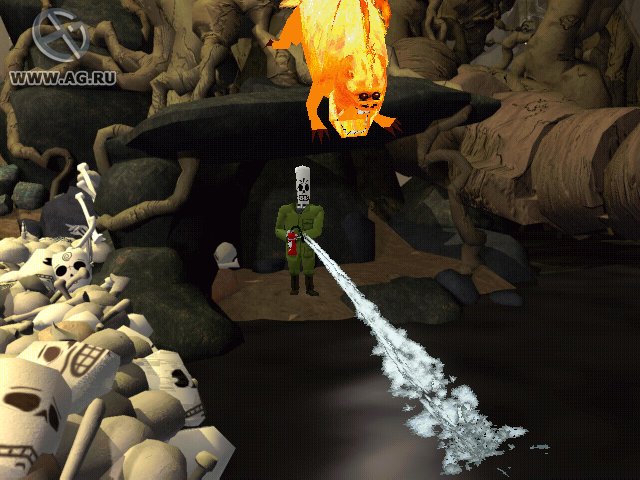
4. Grim Fandango
LucasArts was at its peak with Grim Fandango, a noir adventure game dripping with style and cleverness. Set in the Land of the Dead with a Day of the Dead aesthetic, Manny Calavera's journey is a masterclass in storytelling and character. The puzzles were tough, sometimes obtuse, but the sheer creativity and razor-sharp dialogue made every brain-teaser worth it. It’s a shame we don't get this level of bold, unique narrative in AAA spaces anymore.
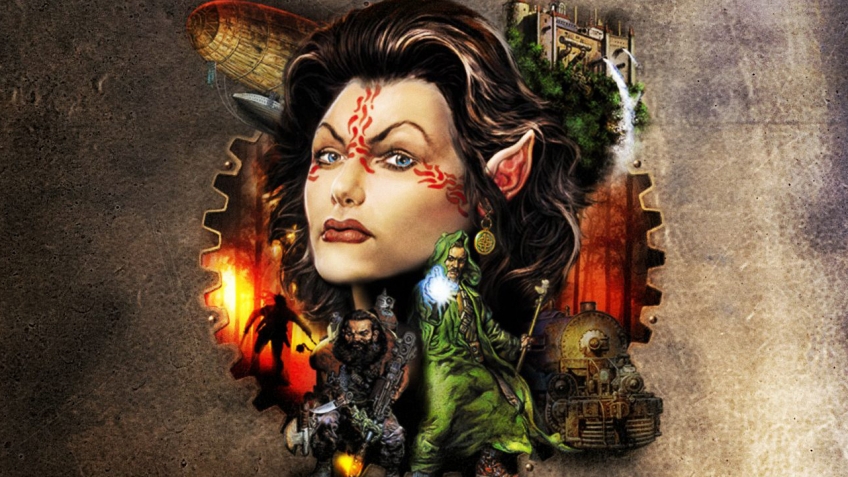
5. Arcanum: Of Steamworks and Magick Obscura
Troika, bless their ambitious hearts, gave us Arcanum. This isometric RPG threw magic and steampunk into a blender, creating one of the most richly detailed and reactive worlds. Character builds were insane, dialogue options plentiful, and every choice rippled. Yeah, it was buggy and often janky, but the sheer depth and freedom it offered still puts most modern "player choice" RPGs to shame. A true masterpiece for those who value world-building over polish.
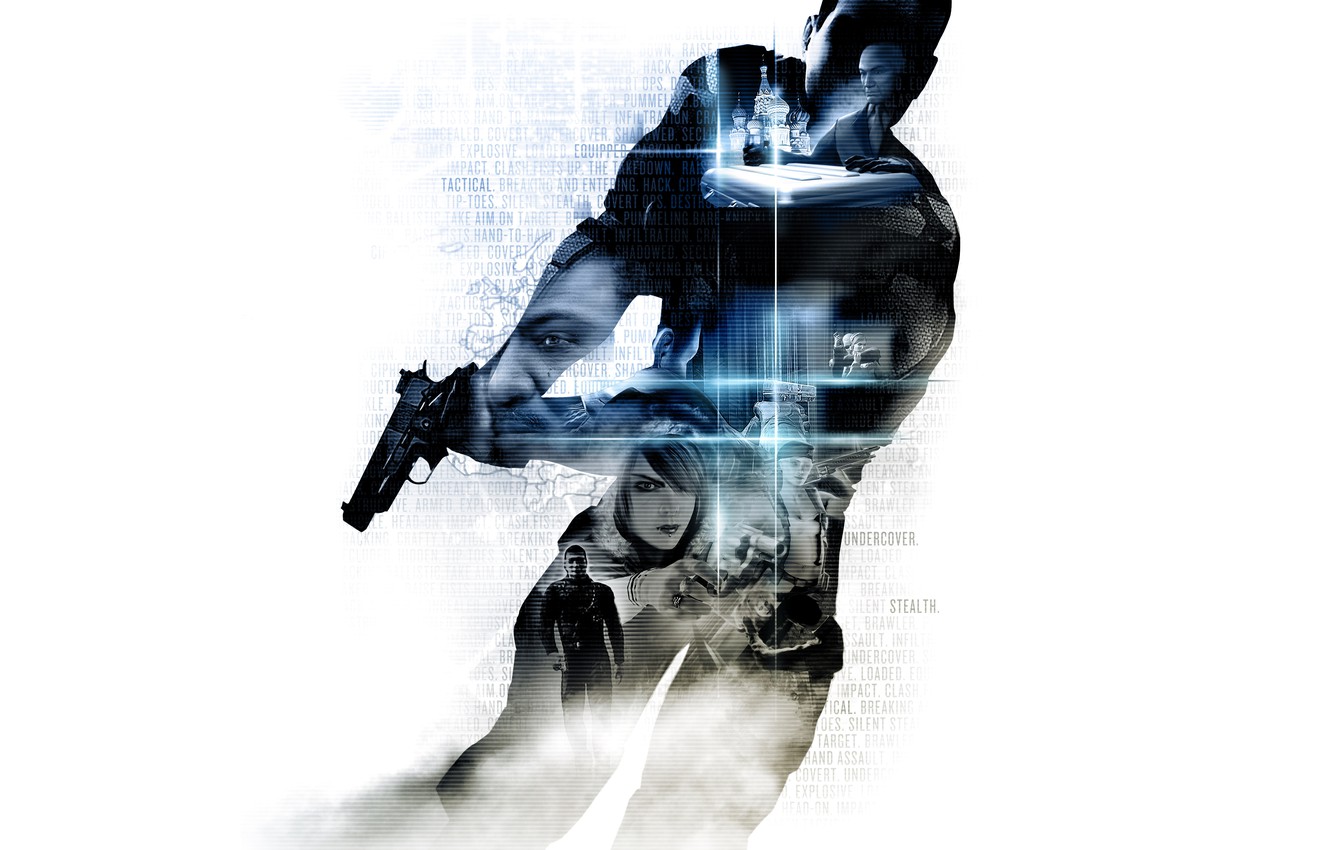
6. Alpha Protocol
Obsidian tried something radical with Alpha Protocol: a spy RPG where your choices, even your failures, genuinely mattered. It was janky as hell, with clunky combat and rough visuals, but the branching narrative, reputation system, and sheer reactivity to player decisions were groundbreaking. Most publishers would demand a smoother, safer experience, but Alpha Protocol dared to be complex and messy. It’s the ultimate "diamond in the rough" for RPG fans tired of linear narratives.
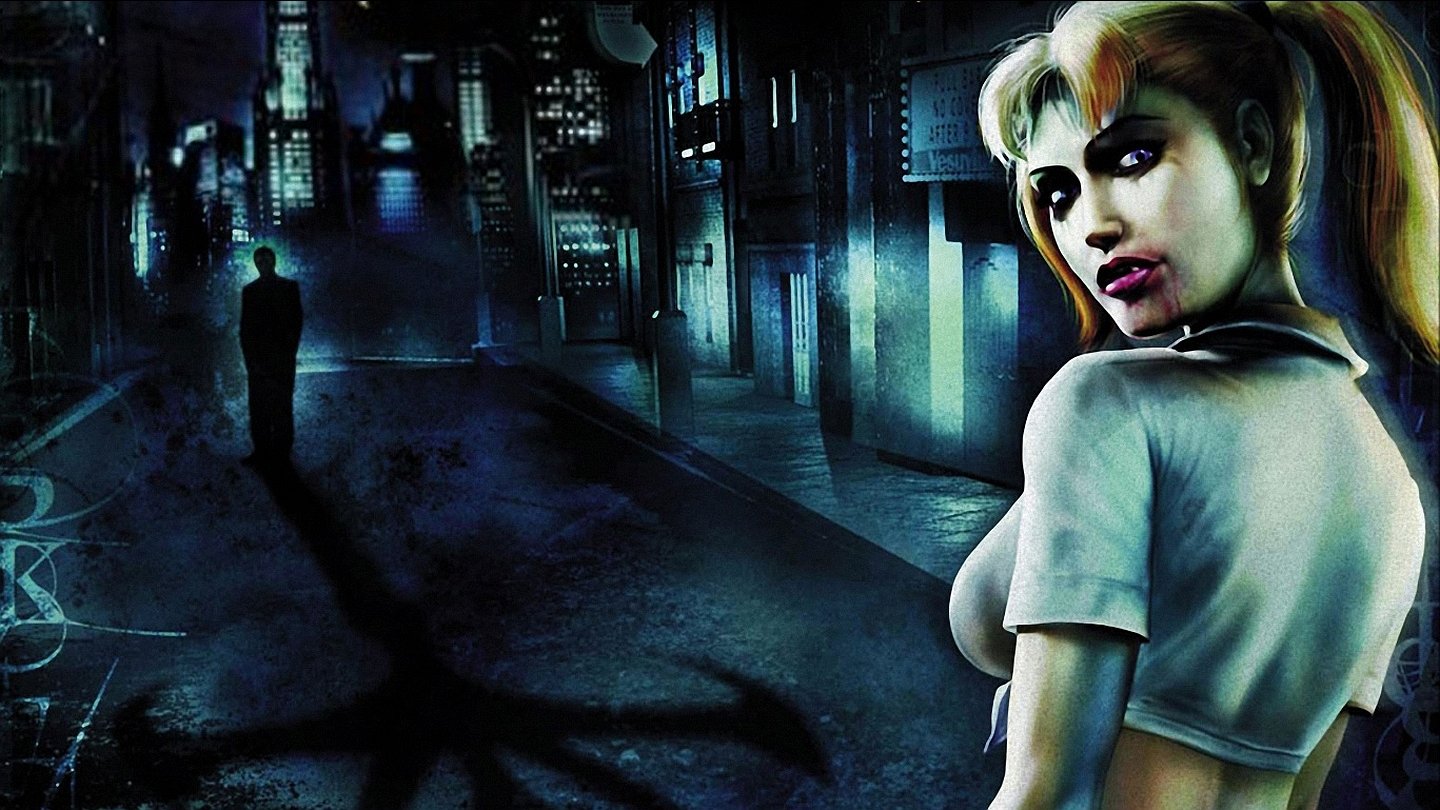
7. Vampire: The Masquerade - Bloodlines
Troika's second entry on this list, and for good reason. Bloodlines was a buggy mess at launch, sure, but beneath that, it was a dark, atmospheric RPG masterpiece. The writing, character acting, and sheer variety of ways to play through its gothic L.A. were unparalleled. The community kept it alive with patches for years, a testament to its brilliant, unique vision. It’s proof that sometimes, flawed genius is better than polished mediocrity.
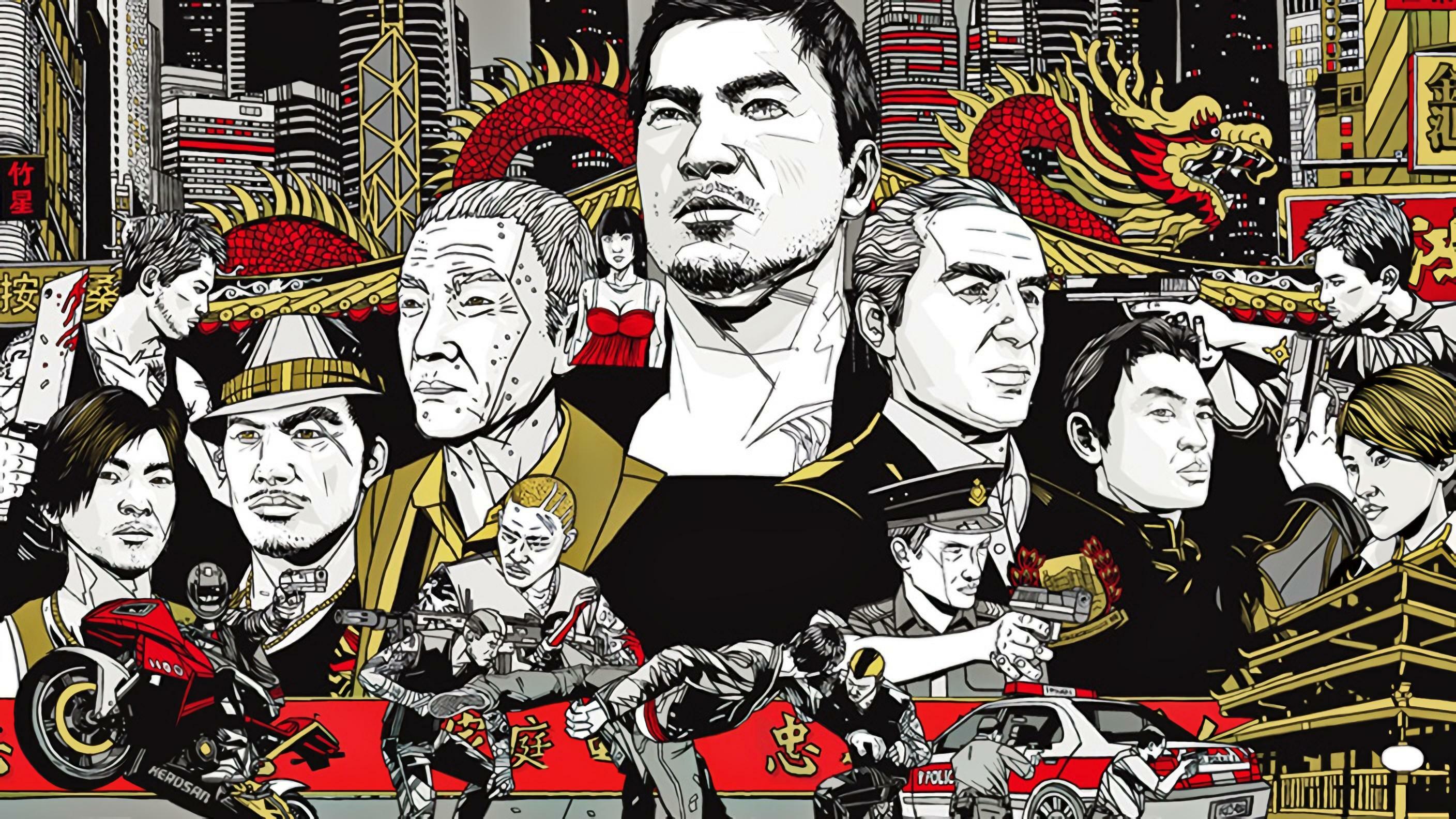
8. Sleeping Dogs
Sleeping Dogs is the open-world game that deserved so much more love than it got. Set in a vibrant, rain-soaked Hong Kong, it offered incredible martial arts combat, satisfying gunplay, and a genuinely engaging story about an undercover cop. The driving felt great, the city was alive, and the attention to cultural detail was superb. It never quite hit the GTA-level popularity, but it absolutely carved its own, superior niche.