

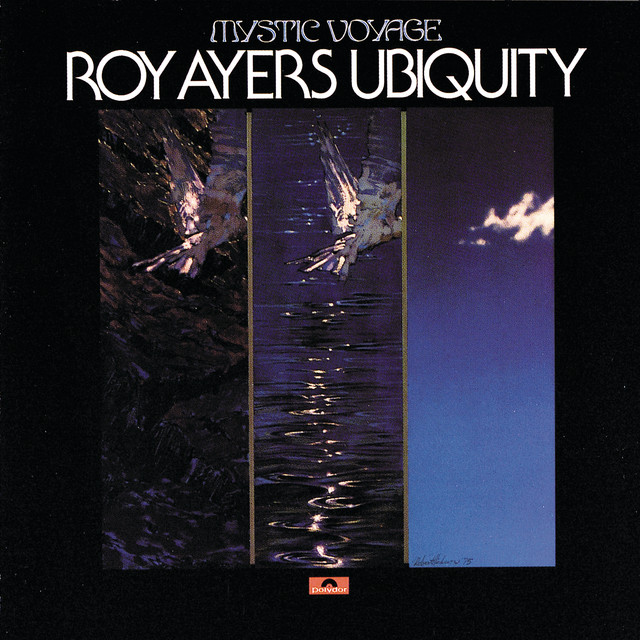
1. Mystic Voyage
This record epitomizes the warm, analog glow of mid-70s jazz-funk. Ayers’ vibraphone leads through grooves that are both intricate and effortlessly cool, recorded with a spatial depth that modern digital processes often struggle to replicate. The interplay between acoustic instruments and nascent electric textures, all captured on tape, creates a vibrant, almost tangible atmosphere. It is a masterclass in rhythmic subtlety and melodic invention, urging movement without demanding it.

2. Ege Bamyasi (Remastered Version)
Can's second truly defining statement, this album is a masterclass in rhythmic repetition and psychedelic textural exploration. Its legendary "motorik" beat, engineered with precision in their Inner Space studio, propels a soundworld where guitar atmospherics and Damo Suzuki's unique vocalizations intertwine. The production, raw yet incredibly effective, captures every nuance of their improvised brilliance, showcasing a band deeply attuned to the possibilities of tape manipulation and organic sound sculpting, predating so many later experimental forms.
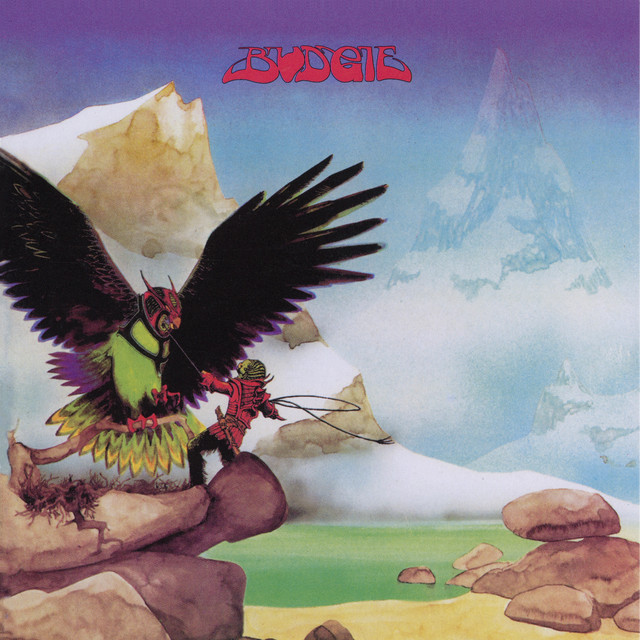
3. Never Turn Your Back On A Friend
Before metal splintered into its myriad subgenres, Budgie carved out a distinct, heavy path. This album’s raw power lies in its unadorned, muscular instrumentation, a true product of the early 70s studio environment. The guitar tones are thick, the drumming visceral, and Burke Shelley’s voice adds a distinctive, almost theatrical edge. It’s a testament to how much sonic heft could be achieved with basic, well-engineered analog gear, delivering proto-doom riffs with undeniable conviction.
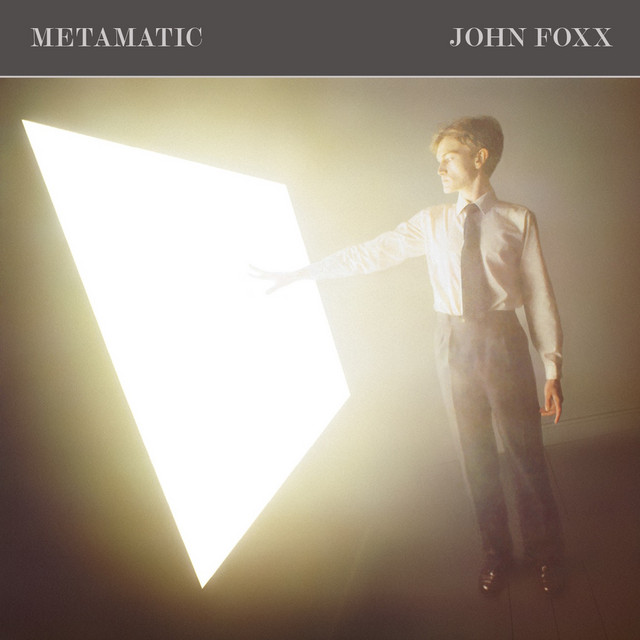
4. Metamatic
Foxx’s post-Ultravox debut is a stark, almost brutalist statement in synth-pop. Stripped of the romanticism often associated with the genre, it presented a cold, angular vision of electronic music, entirely reliant on the early synthesizers and drum machines of its era. Each sound feels meticulously placed, crafted to evoke an urban alienation. The analog warmth, paradoxically, lends a human quality to its mechanical rhythms, a pre-digital clarity that few could achieve with such a deliberately minimalist palette.
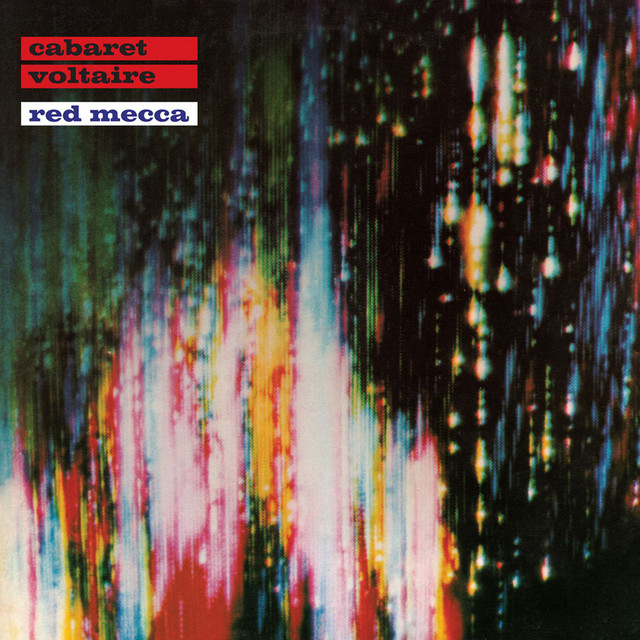
5. Red Mecca
This album is a pivotal document of early industrial music, a grim and compelling sonic landscape. Cabaret Voltaire, masters of tape loops and rhythmic dissonance, constructed a bleak, unsettling world from found sounds, manipulated vocals, and insistent, often abrasive electronic textures. The production is raw, almost confrontational, yet incredibly sophisticated in its layering. It demonstrates how analog recording techniques could forge a truly dark, challenging aesthetic, laying groundwork for countless experimental acts to follow.
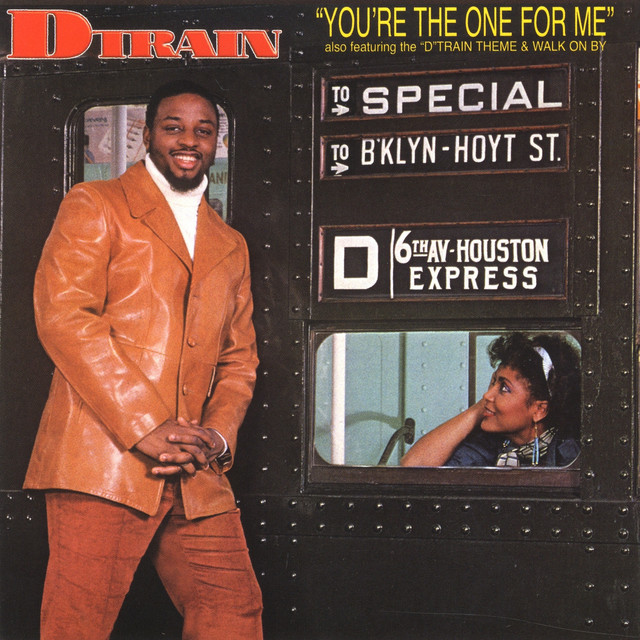
6. You're the One for Me
A cornerstone of post-disco and early boogie, this track, and the album it anchors, is pure rhythmic propulsion. James Williams' vocals soar over a meticulously arranged tapestry of analog synthesizers and a tight, live rhythm section. The production is pristine, capturing every shimmering cymbal and resonant bassline with an infectious clarity. It’s a bridge from the disco era’s orchestral exuberance to the more synth-driven, electronic dance sounds that would define the mid-80s, all captured gloriously on tape.
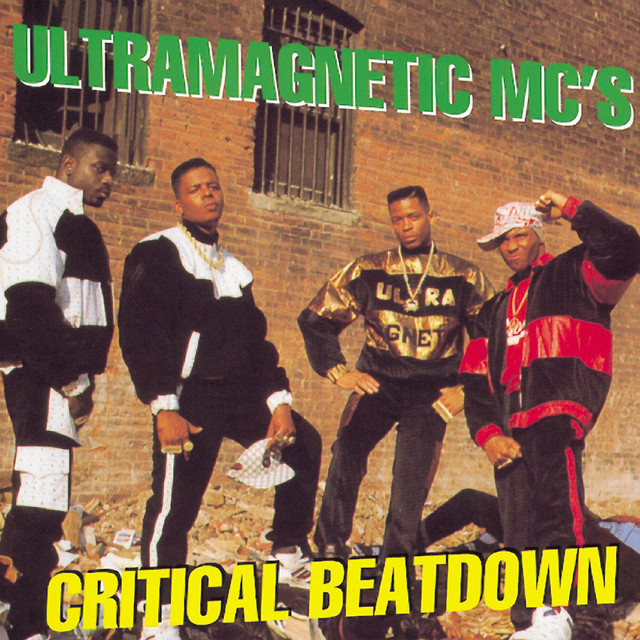
7. Critical Beatdown
This debut redefined rhythmic complexity and lyrical dexterity in early hip-hop. Ultramagnetic MCs crafted a dense, sample-heavy soundscape using raw, pre-digital sampling techniques and drum machines, eschewing the often-simplistic beats of their contemporaries. Kool Keith's abstract narratives flow over these intricate productions, showcasing a fearless approach to arrangement and sound collage. It stands as a testament to the creativity possible within the limitations of late-80s studio technology, a true sonic outlier.