

1 / 8
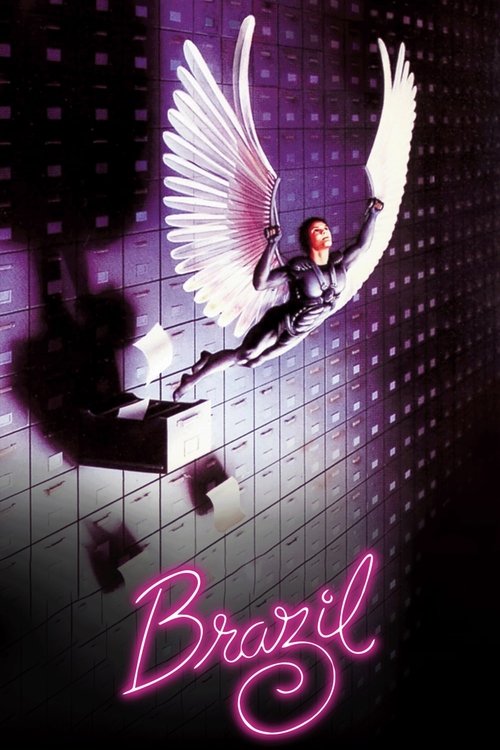
1. Brazil
Terry Gilliam's 1985 masterpiece remains an unparalleled descent into dystopian absurdity, a scathing, visually lavish critique of bureaucratic totalitarianism and consumerist escapism. Its retro-futuristic aesthetic, punctuated by dark humor and genuine terror, creates a dreamlike, nightmarish landscape. The film's protracted production battles underscored its uncompromising vision, cementing its status as a singular, essential work of cinematic rebellion and a profound, albeit surreal, reflection on the individual's struggle against an overwhelming system.
2 / 8
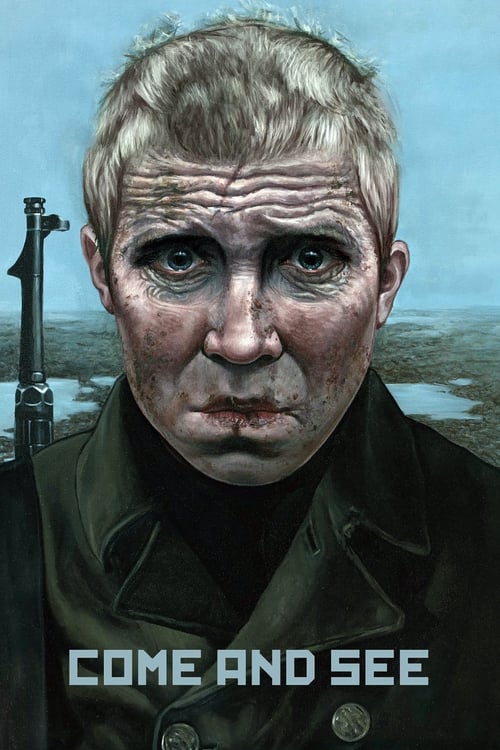
2. Come and See
Elem Klimov's 1985 depiction of WWII's Eastern Front is not merely a war film; it's a profound psychological assault. Seen through the eyes of a young boy, Flyora, it strips away any romanticism, presenting the atrocities with unflinching realism and a deeply unsettling, almost surreal, intensity. The film leaves an indelible mark, a visceral testament to the horrors of conflict and the irreversible destruction of innocence, its power in its relentless, unvarnished portrayal of humanity's darkest chapter.
3 / 8
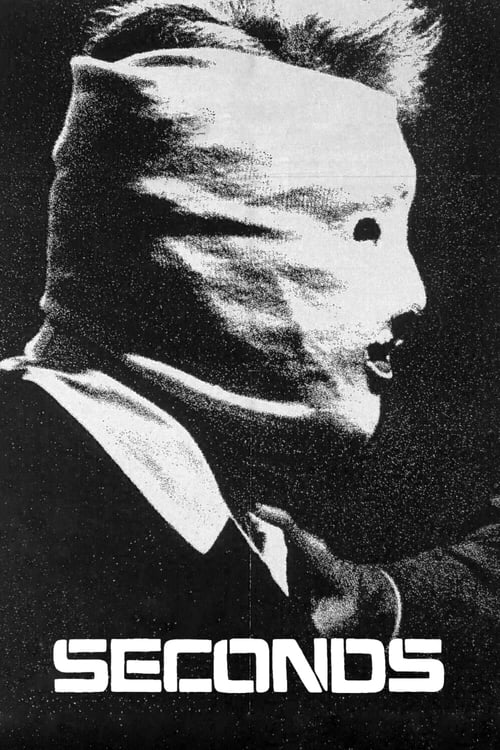
3. Seconds
John Frankenheimer’s 1966 psychological thriller is a masterclass in paranoia and existential dread. It explores the terrifying premise of a clandestine organization offering new identities and second chances, but at what cost? Rock Hudson's transformative performance anchors this chilling examination of identity, conformity, and the elusive nature of happiness. Its innovative cinematography creates a suffocating atmosphere, questioning if one can ever truly escape their past or inherent self.
4 / 8
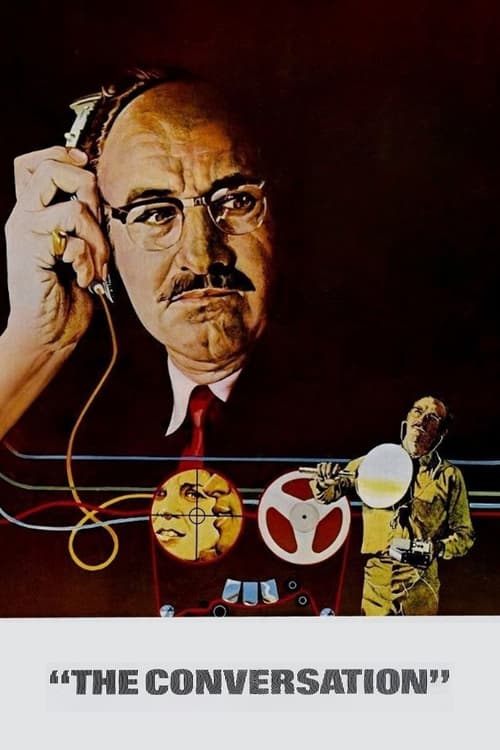
4. The Conversation
Francis Ford Coppola's 1974 psychological thriller, released amidst Watergate, is a taut, meticulous study of surveillance, paranoia, and moral culpability. Gene Hackman delivers a masterful performance as Harry Caul, a surveillance expert haunted by his work, slowly unraveling as he pieces together fragments of a potentially sinister conversation. Its groundbreaking sound design immerses the viewer in Caul's obsessive world, questioning the ethics of observation and the profound burden of knowledge.
5 / 8

5. Withnail & I
Bruce Robinson's 1987 cult classic is a darkly comedic, often quoted ode to friendship, failure, and the waning counterculture of the 1960s. Richard E. Grant and Paul McGann portray two unemployed, alcoholic actors whose disastrous country holiday spirals into absurdist chaos. Its razor-sharp dialogue, iconic performances, and melancholic undertones capture a unique blend of despair and defiant humor, making it an enduring examination of artistic ambition colliding with grim reality. A quintessential British gem.
6 / 8
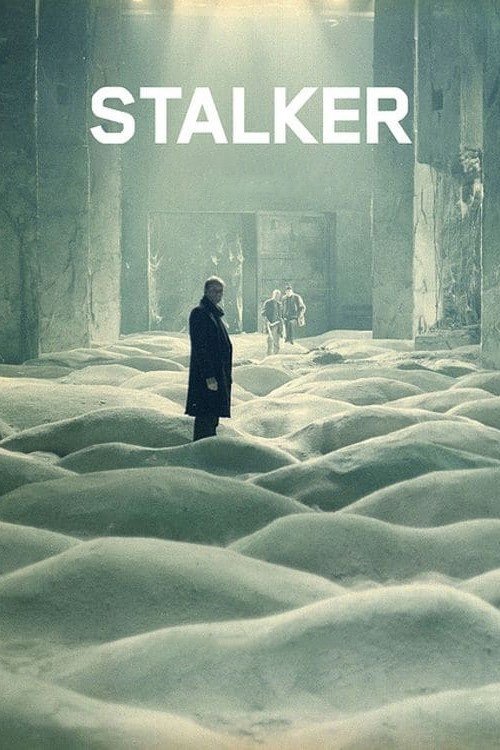
6. Stalker
Andrei Tarkovsky's 1979 masterpiece is less a science fiction film and more a profound, meditative journey into the human soul. Three men venture into the mysterious "Zone," a forbidden area rumored to grant one's deepest desires. Its deliberate pacing, stunning cinematography, and philosophical depth demand patience but reward with an unparalleled exploration of faith, meaning, and the elusive nature of hope. "Stalker" is a truly immersive, hypnotic experience that lingers long after.
7 / 8
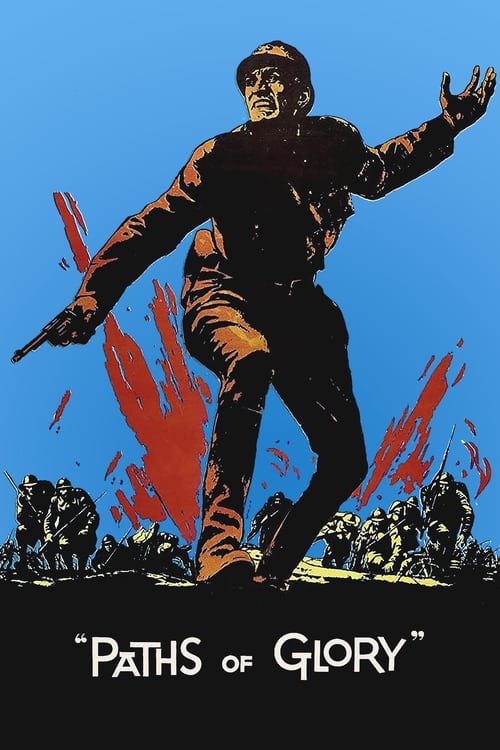
7. Paths of Glory
Stanley Kubrick's 1957 anti-war masterpiece is a searing indictment of military bureaucracy and the brutal futility of conflict. Kirk Douglas delivers a powerful performance as Colonel Dax, a French officer defending his men from a court-martial orchestrated by callous superiors during WWI. Its stark black-and-white cinematography and unflinching portrayal of injustice resonate deeply, highlighting the moral compromises made in the name of strategic gain. A timeless, essential critique of power.
8 / 8
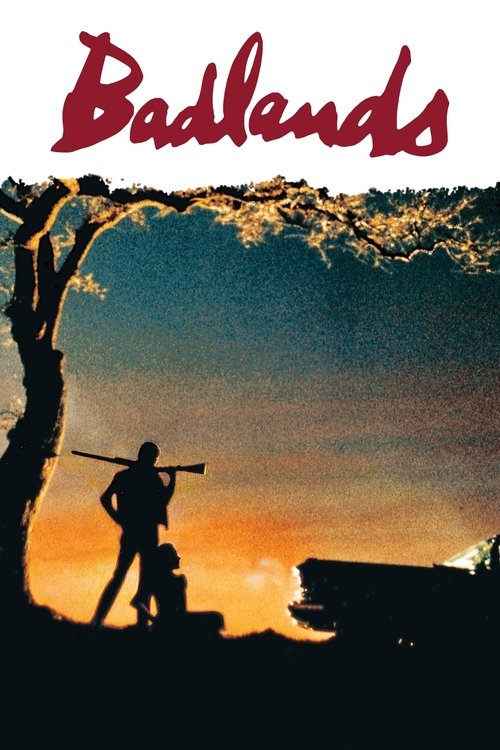
8. Badlands
Terrence Malick’s 1974 debut is a hauntingly beautiful, yet chilling, exploration of youthful rebellion and violence. Sissy Spacek and Martin Sheen portray a Bonnie and Clyde-esque couple on a murderous spree across the American Midwest, their actions juxtaposed with Malick’s ethereal voiceovers and stunning naturalistic cinematography. It’s a meditative, poetic film, romanticizing its outcasts even as it subtly critiques their detachment. A uniquely melancholic vision of the American dream gone awry.