

1 / 7
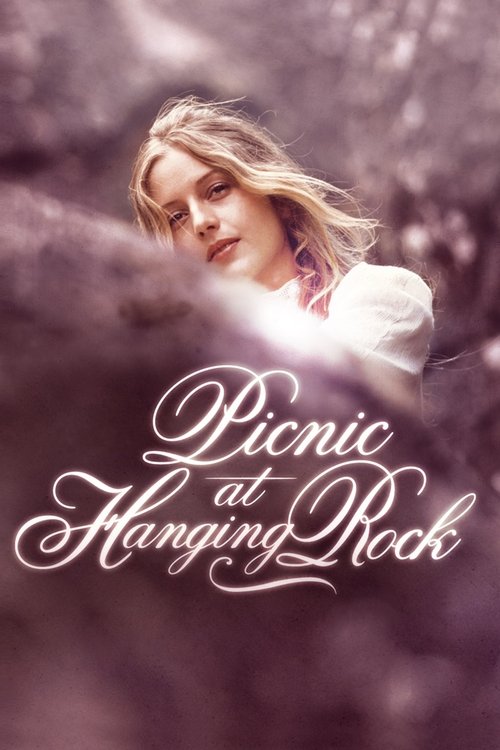
1. Picnic at Hanging Rock
Peter Weir's 1975 film is a masterclass in atmospheric dread. The disappearance of schoolgirls during an outing to the titular rock formation is less about a solved mystery and more about the suffocating weight of colonial repression meeting the ancient, indifferent Australian landscape. Its sun-drenched cinematography belies a deep, unsettling psychological current, leaving viewers with a lingering sense of disquiet and questions unanswered, much like the characters themselves.
2 / 7
2. The Vanishing
George Sluizer's original 1988 Dutch-French thriller is an unnerving descent into obsession and psychological torment. It eschews jump scares for a slow-burn dread, as a man tirelessly searches for his vanished girlfriend, eventually confronting her abductor. The film’s power lies in its chilling exploration of human depravity and the profound, disturbing desire to understand the incomprehensible, culminating in one of cinema's most truly horrifying conclusions.
3 / 7

3. La Jetée
Chris Marker’s 1962 "photo-roman" is a seminal work of experimental cinema, a narrative built almost entirely from still photographs. This haunting French short film masterfully weaves a post-apocalyptic tale of time travel, memory, and an unshakeable sense of destiny. Its stark, evocative imagery and profound philosophical underpinnings proved hugely influential, demonstrating the immense storytelling power residing within the spaces between frames, leaving an indelible, melancholic mark on its audience.
4 / 7
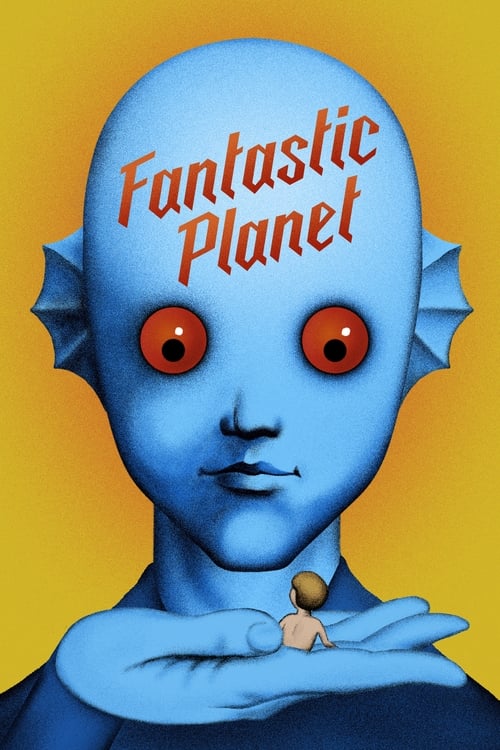
4. Fantastic Planet
René Laloux's 1973 Franco-Czechoslovakian animation is a truly singular vision. Its distinctive, surreal visual style immediately sets it apart, telling an allegorical tale of humanity subjugated by giant blue aliens on a strange, wondrous world. More than just psychedelic aesthetics, it offers sharp social commentary on oppression, intelligence, and survival, cementing its place as a groundbreaking piece of international animated science fiction that remains utterly captivating.
5 / 7
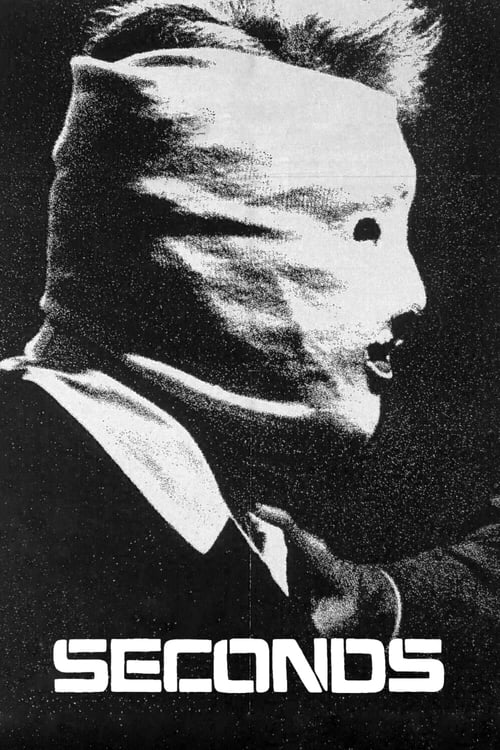
5. Seconds
John Frankenheimer’s 1966 thriller is a chilling, paranoid odyssey into the anxieties of identity and reinvention. A disillusioned banker undergoes a radical procedure for a new life, only to find himself trapped in a new kind of existential nightmare. Shot with stark, experimental cinematography, this film delves into the terrifying implications of escaping one's past, questioning whether a new face can ever truly erase the old self.
6 / 7

6. Daisies
Věra Chytilová's 1966 *Daisies* is an anarchic, playful, and fiercely feminist explosion of Czechoslovak New Wave cinema. Following two young women named Marie as they gleefully rebel against societal expectations, the film is a vibrant, surreal kaleidoscope of destruction and irreverence. Its bold visual language and subversive spirit challenge patriarchal norms with a joyful, defiant energy, proving that rebellion can be both profound and utterly, wonderfully chaotic.
7 / 7
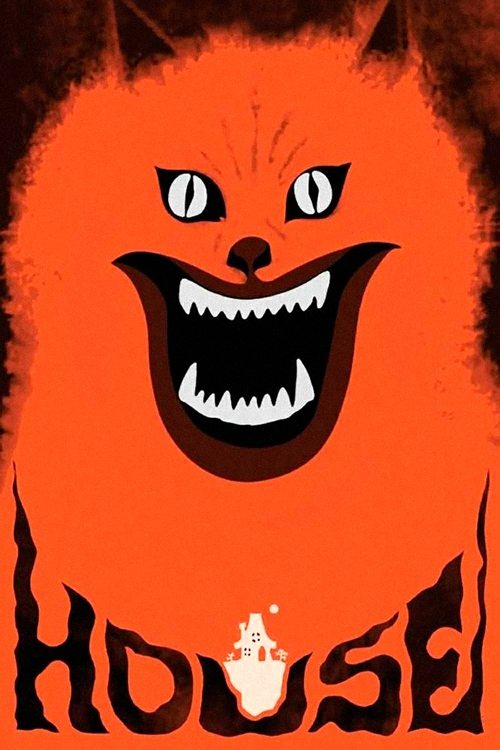
7. House
Nobuhiko Obayashi’s 1977 *House* (Hausu) defies conventional categorization, a truly one-of-a-kind Japanese horror-comedy. Seven schoolgirls visit a bizarre, haunted house, leading to an onslaught of psychedelic visuals, outlandish special effects, and surreal, often humorous, terror. Born from a child's imagination, its relentless inventiveness and dreamlike logic create an experience that is both profoundly unsettling and utterly exhilarating, establishing it as a cult masterpiece.