
1 / 7
1. Grim Fandango
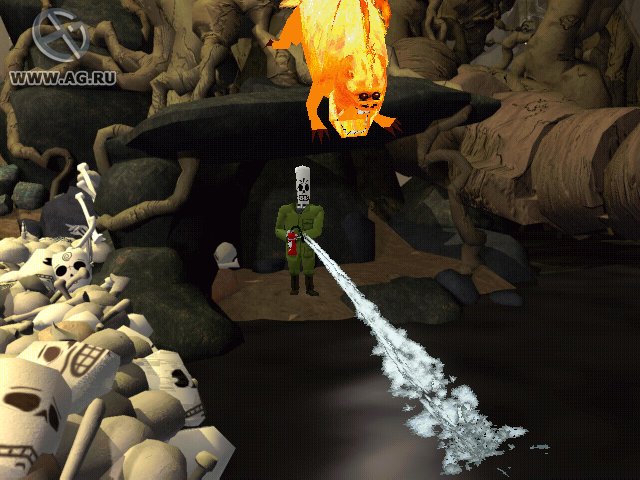
Man, LucasArts in the 90s was just built different, and Grim Fandango from '98 is prime evidence. This point-and-click adventure with its film noir meets Day of the Dead aesthetic was pure genius. The writing was sharper than a freshly honed katana, the characters unforgettable. But the adventure genre was already on life support, and publishers didn't know what to do with art. It tanked, only to be rediscovered years later as a masterpiece.
2 / 7
2. Jade Empire
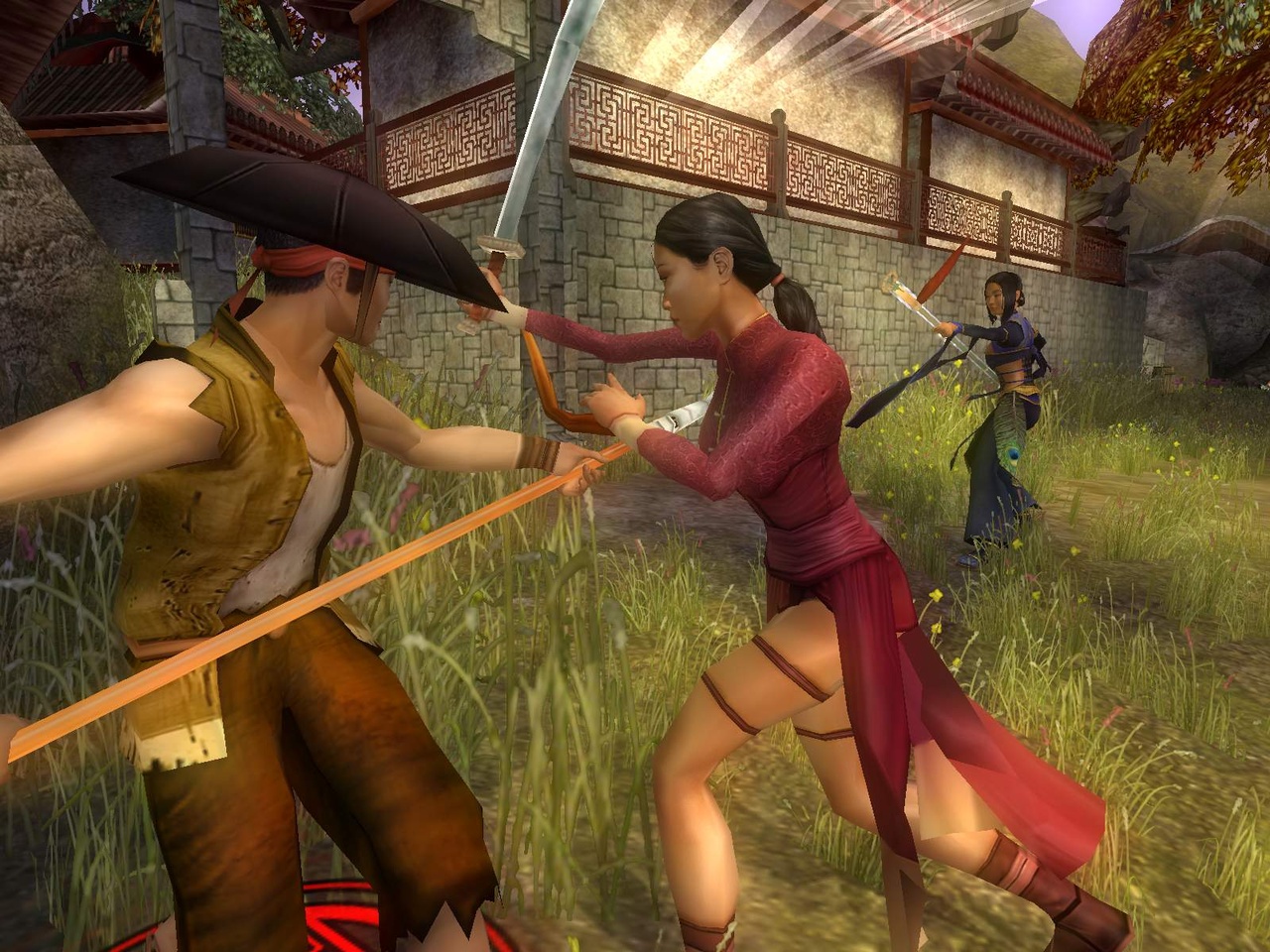
Before Mass Effect and Dragon Age, BioWare dropped Jade Empire in 2005, and honestly, it deserved so much more. An RPG set in a stunning, ancient China-inspired world, it had a killer martial arts combat system and that signature BioWare moral choice dilemma, 'Open Palm' or 'Closed Fist'. It felt fresh, unique, and had a compelling story, but it just faded into the background, a forgotten gem overshadowed by its successors.
3 / 7
3. Psychonauts
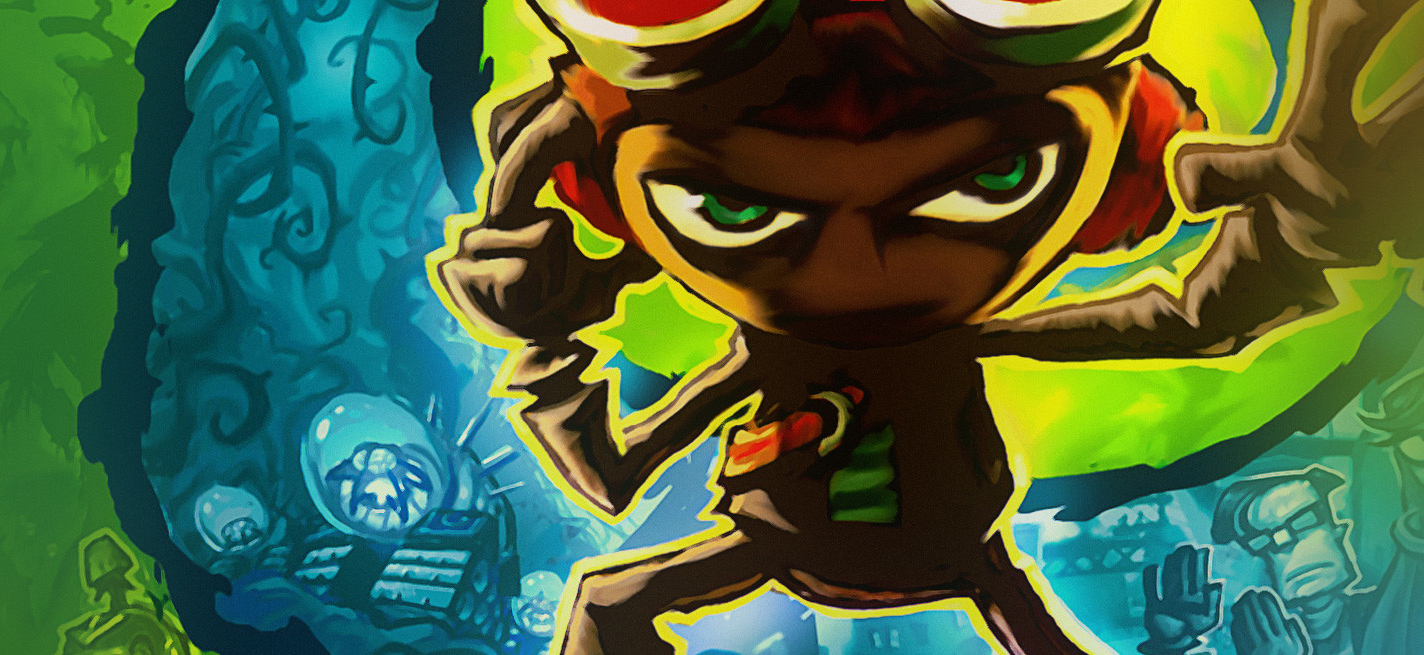
Double Fine's 2005 platformer Psychonauts was a mind-bending trip, quite literally. Tim Schafer's genius was on full display as you jumped into people's brains, exploring surreal mental landscapes. It was hilarious, deeply creative, and had some of the most imaginative level design ever. But it was a commercial flop initially, a testament to how unique ideas sometimes need time to find their audience. Thank god for cult followings and sequels!
4 / 7
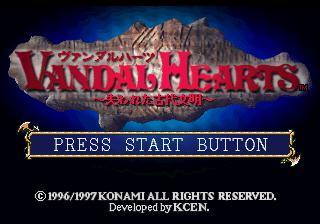
4. Vandal Hearts
Back in 1996, Vandal Hearts on the PS1 gave us a gritty, tactical RPG experience that was way ahead of its time. It had a surprisingly mature storyline, challenging grid-based combat, and that sweet isometric perspective we loved. While Final Fantasy Tactics grabbed all the headlines, this Konami title was quietly building a loyal fanbase with its permadeath and strategic depth. It’s a shame it never got the widespread recognition it earned.
5 / 7
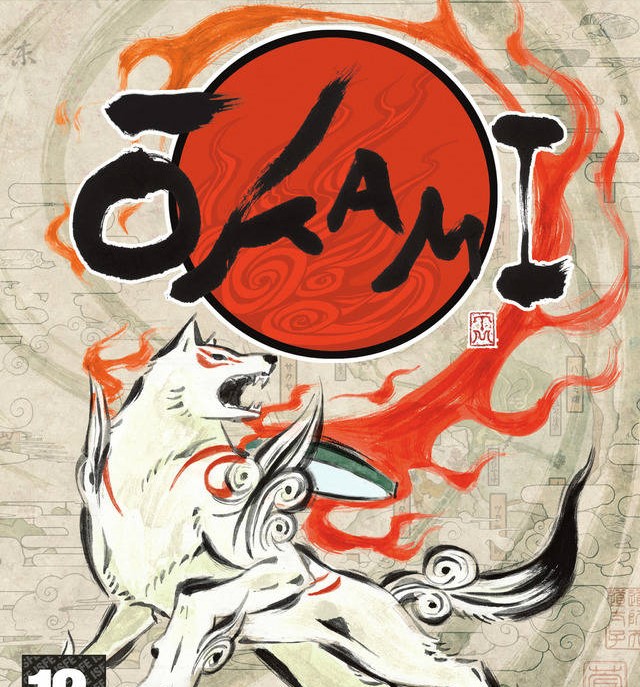
5. Okami
Okami, released in 2006, is a visual masterpiece, period. Clover Studio blended Japanese mythology with a breathtaking cel-shaded art style, making every frame look like a living sumi-e painting. The Celestial Brush mechanic was pure innovation, but despite critical adoration, it sold poorly. It's a tragedy that such an artistic triumph couldn't find its audience, ultimately contributing to Clover Studio's demise. A beautiful, unforgettable adventure that deserved millions more players.
6 / 7
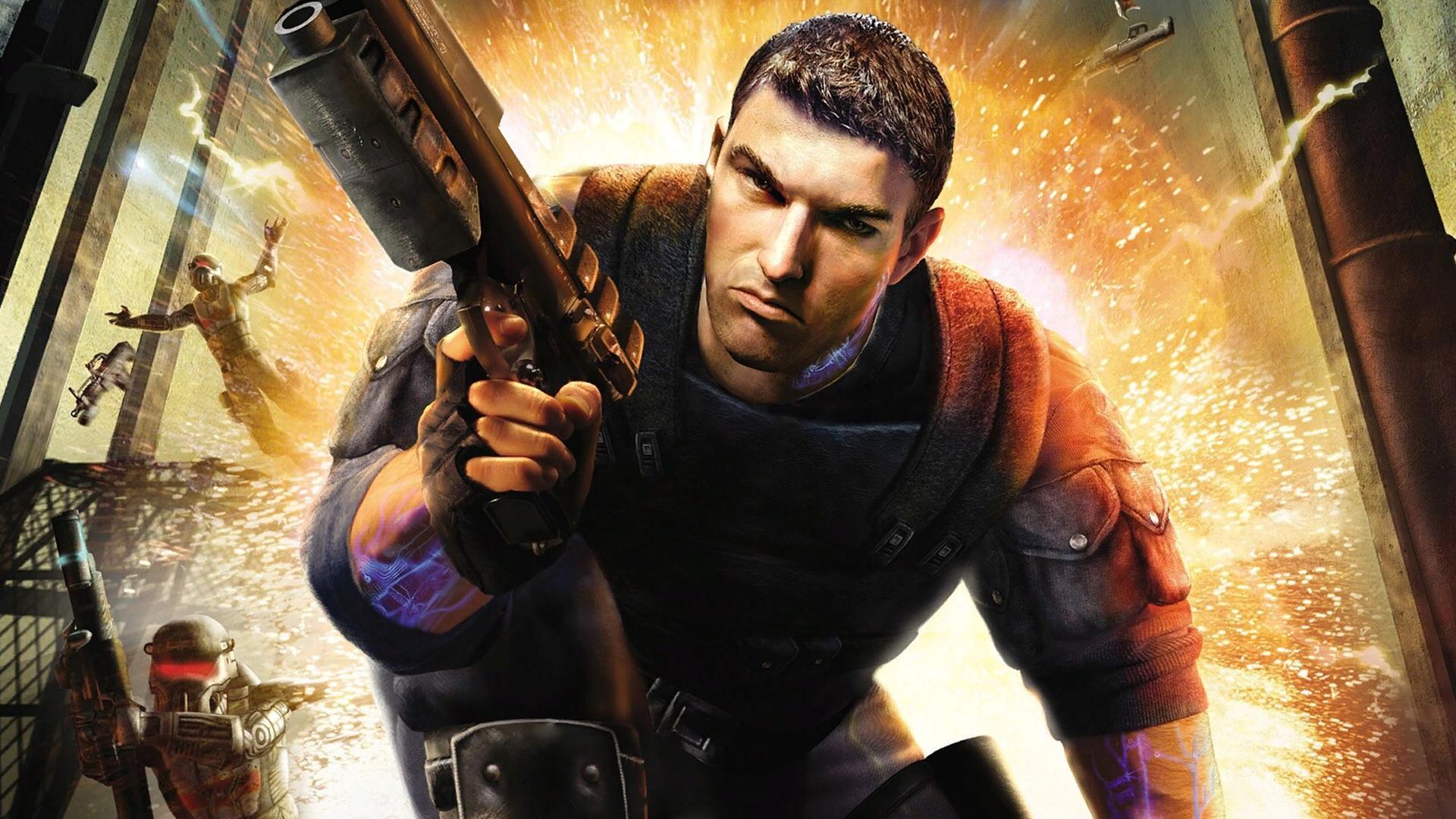
6. Project: Snowblind
In 2005, amidst a sea of FPS games, Project: Snowblind from Crystal Dynamics dropped. It was a solid, engaging cyberpunk shooter with cool augmentations and satisfying gunplay. Think Deus Ex, but more focused on the action. It wasn't revolutionary, but it was undeniably fun and competent. Yet, it struggled to stand out in a crowded market and quickly became a forgotten footnote, a perfectly good game that just couldn't catch a break.
7 / 7
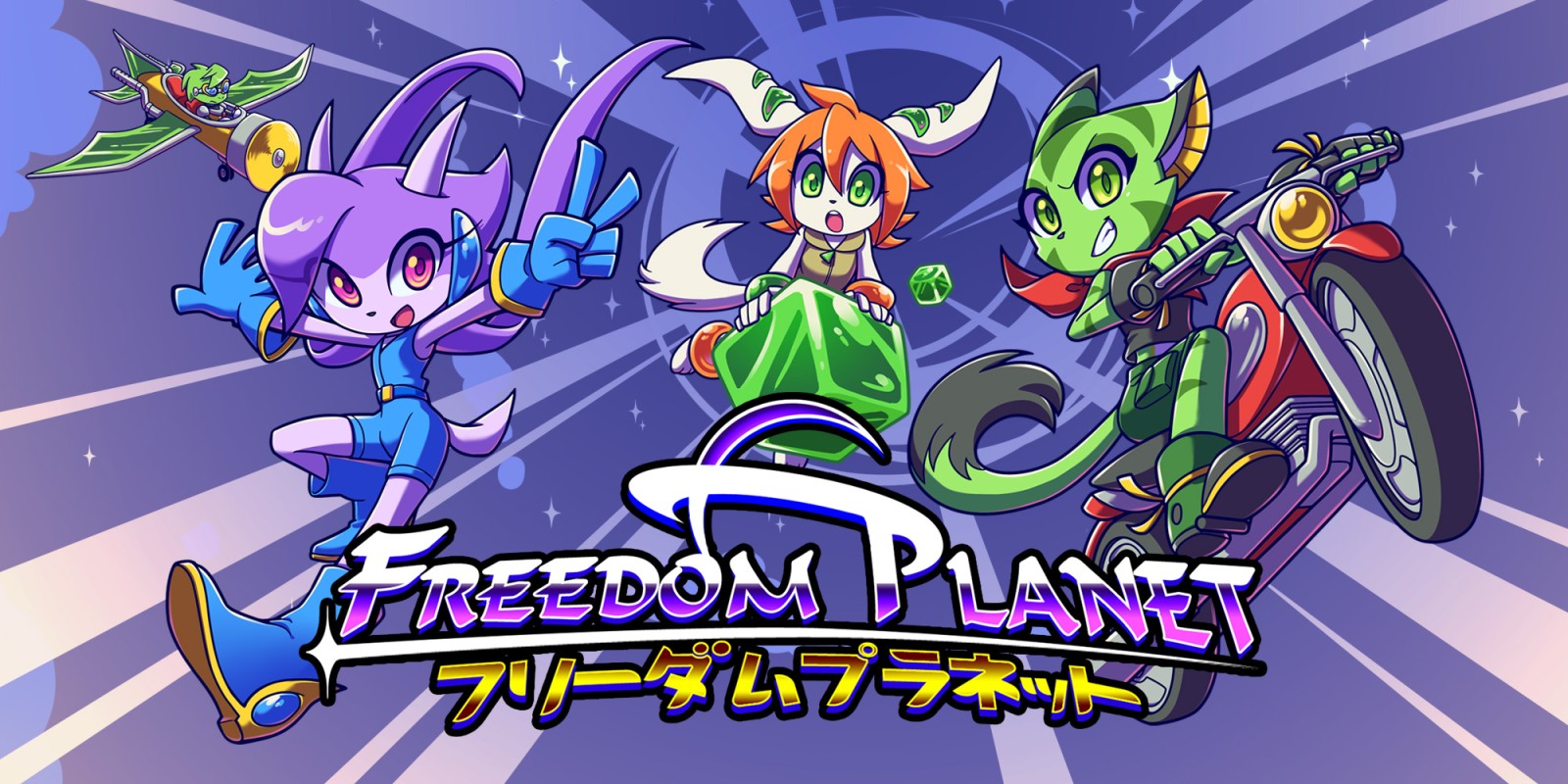
7. Freedom Planet
Freedom Planet, hitting in 2014, is an indie love letter to classic 16-bit platformers, especially Sonic. It nailed the speed, the vibrant characters, and the intricate level design. This game proved that the spirit of those old-school gems was alive and well, crafted with passion by GalaxyTrail. It's a fantastic, energetic ride that, despite its indie success, still doesn't get mentioned in the same breath as its inspirations, which is a crime.