

1 / 9

1. Tale Spinnin'
Weather Report’s 1975 offering marked a pivotal shift, leaning further into a more streamlined, rhythm-centric jazz-fusion. Joe Zawinul’s ARP 2600 and Rhodes piano work, alongside Wayne Shorter's soprano, craft incredibly textured soundscapes. Also, Alphonso Johnson’s bass lines are foundational, while the percussion, entirely acoustic, offers an organic counterpoint to the blossoming synth textures. It’s an analog masterclass in dynamic interplay and sophisticated groove, captured with pristine early-70s studio fidelity.
2 / 9
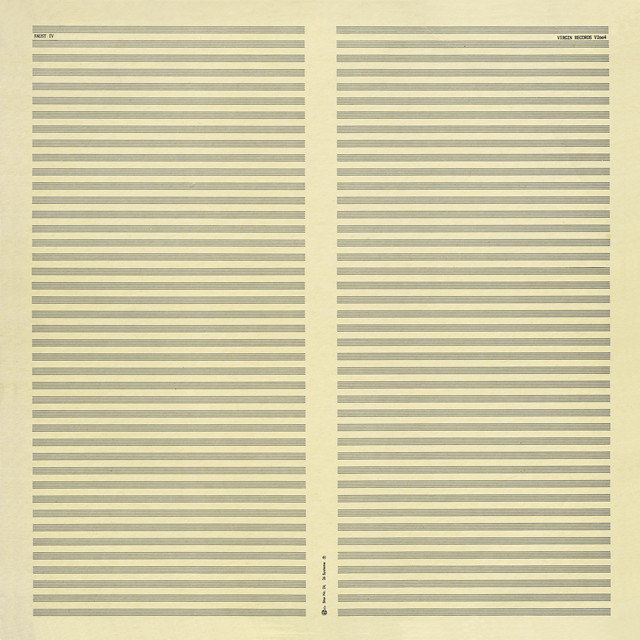
2. Faust IV (Deluxe Edition)
Faust’s 1973 opus is a sprawling, often baffling, yet ultimately rewarding journey through the avant-garde fringes of krautrock. From the hypnotic repetition of 'Krautrock' to the pastoral experimentalism of 'Jennifer', it's a testament to raw, unbridled creativity. The tape manipulation, found sounds, and early electronic textures, all recorded with a distinct pre-digital grit, solidify its status as a vital, proto-industrial, art-rock artifact. It demands active listening, then rewards profoundly.
3 / 9
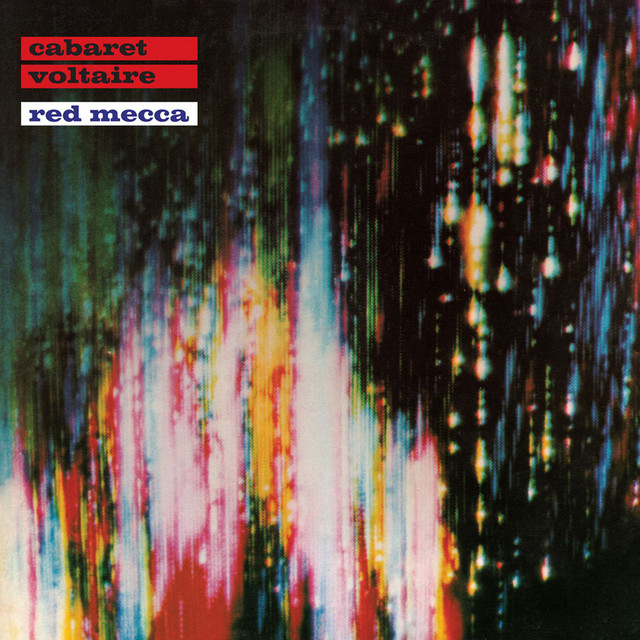
3. Red Mecca
Cabaret Voltaire's 1981 industrial statement, 'Red Mecca', is a cold, stark transmission from a dystopian future that somehow feels acutely present. The rhythmic loops, clattering percussion, and heavily processed vocals create a sense of unease and mechanical dread. Its analog synth lines are abrasive yet compelling, embodying the nascent darkwave and coldwave aesthetic. This was a blueprint for countless acts, a chillingly effective exploration of urban decay and political paranoia, all captured on tape.
4 / 9
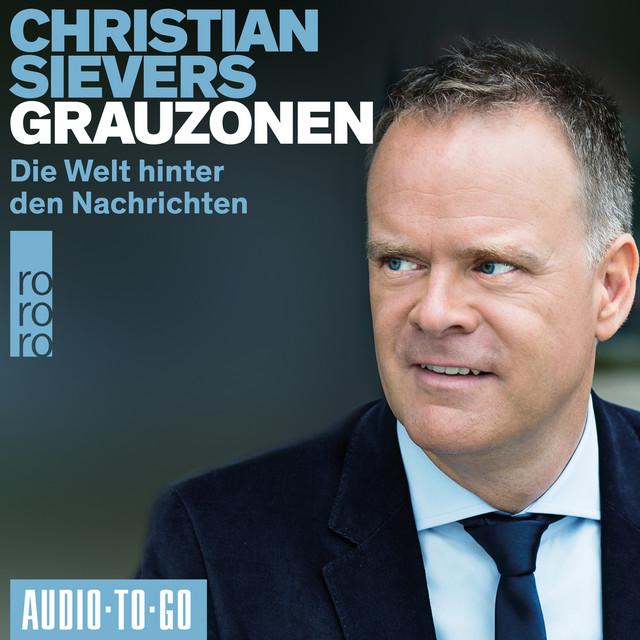
4. Grauzonen - Die Welt hinter den Nachrichten (Ungekürzt)
From Switzerland in 1981, Grauzone's self-titled LP, often identified by the track 'Die Welt hinter den Nachrichten', is a foundational coldwave document. Its stark, minimalist synth melodies, deadpan vocals, and driving post-punk rhythms evoke a profound sense of existential bleakness. The production is raw, yet precisely engineered to emphasize the spaciousness and desolation within the compositions. It’s an essential, unvarnished glimpse into early 80s European synth-punk, far removed from any commercial sheen.
5 / 9
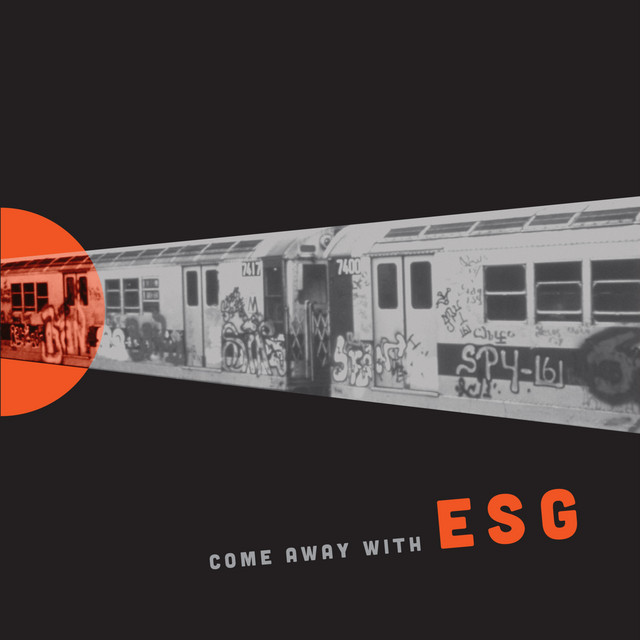
5. Come Away with ESG
ESG’s 1983 debut EP is a masterclass in minimalist funk and post-disco rhythmic ingenuity. Raw, stripped-down, and utterly devoid of excess, its sound is built on infectious basslines, sparse guitar riffs, and the iconic, propulsive percussion of the Scroggins sisters. This wasn't about complex arrangements; it was about the irresistible groove, captured live and direct in a way that prefigured early house and hip-hop. It still sounds absolutely fresh, a testament to its uncluttered power.
6 / 9
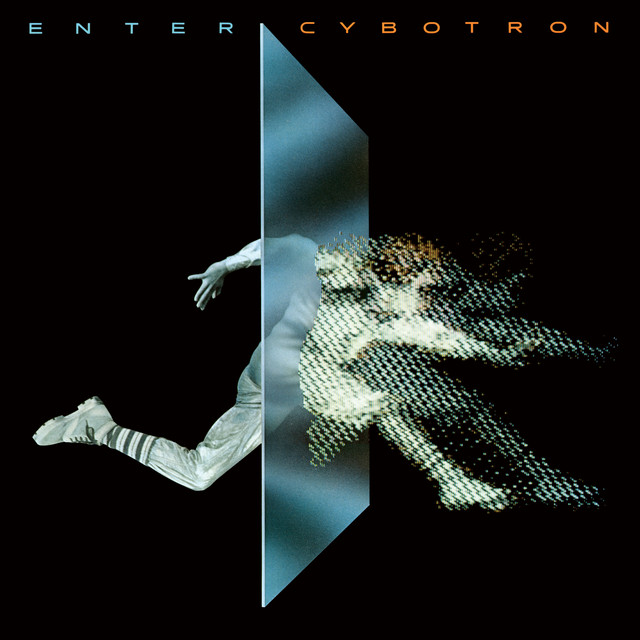
6. Enter (Deluxe Edition)
Cybotron's 1983 debut, 'Enter', was a cornerstone of Detroit techno's genesis, a truly futuristic sonic declaration. Juan Atkins and Richard Davis crafted intricate electro rhythms with analog synthesizers and drum machines like the Roland TR-808, forging a sound that was both mechanical and soulful. Its sci-fi narratives and driving electronic textures laid the groundwork for an entire genre, demonstrating the profound potential of synthesizers and sequencers in the pre-digital age.
7 / 9
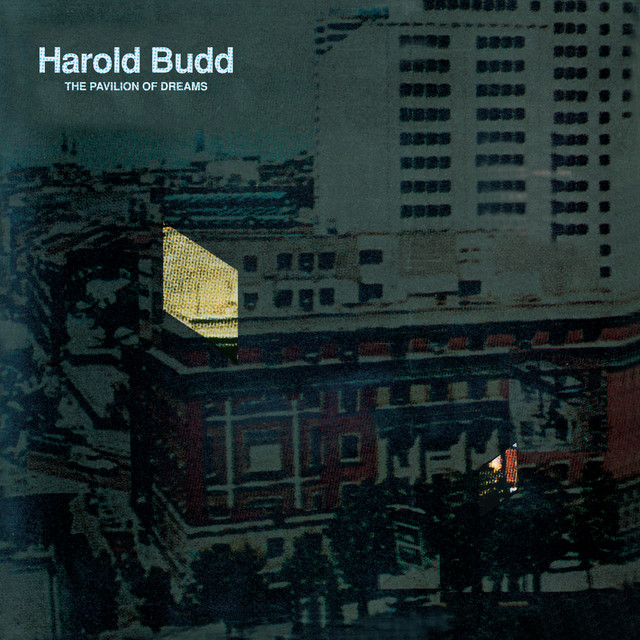
7. The Pavilion Of Dreams
Harold Budd's 1978 collaboration with Brian Eno, 'The Pavilion of Dreams', is a shimmering, ethereal journey into ambient soundscapes. Budd's signature sustained piano chords, augmented by subtle orchestration and Eno's production, create a deeply contemplative and serene atmosphere. It’s a masterclass in texture and space, recorded with an analog warmth that invites immersion. This work solidified the nascent ambient school, proving that music could be both beautiful and profoundly non-narrative.
8 / 9
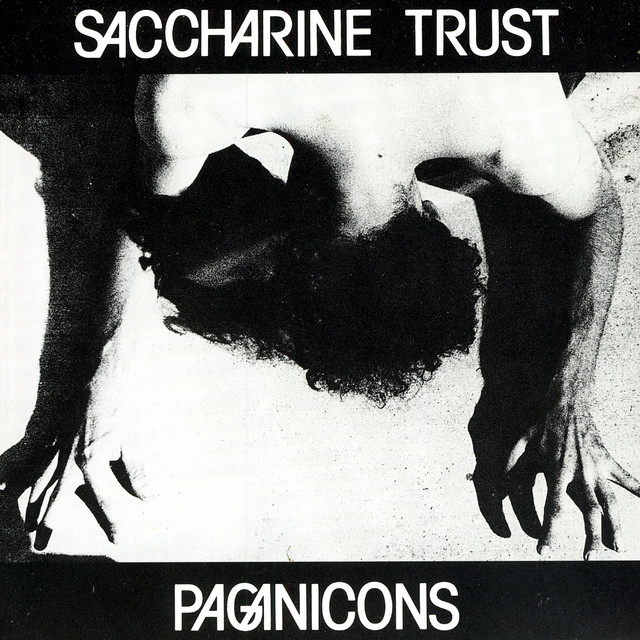
8. Paganicons
Saccharine Trust’s 1981 'Paganicons' EP, released on SST, is a ferocious, intellectual blast of hardcore punk and post-hardcore. Jack Brewer’s stream-of-consciousness lyrics are delivered over jagged, angular guitar riffs and a rhythm section that’s both tight and unhinged. It’s raw, intense, and musically sophisticated for the era, pushing punk's boundaries beyond simple aggression. The analog recording perfectly captures its frantic energy and intricate dissonance, a true underground gem.
9 / 9

9. Planet Rock
Afrika Bambaataa & The Soul Sonic Force's 1982 single 'Planet Rock' is an undisputed colossus of early rap and electro-funk. Utilizing the Roland TR-808 drum machine and Kraftwerk's 'Trans-Europe Express' melody, it forged a new, futuristic sound that became the bedrock for hip-hop production. Its innovative rhythmic structure and synthesized textures were revolutionary, demonstrating the power of machines to create utterly infectious, genre-defining grooves. It’s pure, unadulterated pre-digital innovation.