
1 / 7
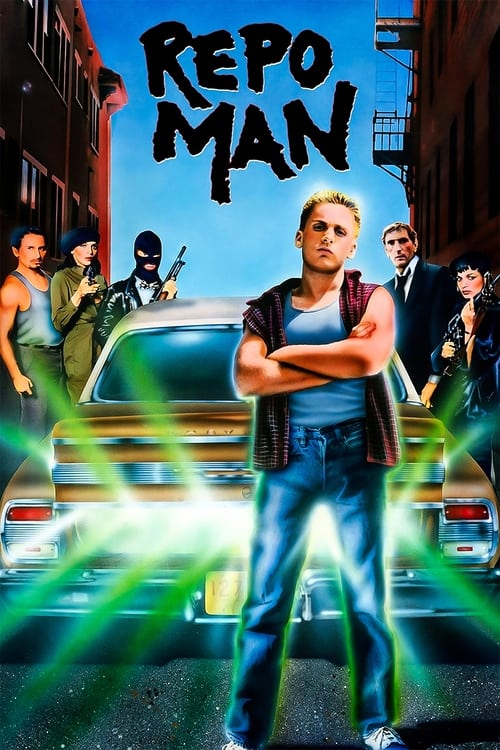
1. Repo Man
Forget everything you know about narrative structure; Alex Cox’s 1984 "Repo Man" is a gloriously unhinged punk rock odyssey. It’s a cynical, hilarious, and deeply weird look at consumerism, government conspiracy, and the existential dread of suburban L.A., all wrapped up in a quest for a radioactive Chevy Malibu. Emilio Estevez and Harry Dean Stanton are perfectly deadpan. This film is a genuine, chaotic artifact from a bygone era of independent cinema, and it still feels shockingly relevant.
2 / 7
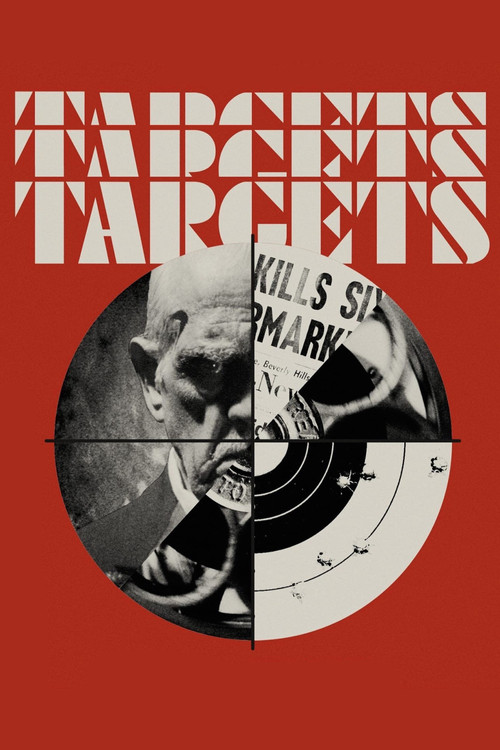
2. Targets
Peter Bogdanovich’s 1968 debut, "Targets," is a chilling, prescient thriller that pits a disillusioned horror icon, played by a magnificent Boris Karloff, against a seemingly ordinary young man who becomes a random sniper. It’s a stark, unsettling commentary on the blurring lines between cinematic violence and real-world terror, and how easily a seemingly benign individual can snap. Karloff's performance, his last significant role, adds a profound, melancholic weight.
3 / 7
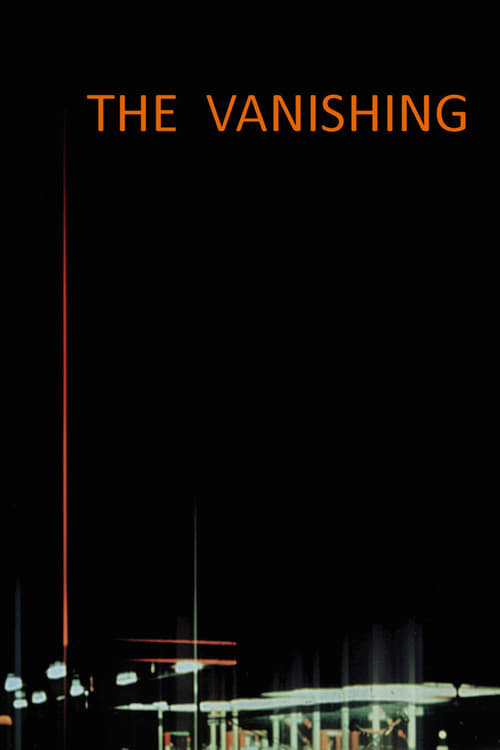
3. The Vanishing
Before the Hollywood remake watered it down, George Sluizer's 1988 "The Vanishing" (Spoorloos) was a masterclass in psychological dread. A man's girlfriend disappears at a gas station, and his obsessive search leads him into a chilling game with her abductor. This is not about jump scares; it’s a slow-burn descent into pure, existential horror, culminating in an ending so utterly bleak and unforgettable, it will burrow into your psyche for days.
4 / 7
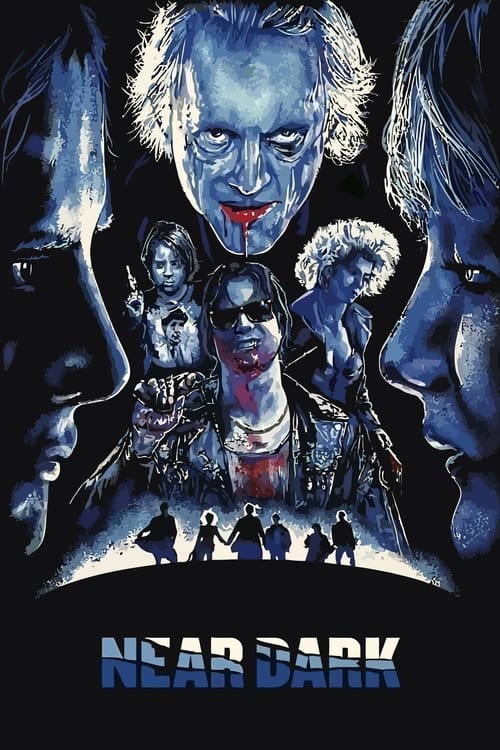
4. Near Dark
Kathryn Bigelow’s 1987 "Near Dark" is a gritty, sun-scorched vampire Western that predates the romanticized fangs by a mile. It strips away the gothic glamour, presenting vampires as a nomadic, brutal family of outlaws, more akin to motorcycle gangs than counts. With stunning practical effects and a mood that’s part horror, part romance, it’s a stylish, violent, and surprisingly melancholic take on the genre. Lance Henriksen and Bill Paxton are truly iconic here.
5 / 7

5. Cure
Kiyoshi Kurosawa’s 1997 "Cure" is a slow-burn masterpiece of psychological horror that will mess with your head more than any jump scare ever could. A detective investigates a series of bizarre murders where victims are found with an X carved into their necks, and the perpetrators confess immediately but can't explain why. It’s an unsettling, cerebral exploration of suggestion, memory, and the insidious nature of evil, leaving you questioning reality itself.
6 / 7

6. Mikey and Nicky
Elaine May's 1976 "Mikey and Nicky" is a raw, agonizingly intimate character study that feels less like a movie and more like eavesdropping on a collapsing friendship. John Cassavetes and Peter Falk deliver career-defining performances as two small-time gangsters on the run, their bond fraying under the weight of paranoia and desperation. Its improvisational feel and unvarnished realism make it a powerful, uncomfortable, and deeply human cinematic experience.
7 / 7
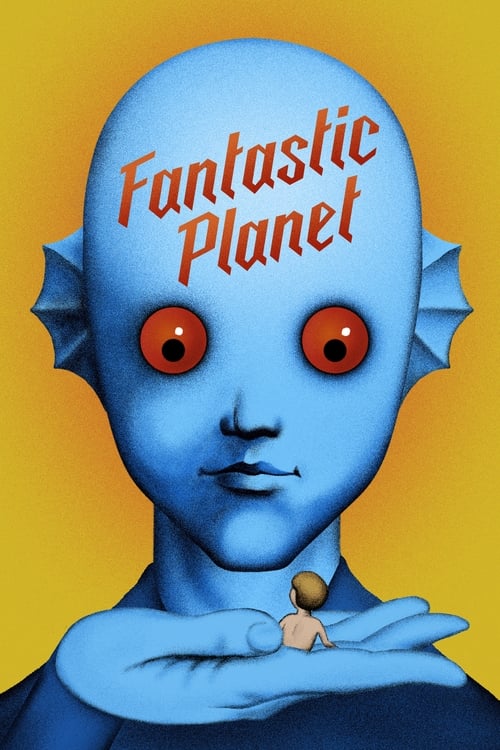
7. Fantastic Planet
René Laloux’s 1973 "Fantastic Planet" (La Planète sauvage) is an animated marvel, a psychedelic, allegorical sci-fi trip unlike anything you’ve seen. Its distinct, cutout animation style brings to life a world where giant blue humanoids, the Draags, keep humans (Oms) as pets. It’s a profound, disturbing, and beautiful commentary on power, oppression, and the struggle for freedom, all wrapped in truly unforgettable, surreal imagery.