

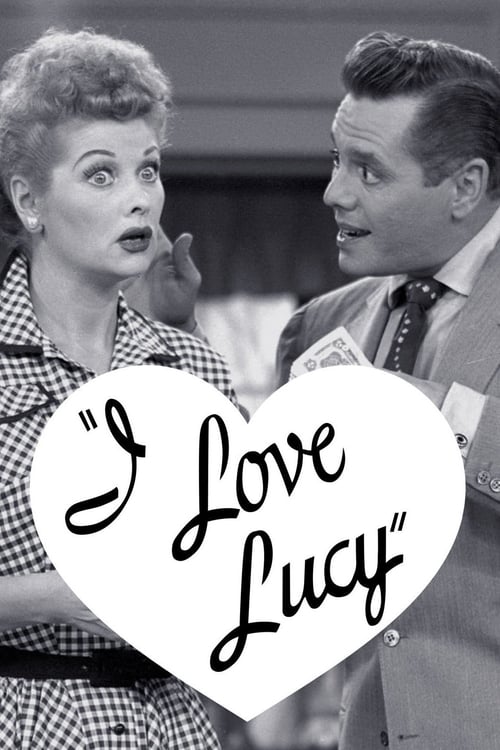
1. I Love Lucy
Now *this* was television! Lucy and Desi, a real phenomenon. They shot it like a play, right there in front of folks, which gave it a spark you couldn't get from film. And that multi-camera setup, revolutionary for capturing all the slapstick. You felt like you were in the room, watching the chaos unfold. A masterclass in comedic timing, and all in glorious, stark black and white. It set the mold for how funny shows would be made for decades.
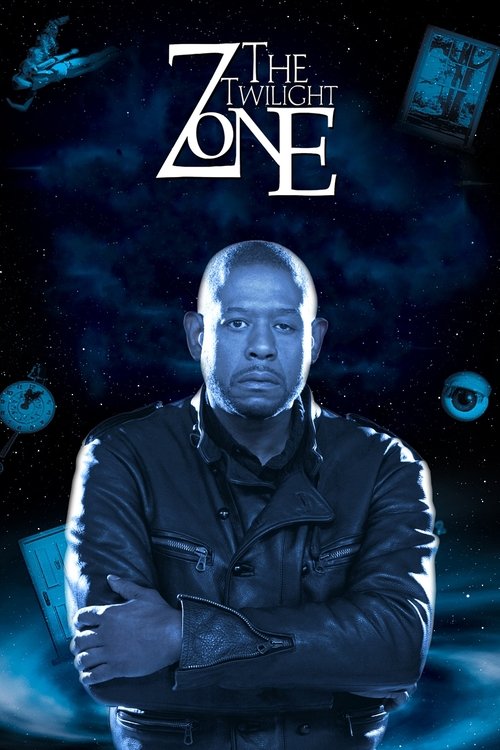
2. The Twilight Zone
Rod Serling, now he understood the power of the small screen. Every week, a new story, a new cast, but always with that chilling twist. It wasn't just monsters and spaceships; it was about us, our fears, our prejudices. The black-and-white photography really amplified the mood, giving it a stark, almost dreamlike quality. And the way it kept you thinking, long after the credits rolled. Pure, unadulterated anthology genius, showing TV could be more than just entertainment.
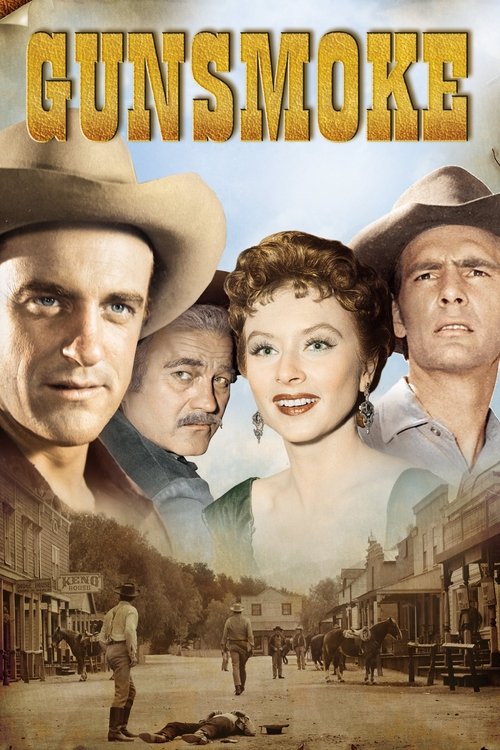
3. Gunsmoke
A Western that rode the range for what felt like forever, and folks kept coming back. It started in black and white, you know, and had this steady, deliberate pace. Not just shoot-em-ups, but real character stories in Dodge City. Marshal Dillon, Miss Kitty – they became family. It proved that a drama could build a loyal following over many years, creating a sense of history with its audience. A true long-form pioneer.

4. The Ed Sullivan Show
Sunday nights, everyone gathered. Ed Sullivan just *had* that knack for bringing the world to your living room. A comedian, a crooner, a puppet, then The Beatles! All on one stage, live and often a little rough around the edges. It was the quintessential variety show, a weekly appointment television event. And because it was live, you never knew quite what would happen. A true snapshot of popular culture, week after week.
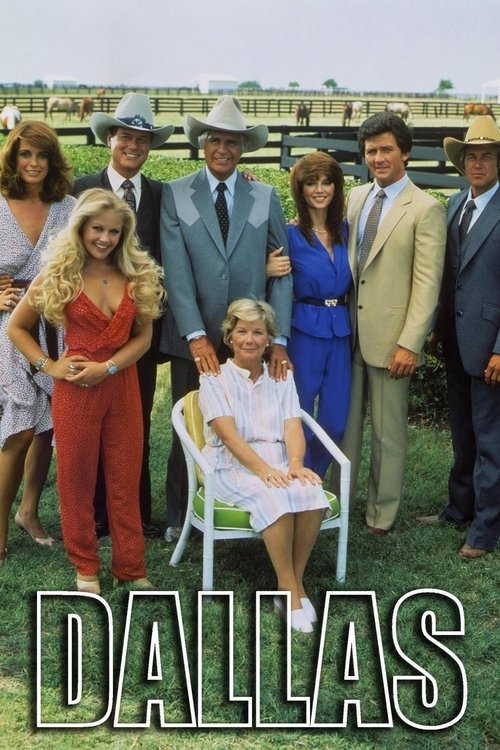
5. Dallas
Who shot J.R.? That's what everyone talked about, and that's the power of *Dallas*. It wasn't just a weekly story; it was a saga. They stretched out plots for seasons, leaving you hanging for months between cliffhangers. This was television's big step into long-form storytelling, proving audiences would commit to complex family dramas. And it practically invented the prime-time soap opera. A real game-changer for serialized drama.

6. All in the Family
Archie Bunker, what a character. He said what a lot of people were thinking, but nobody dared say on TV. This wasn't just laughs; it was a mirror held up to American society, tackling race, politics, and family squabbles head-on. The arguments around that dinner table felt so real, almost like a stage play in your living room. It showed that a sitcom could be funny *and* make you think, pushing boundaries like never before.
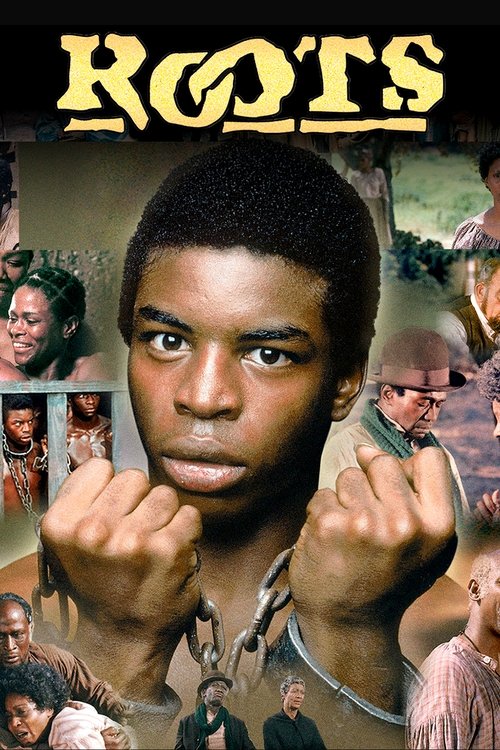
7. Roots
When *Roots* aired, it wasn't just a show; it was an event. People stopped what they were doing, gathered around the set, and watched history unfold. A powerful, emotional journey told over multiple nights, something really new for the medium. It demonstrated the impact a limited series could have, drawing massive audiences into a compelling, important story. Television had never quite tackled history with such scope and raw emotion before.