
1. The Fugitive
Ah, "The Fugitive." Now that was television! Kimble, always on the run, week after week, searching for that one-armed man. You felt the desperation, the black-and-white starkness of it all. It wasn't just a chase; it was a deep, serialized drama that kept you glued. Every town, a new face, a new danger. This show practically invented the long-form chase narrative for the small screen. And the finale? Everyone was talking about it.
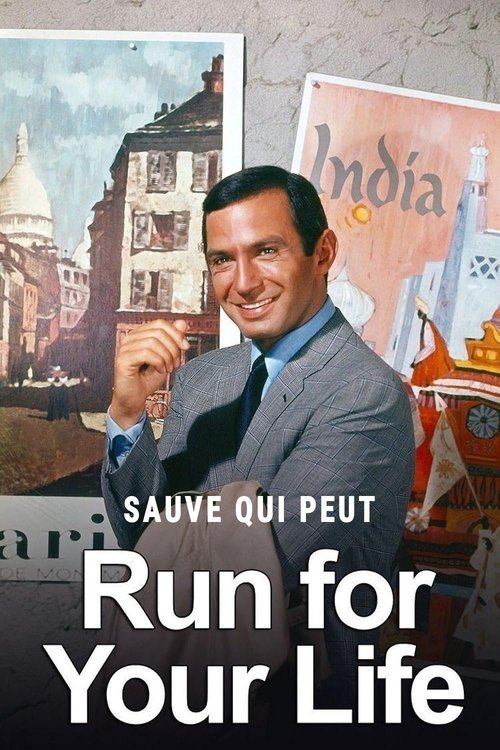
2. Run for Your Life
Ben Gazzara as Paul Bryan, a man given a year or two to live. So, he decides to just *live*. Each week, a new adventure, a new romance, a new place. It felt like a travelogue sometimes, but always with that undercurrent of melancholy. You knew his clock was ticking, which gave every encounter a bittersweet edge. Not quite an anthology, but a serialized journey with a constant, compelling character at its heart. A real "what if" scenario played out beautifully.
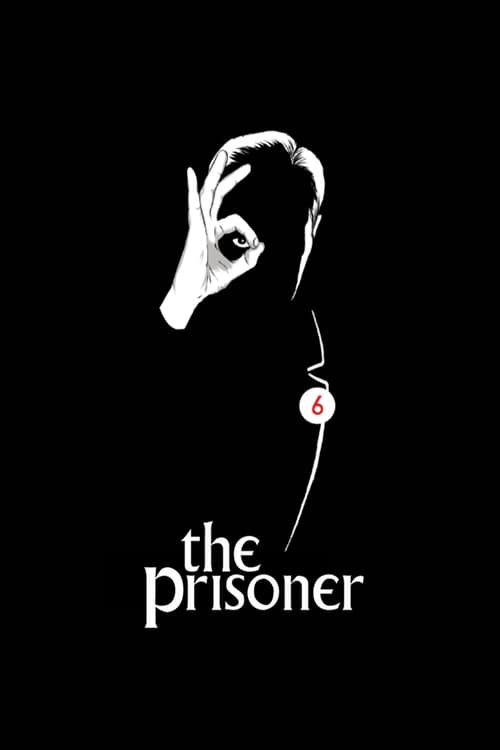
3. The Prisoner
"The Prisoner." Now that was something else entirely. Patrick McGoohan's Number Six, trapped in that bizarre village, always trying to escape. A true mind-bender, unlike anything before or since. The Rover, the constant surveillance, the sheer strangeness of it all—it stuck with you. It questioned authority and identity in a way television rarely dared. You didn't always understand it, but you couldn't stop watching. A truly experimental piece of broadcasting.
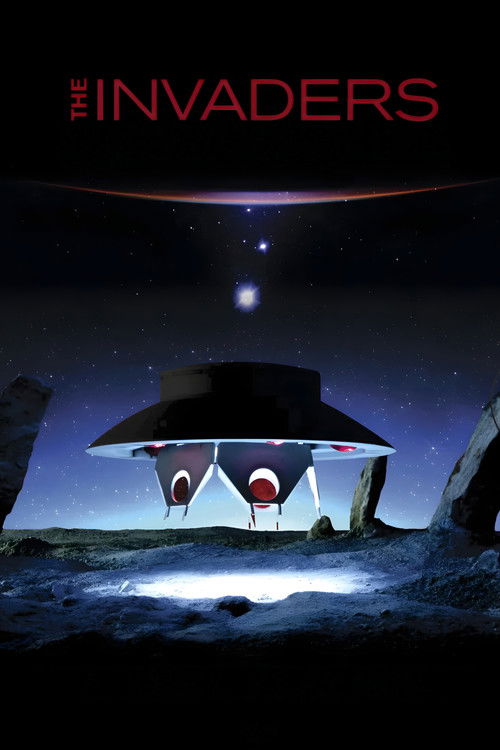
4. The Invaders
Roy Thinnes as David Vincent, the architect who saw flying saucers and then realized aliens were already walking among us. Nobody believed him, of course. It was "The Fugitive" with a cosmic twist, pure paranoia fuel for a generation. Those aliens, unable to bend their pinky fingers – a brilliant, subtle touch. The black-and-white print from the earlier seasons really amplified the desperate, isolated feel of his quest. He was always running, always trying to warn people.
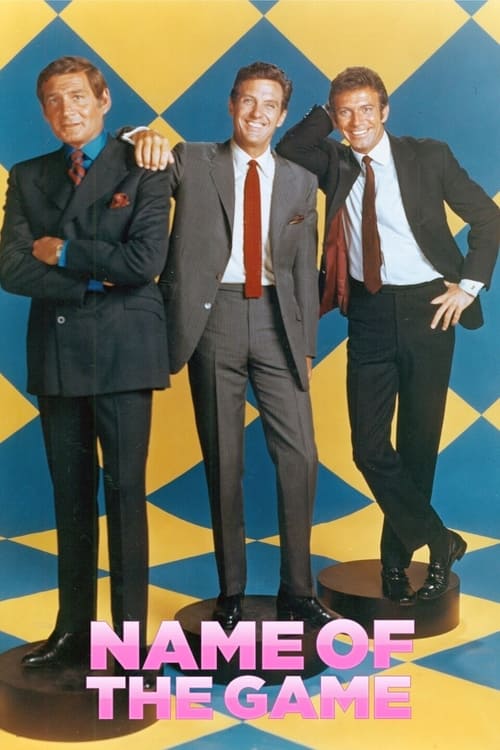
5. The Name of the Game
"The Name of the Game" was a big deal for its time. Ninety minutes, rotating lead stars—Tony Franciosa, Gene Barry, Robert Stack—each heading a different section of a major magazine. It was ambitious, a real precursor to the longer-form dramas we'd see later. You got a taste of the publishing world, but really, it was about these strong characters tackling big issues. A lot of star power, and it truly felt like an event every week.
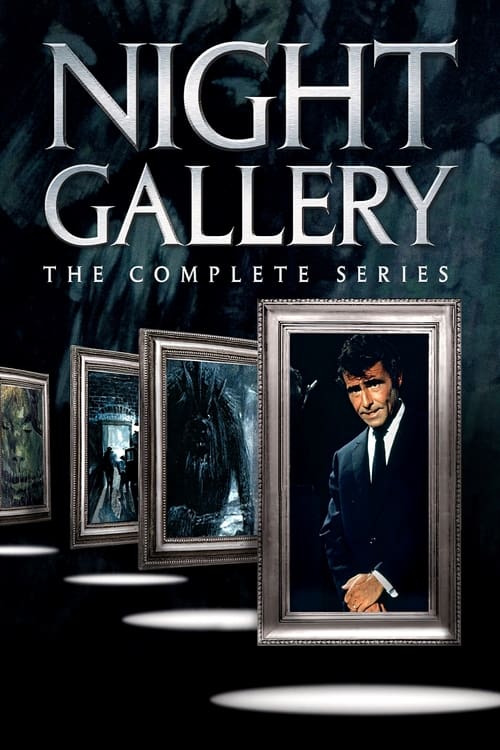
6. Night Gallery
Rod Serling, after "The Twilight Zone," brought us "Night Gallery." Each week, a new painting, a new story, often with a supernatural or macabre twist. It was darker, more purely horror than his previous work, and in color, too, which made those spooky paintings pop. Serling himself introducing each tale, a master storyteller setting the mood. Some were chilling, some were just plain weird. A proper anthology, where the unexpected was the only thing you could count on.
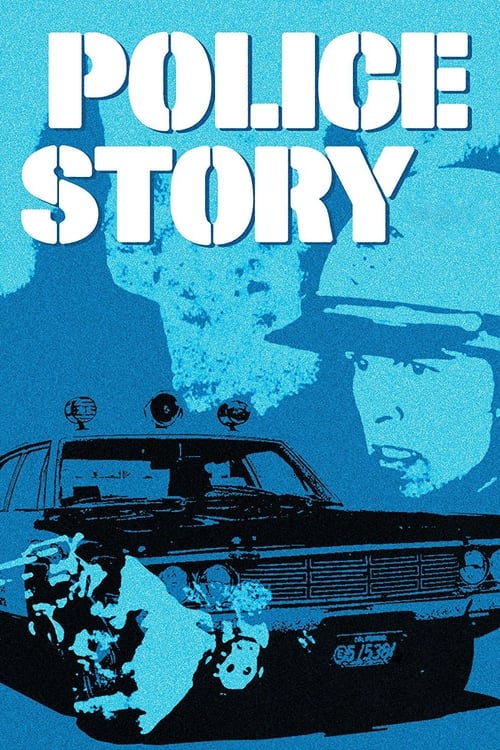
7. Police Story
Now "Police Story," that was a game-changer. It wasn't your typical cops-and-robbers show. This was gritty, real, showing the actual lives and struggles of police officers. Each episode felt like a mini-movie, often with different stars, focusing on the day-to-day grind and moral dilemmas. It went beyond the car chases and showed the human cost. This was how you did a police procedural, with depth and genuine storytelling, not just bang-bang.