

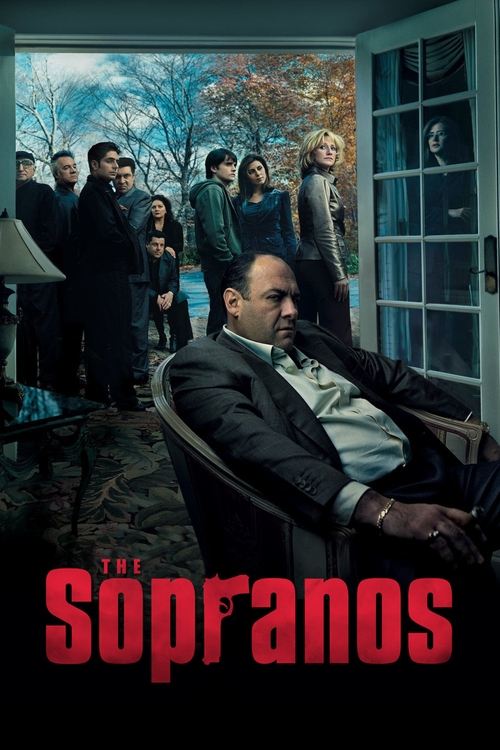
1. The Sopranos
Before Tony, TV anti-heroes were a different breed. This show proved cable wasn't just for movies and boxing. It dug deep into a mob boss's psyche, blurring the lines between good and evil, family and crime. The writing was sharp, the performances raw, and it felt like a novel playing out on screen. It basically told broadcast TV to go home, setting the stage for prestige drama.
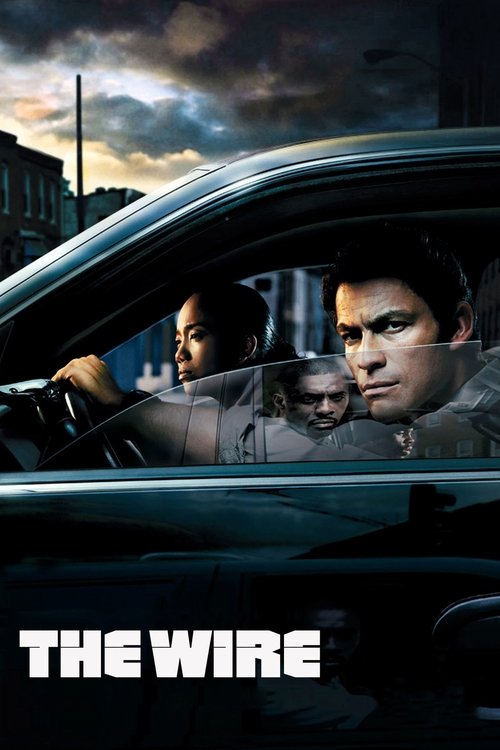
2. The Wire
Forget procedural, this was an entire system laid bare. Each season dissected a different institution, from drug corners to the school system, with an ensemble cast that felt like real people. It demanded attention, rewarding viewers who stuck with its complex narrative web. No easy answers, just brutal, compelling reality. It was more than TV; it was an education in serialized, character-driven storytelling.
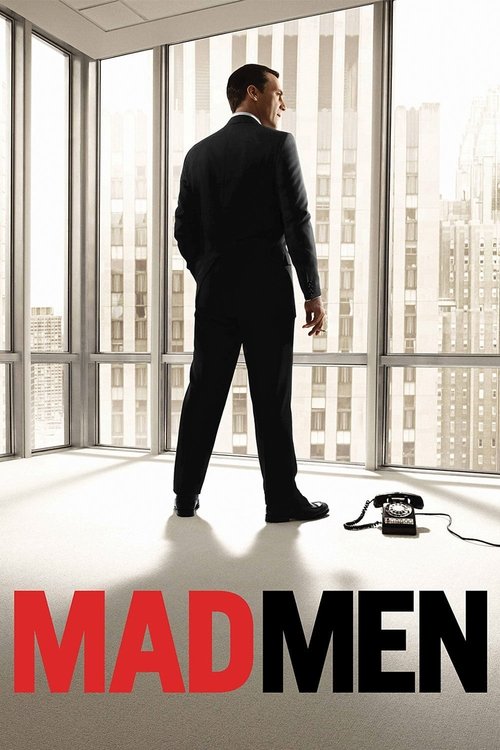
3. Mad Men
Stepping into 1960s Madison Avenue, *Mad Men* wasn't about plot twists as much as it was about the slow burn of character. Don Draper, enigmatic and flawed, anchored a show that looked stunning and felt incredibly smart. It explored identity, ambition, and the changing American landscape with a quiet confidence that cable could afford. Pure class, start to finish, with cinematic scope.
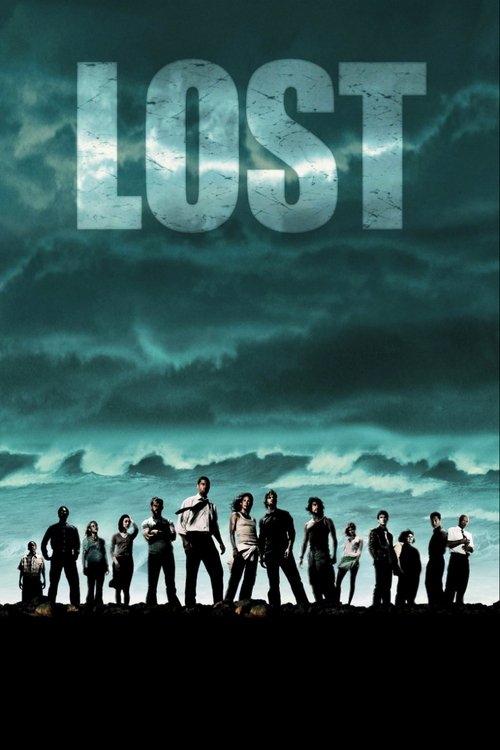
4. Lost
Remember when everyone was talking about the hatch? *Lost* grabbed us by the collar with its blend of mystery, sci-fi, and compelling character drama. It practically invented the watercooler conversation for the internet age, inspiring endless theories and re-watches. The serialized format hooked you, proving that TV could be as intricate and addictive as any blockbuster, perfect for early on-demand.
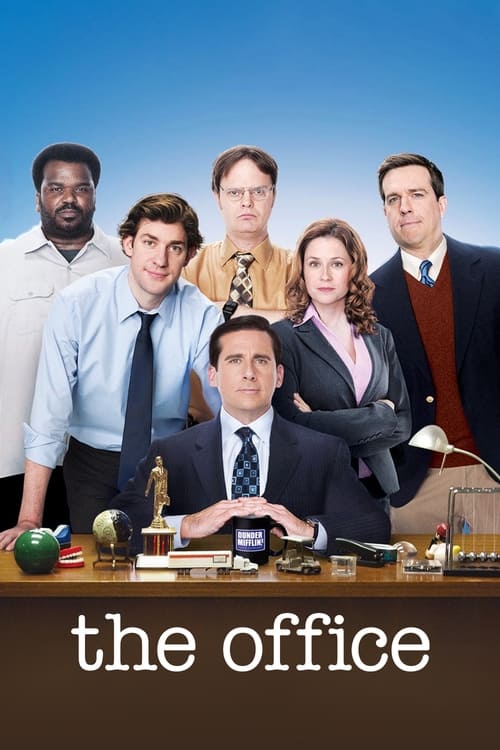
5. The Office
The American *Office* took the mockumentary format and made it its own. It found humor in the mundane, turning a paper company into a stage for awkward brilliance and genuine heart. The subtle glances at the camera, the cringe-worthy boss, the blossoming romances – it felt real, messy, and totally relatable. It showed how much you could do with a simple camera crew and a good ensemble.
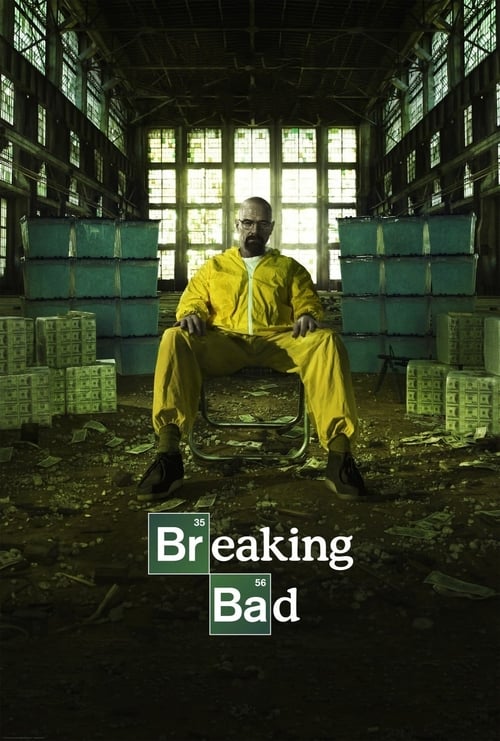
6. Breaking Bad
Walter White's transformation from mild-mannered teacher to drug kingpin was a masterclass in serialized character development. *Breaking Bad* pushed boundaries, showing the dark consequences of ambition with a cinematic flair usually reserved for movies. Every episode felt meticulously crafted, ratcheting up the tension until you couldn't look away. It was an intense, morally ambiguous ride, showcasing cable's risk-taking.
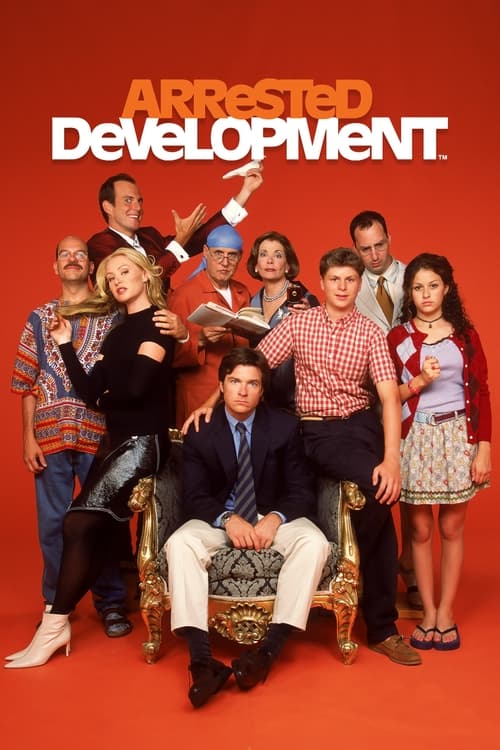
7. Arrested Development
Before Netflix saved it, *Arrested Development* was a cult classic, pioneering the dense, callback-heavy comedy style. Its mockumentary format and rapid-fire jokes rewarded repeat viewings, a perfect fit for the nascent on-demand era. The Bluth family’s dysfunctional antics were brilliantly written and performed, a true comedic ensemble that still holds up, proving TV could be smart and endlessly rewatchable.