1. Spiderland
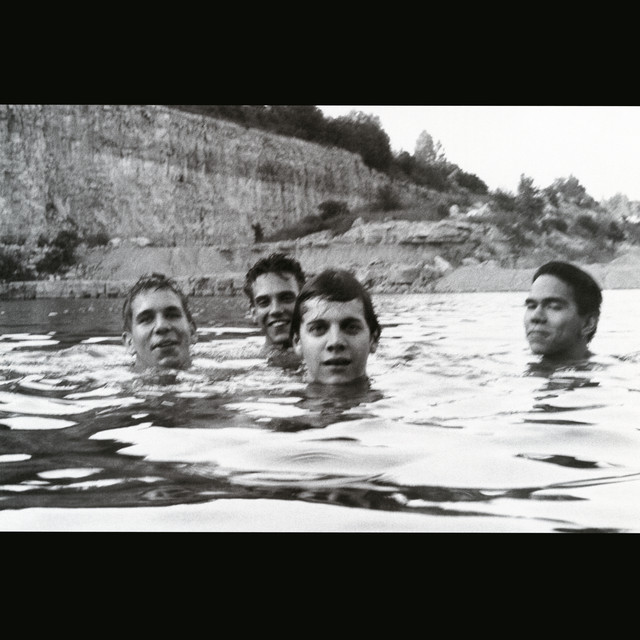
Slint's 1991 record, *Spiderland*, wasn't just an album; it was a blueprint. It carved out the post-rock landscape with its taut, angular guitar work and whispered, unsettling narratives. The quiet-loud dynamics here felt less like grunge theatrics and more like genuine existential dread, meticulously constructed. It’s still a masterclass in tension and release, a stark, almost academic exercise in how little you need to create something profoundly heavy. This one still unravels me.
2. Tri Repetae
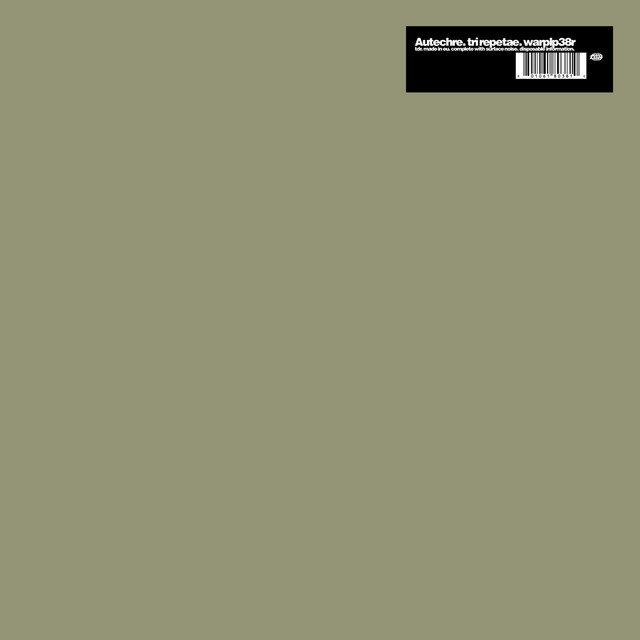
Autechre's 1995 *Tri Repetae* landed like a transmission from another dimension. This wasn't ambient for background relaxation; it was a cerebral assault, a masterclass in IDM that demanded active listening. Its intricate, often brutalist rhythms and glacial pads felt utterly alien, yet weirdly organic. It pushed the boundaries of what electronic music could be, moving beyond dancefloor imperatives into pure, abstract sonic architecture. Still sounds like the future eating itself.
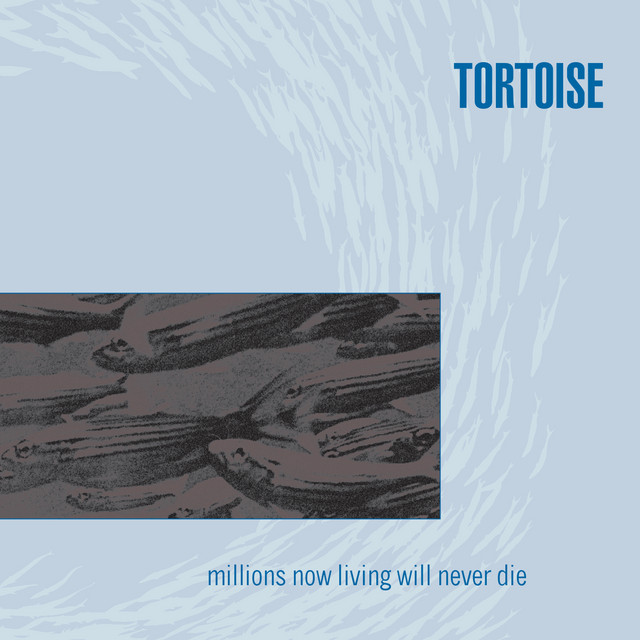
3. Millions Now Living Will Never Die
Tortoise’s 1996 opus, *Millions Now Living Will Never Die*, felt like the sophisticated, urban cousin to *Spiderland*'s wilderness. It fused krautrock's motorik pulse with jazz's improvisational flair and subtle electronic textures, creating instrumental pieces that were both intricate and deeply groovy. This wasn't just background music; it was a living, breathing organism of interlocking rhythms and evolving melodies. It showed how instrumental music could be emotionally rich and intellectually stimulating without relying on a single vocal hook.
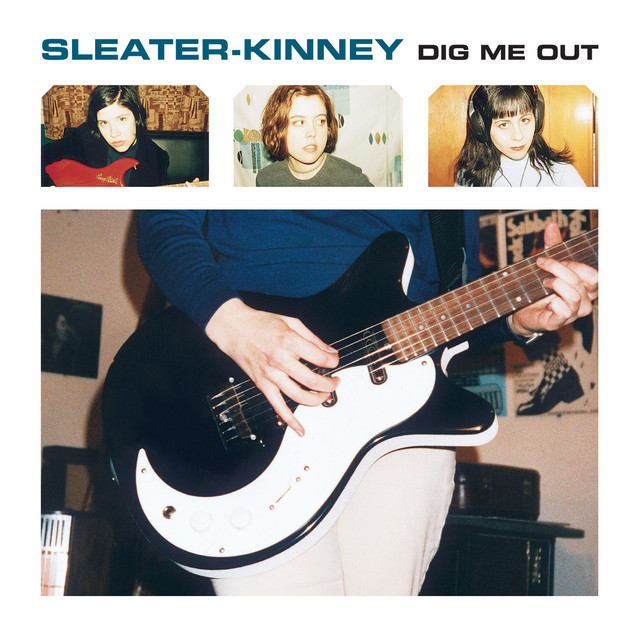
4. Dig Me Out (Remastered)
Sleater-Kinney's 1997 *Dig Me Out* was a sonic declaration, raw and unapologetic. Corin Tucker and Carrie Brownstein's guitars wrestled and intertwined, creating a furious, melodic din that felt both urgent and timeless. Janet Weiss’s drumming anchored the whole thing with a propulsive energy. This wasn't just riot grrrl; it was a sophisticated, emotionally charged indie rock statement that showcased their incredible chemistry and songwriting prowess. It still sounds like righteous fury and defiant joy.
5. Bricolage
Amon Tobin’s 1997 debut, *Bricolage*, was a revelation in sonic collage. He took jazz samples, warped breakbeats, and dark atmospheres, then stitched them together into something entirely new and darkly cinematic. It wasn't just trip-hop; it was a meticulously crafted, almost industrial take on the genre, full of unexpected twists and turns. The album felt like exploring a shadowy, futuristic cityscape, each track a scene from a film that only existed in his head. Still incredibly immersive.
6. The Three E.P.'s
The Beta Band’s 1994 compilation *The Three E.P.'s* was messy, brilliant, and utterly captivating. It was a glorious mishmash of folk, dub, hip-hop beats, and psychedelic rock, all filtered through a distinctly lo-fi, British indie lens. There was a playful experimentalism that felt incredibly fresh, unconcerned with genre boundaries. This record championed eccentricity and showed that sonic exploration could be deeply melodic and utterly charming. It still feels like a warm, strange hug.
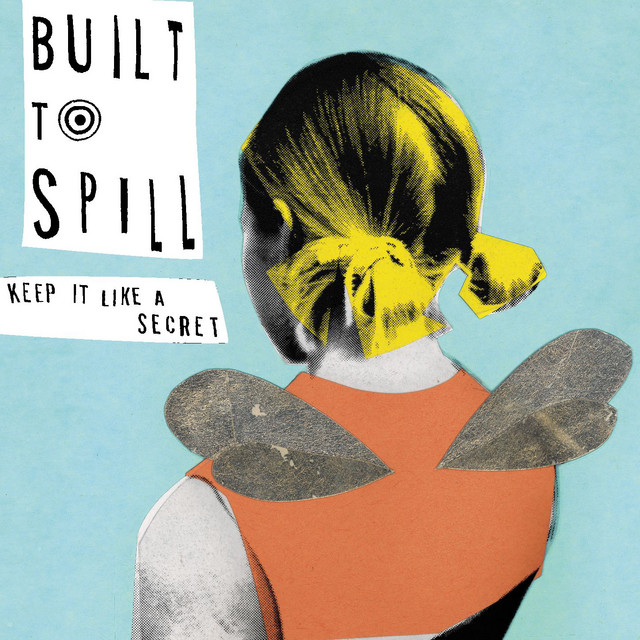
7. Keep It like a Secret
Built to Spill's 1999 record, *Keep It Like a Secret*, was peak Doug Martsch: intricate, soaring guitar solos that felt like conversations, wrapped around poignant, yearning melodies. It had a clean, expansive sound that let every note breathe, showcasing their incredible musicianship without sacrificing emotional impact. This was indie rock elevated to an almost symphonic scale, epic in scope yet intimately familiar. It still reminds me of long drives and profound, quiet contemplation.