1 / 7
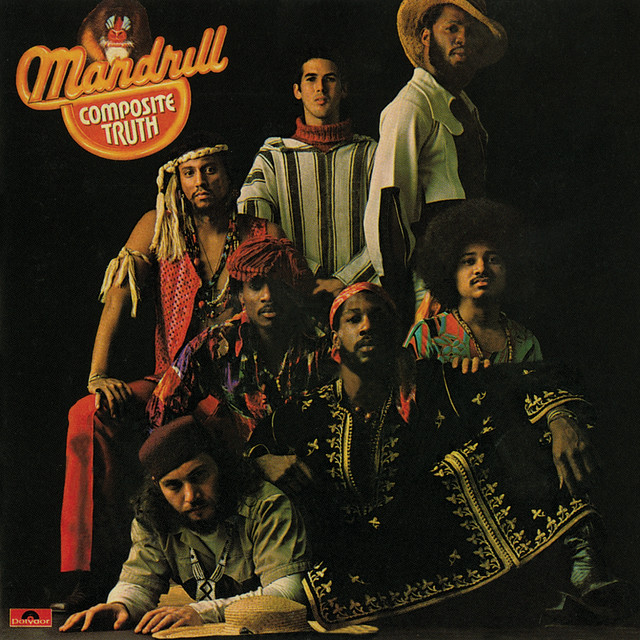
1. Composite Truth
James Chance's outfit always felt like a snarling, tailored suit ripped at the seams. This 1979 recording captures that volatile collision of angular, free-jazz saxophone bleats, hyperactive funk rhythms, and a punk rock sneer. The analog studio’s raw immediacy allowed those sharp, percussive guitars and the taut, almost industrial basslines to cut through the mix, creating a truly abrasive yet undeniably danceable post-disco statement. It’s a beautifully uncomfortable listen.
2 / 7
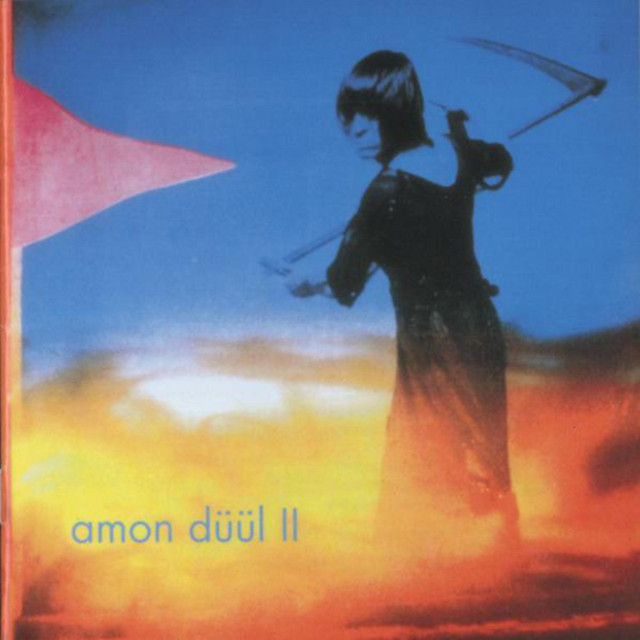
2. Yeti
Listening to Amon Düül II's 1970 epic is like observing a primordial soup of sound, bubbling with cosmic intent. The sprawling, dual-drummer improvisations and hypnotic, fuzzed-out guitars stretched the boundaries of what rock could be. Its pre-digital capture perfectly renders the organic chaos, the tape hiss almost another instrument. Every reverberating cymbal and whispered vocal feels entirely unbound, a true, unedited journey into the mind's furthest reaches.
3 / 7
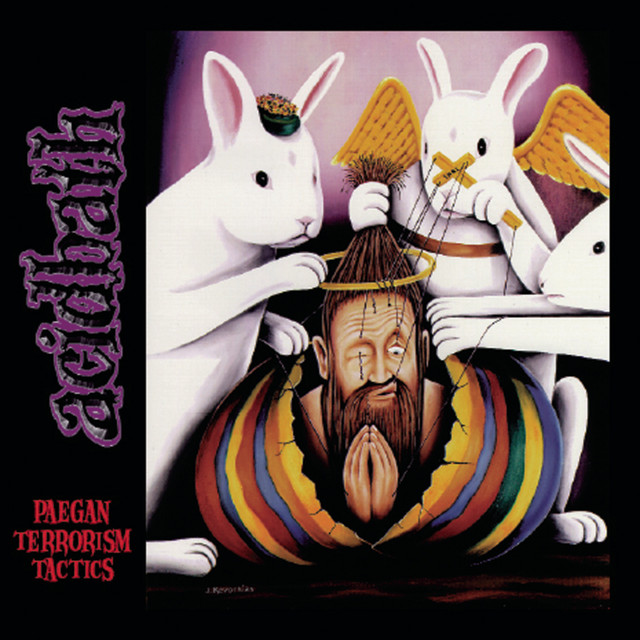
3. Paegan Terrorism Tactics
Alright, I’ll admit this one technically falls outside my prime listening era, emerging as it did from the late 90s. Yet, its raw, almost primitive production ethic and unrelenting aggression hearken back to the early thrash and black metal demos I followed in the mid-80s. The dense, suffocating sound, achieved without digital polish, possesses an authentic, chilling intensity. It’s an extreme metal offshoot that, despite its later vintage, feels profoundly rooted in an analog spirit.
4 / 7
4. Amnesia
This 1987 French offering is pure, sophisticated synth-pop alchemy. Catherine Ringer's commanding vocals intertwine with Fred Chichin’s art-rock guitar flourishes and impeccably programmed drum machines. The analog synthesizers hum with an undeniable warmth, expertly mixed to create a sound that’s both quirky and commercially potent. It’s a masterclass in pre-digital pop production, showing how sonic texture and melodic invention could elevate the mainstream.
5 / 7
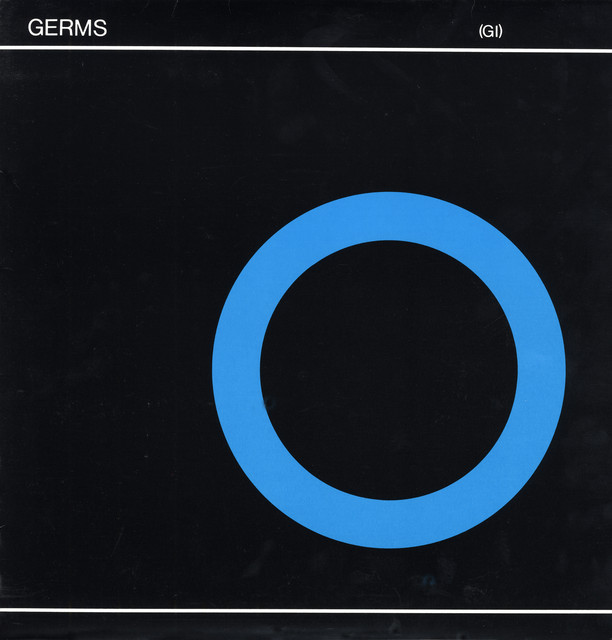
5. GI
The Germs' 1979 debut stands as a monument to raw, unadulterated punk rock aggression. Darby Crash's slurred, confrontational vocals and Pat Smear’s blistering guitar riffs are barely contained by the rudimentary analog recording. It’s a visceral, chaotic blast, clocking in at just under twenty minutes, yet leaving an indelible mark. This album didn't just capture a moment; it violently defined the sound of early American hardcore. Uncompromising, essential.
6 / 7
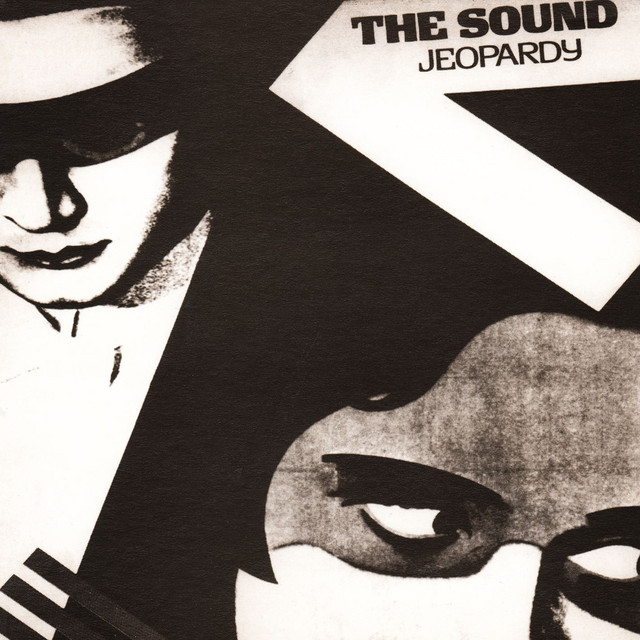
6. Jeopardy
The Sound's 1980 debut is a lesson in post-punk tension and understated power. Adrian Borland’s urgent vocals and atmospheric guitar work craft a melancholic, yet driving soundscape. The analog production allows each instrument to breathe, highlighting the taut rhythm section and the subtle layers of sound without ever becoming overbearing. It’s a masterclass in creating emotional depth and dynamic range with limited means, a truly compelling, often overlooked gem.
7 / 7
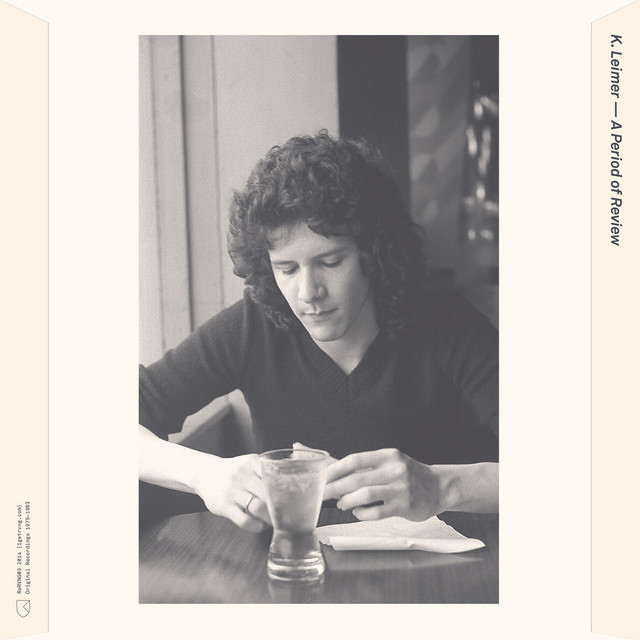
7. A Period of Review (Original Recordings: 1975 - 1983)
This collection of Branca’s early works, spanning 1975 to 1983, documents a truly revolutionary approach to guitar composition. His pioneering use of multiple, often detuned, guitars created dense, harmonic fields that bordered on industrial drone. The raw analog recordings perfectly capture the physical resonance and almost overwhelming sonic force. It's an intellectual and visceral journey, exploring sound as pure, architectural mass, utterly devoid of digital artifice.