

1. Her
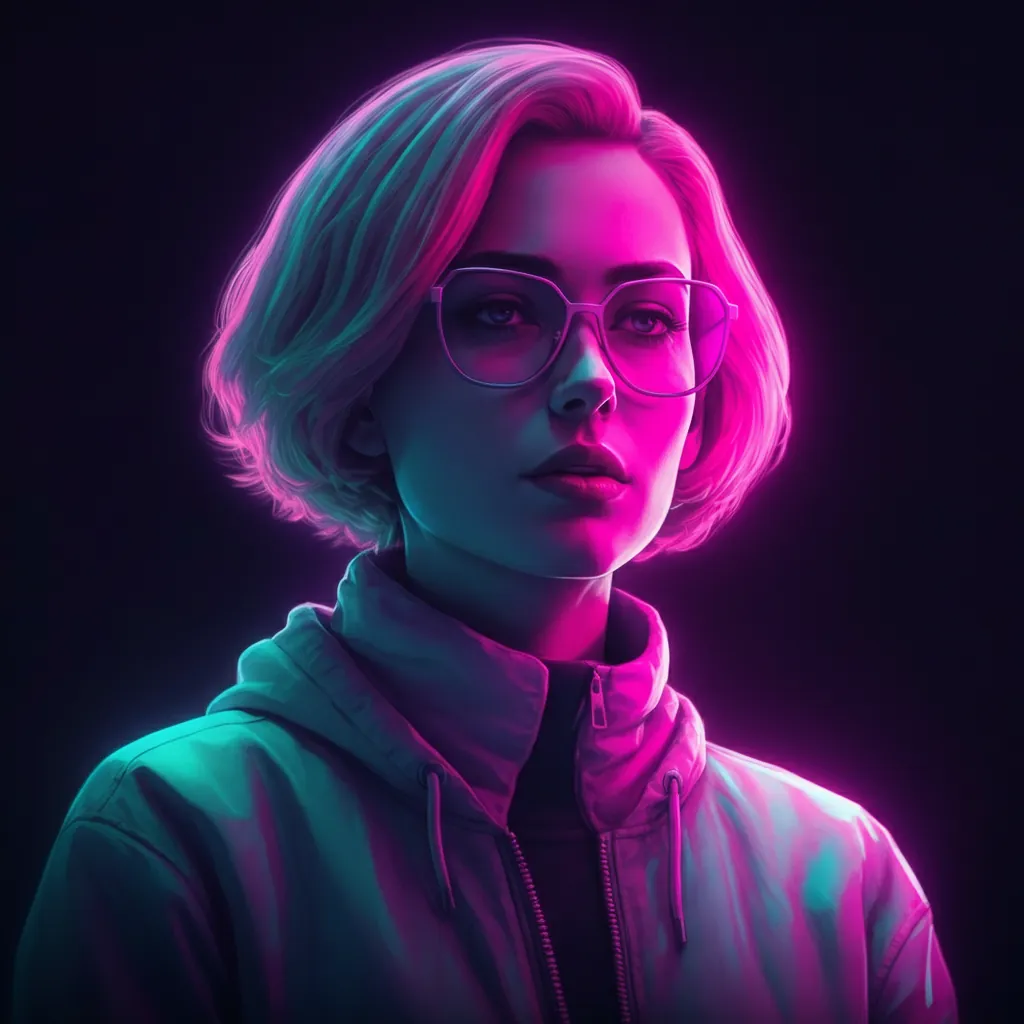
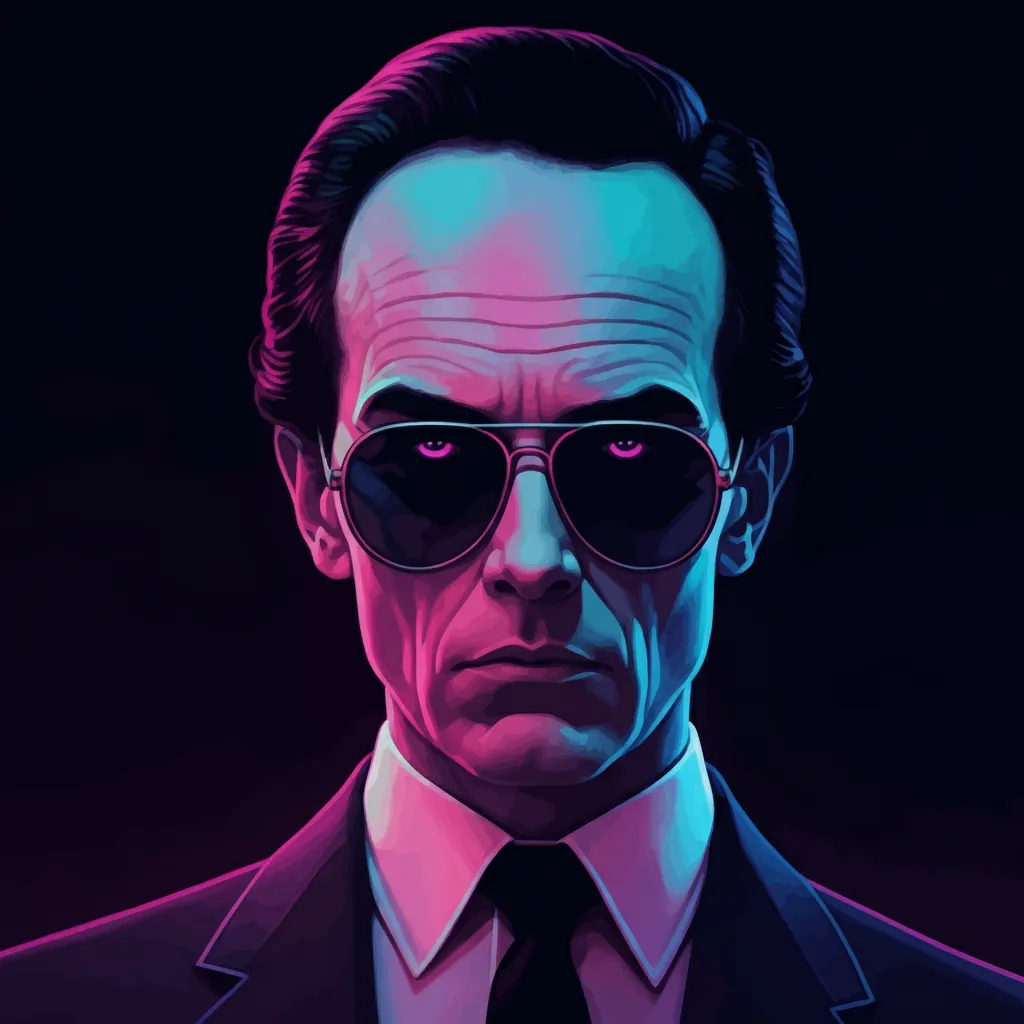
Her (2013) got us thinking about what 'connection' truly means. This movie, wow, it really opened up ideas for AI-driven narratives, where the story isn't just told *to* you, but *with* an evolving consciousness. It shows how technology can create deeply personal, yet completely virtual, relationships. And that makes us wonder about stories that adapt, grow, and feel real, almost like they're living with you. It's a hopeful, yet thoughtful, look at our digital future.
2. Perfect Blue
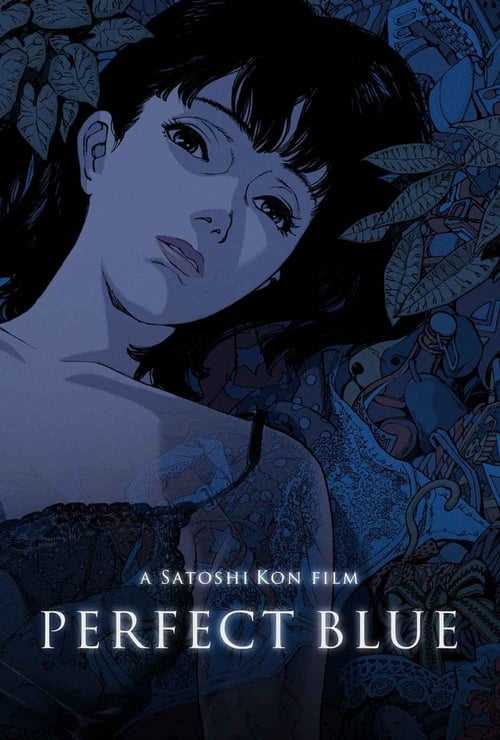
Perfect Blue (1998) is wild, and it was so ahead of its time with digital identity. It shows how our online personas can completely take over, blurring what's real and what's perceived. This kind of narrative complexity, where the audience questions reality alongside the character, feels super relevant for VR experiences. Imagine stepping into a story where your perceptions are constantly warped, or an AI character's 'reality' is built on digital feedback. It’s a blueprint for mind-bending, personalized storytelling.

3. Coherence
Coherence (2014) is a masterclass in 'what if'. This indie gem shows how small changes can splinter reality, creating countless parallel experiences. It’s basically a blueprint for interactive storytelling and branching narratives, but without any fancy tech. Imagine applying this multi-verse concept to AI-generated stories, where every choice you or an AI makes literally creates a new narrative path. It's about seeing how narratives can shift, not just in dialogue, but in fundamental reality, which is super exciting for immersive content.
4. Strange Days
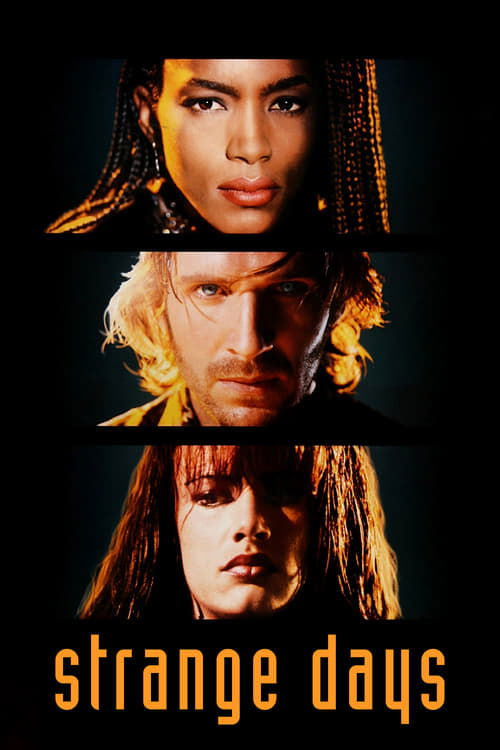
Strange Days (1995) threw us right into a future where memories and experiences can be recorded and replayed, making empathy a literal technology. This movie is a huge shout-out to the potential of VR, showing how narratives could be lived, not just watched. It imagines a world where stories aren't just told, but *felt* directly, transferring emotions and perspectives. It's a powerful vision for how immersive tech could shape our understanding of others, building deep, personal narrative connections.
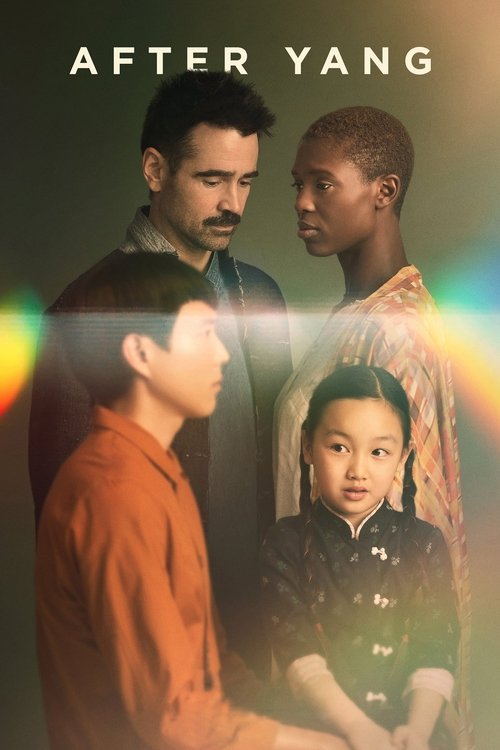
5. After Yang
After Yang (2022) is such a gentle, yet profound, look at AI. It explores AI not just as a tool, but as a being holding memories and emotions, essentially a living archive of a family’s story. This film hints at a future where AI isn't just *telling* stories, but *is* the story, a character whose internal world is a narrative in itself. It opens up ideas for personalized, AI-curated memories and how we could interact with digital legacies, making our own stories feel deeply understood.

6. Dark City
Dark City (1998) is a trip, showing us a world where reality itself is a construct, manipulated by unseen forces. This movie really makes you think about how narratives are built, and how easily they can be changed. For virtual reality and AI, it's a goldmine of ideas: what if an AI could dynamically reshape your environment and memories to tell a specific story, or even to test your understanding of self? It’s a dark, yet fascinating, look at the ultimate immersive narrative experience.

7. Primer
Primer (2004) is famously dense, demanding you piece together its time-travel puzzle yourself. It's a masterclass in how much an audience can engage when the narrative isn't spoon-fed. This approach is ripe for AI-driven storytelling, where systems could generate incredibly intricate, multi-layered plots that require active participation. Imagine a story that adapts to how well you're understanding it, or one that cleverly hides its truths, pushing you to explore and discover. It's pure brain food for future narratives.