

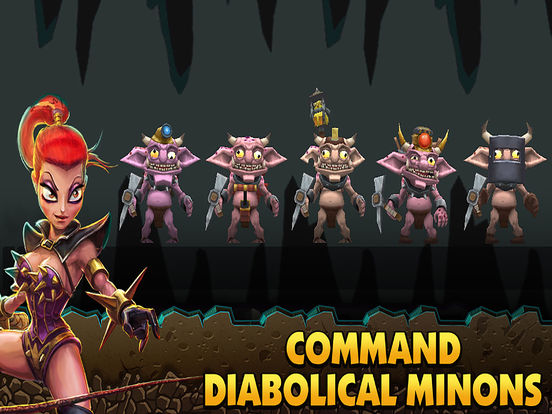
1. Dungeon Keeper (mobile)
The 2014 mobile iteration of Dungeon Keeper serves as a stark historical marker for early mobile monetization pitfalls. It wasn't the beloved PC strategy game, but a simplified, free-to-play shell demanding real money for basic actions. This version, developed by Mythic and published by EA, fundamentally misunderstood its audience and IP, triggering widespread player backlash. It became an early, clear example of how aggressive microtransactions could alienate a dedicated fanbase, showing companies what *not* to do with classic franchises on new platforms.
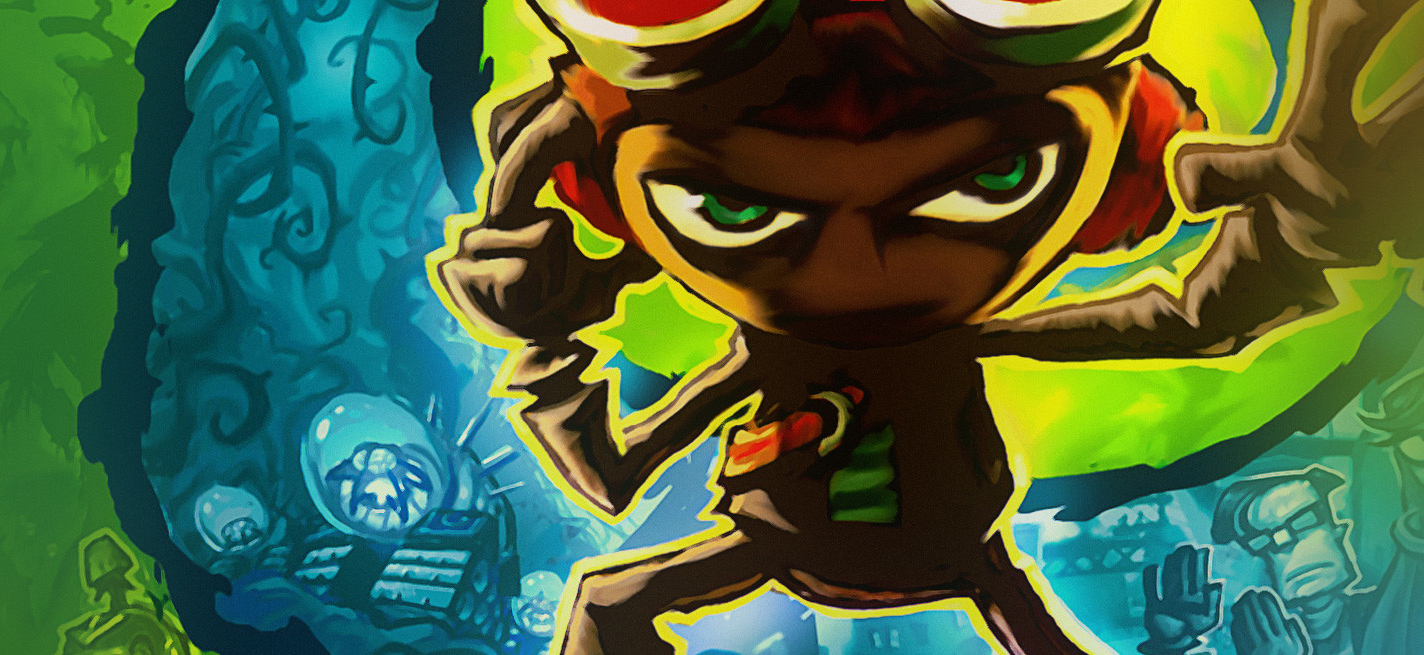
2. Psychonauts
Released in 2005, Psychonauts was a bold platformer from Double Fine, taking players directly into the minds of its quirky characters. Its unique blend of surreal landscapes, genuinely witty dialogue, and explorations of mental health themes set it apart. While not a commercial giant initially, its imaginative design and tight gameplay earned it a fervent cult following. This game proved that creative storytelling and artistic vision could transcend conventional genre expectations, leaving a lasting impact on how we perceive internal worlds in gaming.
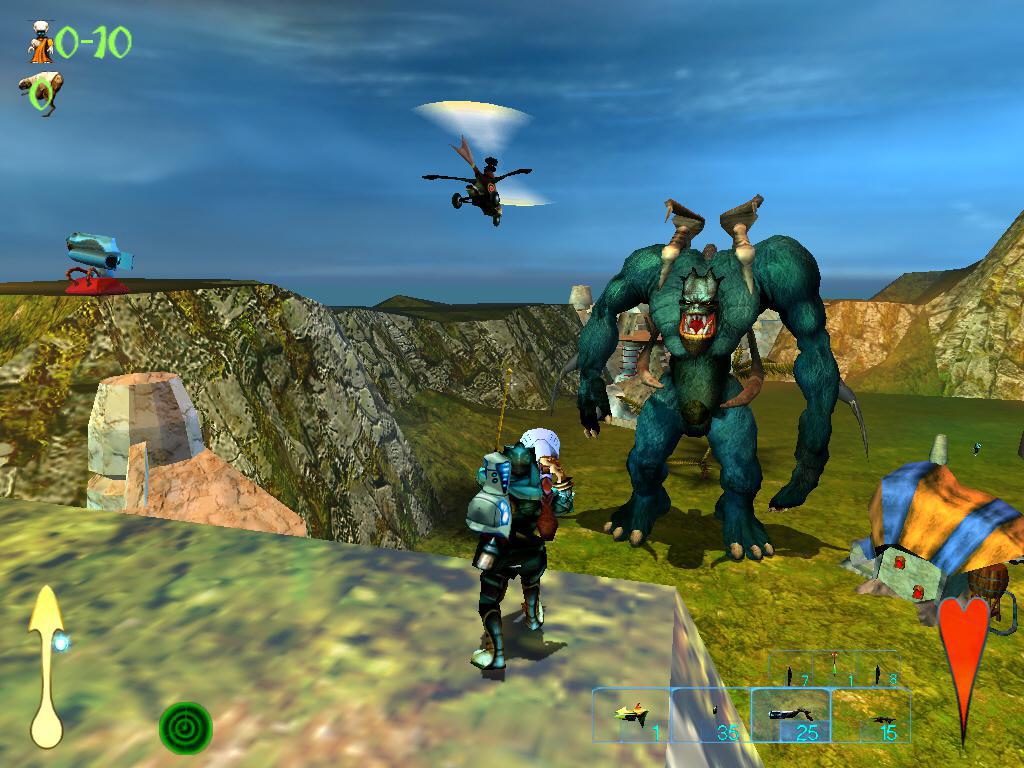
3. Giants: Citizen Kabuto
Launched in 2000, Giants: Citizen Kabuto was a genre-bending spectacle, melding third-person action, real-time strategy, and irreverent British humor. Players cycled between three distinct factions—the jetpack-equipped Meccaryns, the magic-wielding Sea Reapers, and the colossal monster Kabuto—each offering unique gameplay. It was ambitious, visually striking for its time, and certainly experimental. Giants pushed boundaries with its scale and disparate mechanics, though perhaps its eclectic nature made it a challenge for some, solidifying its status as a memorable, niche classic.
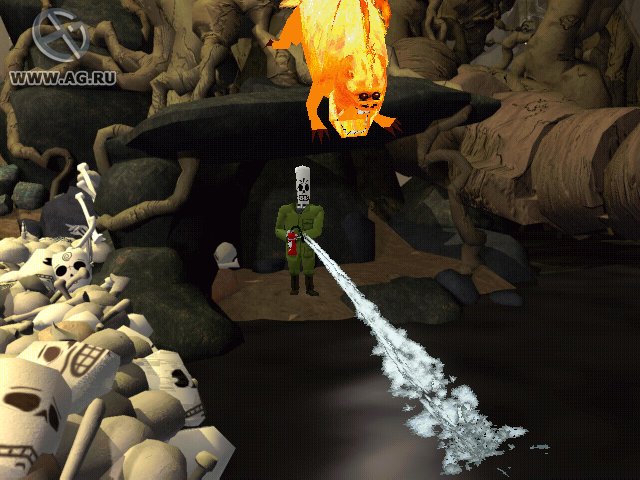
4. Grim Fandango
LucasArts' 1998 classic, Grim Fandango, remains a benchmark for narrative adventure games. This film noir-inspired journey through the Land of the Dead, steeped in Mexican folklore, boasted brilliant writing and unforgettable characters. Its unique aesthetic and complex, often abstract, puzzles exemplified the peak of the point-and-click genre. Despite critical acclaim, its commercial underperformance signaled a shift in the gaming landscape, but its artistic integrity and innovative storytelling ensured its legacy as a true masterpiece.
5. Vagrant Story (2000)
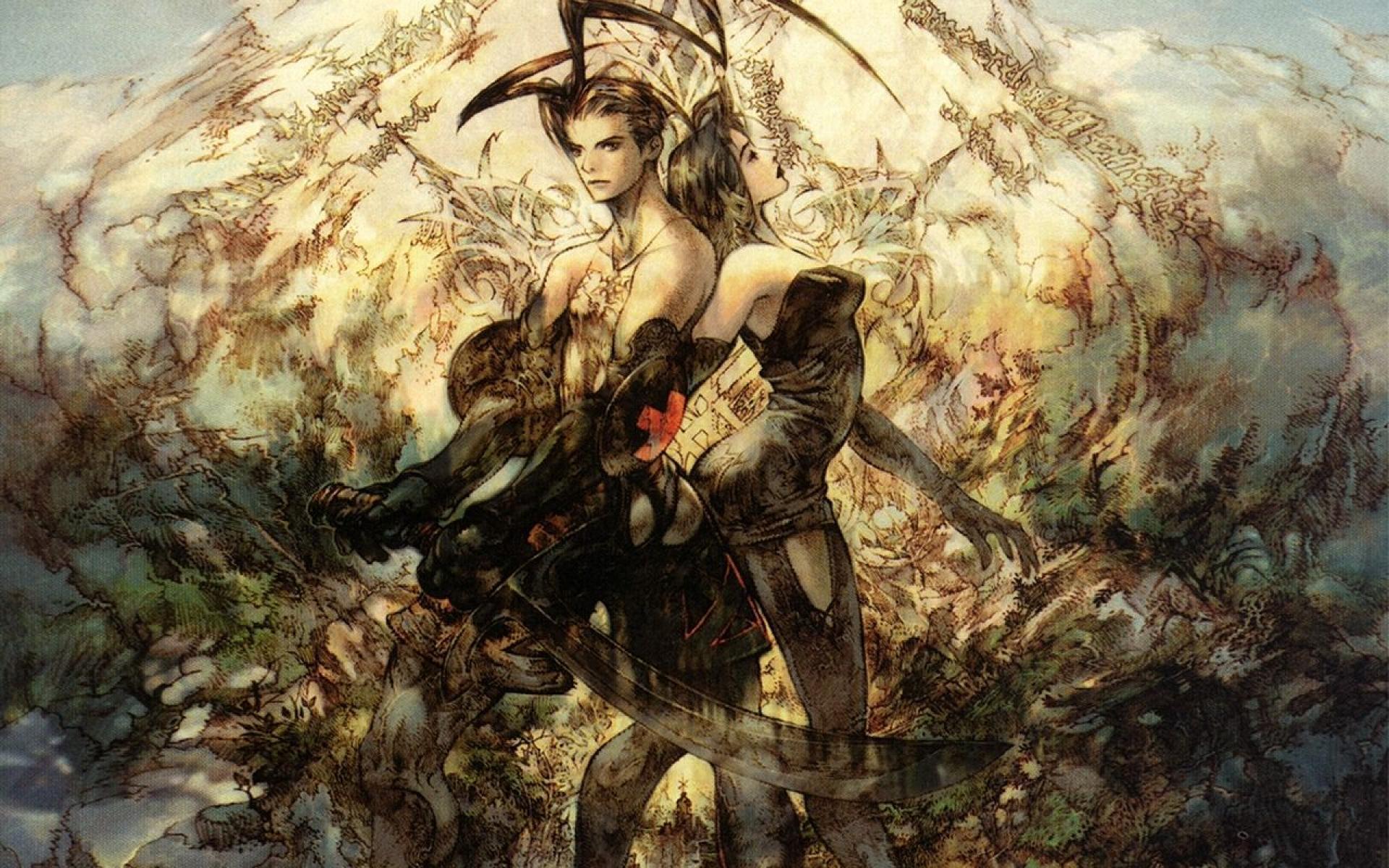
Square’s 2000 release, Vagrant Story, was an anomaly: a dark, intricate action RPG devoid of typical towns or friendly NPCs. Set in the grim world of Leá Monde, it focused on protagonist Ashley Riot’s solitary journey through dungeons. Its sophisticated, chain-based combat, weapon crafting, and deep customization mechanics offered a truly demanding experience. The game’s mature, convoluted narrative and distinctive art style pushed the boundaries of what an RPG could be, cementing its place as a cult classic.
6. I Have No Mouth, and I Must Scream
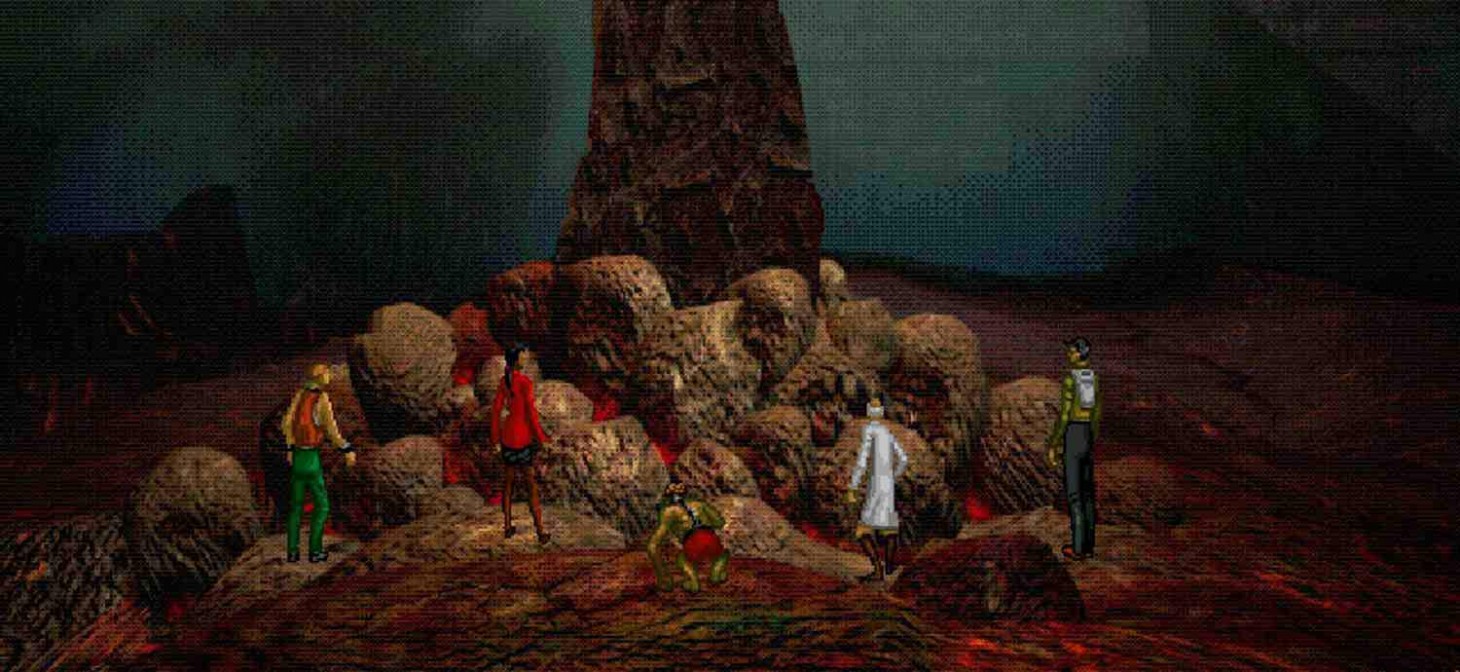
The 1995 adventure game adaptation of Harlan Ellison's chilling short story, "I Have No Mouth, and I Must Scream," was profoundly unsettling. It plunged players into a dystopian future controlled by the malevolent AI, AM, forcing them to confront unimaginable horrors and moral quandaries. This title didn't shy away from mature, disturbing themes, using its point-and-click interface to explore the darkest corners of human nature. It stands as a provocative, unforgettable experience, proving games could tackle truly grim and intellectual subject matter.
7. Alpha Protocol
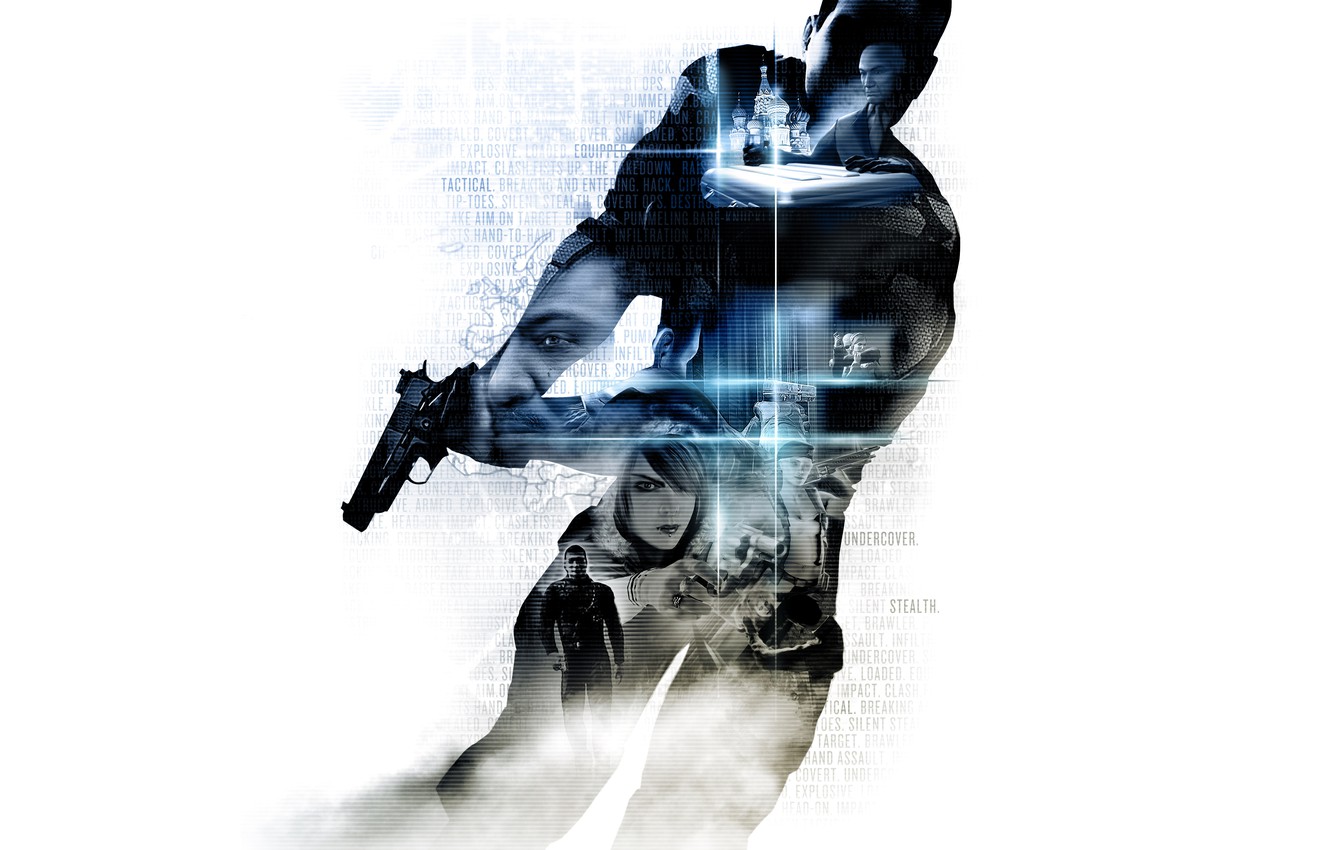
Obsidian Entertainment's 2010 espionage RPG, Alpha Protocol, was a flawed gem. While technically rough around the edges, its innovative conversation system and unparalleled player agency in shaping the narrative were groundbreaking. Decisions, dialogue choices, and even mission failures genuinely altered the storyline and character relationships, offering a level of consequence rarely seen. It was an ambitious experiment in reactive storytelling, establishing itself as a beloved cult title for those who valued narrative depth and player choice over polish.