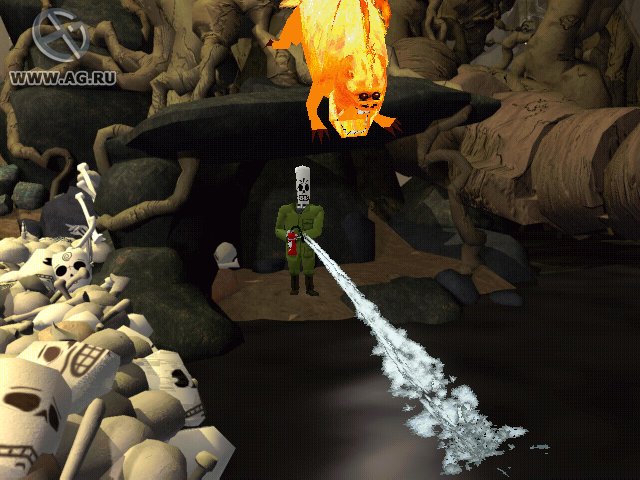
1. Grim Fandango
This LucasArts point-and-click adventure, released in 1998, was a critical darling but commercially lukewarm. Its unique blend of film noir and Mexican folklore, set in the Land of the Dead, crafted an unforgettable world and characters. While its puzzle design occasionally baffled players, its sharp writing, innovative art direction, and jazz-infused soundtrack solidified its place as a cult classic. The initial sales didn't reflect its artistic ambition, but its legacy grew significantly over time, becoming a touchstone for narrative-driven games.
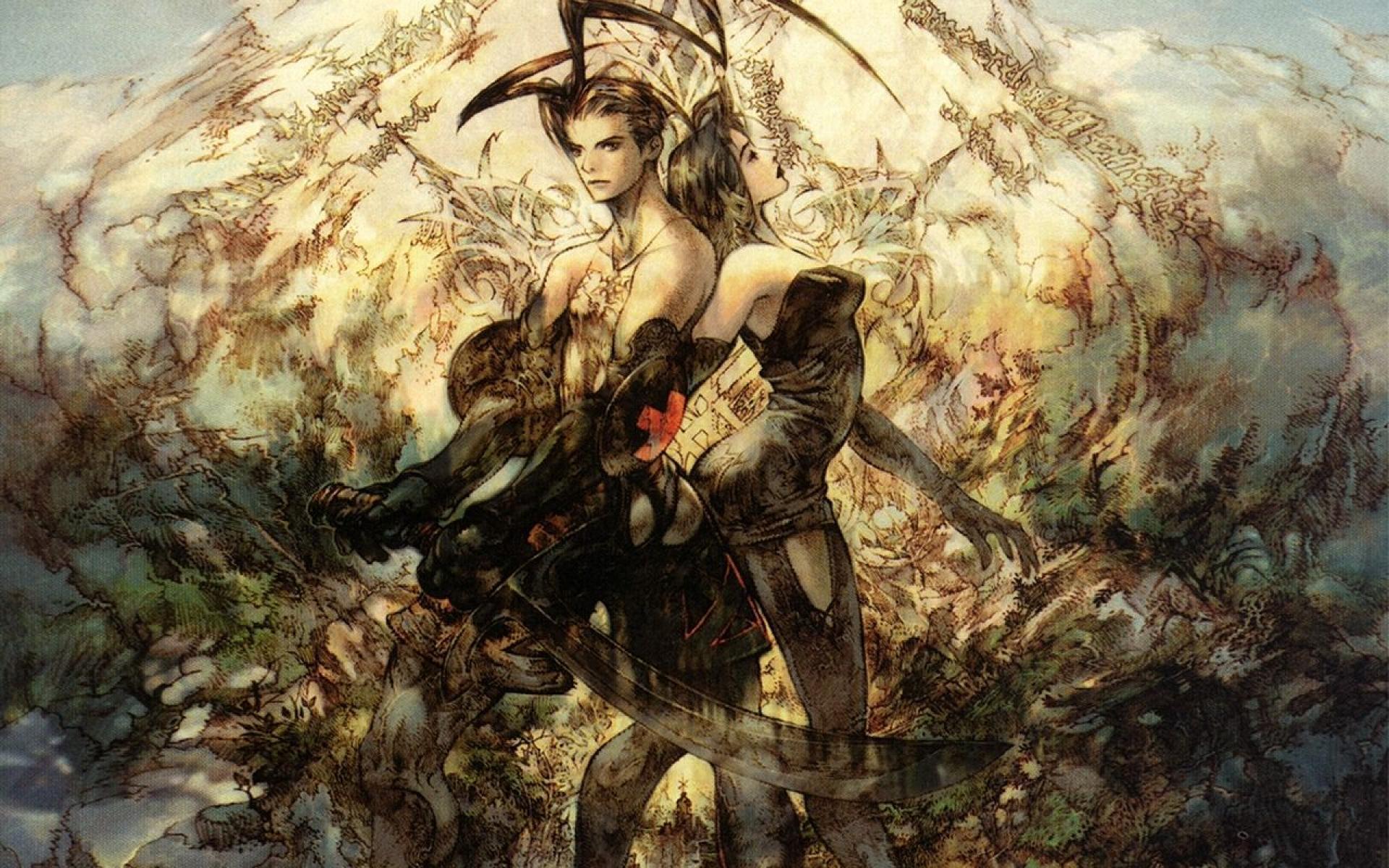
2. Vagrant Story (2000)
Square's PlayStation RPG, released in 2000, was a bold departure from their usual fare. It offered a complex, dark fantasy narrative and a unique, weapon-crafting combat system that demanded meticulous attention. Its mature tone, intricate level design, and deep customization were ahead of their time, but also contributed to its niche appeal. The game’s challenging mechanics and distinct visual style, bordering on a technical marvel for the PS1, ensured it gained a loyal following, even if it didn't achieve mainstream success.
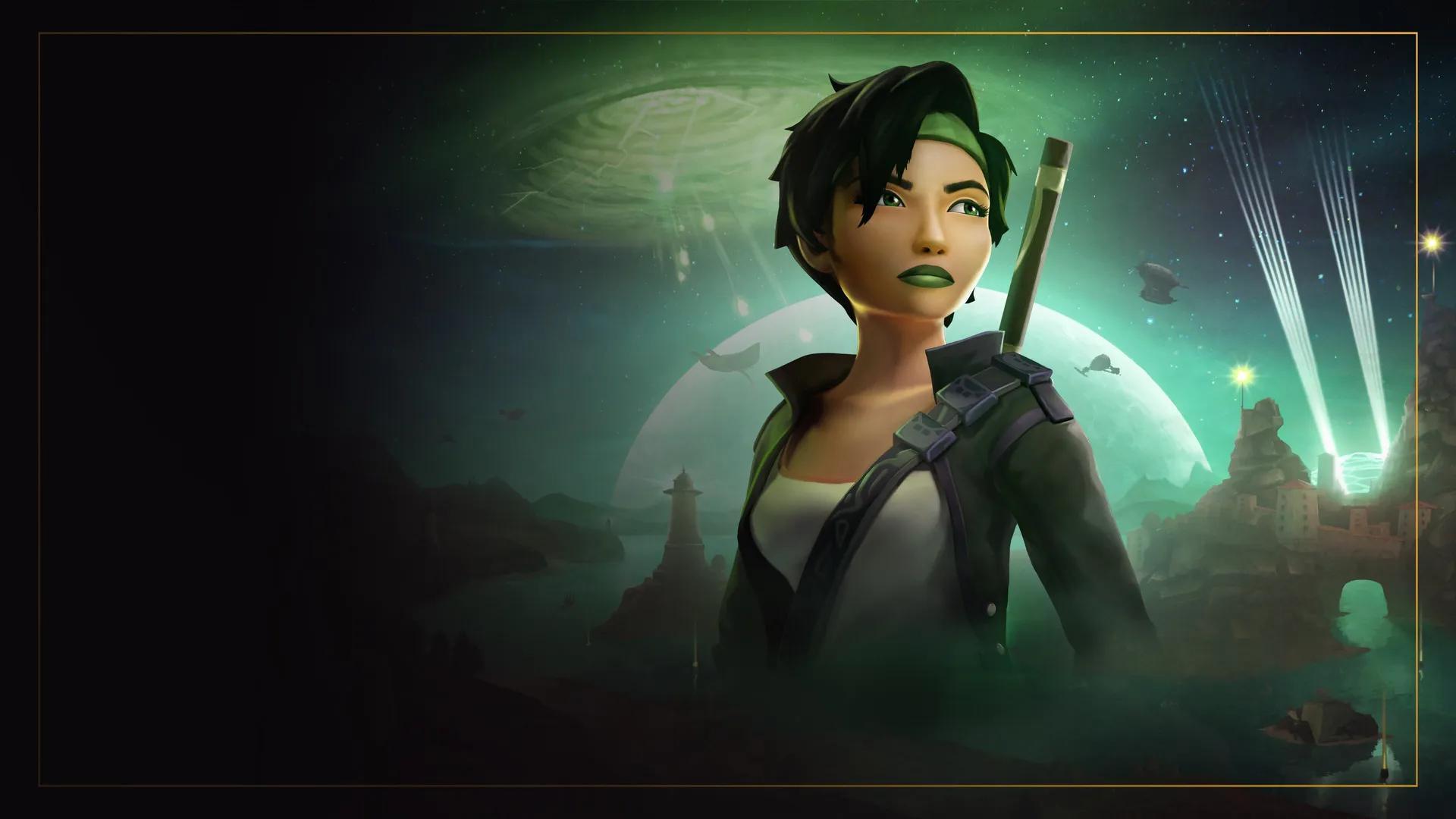
3. Beyond Good & Evil - 20th Anniversary Edition
The original *Beyond Good & Evil*, from 2003, was a gem that struggled to find its audience. This 20th Anniversary Edition, however, highlights precisely why it resonated with those who played it. Its blend of stealth, combat, photography, and a compelling narrative about media manipulation felt remarkably fresh. Jade’s journey, supported by a colorful cast and a charming world, proved that artistic vision could triumph over initial commercial underperformance, securing its enduring cult status.
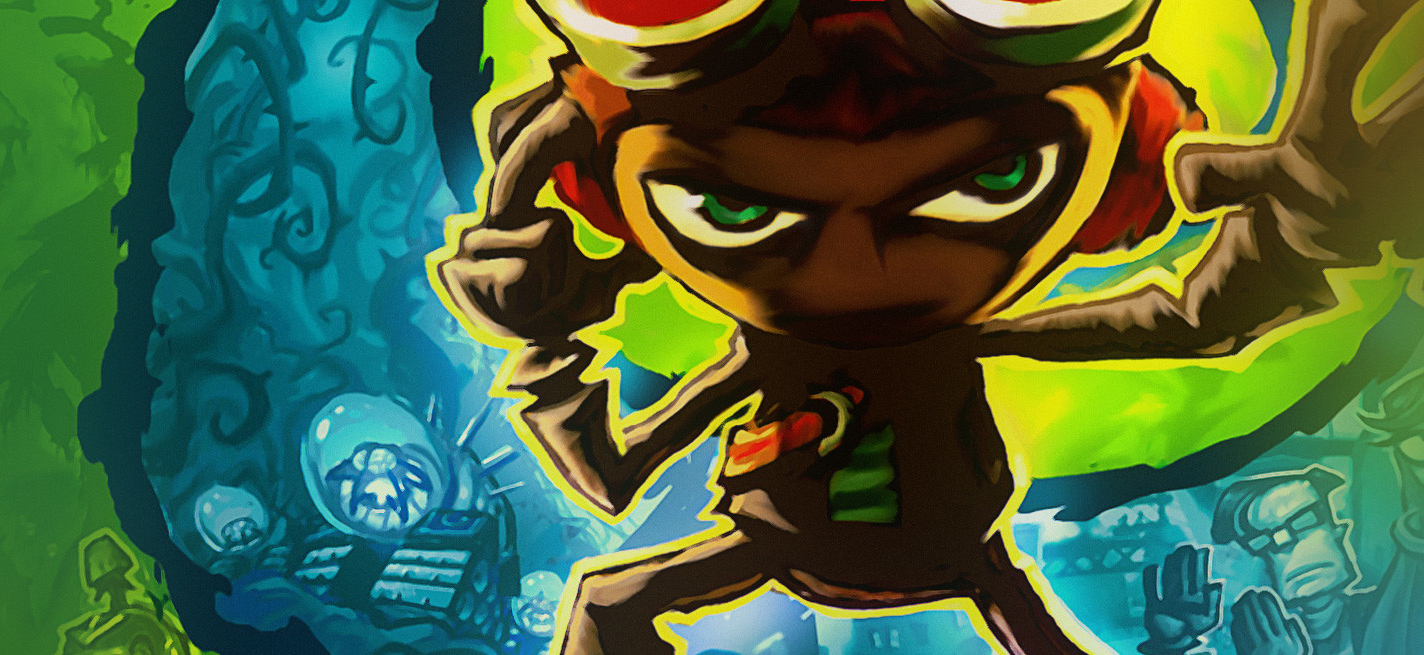
4. Psychonauts
Double Fine's 2005 platformer, *Psychonauts*, was a vibrant, imaginative trip into the minds of others. Despite critical acclaim for its ingenious level design, witty writing, and unique premise – exploring mental landscapes – it initially sold poorly. Its distinctive art style and often surreal environments, combined with a heartfelt story about empathy and mental health, slowly garnered a dedicated fanbase. The game's enduring appeal eventually led to a highly anticipated and equally lauded sequel, cementing its cult classic reputation.
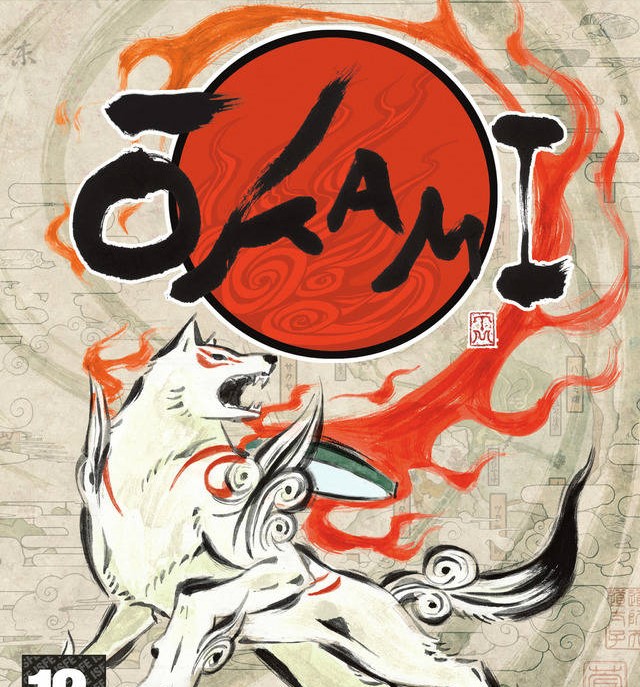
5. Okami
Clover Studio’s 2006 action-adventure, *Okami*, stood out with its breathtaking cel-shaded art style, reminiscent of Japanese sumi-e ink painting. While critics lauded its innovative Celestial Brush mechanics and charming narrative rooted in Japanese mythology, its release on the PlayStation 2 was overshadowed. Its unique visual identity and engaging gameplay, where players literally "painted" solutions, made it an artistic triumph. Despite initial commercial struggles, its eventual re-releases across multiple platforms helped it finally gain the widespread recognition it deserved.
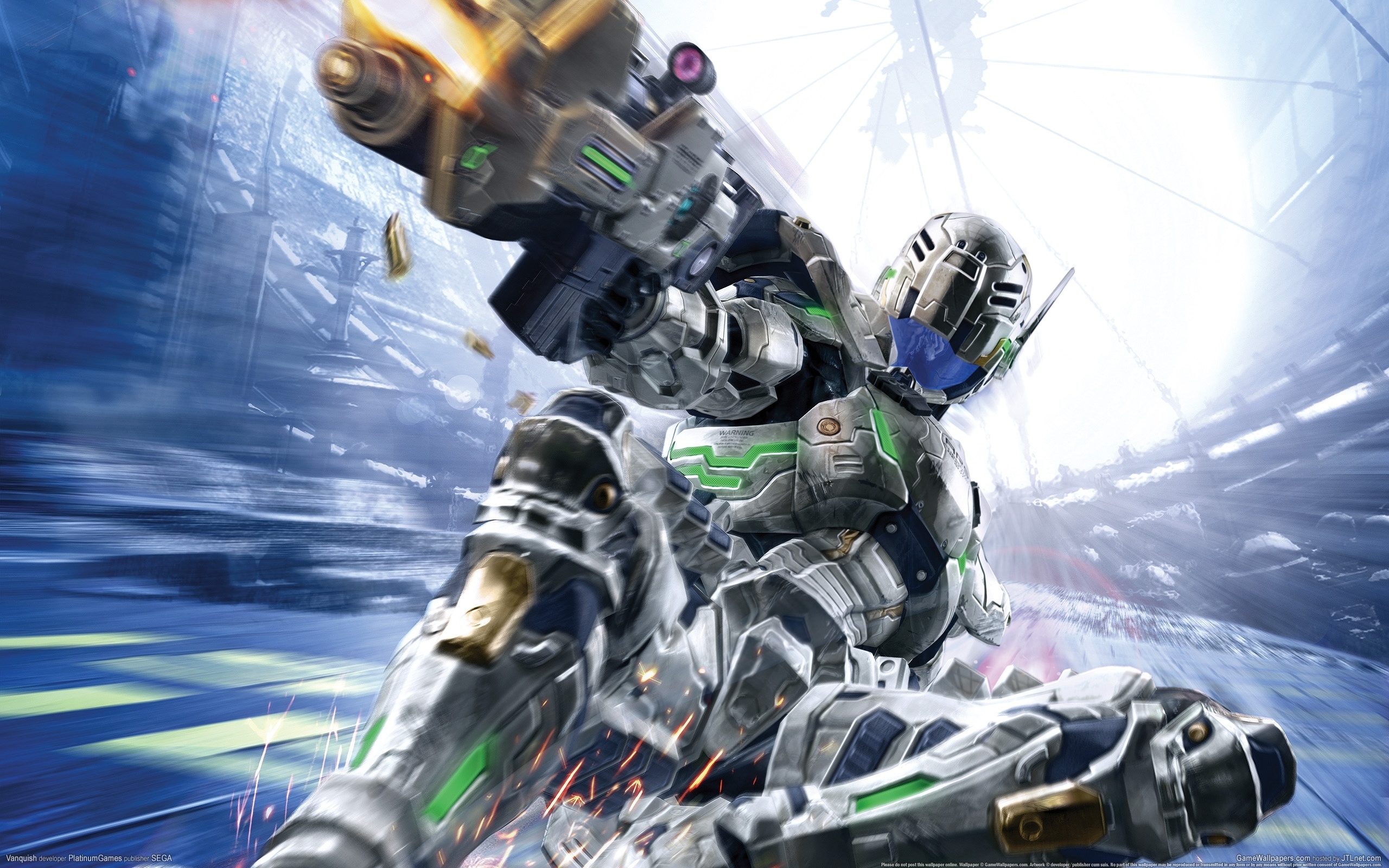
6. Vanquish
PlatinumGames’ 2010 third-person shooter, *Vanquish*, was a masterclass in high-octane action. It introduced a groundbreaking boost-slide mechanic, allowing players to zip across battlefields with incredible speed, turning combat into a ballet of bullets and explosions. While praised for its fluid movement and unique gameplay loop, its relatively short campaign and limited marketing meant it didn’t capture a massive audience. Yet, its influence on fast-paced shooters is undeniable, remaining a benchmark for stylish, kinetic gunplay.
7. Binary Domain
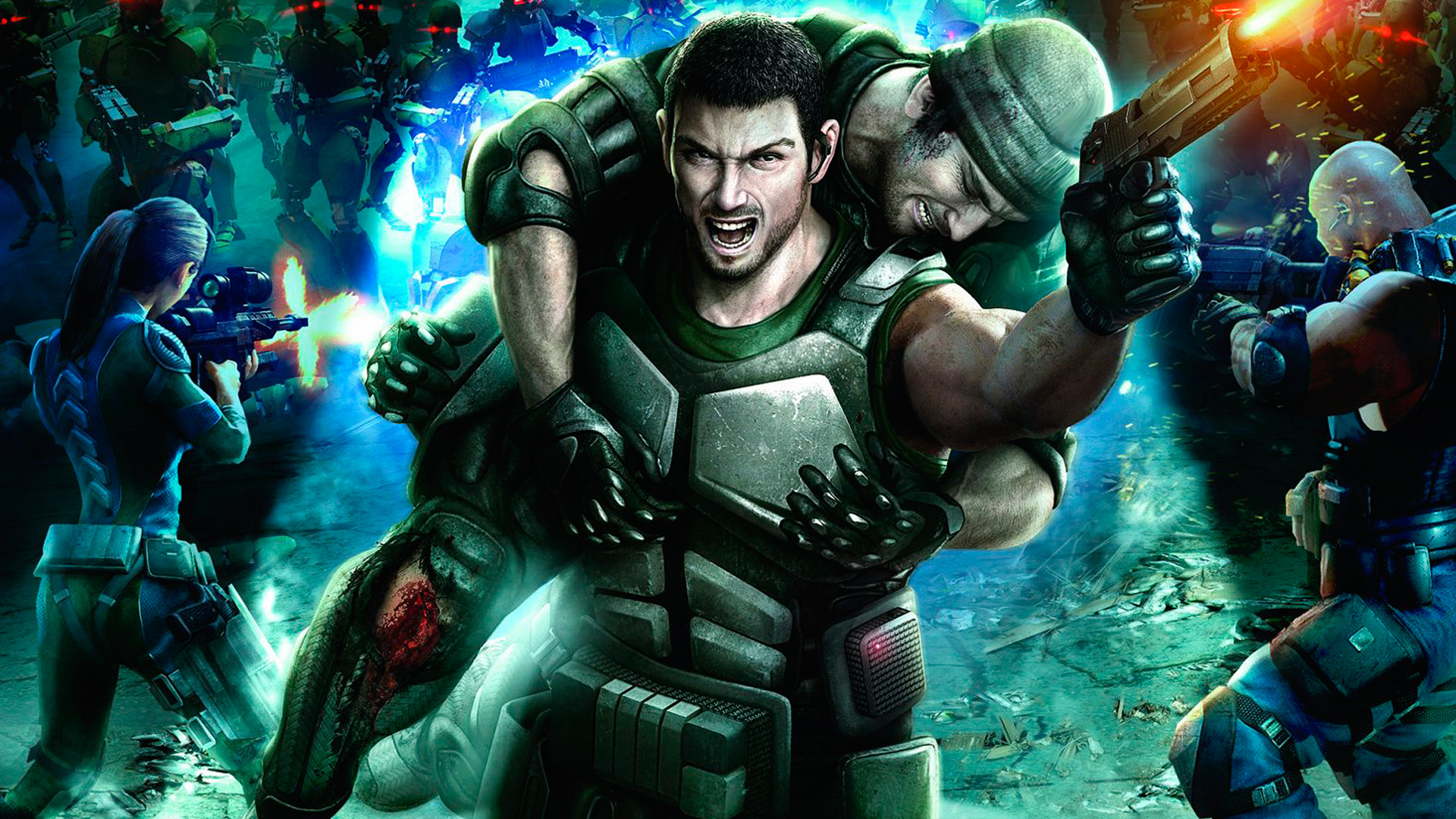
Sega’s 2012 third-person shooter, *Binary Domain*, offered a surprisingly thoughtful narrative alongside robust, destructible robot combat. Set in a near-future Tokyo, its unique "Consequence System," where player choices and actions influenced squad AI, was ambitious. Despite its solid mechanics, memorable boss fights, and a story that grappled with themes of humanity and AI, it struggled to compete in a crowded shooter market. It remains a compelling, if overlooked, entry in the genre.