

1 / 7

1. Paradise Killer
Paradise Killer arrived with a swagger, its neon-drenched vaporwave aesthetic and jazz-infused soundtrack immediately setting it apart. But its true rebellion lay in its open-ended detective structure. It threw players into a complex murder mystery on a surreal island, trusting them to gather evidence, connect the dots, and accuse anyone they saw fit, regardless of whether every last clue was found. This freedom, and the moral ambiguity it fostered, redefined what a detective game could be, prioritizing player agency over linear progression.
2 / 7
2. Pathologic 2
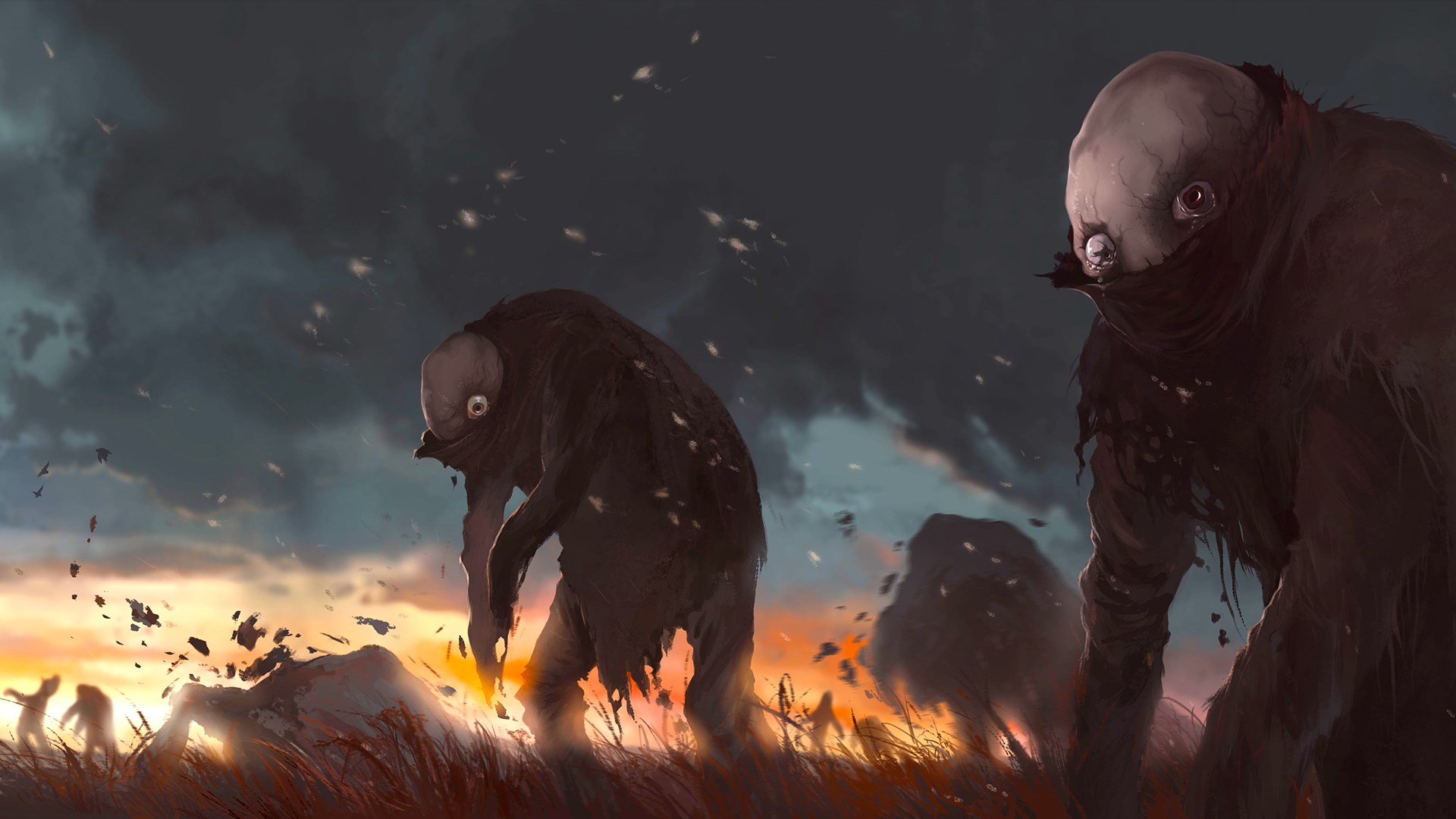
Pathologic 2 isn't just a game; it's an experience designed to test endurance and morality. Far from a typical sequel, it doubled down on the original's brutal, philosophical survival horror. It's built on a principle of scarcity and impossible choices, forcing players to confront the futility of heroism in a plague-ridden town. Its systems are designed to make you fail, to struggle, and to question the very definition of success, challenging conventional notions of player power and narrative resolution in a way few games dare.
3 / 7
3. Grim Fandango
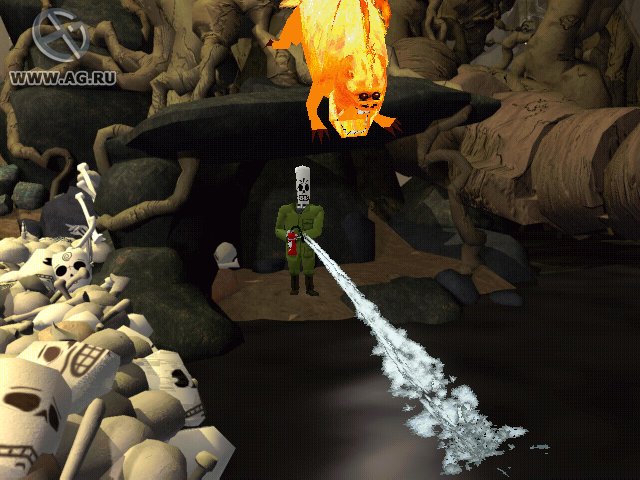
Grim Fandango marked a pivotal, if sometimes clunky, shift for LucasArts' storied adventure game lineage. Its film noir meets Day of the Dead aesthetic was revolutionary, as was its pioneering use of 3D character models in a genre predominantly 2D. While the tank controls were a learning curve, its complex narrative, sharp wit, and indelible characters set an incredibly high bar for storytelling in games. It proved that adventure games could mature beyond simple puzzles, embracing rich, cinematic narratives.
4 / 7

4. Terranigma
Released late in the SNES's life, Terranigma defied many JRPG conventions. It didn't just ask players to save a princess; it tasked them with literally resurrecting the world, then nurturing its civilizations through different historical eras. Its thematic depth, exploring creation, evolution, conflict, and the human condition, was remarkably profound. The action-oriented combat and a narrative that spanned millennia made it a cult classic, proving a console RPG could be both epic in scope and deeply reflective of humanity's journey.
5 / 7
5. Gunman Clive
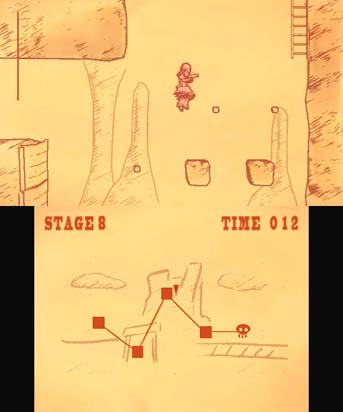
Gunman Clive, particularly on the Nintendo 3DS, demonstrated that visual innovation and tight gameplay didn't require a massive budget. Its distinct, hand-drawn art style, reminiscent of old Western comics, stood out immediately. But beyond aesthetics, it distilled platforming to its essence: precise jumps, satisfying shooting, and clever level design. It proved that a game could be incredibly impactful by focusing on refinement and a singular vision, rather than overwhelming complexity or generic tropes, setting a high bar for indie development.
6 / 7

6. Eternal Darkness: Sanity's Requiem
Eternal Darkness was a masterclass in psychological horror, but its true genius lay in its 'Sanity Effects.' Beyond just visual glitches, the game actively messed with the player's perception and console itself—displaying fake error messages, corrupting save files, or even turning down the TV volume. It blurred the line between the game world and the player's reality, exploiting trust and expectations in unprecedented ways. This innovation fundamentally altered how horror could be delivered, making the player an active participant in their own terror.
7 / 7
7. Psychonauts
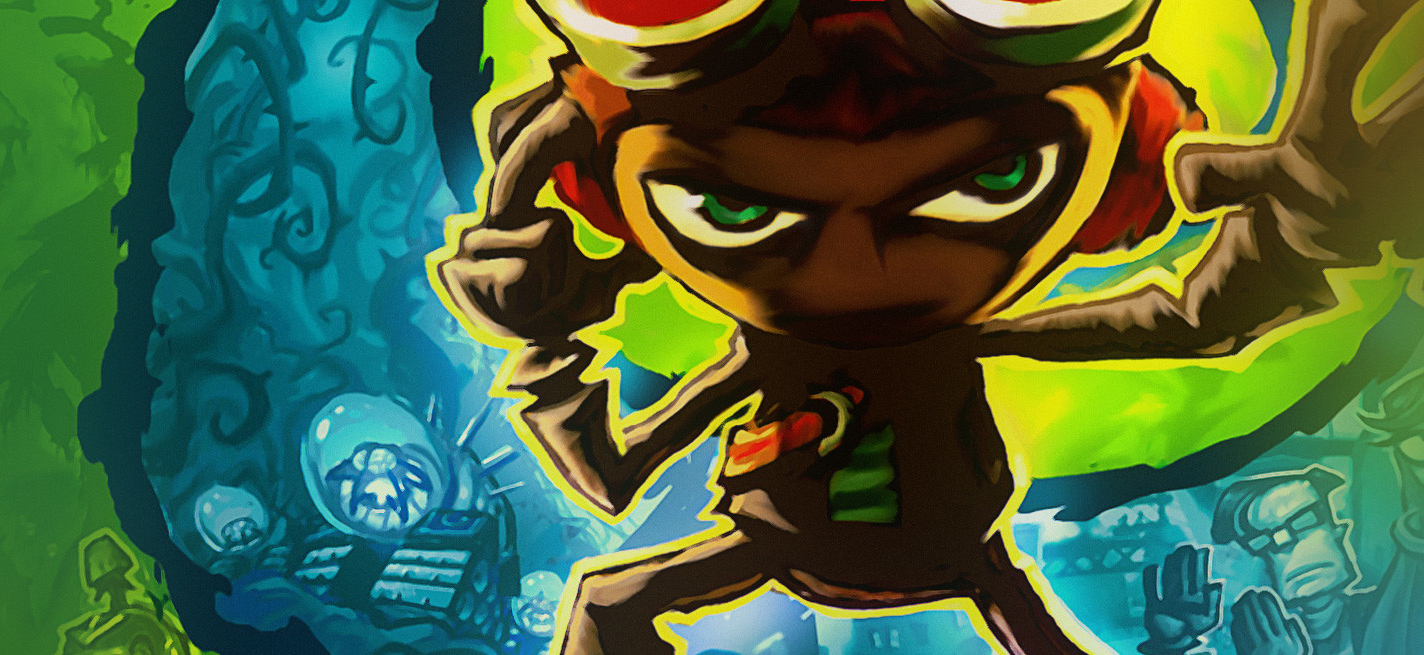
Tim Schafer's Psychonauts took platforming to the most imaginative of places: the human mind. Each level was a uniquely designed mental landscape, representing a character's distinct psyche, from a twisted warzone to an abstract art gallery. This incredibly imaginative premise, coupled with its witty writing and clever powers, redefined what a platformer could explore thematically. It moved beyond simple environmental obstacles, instead focusing on psychological ones, proving that humor and profundity could coexist in a vibrant, engaging adventure.