1 / 7

1. Pong (1972)
Before Pong, electronic entertainment was mostly static or coin-operated novelties. But then, this simple white line bouncing a square dot across a black screen arrived. It wasn’t just a game; it was an interactive experience, almost primal in its engagement. Pong quietly moved gaming from a niche curiosity into a burgeoning industry, showing that digital interaction could be a shared, accessible activity, changing our living rooms forever.
2 / 7
2. Space Invaders (1978)
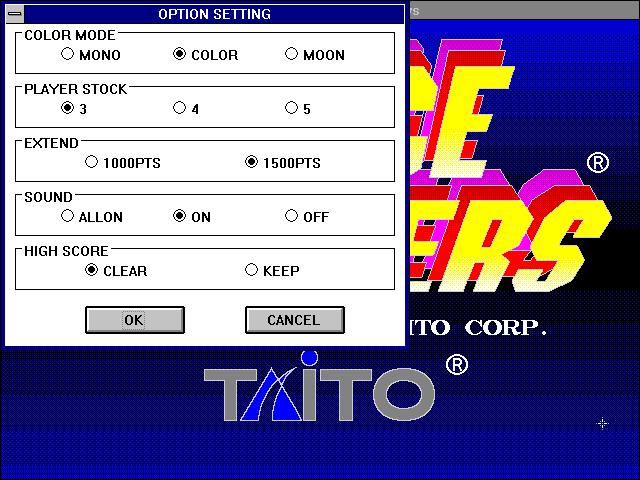
Space Invaders hit like a meteor. It wasn't just another arcade game; it was a societal phenomenon, draining pockets and inspiring urban legends about coin shortages. This game showed the sheer addictive power of digital entertainment, pushing the boundaries of what a game could be for public consumption. It became a cultural touchstone, etching itself into the collective consciousness and proving gaming’s magnetic pull.
3 / 7
3. Super Mario Bros.
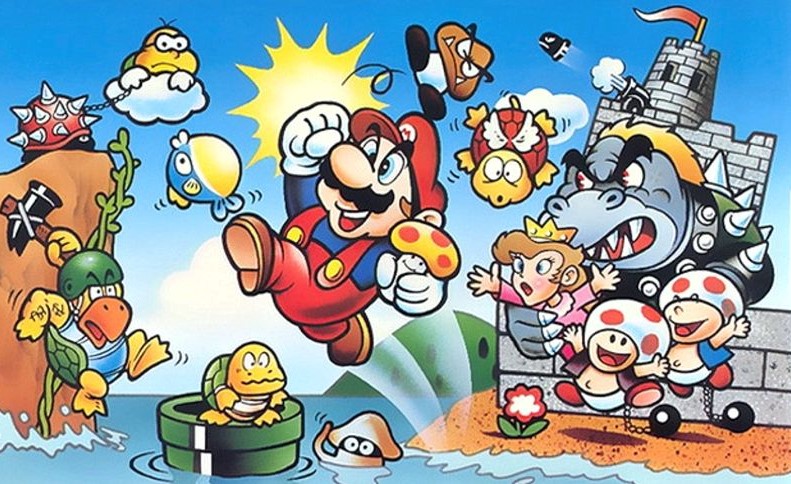
After the great video game crash, many doubted consoles had a future. Then came Super Mario Bros., a vibrant, imaginative adventure that single-handedly revitalized an entire industry. Its masterful level design, iconic character, and sheer joy of movement demonstrated gaming's potential for sophisticated artistry and pure escapism. It proved that interactive narratives could be universally beloved, a true watershed moment.
4 / 7
4. DOOM (2016)
The Sims defied conventional gaming wisdom. Here wasn't a world to save or a monster to defeat, but a digital dollhouse where players built lives, careers, and relationships. It democratized creativity, inviting a massive, diverse audience who never considered themselves 'gamers' to engage with interactive storytelling. This simulation proved that gaming could be about expression and connection, not just competition.
5 / 7
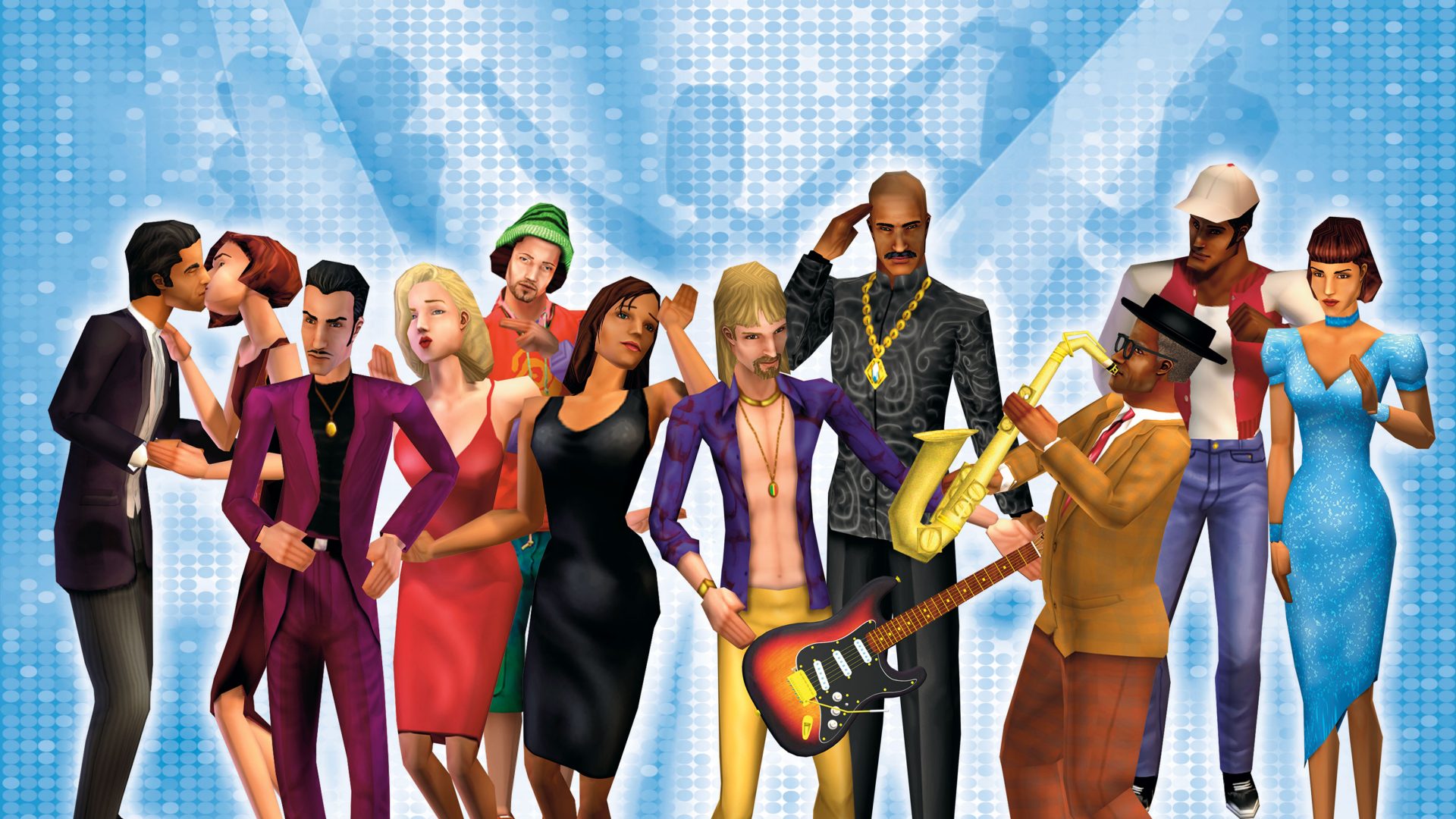
5. The Sims
World of Warcraft wasn't just a game; it was a digital universe, a second home for millions. It demonstrated the profound social power of online communities, fostering real friendships, rivalries, and even virtual economies. WoW pioneered the concept of persistent online worlds where players truly lived parallel lives, redefining what it meant to belong to a global, digital collective and challenging traditional notions of play.
6 / 7
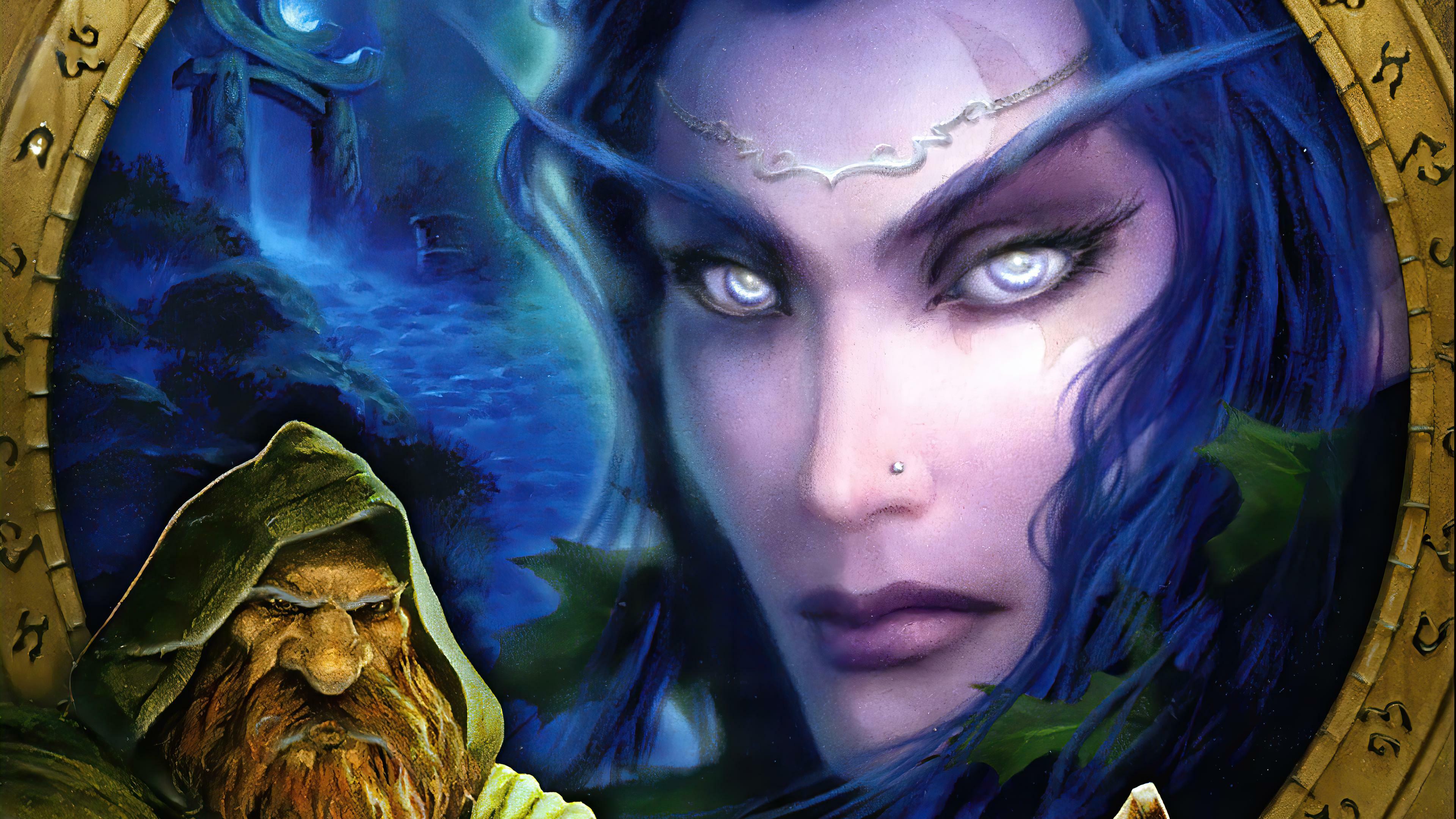
6. World of Warcraft
Minecraft, at its core, is digital Lego. But its impact far exceeds simple building blocks. It unleashed unprecedented creative freedom, allowing players to construct anything imaginable, from simple homes to complex computers. This sandbox phenomenon transcended traditional gaming, becoming a powerful educational tool and a cultural touchstone that proved imagination, not just victory conditions, could drive immense engagement.
7 / 7
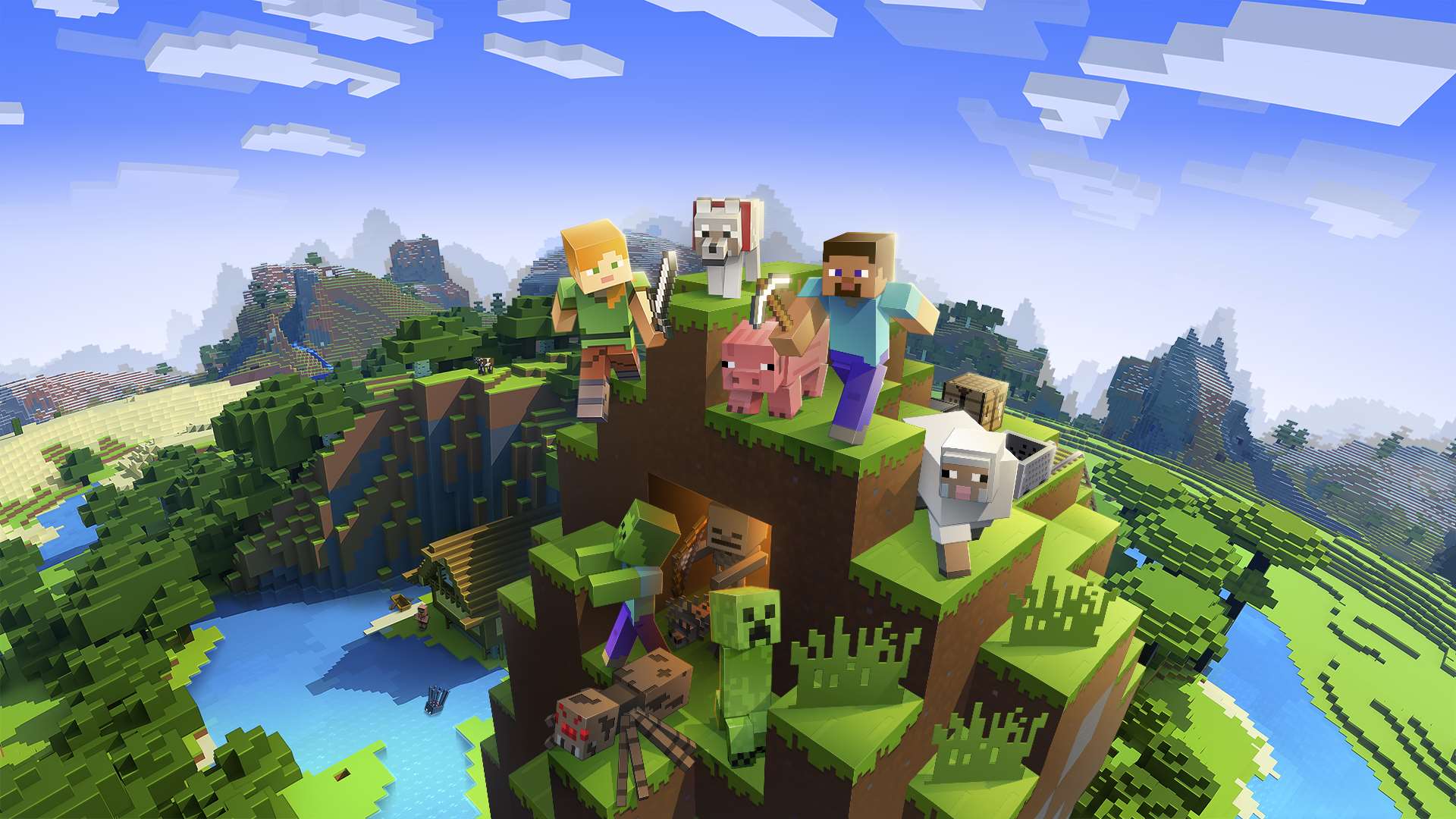
7. Minecraft
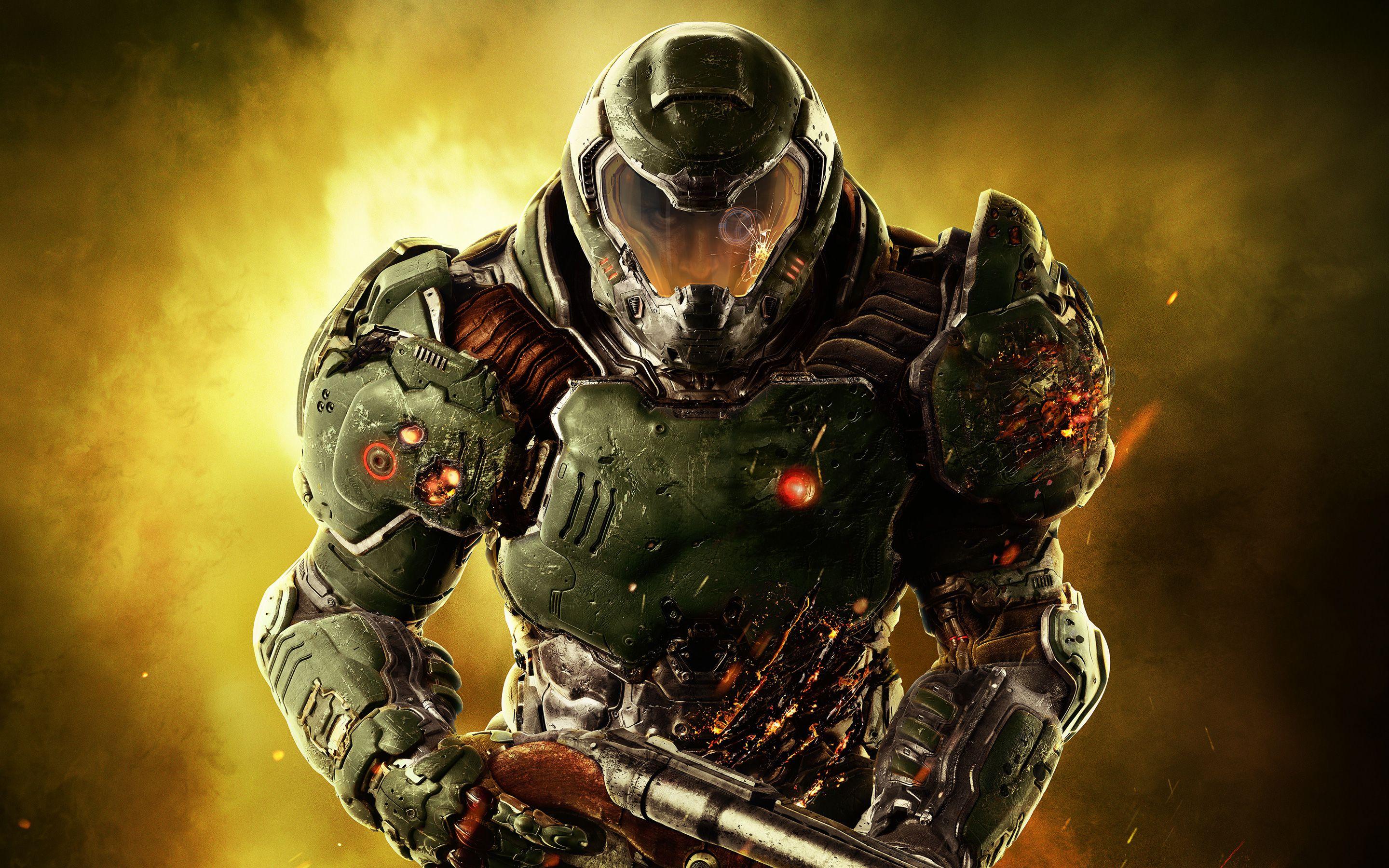
After years of cover-based shooters and narrative-heavy campaigns, DOOM (2016) roared back with unapologetic, visceral action. It proved that a game could be relentlessly fast, brutally challenging, and deeply satisfying without compromise. This reboot reaffirmed the enduring appeal of pure, adrenaline-fueled gameplay, showing that sometimes, all you need is a shotgun, demons, and a heavy metal soundtrack to redefine an entire genre.