1 / 7
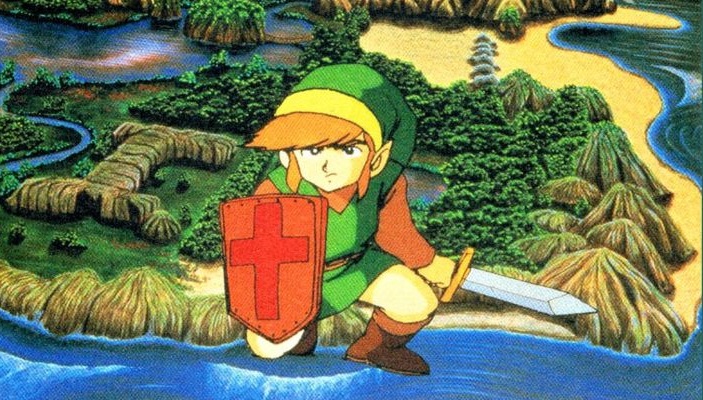
1. The Legend of Zelda
The Legend of Zelda isn't just a series; it's a blueprint for adventure, fundamentally shaping how we approach exploration in games. Link's journey across Hyrule taught us that discovery is the reward, not just a means to an end. Every new entry tries to innovate, yet the core magic of unraveling a vast, interconnected world, often without explicit hand-holding, keeps generations coming back. It’s a masterclass in environmental storytelling and player agency, often putting modern open-world bloat to shame with its purposeful design.
2 / 7
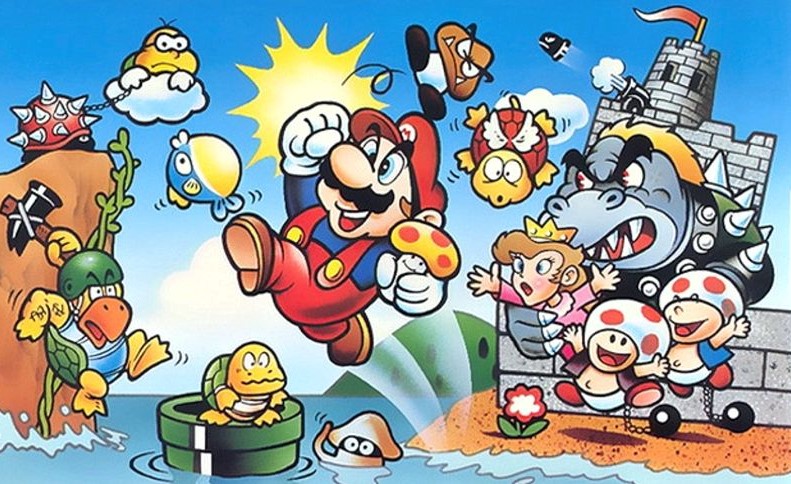
2. Super Mario Bros.
Super Mario Bros. is pure, unadulterated platforming genius, setting the gold standard from the moment Mario first stomped a Goomba. It's the foundational text for countless developers, showing how simple mechanics can lead to endless variety and challenge. Nintendo’s refusal to radically alter the core formula, instead iterating on perfection, speaks volumes. For many, it was their first real game, and its intuitive design ensures it remains accessible and utterly joyful, unlike some modern games that demand a tutorial just to walk.
3 / 7
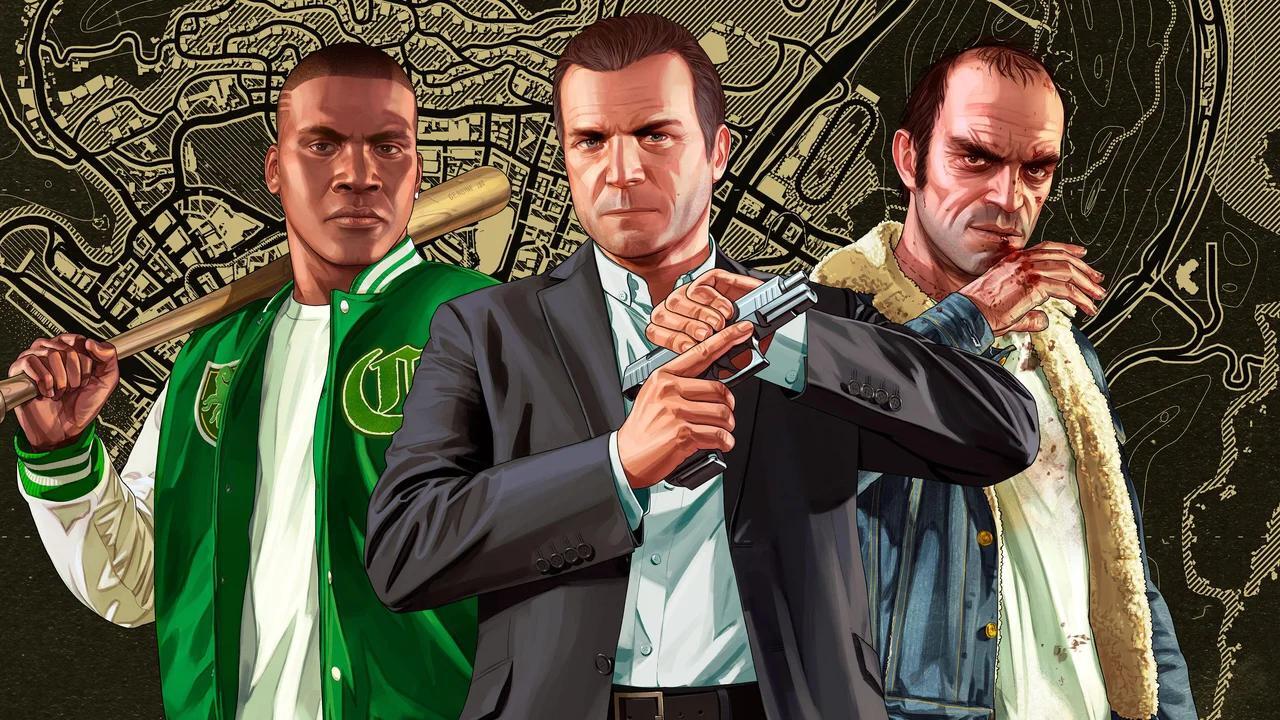
3. Grand Theft Auto V
Grand Theft Auto V became a cultural behemoth, not just for its sprawling, satirical open world, but for its sheer, ridiculous profitability. Its single-player campaign was epic, sure, but GTA Online truly built the empire, transforming into a cash cow that still prints money years later. While it's a testament to long-term engagement, it also normalized aggressive monetization and the 'game as a service' model, arguably influencing how publishers squeeze every last dime from their player base today.
4 / 7
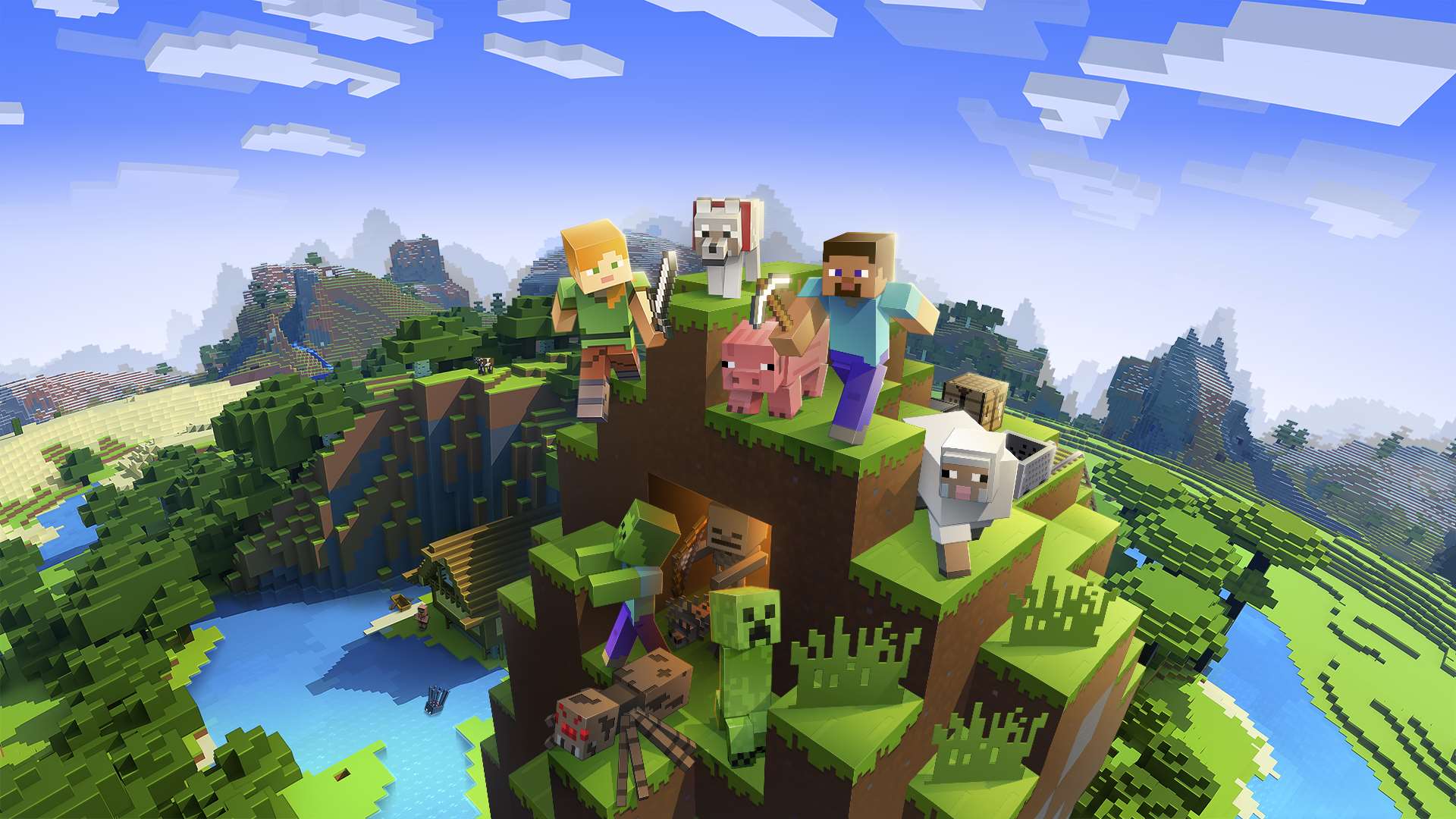
4. Minecraft
Minecraft isn't merely a game; it’s a global phenomenon that proved boundless creativity, not scripted narratives, could dominate the industry. Its blocky aesthetic and simple premise—build anything, survive everything—unlocked untold potential for players, from elaborate megastructures to complex redstone contraptions. It’s a canvas for millions, fostering a generation of digital architects and proving that player-generated content is king. And yeah, it really set the stage for every 'crafting' system you now endure in other titles.
5 / 7
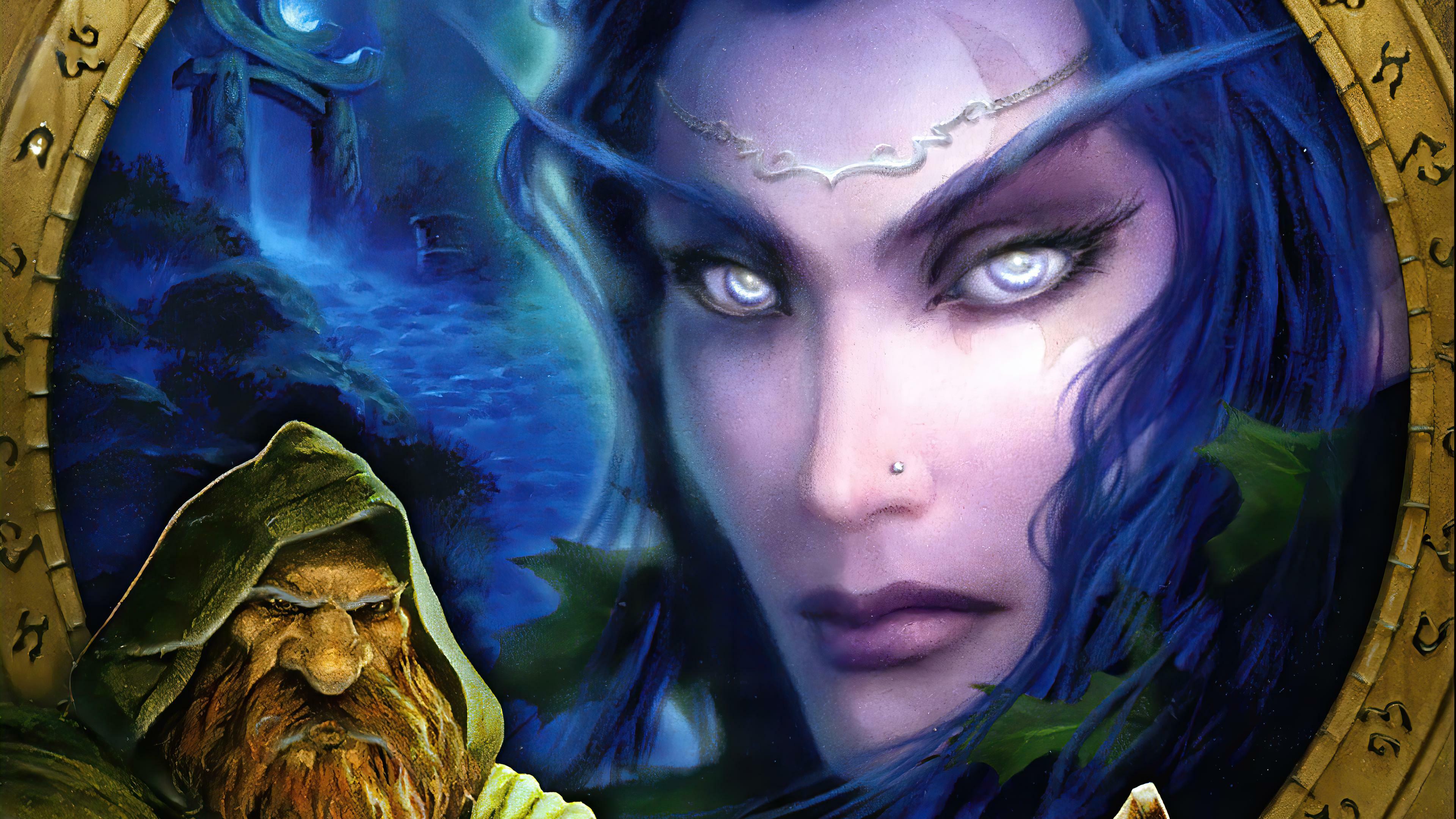
5. World of Warcraft
World of Warcraft wasn’t just an MMO; it was *the* MMO, a digital second life for millions. Its intricate lore, vast world, and unparalleled social infrastructure created communities that transcended the screen. While its golden age might be past, its influence on online gaming, player retention, and even real-world economies is undeniable. It taught us the power of shared experiences, but also the addictive pull of endless grinding and the bittersweet nature of digital friendships forged in Azeroth.
6 / 7
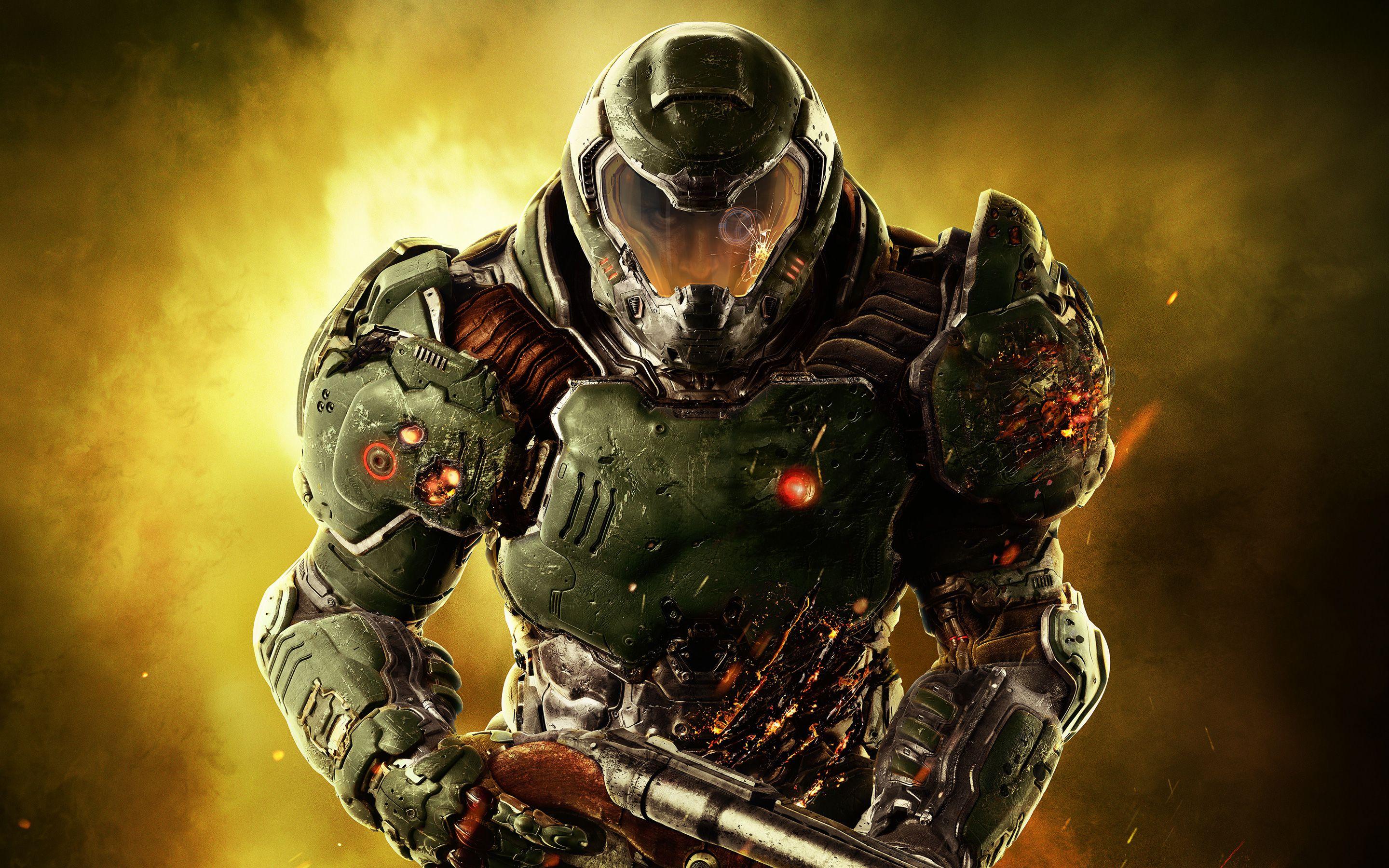
6. DOOM (2016)
DOOM (2016) was a masterclass in modernizing a classic without sacrificing its soul. It reminded us that sometimes, all you need is fast, brutal action, a killer soundtrack, and an unapologetic disregard for cover systems or emotional narrative arcs. It rejected the slow, cinematic trends of its peers, proving that pure, aggressive FPS gameplay still reigns supreme. This game wasn't trying to be deep; it was just trying to let you rip and tear, and it nailed it perfectly.
7 / 7
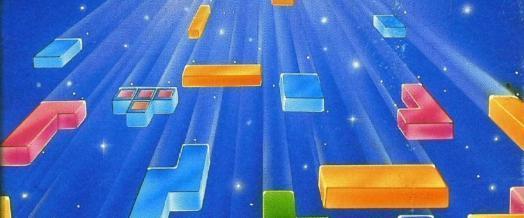
7. Tetris (1984)
Tetris, the ultimate timeless puzzle, proves that simplicity is the ultimate sophistication. It’s a game so universally understood, so endlessly playable, that it transcends language and culture. No fancy graphics, no complex lore, just falling blocks and the relentless pursuit of order. It's the perfect example of mechanics over spectacle, a game that can be picked up by anyone and yet still offers a lifetime of mastery. And honestly, it’s probably the most replayable game ever made.