1 / 7
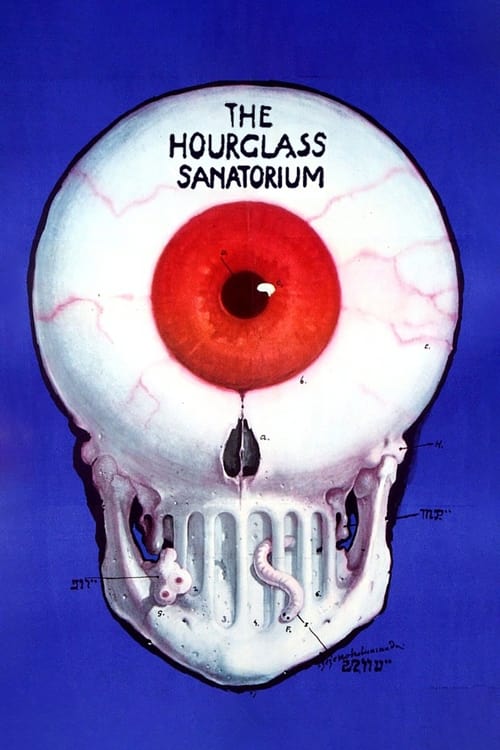
1. The Hourglass Sanatorium
Wojciech Has’s 1973 masterpiece is less a narrative and more a descent into a crumbling dreamscape, where time itself is fractured. Josef, seeking his dying father, instead navigates a dilapidated sanatorium existing outside chronological order, a place where memory and myth merge into a hallucinatory tapestry. Has, a master of mood and visual metaphor, constructed an unfilmable story into a profoundly unsettling, yet beautiful, cinematic experience that challenged conventional storytelling structures, inviting viewers to simply exist within its ethereal, decaying world.
2 / 7
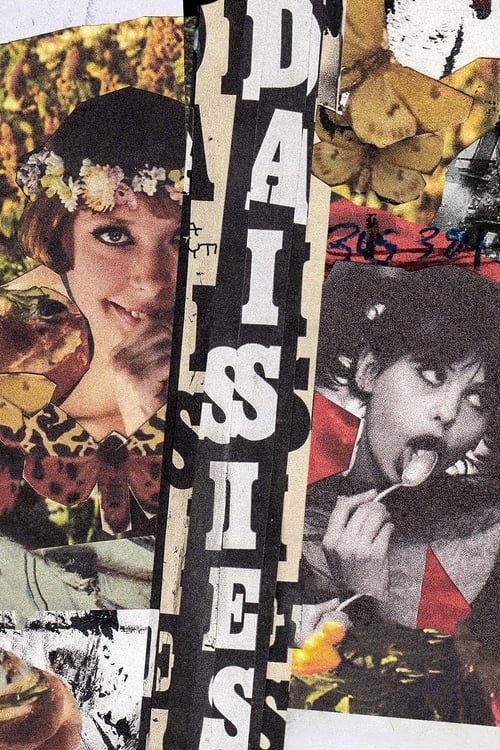
2. Daisies
Věra Chytilová’s 1966 *Daisies* exploded onto the screen as a chaotic, vibrant middle finger to patriarchal society and cinematic norms. Two young women, Marie I and Marie II, decide that since the world is spoiled, they might as well be too, embarking on a spree of gleeful destruction and hedonism. This Czech New Wave gem, with its fragmented narrative, jarring jump cuts, and wildly experimental visuals, redefined the possibilities of feminist cinema, proving that rebellion could be both profoundly intellectual and gloriously, mischievously playful.
3 / 7
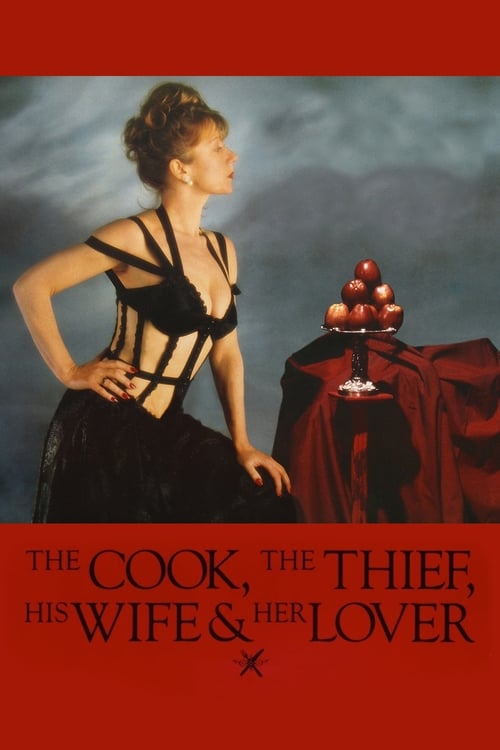
3. The Cook, the Thief, His Wife & Her Lover
Peter Greenaway’s 1989 film is a visceral, operatic feast of excess and revenge. Set almost entirely within a lavish restaurant, it’s a baroque tableau vivant, each scene meticulously composed and lit like a Dutch master painting. The narrative, a savage indictment of Thatcherite greed and brutality, follows the brutal mobster Albert Spica, his long-suffering wife Georgina, and her clandestine lover. Greenaway’s formalist approach, with its audacious production design and symbolic color palette, transformed cinema into a grand, grotesque morality play.
4 / 7
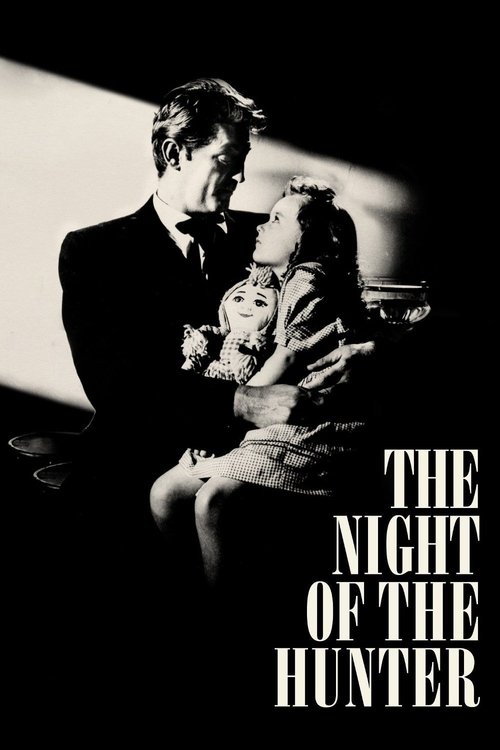
4. The Night of the Hunter
Charles Laughton’s sole directorial effort, the 1955 *The Night of the Hunter*, remains a singularly unsettling masterpiece. Blending Southern Gothic with German Expressionism, it crafts a horrifying fairy tale of two children pursued by Robert Mitchum’s chilling, knife-wielding preacher, Harry Powell. Its stark, dreamlike cinematography, iconic 'LOVE' and 'HATE' knuckle tattoos, and an almost childlike understanding of good and evil were utterly groundbreaking. Laughton defied Hollywood realism, creating a timeless, allegorical nightmare that still grips audiences with its unique, terrifying vision.
5 / 7
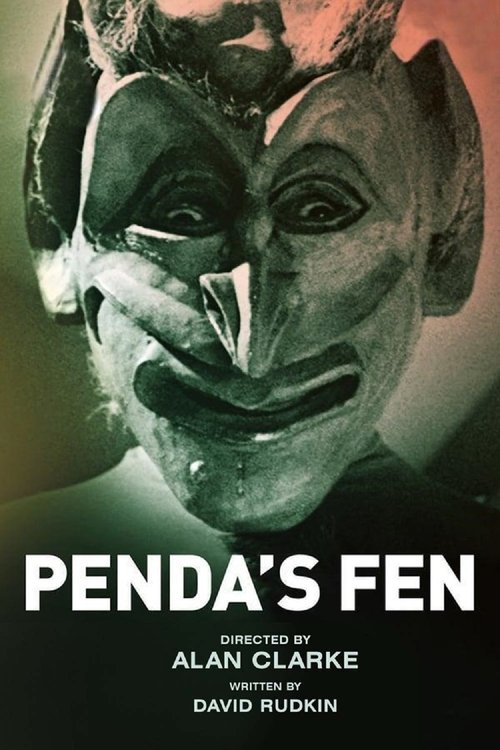
5. Penda's Fen
Alan Clarke's 1974 *Penda's Fen*, a BBC *Play for Today*, is a haunting, visionary exploration of English identity, burgeoning queer sexuality, and ancient pagan myth. Stephen, a conservative vicar's son, confronts a series of surreal visions involving angels, demons, and historical figures, all while grappling with his own identity and the land's hidden past. It masterfully blurred the lines between TV drama, folk horror, and a deeply personal coming-of-age story, revealing the subversive power lurking beneath England's pastoral surface.
6 / 7
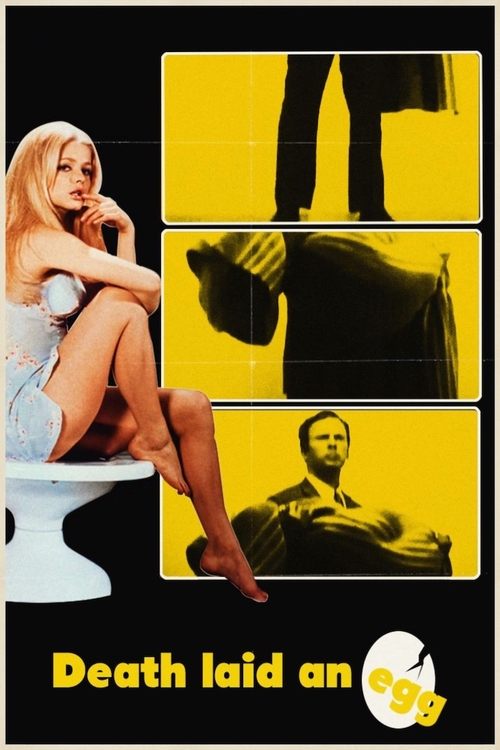
6. Death Laid an Egg
Giulio Questi’s 1968 *Death Laid an Egg* is a wildly unconventional giallo, a psychedelic explosion of corporate paranoia, sexual intrigue, and existential dread. Set in a futuristic poultry farm, it follows a couple entangled in a bizarre murder plot involving genetically modified chickens. Questo subverted genre conventions with audacious visual experimentation, fragmented storytelling, and biting social commentary on consumerism and industrial alienation. It's a surreal, disturbing, and utterly unforgettable cinematic fever dream that defies easy categorization, pushing the boundaries of what a thriller could be.
7 / 7

7. On the Silver Globe
Andrzej Żuławski’s 1989 *On the Silver Globe* is a monumental, unfinished epic finally released after years of suppression. This ambitious, philosophical sci-fi saga follows a group of astronauts who establish a new civilization on a distant planet, only for their society to devolve into primitive rituals and religious fervor. Żuławski’s singular vision, despite missing footage filled in with voiceover narration, remains a breathtaking, visceral, and profoundly existential meditation on humanity’s cyclical nature, showcasing a raw, unbridled cinematic ambition rarely seen.