

1 / 7

1. A Woman Under the Influence
John Cassavetes’ cinéma vérité style here is just brutal, exposing the raw nerves of a woman struggling with her mental health in a suffocating domestic sphere. Gena Rowlands gives a performance so utterly fearless it feels less like acting and more like a public breakdown. It's an uncomfortable, unvarnished look at marriage and societal expectations, proving that some stories are best told without a filter, leaving you profoundly unsettled and reflective.
2 / 7
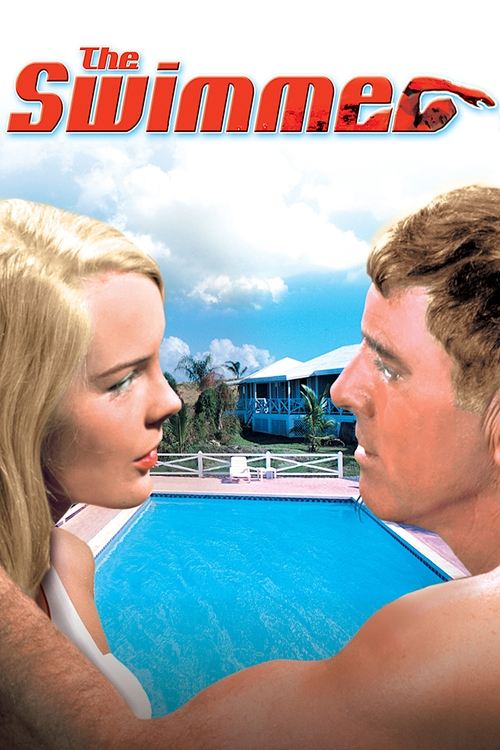
2. The Swimmer
This film is an absolute trip, a bizarre, surreal journey through suburban malaise. Burt Lancaster, in his speedo, swims across a series of backyard pools, slowly unraveling the fabric of his perfect life. It’s a melancholic, almost hallucinatory critique of the American dream, revealing the emptiness beneath the polished veneer. Every splash brings him closer to a painful, inescapable truth. You'll never look at a pool party the same way.
3 / 7
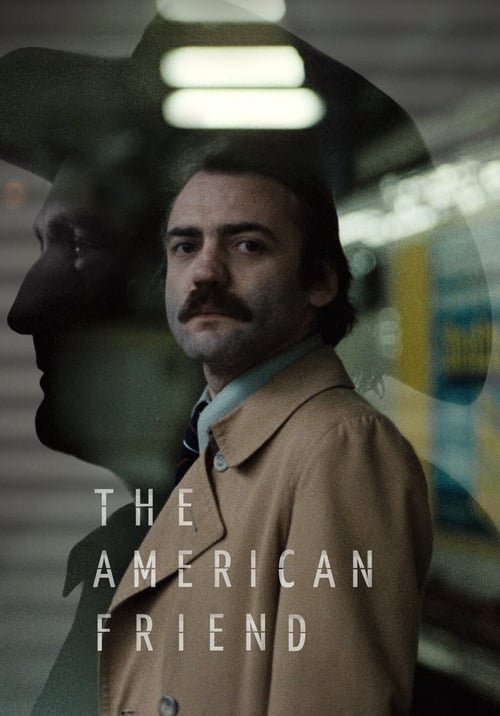
3. The American Friend
Wim Wenders takes Patricia Highsmith’s Ripley and places him in a hazy, atmospheric European neo-noir. Dennis Hopper's Ripley is less a charming sociopath and more a shadowy, enigmatic force, drawing a quiet picture framer, played by Bruno Ganz, into a world of murder. It’s a slow-burn, existential thriller, dripping with cool detachment and a persistent sense of moral ambiguity. The mood lingers long after the credits roll.
4 / 7
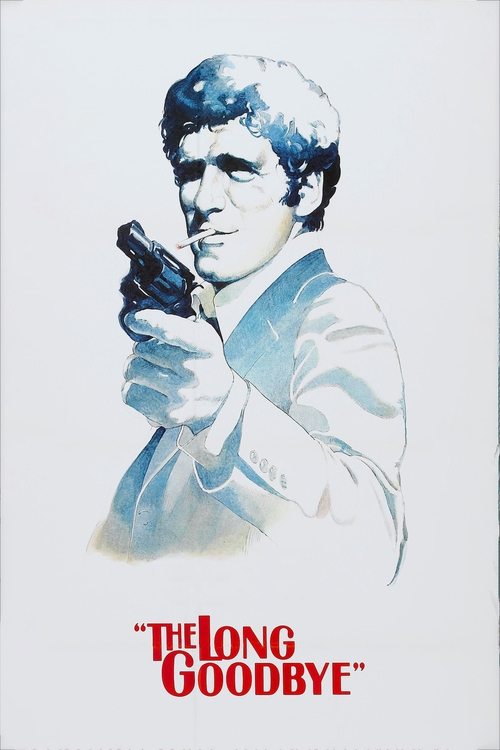
4. The Long Goodbye
Robert Altman completely reinvents Philip Marlowe for the 70s, making him a shambling, anachronistic figure drifting through a cynical, sun-drenched Los Angeles. Elliott Gould's portrayal is brilliantly disheveled, constantly muttering and out of sync with the world around him. It’s a deconstruction of the detective genre, filled with improvisation and a pervasive sense of moral decay, proving that even iconic characters can be bent into new, compelling shapes.
5 / 7
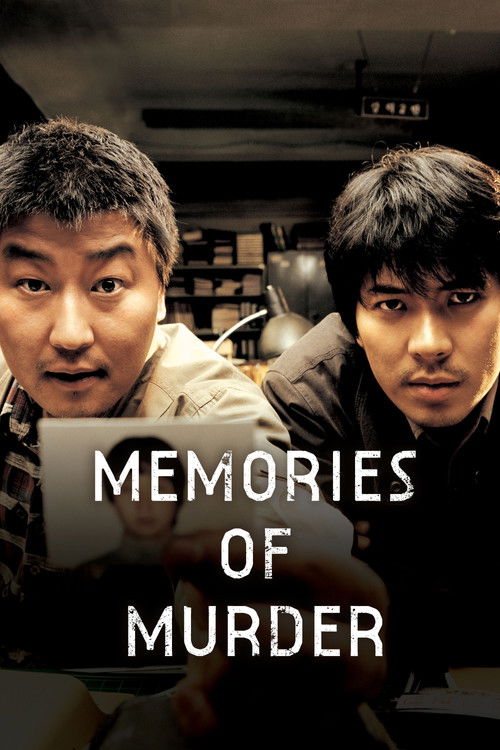
5. Memories of Murder
Bong Joon-ho’s early masterpiece is a chilling, often darkly funny, true-crime procedural set in 1980s South Korea. It’s not just about catching a serial killer; it’s a searing social commentary on policing, bureaucracy, and a nation grappling with its own modernization. The film builds an incredible sense of dread, culminating in an unforgettable, unresolved ending that haunts you with its quiet power and unanswered questions.
6 / 7
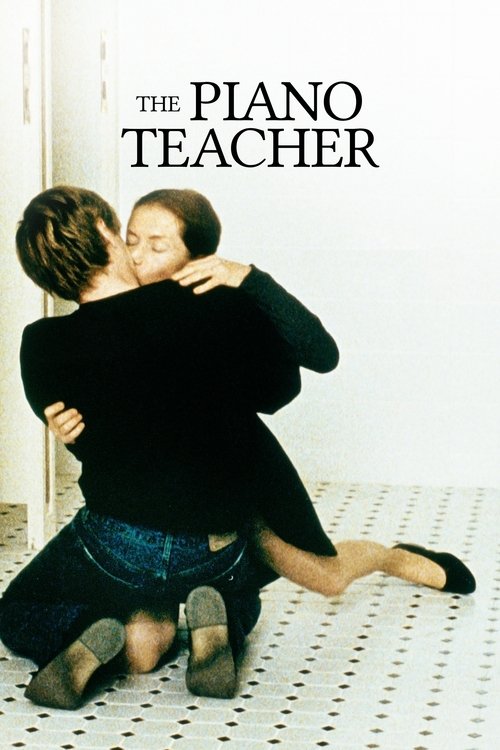
6. The Piano Teacher
Michael Haneke doesn't do comfort, and this film is a prime example. Isabelle Huppert delivers an astonishing, harrowing performance as a repressed, self-destructive piano teacher entangled in a disturbing sadomasochistic relationship. It's an unflinching, icy examination of psychological torment, sexual perversion, and emotional violence. This is cinema that dares to explore the most uncomfortable corners of the human psyche, leaving you profoundly disturbed.
7 / 7
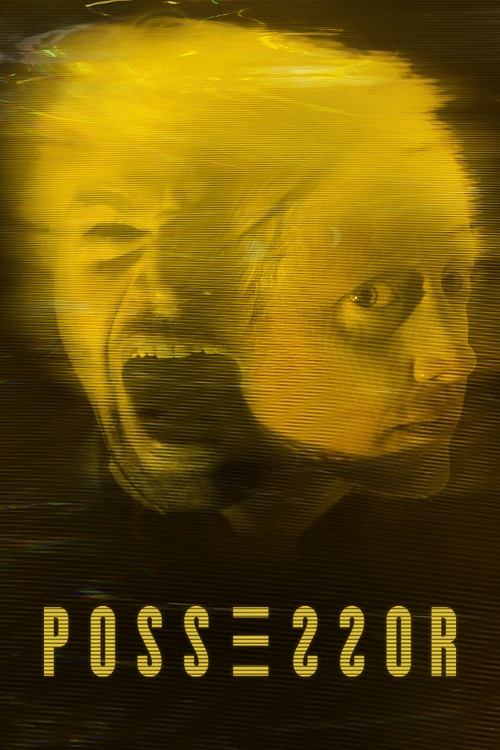
7. Possessor
Brandon Cronenberg proves the apple doesn't fall far from the tree, delivering a visceral, mind-bending sci-fi body horror. It’s a relentless assault on identity and free will, featuring stunning practical effects and a genuinely unsettling premise about assassins possessing other people's bodies. The film is stylishly brutal, exploring themes of consciousness and control with a cold, precise hand that will stick with you long after viewing.