1 / 7
1. World of Warcraft
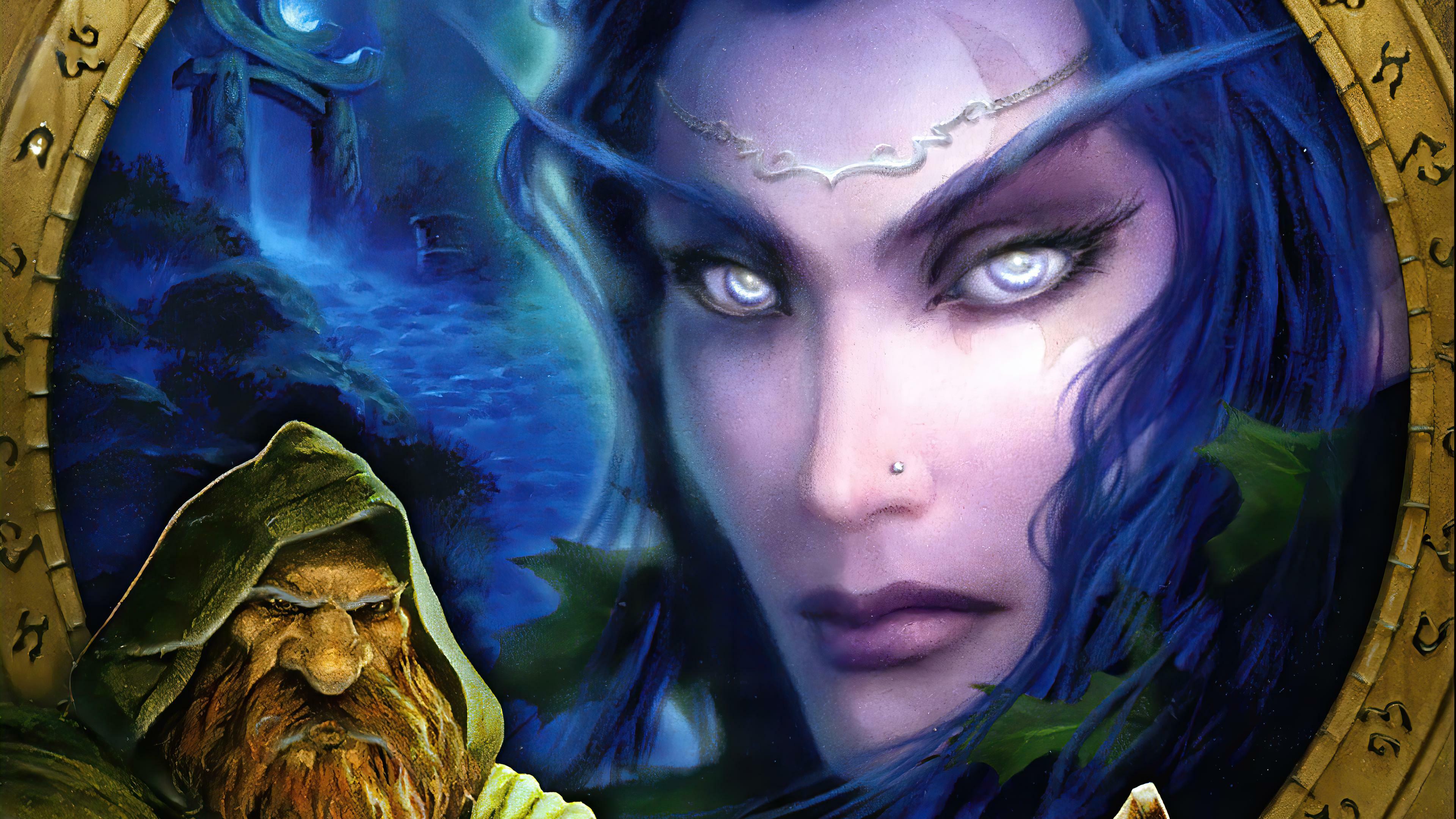
This wasn't just a game; it was a societal experiment. For nearly two decades, millions have carved out digital lives within Azeroth, forming guilds, forging economies, and battling for supremacy. It established the blueprint for online persistence, demonstrating how virtual worlds could sustain entire communities and even generate real-world livelihoods. The sheer scale of its player-driven narratives and economic systems is still astonishing, a testament to its foundational role in online gaming culture.
2 / 7
2. Minecraft
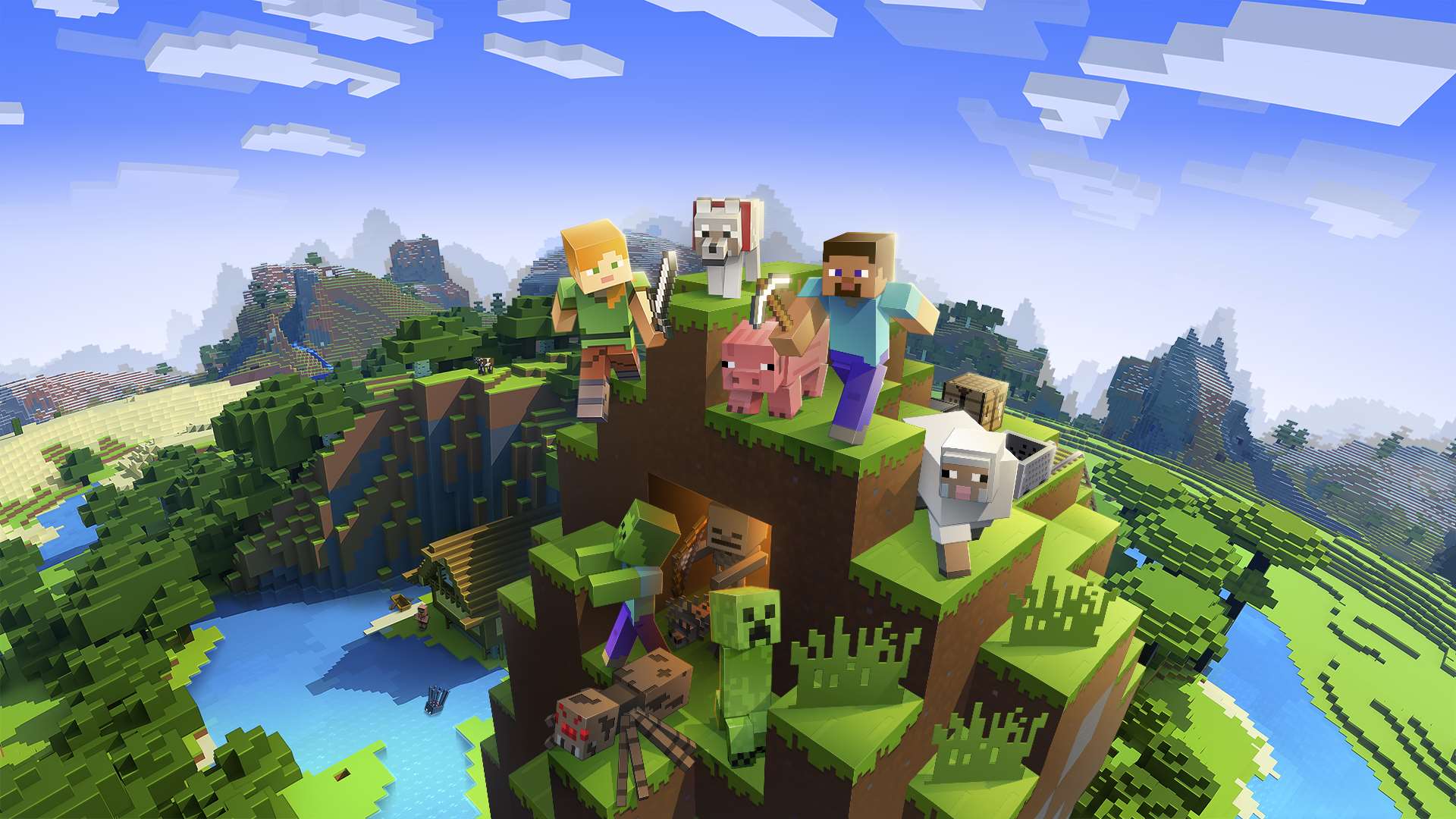
When "Minecraft" arrived, it wasn't about high-fidelity graphics; it was about pure, unadulterated creation. It handed players the tools to build anything imaginable, block by block, fostering an unprecedented wave of digital architects and content creators. Its influence extends far beyond gaming, shaping education, creative industries, and even digital marketing. And, it proved that boundless imagination, not just spectacle, could build a multi-billion dollar empire from a simple premise.
3 / 7
3. Grand Theft Auto V
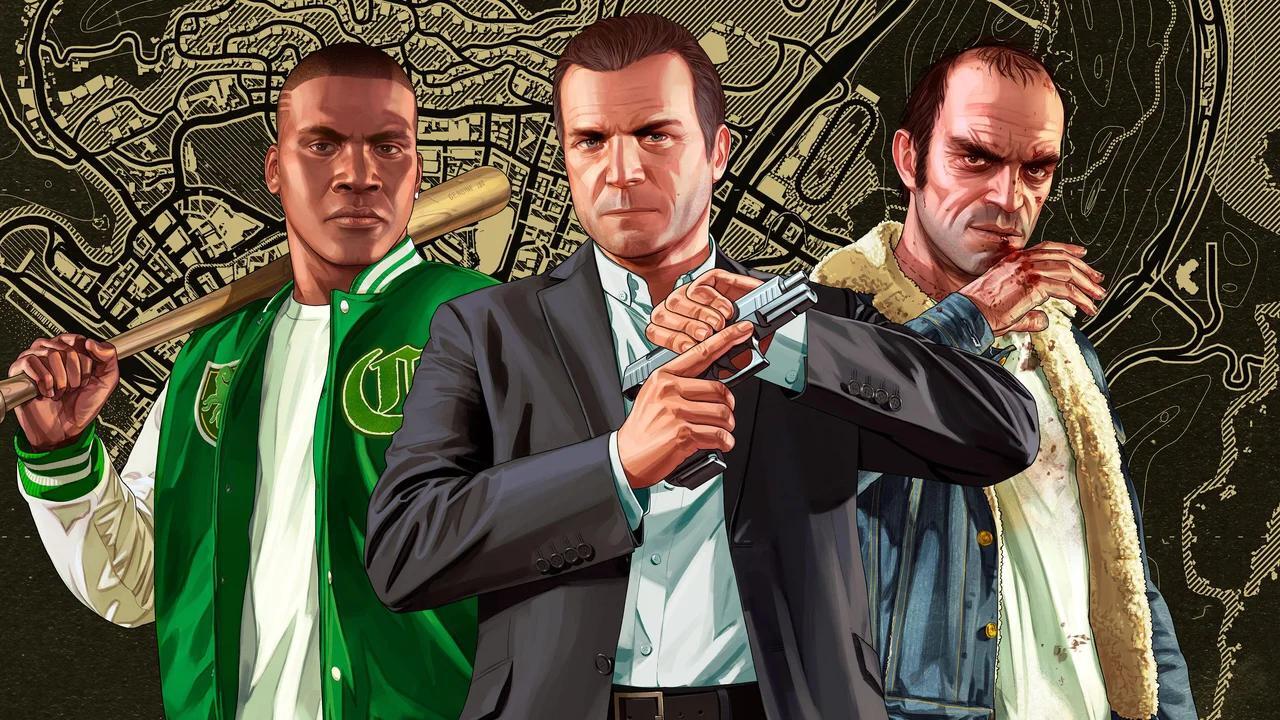
Grand Theft Auto V redefined what an open-world experience could be, blending satirical storytelling with unparalleled freedom. Its enduring popularity, fueled by both its single-player narrative and the ever-evolving "GTA Online," speaks volumes about its cultural penetration. Players didn't just play; they lived in Los Santos, creating their own dramas, economies, and even burgeoning celebrity status through streaming. It's a masterclass in persistent, player-driven entertainment.
4 / 7
4. League of Legends
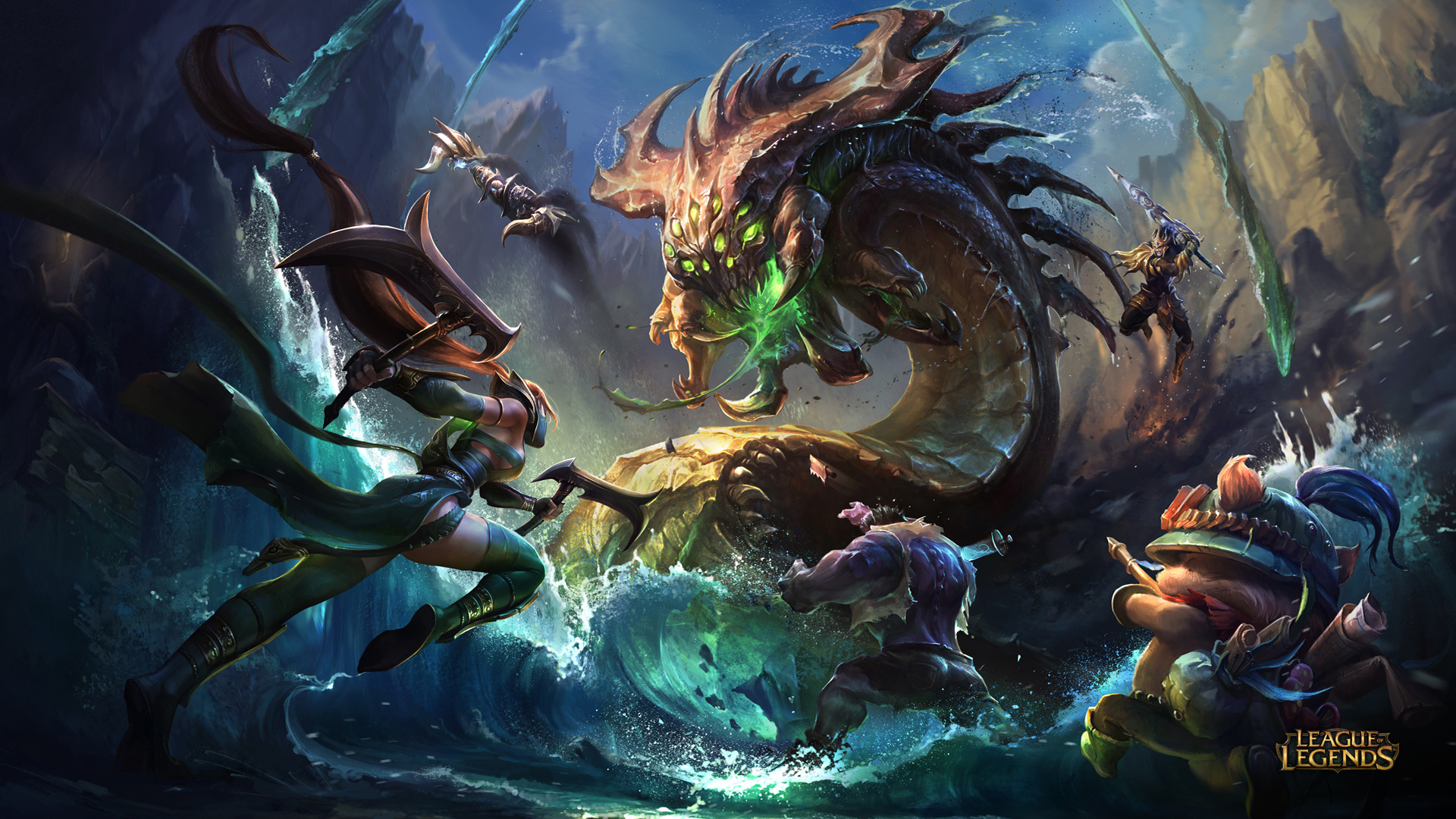
League of Legends didn't just popularize the MOBA genre; it weaponized it into a global esport phenomenon. Millions watch, play, and strategize daily, transforming competitive gaming into a mainstream spectacle. This isn't merely about digital battles; it’s about intricate team dynamics, strategic mastery, and a relentless pursuit of victory. It created a professional ecosystem, turning skilled players into global icons and establishing a new paradigm for online competition.
5 / 7

5. The Elder Scrolls V: Skyrim
Skyrim offered an escapist fantasy world of such depth and breadth that players willingly lost hundreds, even thousands, of hours within its snow-capped peaks and ancient ruins. Its success wasn't just in its meticulously crafted lore or expansive map, but in its profound modding community. Players didn't just explore; they reimagined the game, extending its life indefinitely and demonstrating the power of user-generated content to truly build an enduring legacy.
6 / 7
6. Fortnite Battle Royale
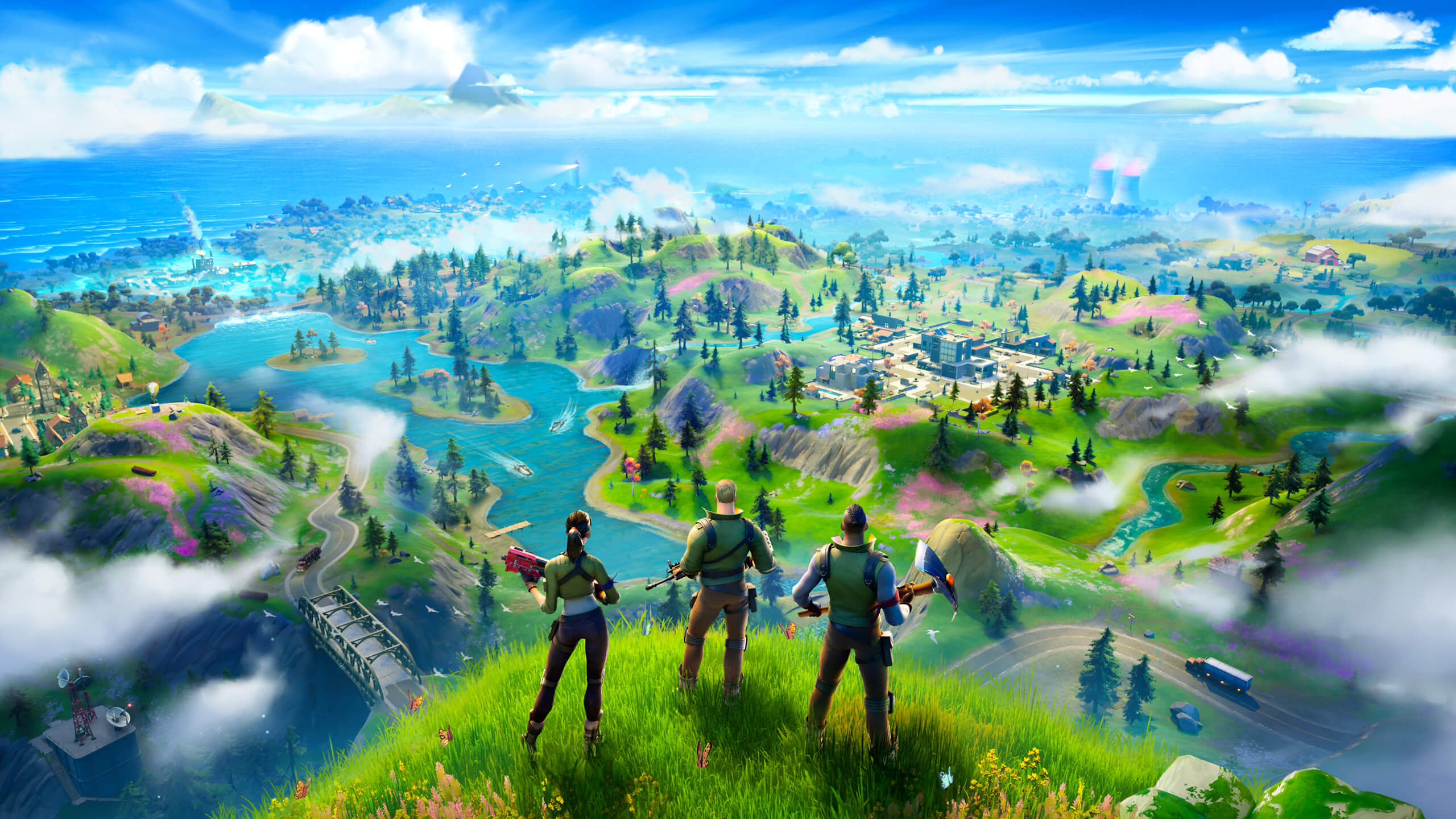
Fortnite exploded onto the scene, fundamentally altering the landscape of online multiplayer. It wasn't just a battle royale; it was a social hub, a concert venue, and a cultural touchstone where dance emotes became a global language. Its free-to-play model, combined with rapid content updates and shrewd cross-promotions, created an unprecedented, accessible platform that transcended gaming itself, influencing fashion, music, and digital interaction on a massive scale.
7 / 7
7. EVE Online
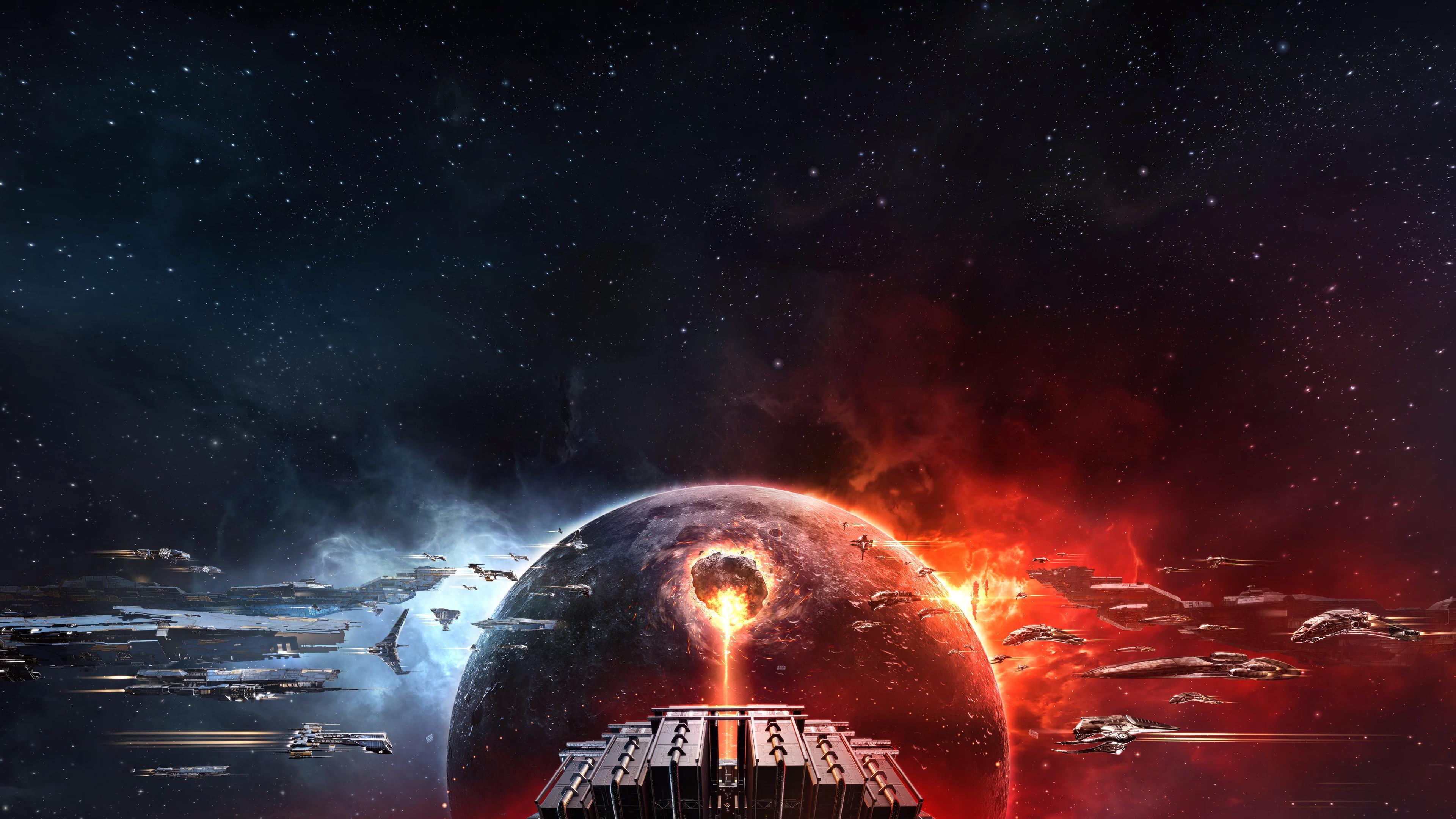
EVE Online stands apart, a truly player-driven universe where trust is currency and betrayal is a legitimate tactic. Its complex, single-shard server hosts an economy so intricate it's studied by economists, and player corporations wage wars costing real-world fortunes. This isn't just a game; it's a social experiment on a galactic scale, where every action has consequences, and emergent narratives are written by its players, often with brutal efficiency.