
1. Vampire: The Masquerade - Bloodlines
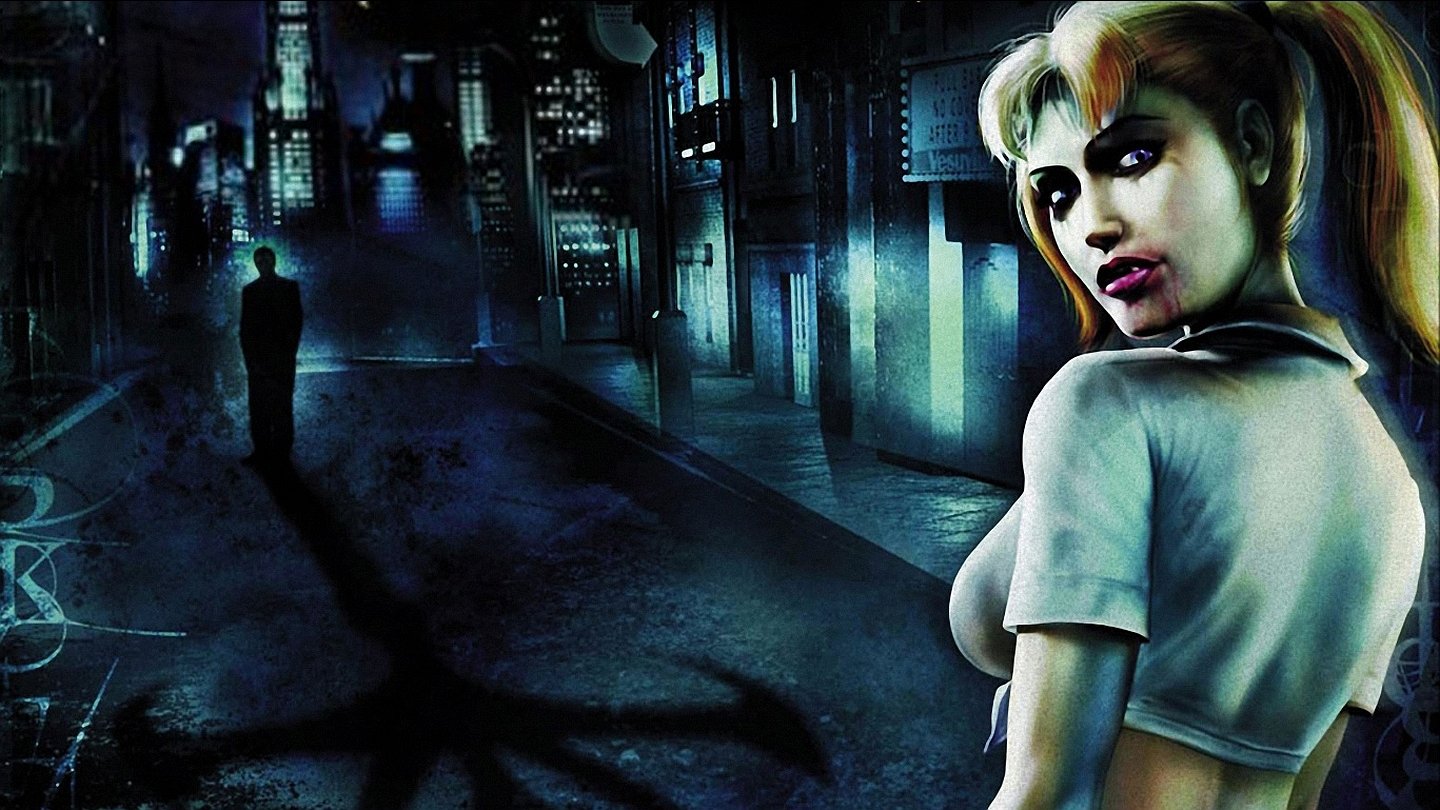
Vampire: The Masquerade - Bloodlines arrived in 2004, a deeply flawed yet utterly captivating RPG. Its sprawling, narrative-rich world, steeped in White Wolf's lore, offered unparalleled player agency and character development. Despite being notoriously buggy at launch, its dark humor, memorable characters, and atmospheric Los Angeles made it an instant cult hit. The dedicated modding community, patching and refining it for years, truly cemented its legend, demonstrating how player passion can elevate a game beyond its initial state, shaping conversations about ambitious, imperfect creations.
2. Grim Fandango
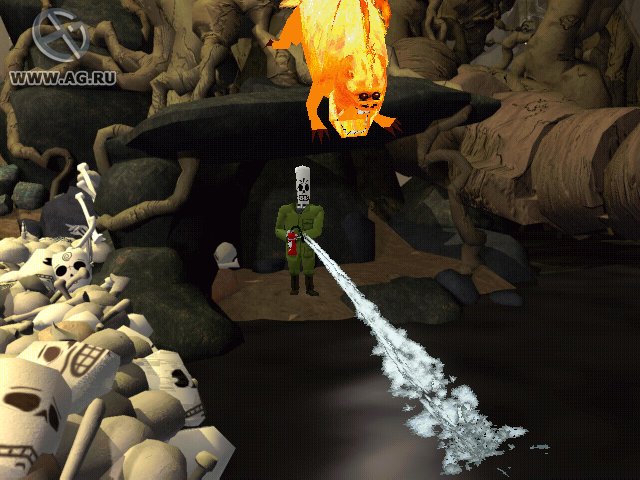
Released in 1998, Grim Fandango represented a pinnacle of LucasArts' adventure game era, blending film noir aesthetics with Mexican folklore. Its distinct art direction, drawing heavily from Día de los Muertos, created a uniquely stylized world. Manny Calavera's journey through the Land of the Dead was marked by sharp writing, memorable characters, and intricate, albeit sometimes obtuse, puzzles. It pushed the boundaries of the genre visually and narratively, proving that games could tell sophisticated, emotionally resonant stories with a singular artistic vision.
3. Deus Ex
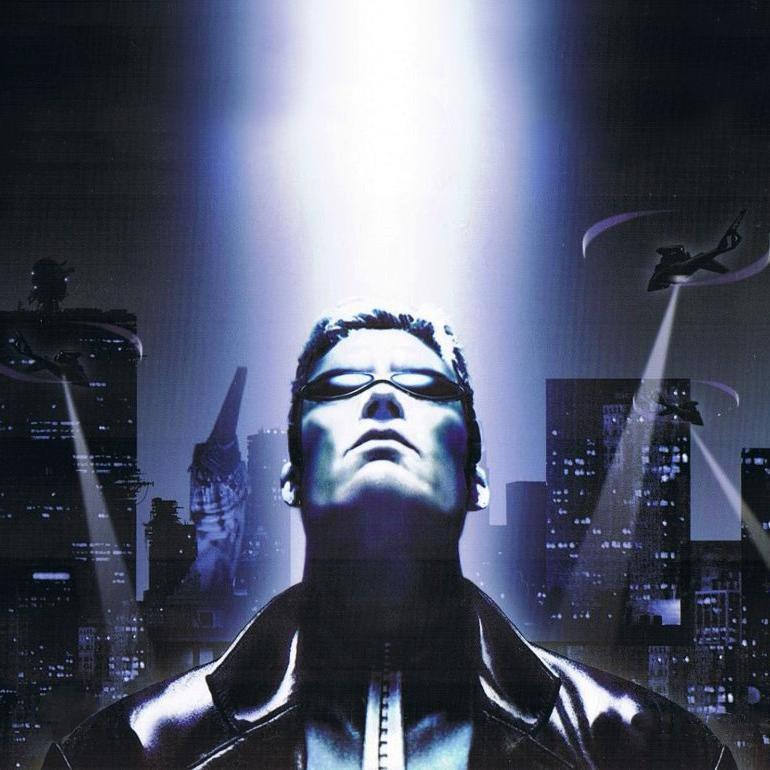
Deus Ex, launched in 2000, redefined player agency within the first-person genre. It offered an unparalleled degree of freedom, allowing players to approach objectives through combat, stealth, hacking, or diplomacy. This cyberpunk epic didn't just tell a story; it let you inhabit it, forcing choices with real consequences across its morally grey world. Its layered level design and deep character customization forged a template for immersive sims that few have matched since, demonstrating the power of systemic gameplay over linear progression.
4. Okami
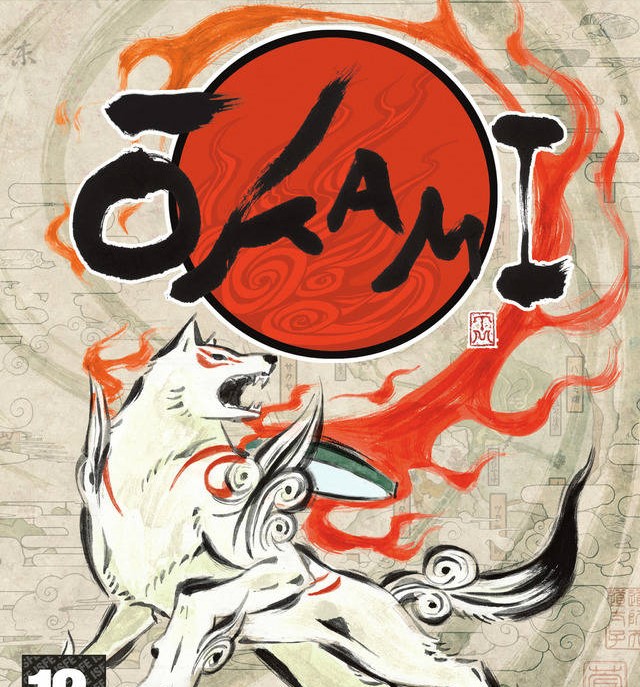
Okami, released in 2006, stood out with its breathtaking cel-shaded art style, reminiscent of traditional Japanese sumi-e painting. As Amaterasu, the sun goddess, players restored color and life to a cursed world using the innovative Celestial Brush mechanics. While often lauded for its beautiful aesthetic, rich mythology, and fluid combat, it unfortunately struggled commercially. Yet, its unique artistic vision and engaging gameplay ensured its place as a beloved, influential title, showcasing how cultural aesthetics can profoundly impact game design and narrative.
5. System Shock 2
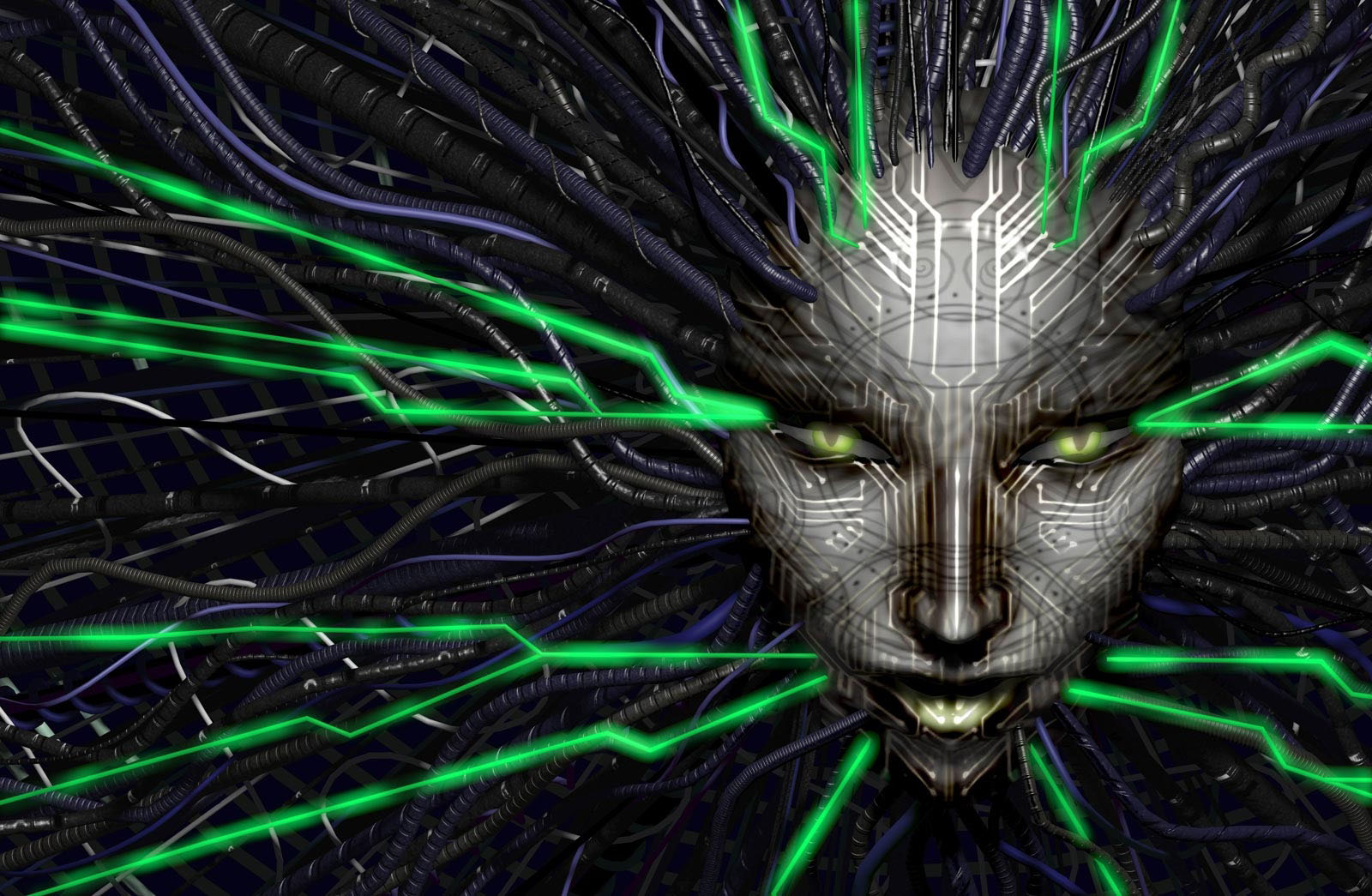
System Shock 2, from 1999, stands as a masterclass in atmospheric horror and immersive design. Blending RPG mechanics with a first-person shooter, it trapped players on a derelict starship, constantly hunted by the terrifying AI, SHODAN. Its innovative blend of inventory management, character progression, and environmental storytelling created a suffocating sense of dread and isolation. This game pioneered many elements later seen in titles like BioShock, demonstrating the terrifying potential of emergent gameplay and truly intelligent, antagonistic AI.
6. ICO
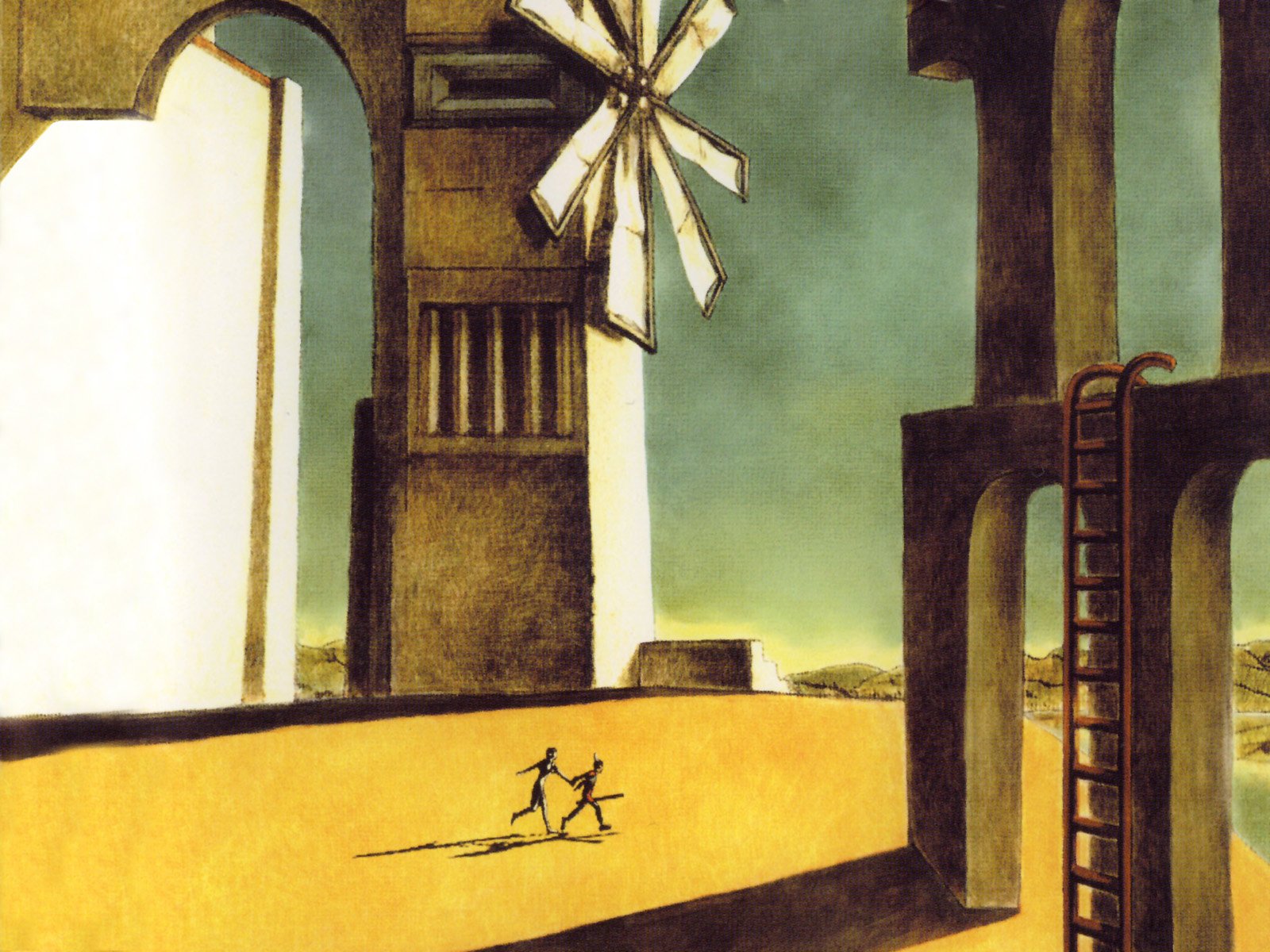
ICO, released in 2001, offered a profoundly minimalist yet deeply emotional experience. Its sparse narrative, relying heavily on visual storytelling and atmosphere, followed a horned boy protecting a mysterious girl through a haunting, desolate castle. The core mechanic of holding Yorda's hand created an unprecedented bond, showcasing how simplicity in mechanics could evoke powerful empathy. It proved that games didn't need complex dialogue or endless objectives to be profound, influencing countless titles focused on atmosphere and emotional connection.
7. Giants: Citizen Kabuto
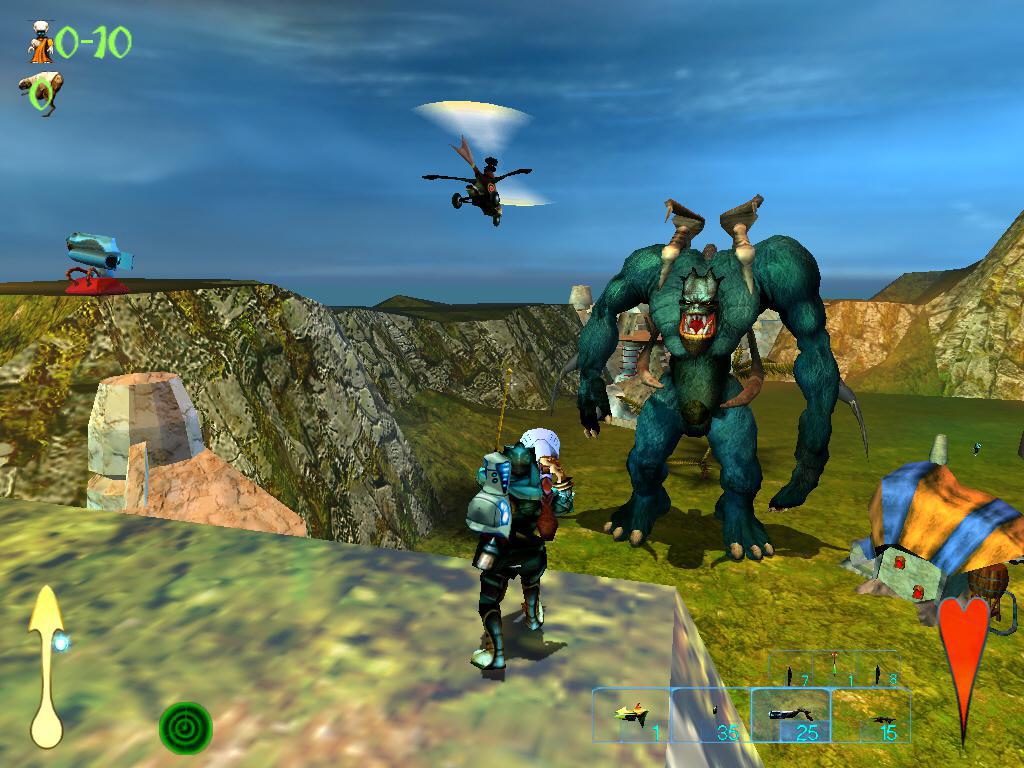
Giants: Citizen Kabuto, launched in 2000, was an ambitious, genre-bending title that blended third-person shooter action with real-time strategy elements and a healthy dose of irreverent humor. Players could switch between three wildly different factions—the agile Meccs, the magic-wielding Sea Reapers, and the colossal Kabuto. Its innovative gameplay, vibrant world, and quirky personality made it a standout. Though commercially overlooked, its creative ambition and refusal to fit neatly into a single category have solidified its status as a quirky, influential cult classic.