
1 / 7
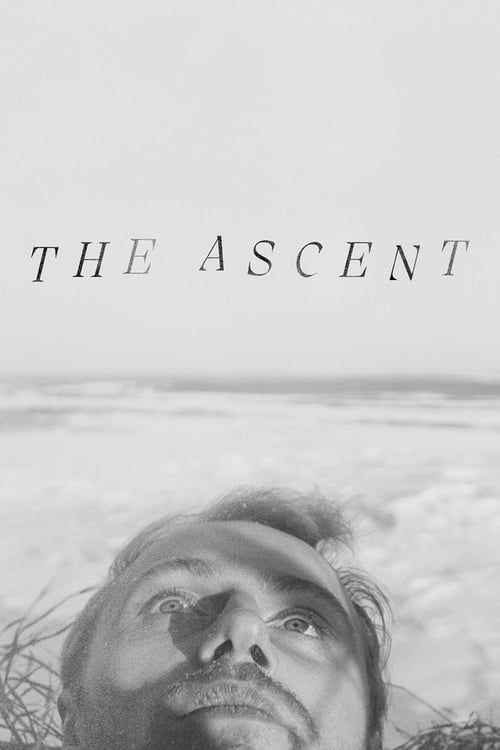
1. The Ascent
Larisa Shepitko's final film is a harrowing, almost spiritual descent into the moral abyss of World War II's Eastern Front. Shot in stark black and white, it follows two Soviet partisans captured by the Germans, charting their divergent paths through suffering, betrayal, and ultimate sacrifice. Shepitko's unflinching gaze transforms a brutal survival story into a profound examination of human dignity and faith under extreme duress, making it a masterwork of war cinema and a testament to its director’s singular vision.
2 / 7
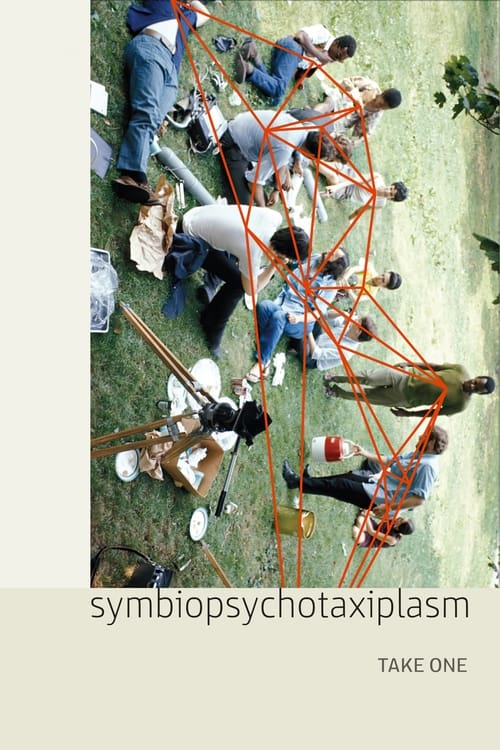
2. Symbiopsychotaxiplasm: Take One
William Greaves's audacious experimental film is a meta-cinematic puzzle box, where the act of filmmaking itself becomes the subject. Greaves stages a scene with actors, while simultaneously filming crew discussions, off-screen dramas, and even the audience's reactions. This layered, self-reflexive approach deconstructs narrative and documentary conventions, creating a perpetually shifting reality. It's a challenging, insightful, and often humorous look at power dynamics, perception, and the elusive nature of truth in cinema.
3 / 7
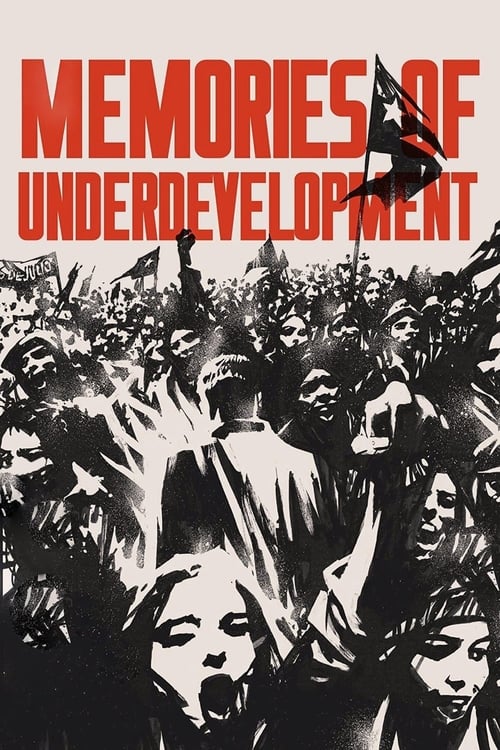
3. Memories of Underdevelopment
Tomás Gutiérrez Alea's seminal Cuban film offers a piercing portrait of intellectual alienation in post-revolutionary Havana. Sergio, a bourgeois writer, observes his changing society with detached cynicism, haunted by memories of a past life and unable to fully embrace the future. Through a mosaic of archival footage, internal monologues, and sharp social observation, Alea crafts a complex character study that navigates the personal and political, questioning the cost of societal transformation and individual identity.
4 / 7

4. Killer of Sheep
Charles Burnett's poetic masterpiece is a stark, yet tender, glimpse into the daily life of a working-class Black family in Watts, Los Angeles. Shot in a raw, neorealist style, it eschews conventional plot for a series of vignettes depicting the quiet desperation and fleeting joys of its protagonist, Stan, who works in a slaughterhouse. Burnett imbues ordinary moments with profound emotional resonance, capturing the beauty and burden of existence with an empathetic eye rarely seen in American cinema.
5 / 7
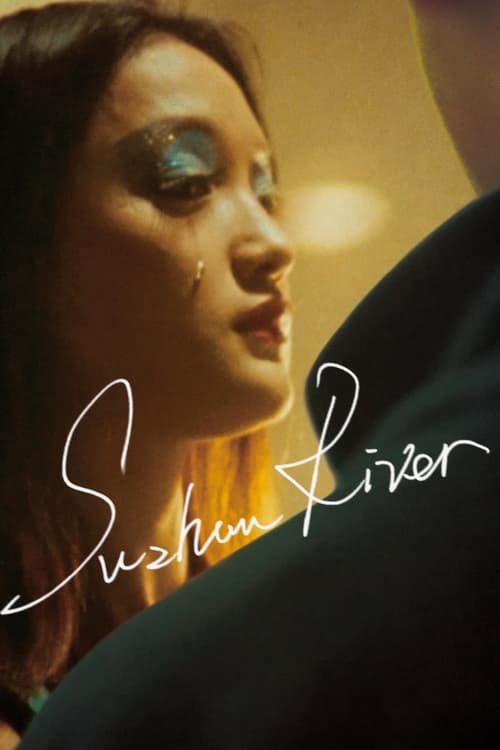
5. Suzhou River
Lou Ye's intoxicating neo-noir plunges into the murky waters of Shanghai's underbelly, weaving a complex tale of love, obsession, and mistaken identity. Narrated by an unseen videographer, the film follows a motorcycle courier's search for a lost love, who mysteriously resurfaces as a mermaid performer. With its dreamlike cinematography and fragmented narrative, *Suzhou River* channels a Wong Kar-wai sensibility, creating a haunting, atmospheric reflection on memory, fate, and the elusive nature of truth in a sprawling, indifferent city.
6 / 7
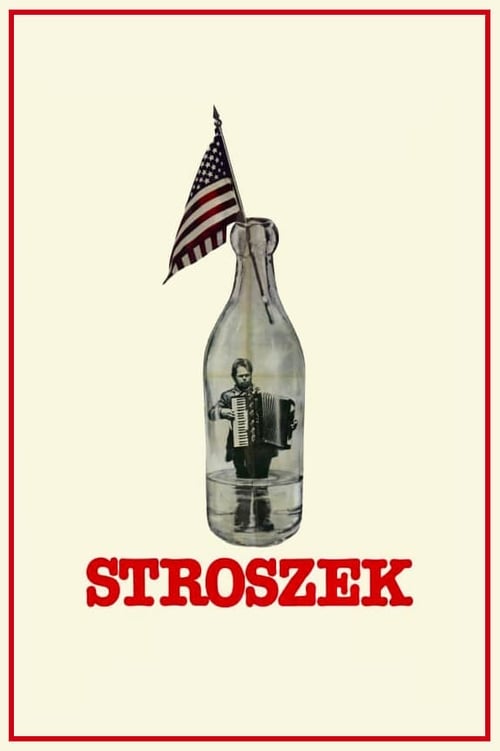
6. Stroszek
Werner Herzog's poignant and darkly comedic odyssey follows an outcast Berlin street musician, Bruno Stroszek, as he attempts to escape his bleak life by moving to rural Wisconsin with a prostitute and an elderly neighbor. What begins as a hopeful pursuit of the American Dream slowly devolves into a quintessentially Herzogian spiral of disillusionment and absurdity. It's a profound, empathetic examination of societal failures and the tragicomic fragility of the human spirit when confronted with an indifferent world.
7 / 7
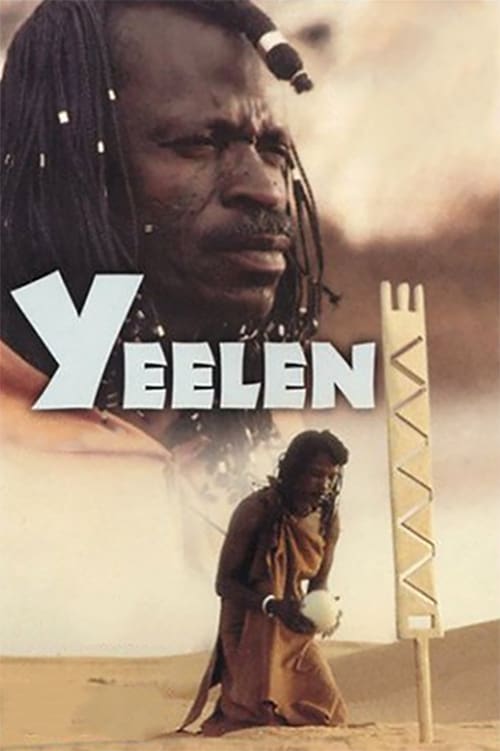
7. Yeelen
Souleymane Cissé's *Yeelen*, or "Brightness," is an extraordinary, visually stunning epic rooted in ancient Malian mythology. It tells the story of Nianankoro, a young man with magical powers, who must confront his sorcerer father to prevent him from misusing their ancestral knowledge. A journey of spiritual and physical trials, the film is a mesmerizing blend of folklore, mysticism, and breathtaking landscapes, offering a unique, non-Western narrative perspective on power, tradition, and destiny that is both profound and universally resonant.