

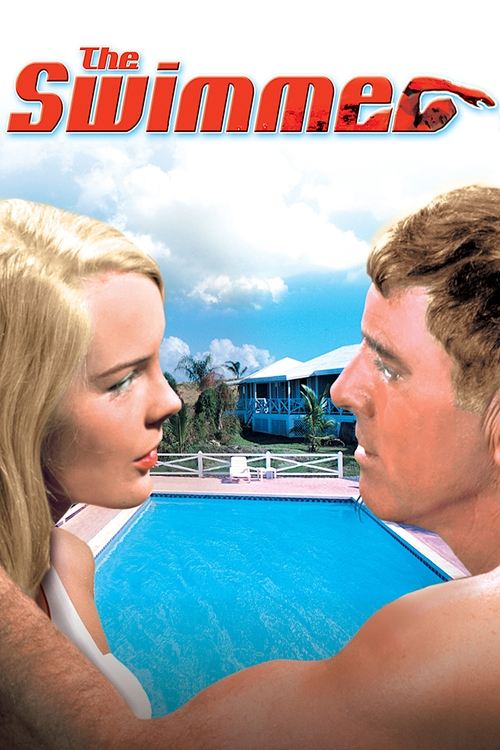
1. The Swimmer
Burt Lancaster's performance here is a masterclass in unraveling American suburban malaise. It’s a surreal odyssey across backyard pools, a man's desperate attempt to cling to a fading past, symbolized by each dip and conversation. Frank Perry's direction, often overlooked, captures a unique blend of aspirational facade and underlying despair, an existential crisis played out in broad daylight. The film observes the slow, agonizing erosion of a man's self-deception, leaving a profound, melancholic resonance.
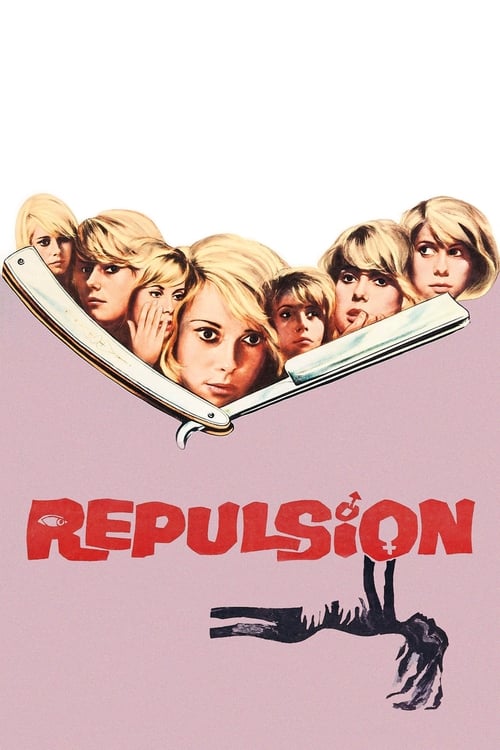
2. Repulsion
Roman Polanski’s early English-language work is a chilling descent into psychological fragmentation, anchored by Catherine Deneuve's haunting portrayal of Carol Ledoux. The film masterfully externalizes her escalating paranoia and sexual repression through increasingly grotesque and surreal distortions of her London apartment. It’s a claustrophobic, unsettling experience, a stark study of a mind shattering under unseen pressures, rendered with a clinical, yet deeply disturbing, precision that lingers long after the credits.
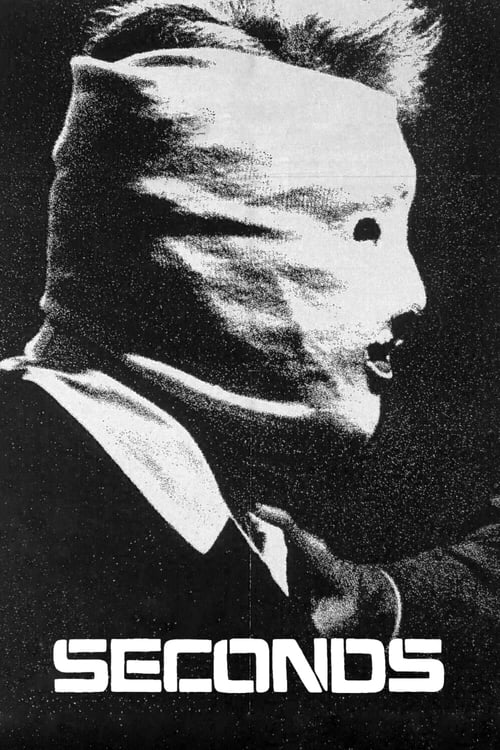
3. Seconds
John Frankenheimer’s paranoid thriller delves into the terrifying proposition of reinvention, where a sterile, elderly banker undergoes a radical surgical transformation into a younger man (Rock Hudson). This is not a dream come true; rather, it’s a nightmarish exploration of identity, agency, and the hollowness of promised perfection. The film’s striking cinematography and unsettling narrative question whether escaping one’s life is truly possible, or if the self is an inescapable prison.
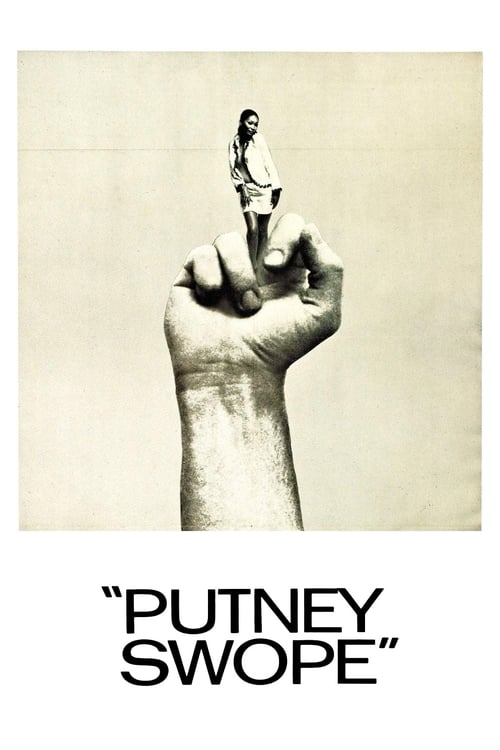
4. Putney Swope
Robert Downey Sr.’s audacious, satirical blast from the counter-culture era remains strikingly relevant. When Putney Swope, the only Black executive, is accidentally elected chairman of an advertising firm, he transforms it into a revolutionary, anti-establishment powerhouse. Shot partly in black and white for "serious" scenes and color for commercials, it's a chaotic, hilarious, and often uncomfortable critique of race, consumerism, and corporate hypocrisy, delivered with relentless, improvisational energy.
5. Valerie and Her Week of Wonders
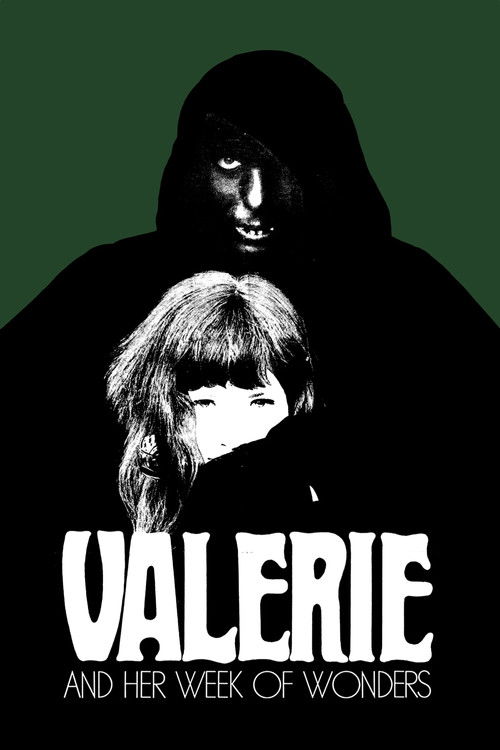
Jaromil Jireš crafts a dreamlike, sensual fairy tale that defies easy categorization. Following young Valerie’s journey through a phantasmagoric landscape of awakening sexuality and hidden desires, the film is less about narrative coherence and more about mood, symbolism, and ethereal beauty. It’s a visually stunning, almost hypnotic experience, evoking a sense of ancient myths and forbidden rites, a genuine art house gem that floats between innocence and dark fantasy.
6. Walkabout
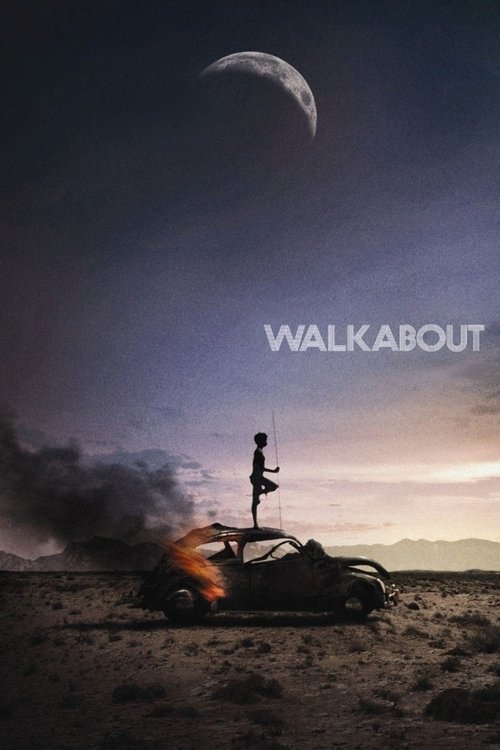
Nicolas Roeg's visually breathtaking film offers a profound, often unsettling, meditation on civilization versus nature. Two privileged British children are stranded in the Australian outback, saved by a young Aboriginal boy on his walkabout. The cultural clash, the beauty and harshness of the landscape, and the tragic miscommunication form a powerful, poetic narrative. Roeg’s elliptical editing and stunning cinematography create a truly immersive, thought-provoking journey into humanity’s primal connections and disconnections.
7. Symbiopsychotaxiplasm: Take One
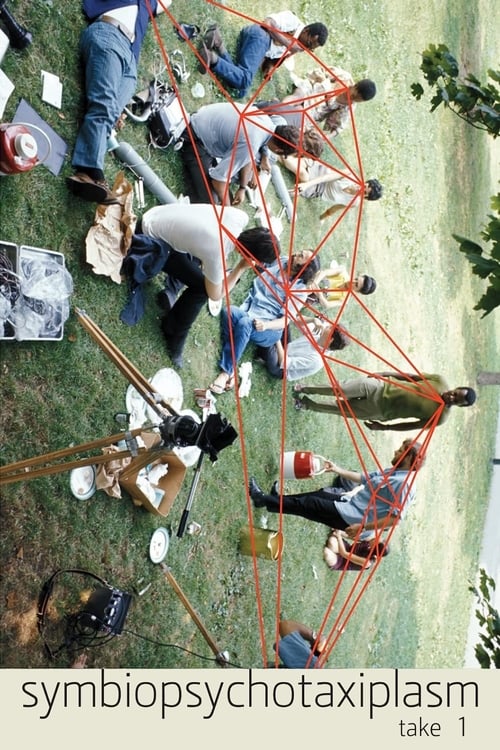
William Greaves's experimental documentary is a meta-cinematic marvel. It documents a film crew attempting to shoot a scene in Central Park, while simultaneously documenting themselves, and being documented by others. This layered, self-reflexive approach deconstructs the filmmaking process, authority, and performance itself. It’s a fascinating, disorienting, and remarkably prescient exploration of media, reality, and the recursive nature of observation, a truly unique piece of cinema.