
1. I Love Lucy
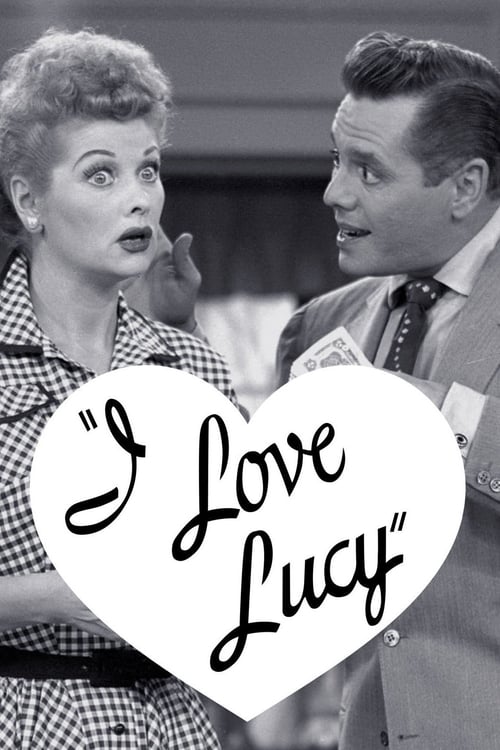
Now, *I Love Lucy* was a phenomenon, wasn't it? That live studio audience laughter, the way Lucy Ricardo would get herself into the most delightful scrapes. And Desi, always there to play the straight man. This wasn't just a sitcom; it was a weekly masterclass in physical comedy, filmed with three cameras, which was quite a feat for its day. It felt like watching a stage play, right there in your living room, in glorious black and white.
2. The Twilight Zone
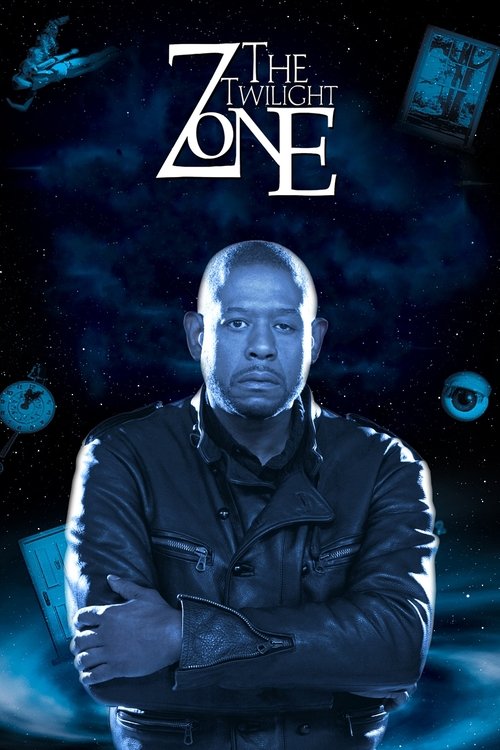
And then there was *The Twilight Zone*. Rod Serling's voice, gravelly and full of portent, ushered you into worlds both familiar and utterly unsettling. Each episode was a self-contained play, often a dark fable, delivered with a punch to the gut by the final scene. It wasn't just sci-fi; it was a probing look at human nature, often shot in stark black and white, leaving you with something to ponder long after the credits rolled.
3. Gunsmoke
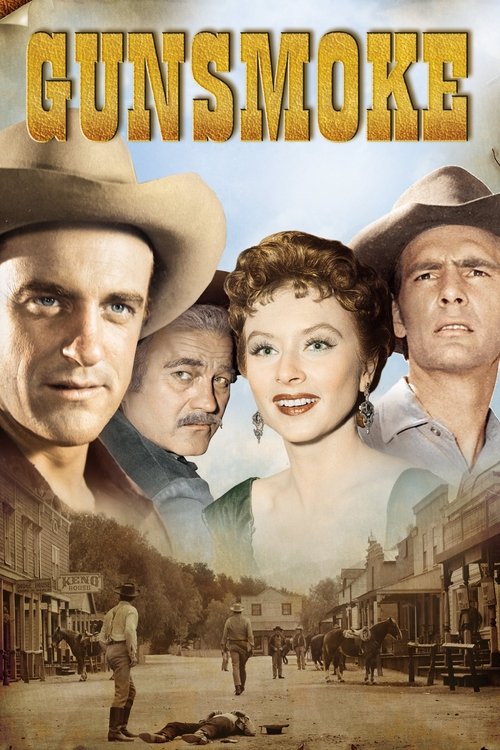
Well, *Gunsmoke* was a different breed of Western. It wasn't all fast draws and dusty shootouts, though you had those too. What really kept folks tuned in week after week was Marshal Dillon's quiet strength and the townsfolk of Dodge City. It built a world, slowly, deliberately, giving you time to care about these characters. And for a drama, it certainly held its own for a good long run, establishing the hour-long format we grew to expect.

4. The Ed Sullivan Show
For pure variety, you couldn't beat *The Ed Sullivan Show*. Every Sunday night, Ed would stand there, rather stiffly, and introduce acts from every corner of entertainment. From rock-and-roll upstarts to seasoned comedians, from acrobats to puppet shows, it was all there. It felt like a direct descendant of Vaudeville, beamed right into your home. And for many, it was the only place to see those new musical sensations.
5. Playhouse 90
Now, if you wanted serious drama, live and often sprawling, *Playhouse 90* was the benchmark. These were ninety-minute plays, broadcast live, often pushing boundaries with their stories and performances. It felt like a grand theatrical event happening right before your eyes, with the occasional flub reminding you it was truly live television. It brought a certain gravitas to the small screen, a real commitment to ambitious storytelling.

6. Dragnet
"Just the facts, ma'am." That was *Dragnet*. Jack Webb's Sgt. Friday was the very embodiment of the no-nonsense detective. It pioneered the police procedural, showing the meticulous, often mundane, work of law enforcement. The stark black-and-white cinematography and the clipped dialogue lent it an almost documentary feel. It was a serious business, often without a hint of levity, setting a tone for crime dramas for decades.

7. The Fugitive
*The Fugitive* was a revelation in serialized storytelling. Dr. Richard Kimble, forever on the run, searching for the one-armed man who murdered his wife. Each week, he'd land in a new town, face a new challenge, and narrowly escape capture by Lt. Gerard. This wasn't just episodic; it was a continuous, compelling chase that kept you utterly hooked, proving that television could tell a long, unfolding drama.