
1. After Hours
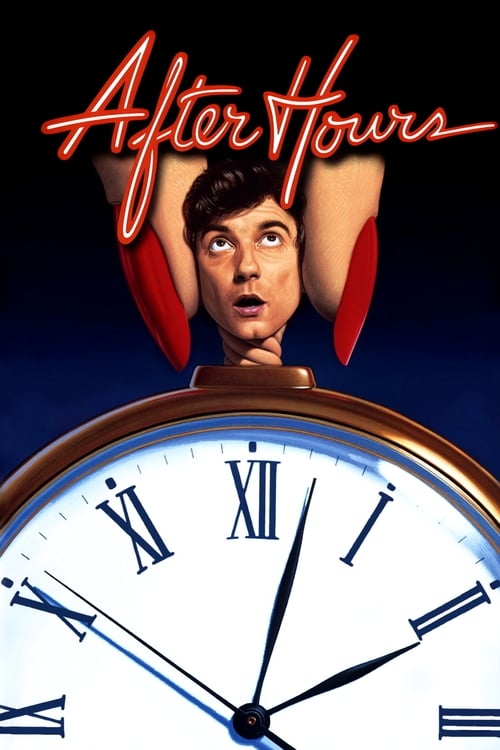
Martin Scorsese, often associated with grand narratives of machismo and morality, offered a starkly different, unsettling vision with this nocturnal odyssey. Following Paul Hackett's increasingly bizarre night in SoHo, the film brilliantly captures the anxieties of urban alienation and the absurd terror of being hopelessly trapped. It is a masterclass in escalating dread, a Kafkaesque comedy reflecting society's subconscious fears of the unknown, just around the next corner.
2. Being There
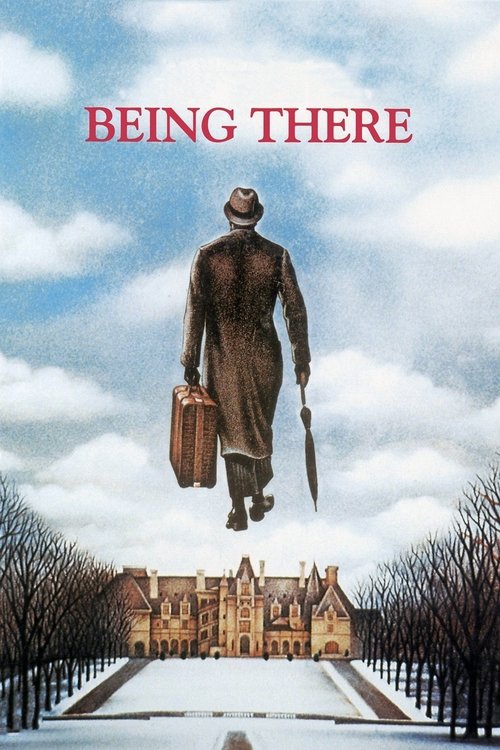
Hal Ashby’s gentle yet incisive satire, led by Peter Sellers' career-defining performance as Chance, the gardener, serves as a profound meditation on perception and media manipulation. As his simplistic observations are mistaken for deep wisdom, the film cleverly dissects the superficiality of political discourse and intellectual circles. It remains a poignant commentary on how readily society projects meaning onto an empty vessel.
3. Seconds
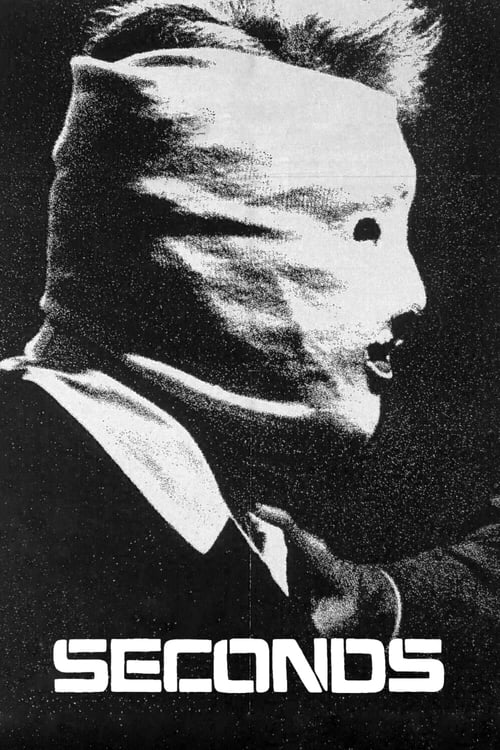
John Frankenheimer’s chilling science fiction thriller explores the ultimate existential dread: the loss of self. Rock Hudson portrays a man undergoing a radical transformation for a "second chance," only to discover a meticulously constructed, yet hollow, new existence. This visually inventive film, with its disorienting cinematography, delves into the terrifying implications of escaping one's identity, revealing the inescapable nature of the human condition.

4. Mikey and Nicky
Elaine May’s raw, unflinching drama stands as a testament to naturalistic filmmaking, detailing a night of desperate reckoning between two lifelong friends. John Cassavetes and Peter Falk deliver searing, semi-improvised performances, exposing the brutal, toxic undercurrents of male companionship and betrayal. May’s directorial control over this chaotic intimacy offers a penetrating, often painful, reflection on loyalty and self-preservation.
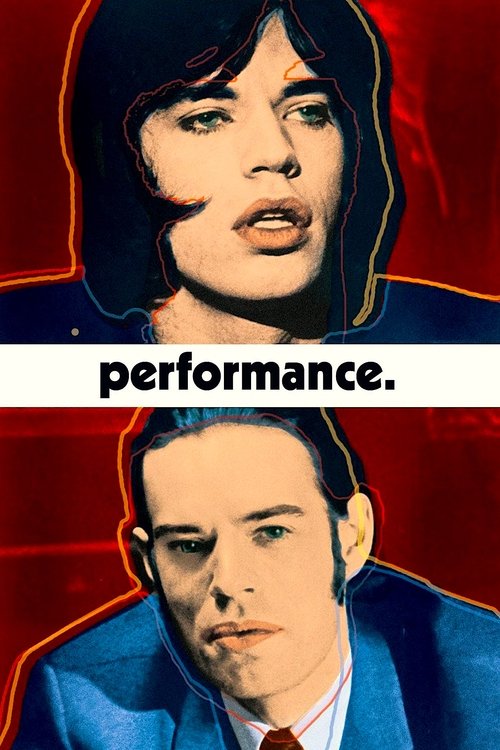
5. Performance
This audacious collaboration between Nicolas Roeg and Donald Cammell transcends mere crime drama, plunging into a psychedelic exploration of identity, sexuality, and the counter-culture zeitgeist. Mick Jagger and James Fox navigate a hallucinatory London underworld, their personalities blurring and merging. It is a visually experimental, profoundly disorienting film that interrogates societal norms and the very fabric of perception.
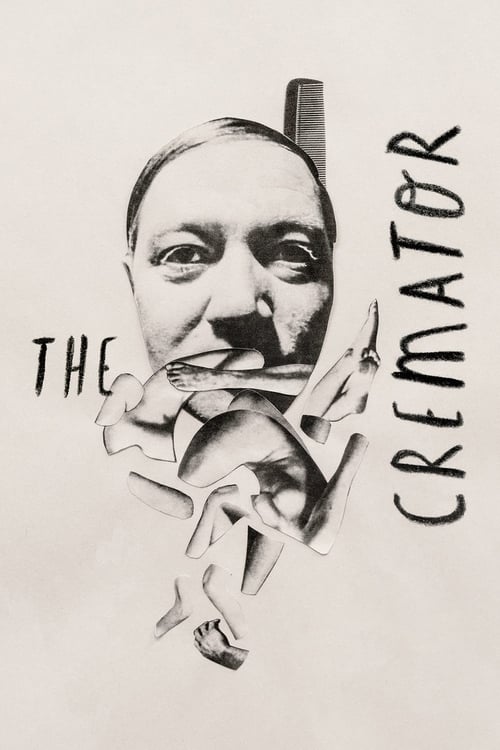
6. The Cremator
Juraj Herz's masterpiece of the Czech New Wave is a grotesque, darkly comedic descent into the mind of a man seduced by totalitarian ideology. Karel Kopfrkingl, a diligent cremator, finds his morbid profession aligning disturbingly with the rising fascist regime. This film, with its chillingly polite protagonist and surreal imagery, offers a biting, unforgettable satire on complicity and the normalization of evil.