1. System Shock 2
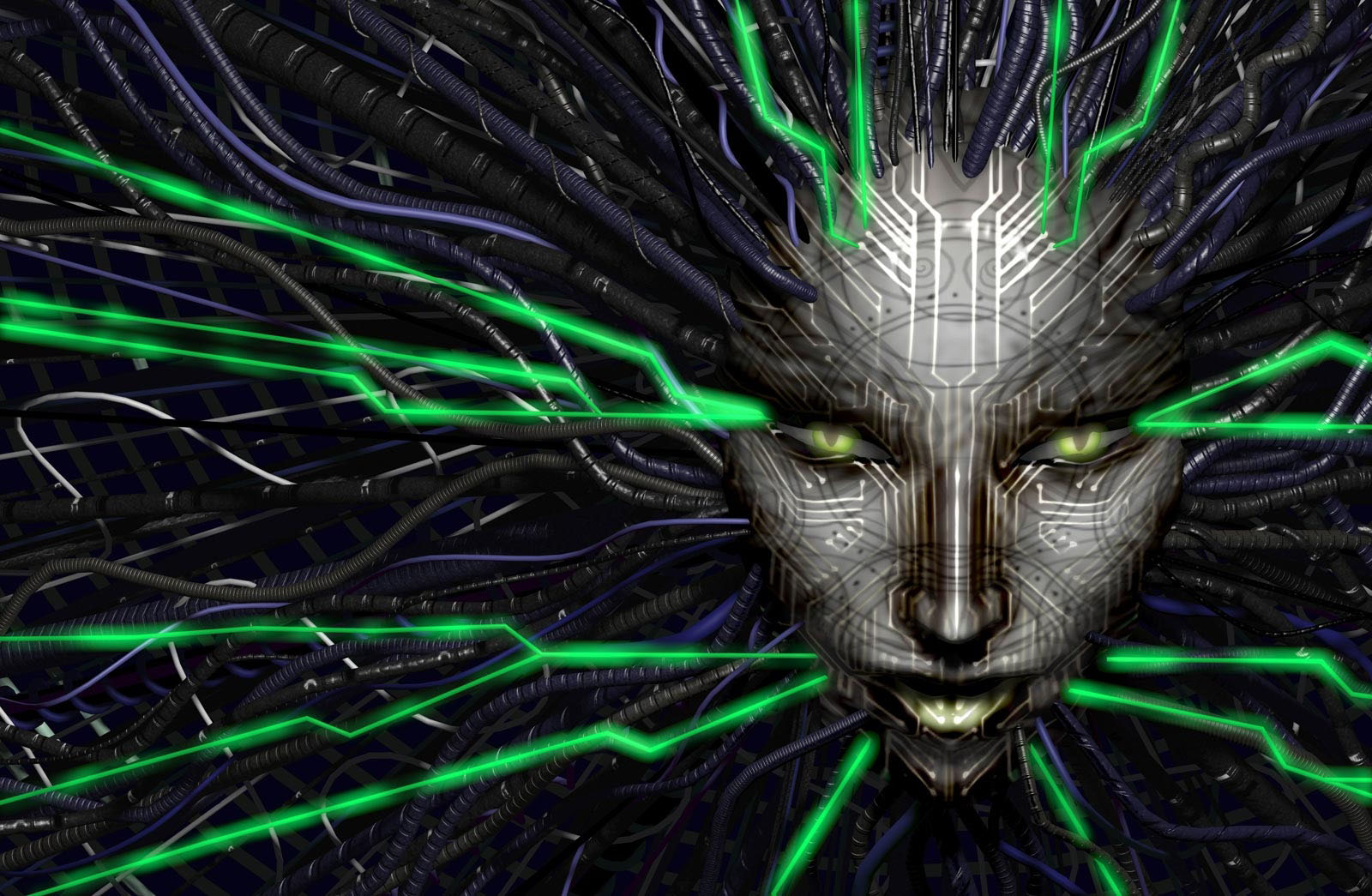
Released in 1999, System Shock 2 stands as a testament to atmospheric design and emergent gameplay. It wasn't just a shooter; it pioneered the immersive sim, blending RPG progression with psychological horror and a truly menacing antagonist in SHODAN. Despite its critical acclaim, commercial success was modest, yet its influence on titles like BioShock and Prey is undeniable. Players found a dark, unsettling space station filled with ethical dilemmas and terrifying enemies, demonstrating how innovative mechanics could forge an unforgettable experience, even if the market wasn't quite ready.
2. Beyond Good & Evil - 20th Anniversary Edition
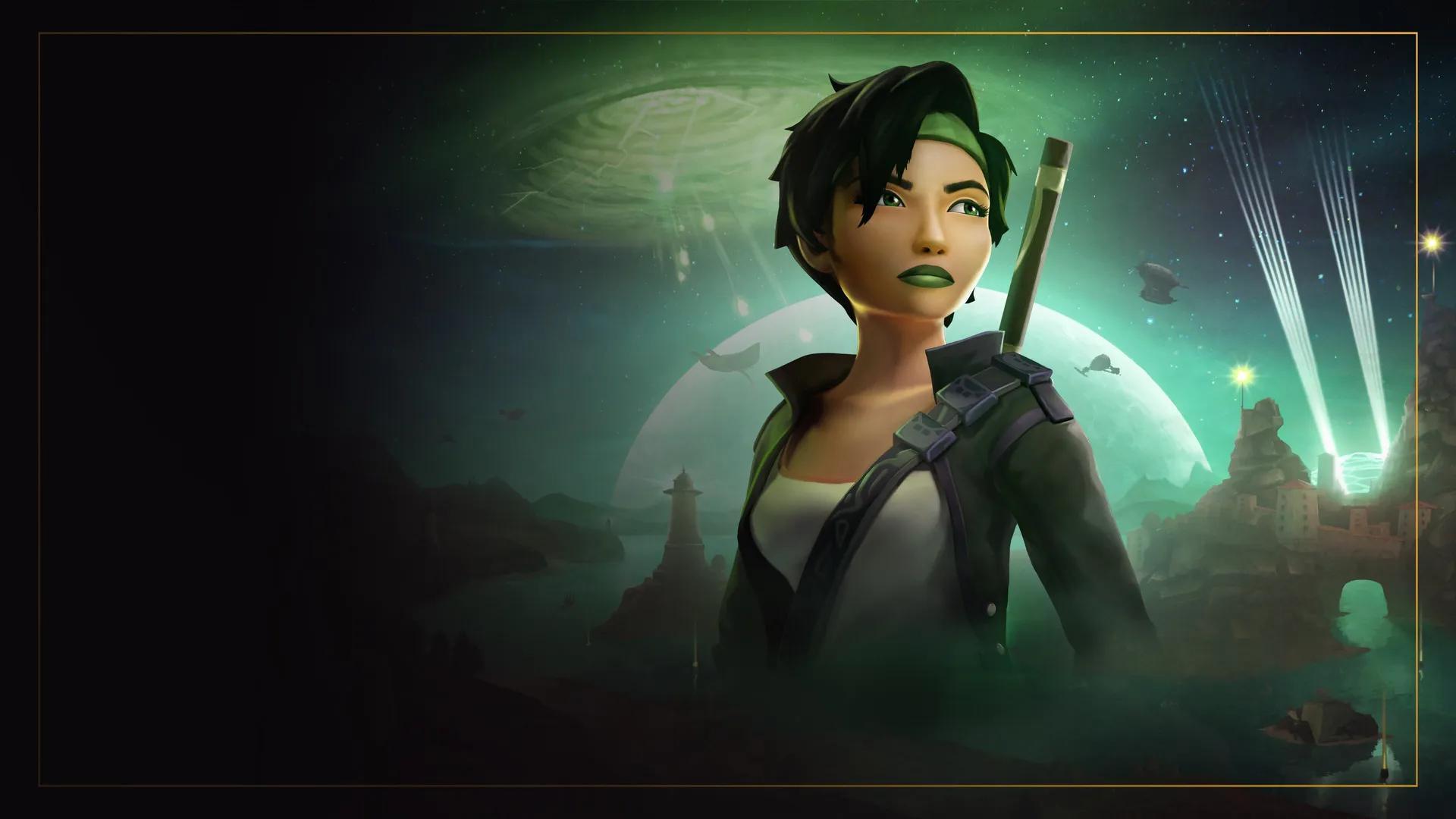
The original Beyond Good & Evil, launched in 2003, captivated critics with its vibrant world, compelling characters, and poignant narrative. Its unique blend of stealth, combat, and photography offered something fresh, yet it struggled to find a large audience. Now, the 20th Anniversary Edition offers a renewed chance to experience Jade's fight against a fascist regime. It remains a masterclass in world-building and storytelling, proving that a game with genuine heart and innovative ideas can resonate across generations, awaiting its moment in the spotlight.
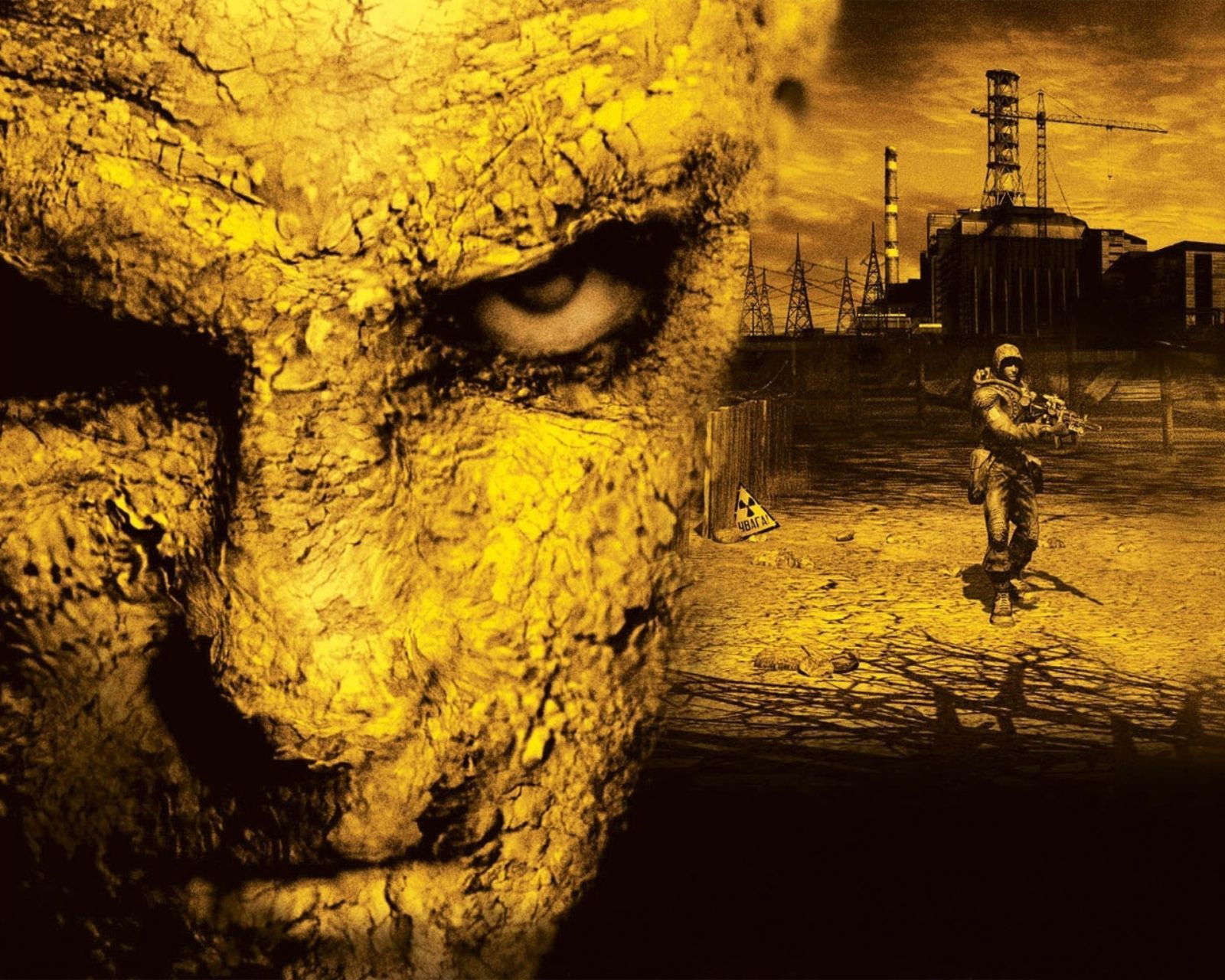
3. S.T.A.L.K.E.R.: Shadow of Chernobyl
Emerging from Ukraine in 2007, S.T.A.L.K.E.R.: Shadow of Chernobyl carved out a unique space in gaming. It wasn't polished like its Western contemporaries, but its raw, unforgiving depiction of the Chernobyl Exclusion Zone was captivating. Combining open-world exploration with survival horror, RPG elements, and a distinct 'A-Life' system, it created an unparalleled sense of dread and discovery. This title cultivated a fiercely loyal following, demonstrating that an uncompromising vision and profound atmosphere could triumph over conventional expectations, becoming a cult classic.
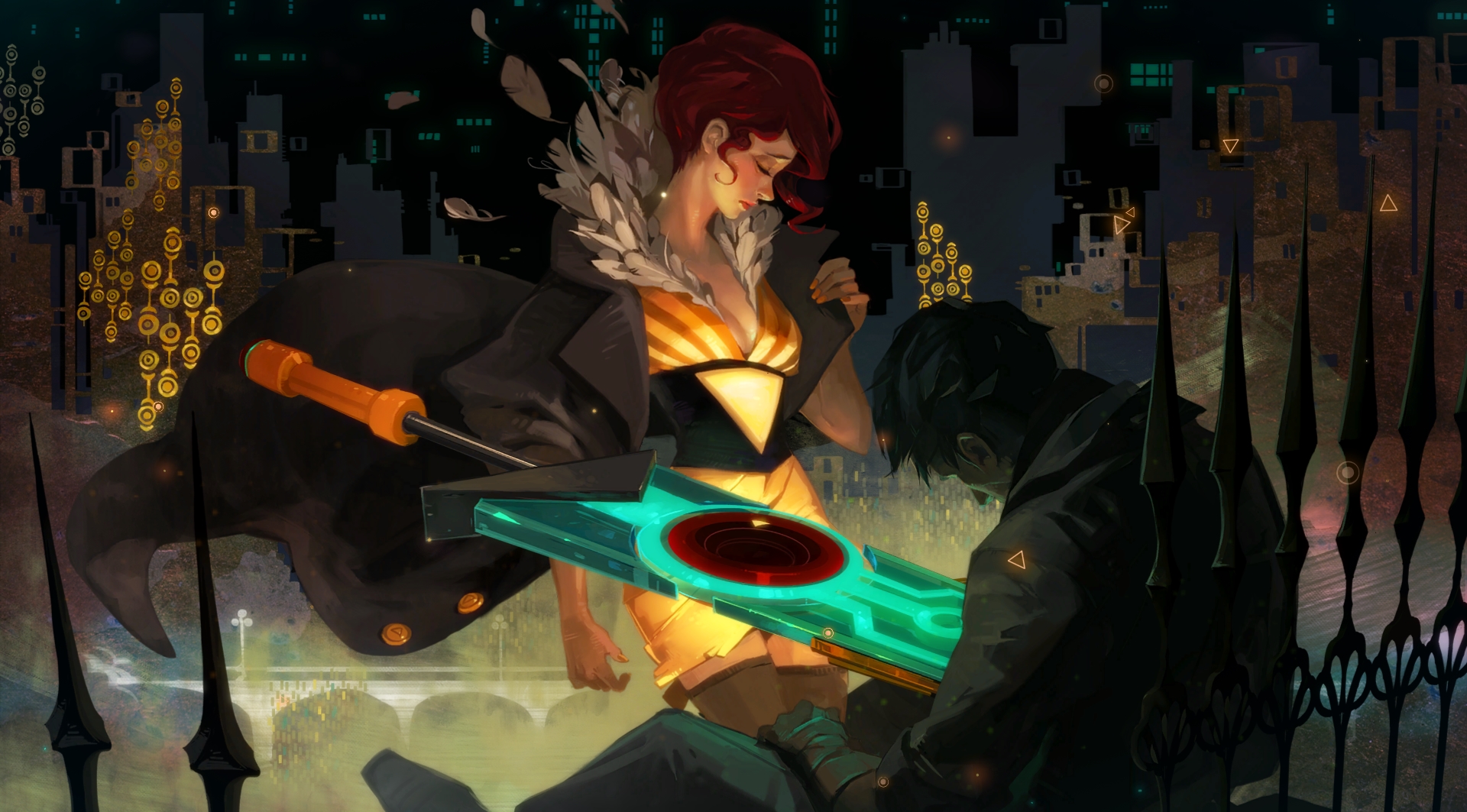
4. Transistor
Supergiant Games' 2014 follow-up to Bastion, Transistor, delivered a stylish, cyberpunk-infused action RPG with a mournful narrative. Its innovative combat system, allowing players to plan and execute turns in a paused state, was a standout feature. Visually and acoustically, it was a tour de force, yet it perhaps didn't reach the same broad audience as its predecessor. Transistor proved that artistic vision, coupled with unique mechanical design and a deeply emotional story, could create a profoundly memorable experience, even if it whispered rather than shouted its brilliance.
5. Xenogears (1998)
Xenogears, a PlayStation JRPG from 1998, remains a towering achievement in storytelling, despite its notoriously rushed second half. Its ambitious narrative, delving into philosophy, religion, and psychology across millennia, was groundbreaking. Coupled with engaging turn-based combat and impressive giant robot battles, it offered an unparalleled epic scope. Though it faced development challenges, its profound themes and intricate world-building left an indelible mark on those who played it, showcasing how a game's narrative depth can overcome production hurdles to achieve legendary status.
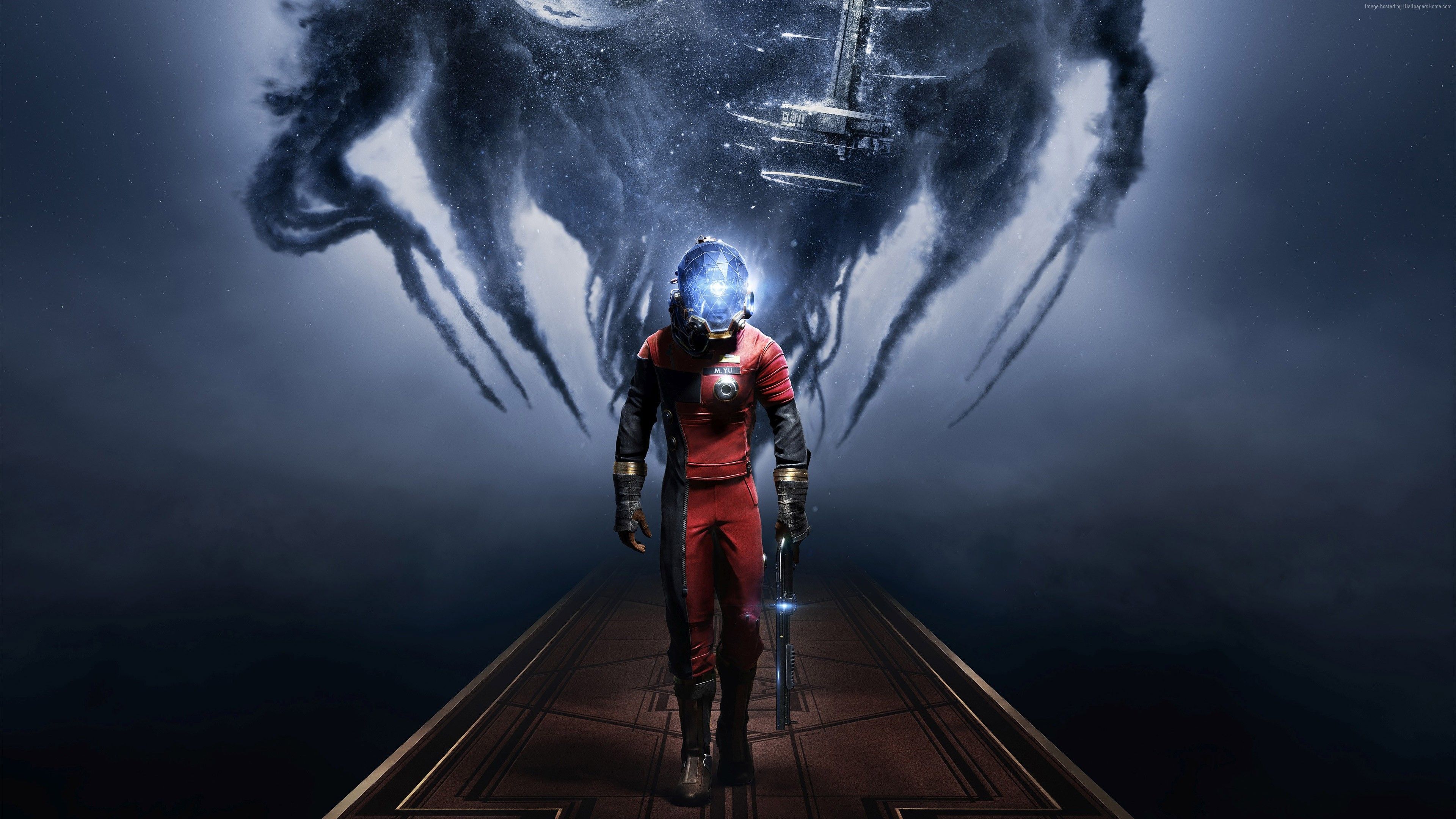
6. Prey
Arkane Studios' 2017 reboot of Prey offered a masterclass in the immersive sim genre. Set aboard the derelict space station Talos I, it delivered unparalleled player agency, intricate level design, and a pervasive sense of dread. While critically lauded for its intelligent design and compelling narrative, it never quite achieved the mainstream recognition of some peers. Prey proved that thoughtful environmental storytelling, diverse problem-solving, and a commitment to player choice can create a truly deep and replayable experience, cementing its place as a modern classic among discerning players.