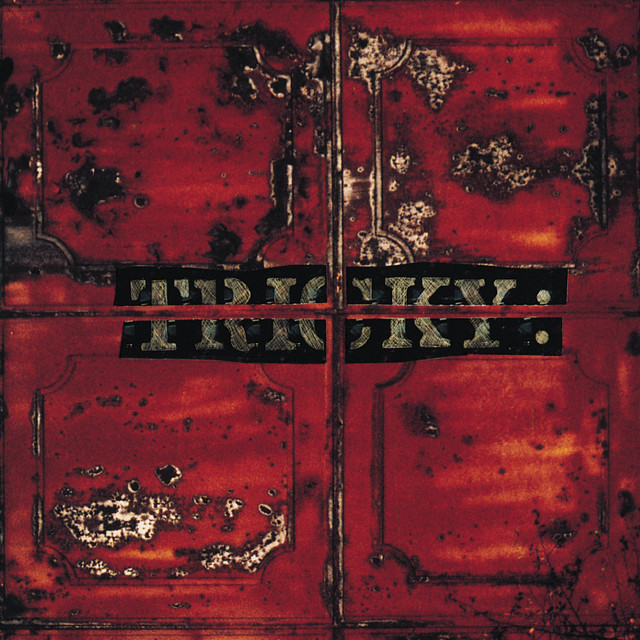
1. Maxinquaye
Tricky's 1995 debut was a low-lit, smoky room of a record. It felt like the soundtrack to a city after midnight, all hushed beats and whispered anxieties. Martina Topley-Bird's vocals slithered through the sparse, unsettling soundscapes, making "Maxinquaye" less about hooks and more about an immersive, almost claustrophobic vibe. This wasn't just trip-hop; it was a blueprint for how electronic textures could convey raw, human vulnerability, creating a world you could disappear into. It still feels impossibly cool, an intimate confessional played through a digital haze.
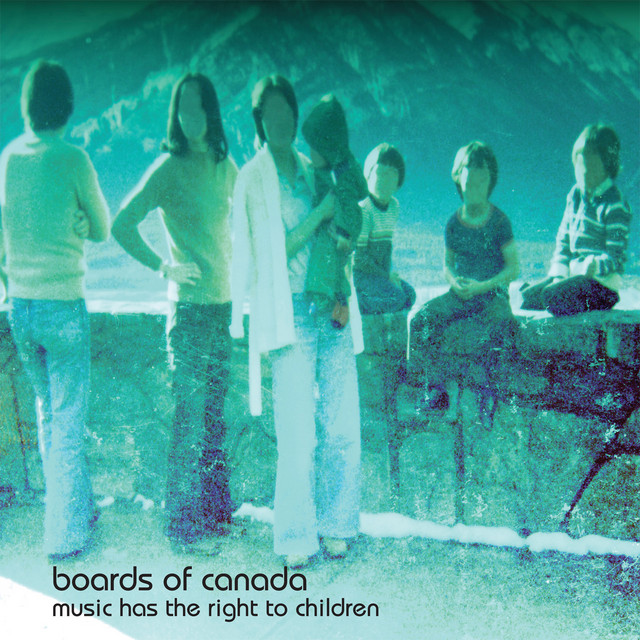
2. Music Has The Right To Children
Boards of Canada's 1998 masterpiece was less an album and more a faded VHS tape of forgotten childhood memories. They conjured a hyper-specific, sun-drenched, yet strangely melancholic world out of dusty analog synths and warped samples. It felt like finding a secret broadcast from a bygone era, full of disembodied voices and hummed melodies. This wasn't just IDM; it was sonic nostalgia, digitally rendered yet deeply organic, reminding you of summers that never quite existed. It’s an album that whispers its secrets, inviting you to decode its hazy, pastoral beauty.
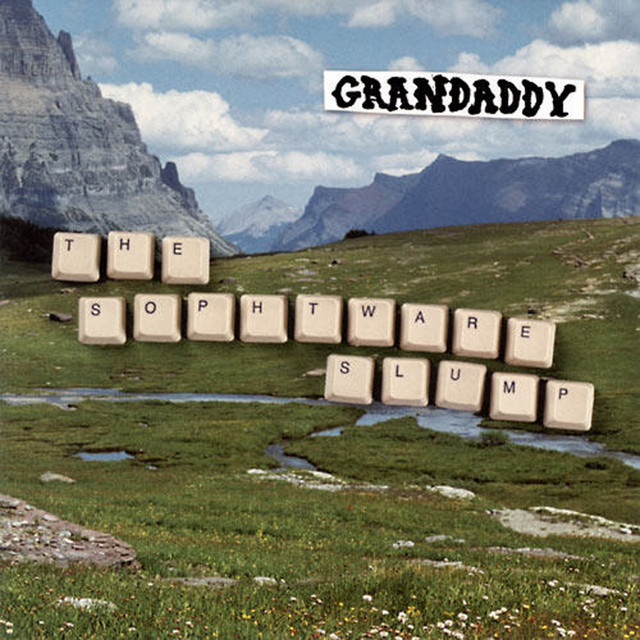
3. The Sophtware Slump
Grandaddy’s 2000 opus captured the uneasy transition into a new millennium, where digital promises felt more like existential dread. Jason Lytle sang about lonely robots and failing technology, his voice a weary sigh over shimmering guitars and lo-fi electronic atmospherics. It’s a record that understood the burgeoning isolation of the internet age before we fully did. This wasn't just indie rock; it was a melancholic, almost prophetic look at humanity grappling with its silicon creations, a beautiful, poignant elegy for a future that felt both exciting and terrifyingly empty.
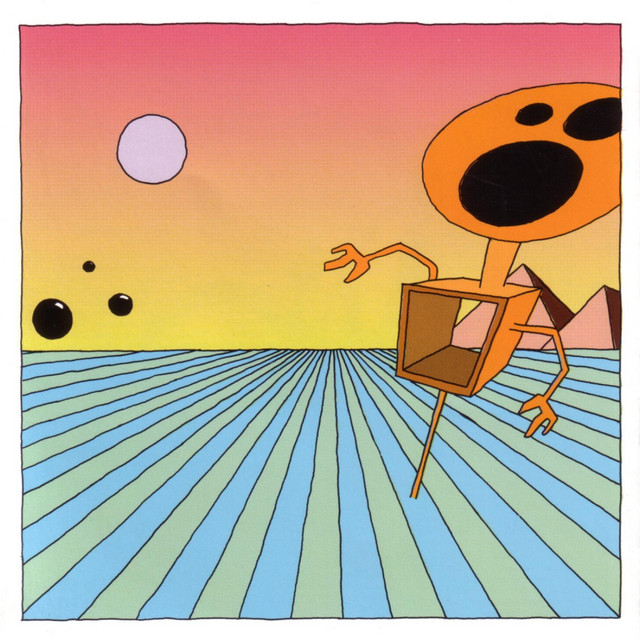
4. Emergency & I
The Dismemberment Plan’s 1999 album was pure kinetic energy, a frantic, brilliant burst of post-punk informed by a nascent digital anxiety. Travis Morrison’s vocals darted and weaved, perfectly mirroring the angular, intricate guitar work and propulsive rhythms. It felt like a smart, slightly neurotic conversation happening at hyperspeed, brimming with wit and genuine emotion. This wasn't just indie rock; it was a masterclass in tension and release, a record that felt incredibly intelligent without ever being alienating. It still hums with an urgent, undeniable vitality, a true underground classic.
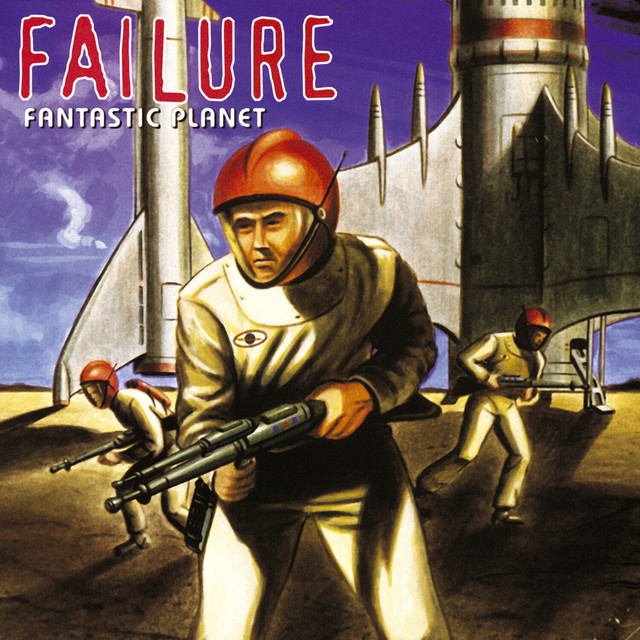
5. Fantastic Planet
Failure's 1996 epic was a sprawling, cosmic journey, a heavy, yet surprisingly melodic space-rock masterpiece. Ken Andrews' production was immaculate, creating dense layers of distorted guitars and ethereal vocals that felt both crushing and weightless. It transcended the grunge hangover, forging a unique path with its meticulous sound design and ambitious scope. This wasn't just alternative rock; it was a fully realized sonic universe, a meticulously crafted soundscape that felt both intensely personal and infinitely vast. It still feels like unlocking a secret level, a truly immersive experience.
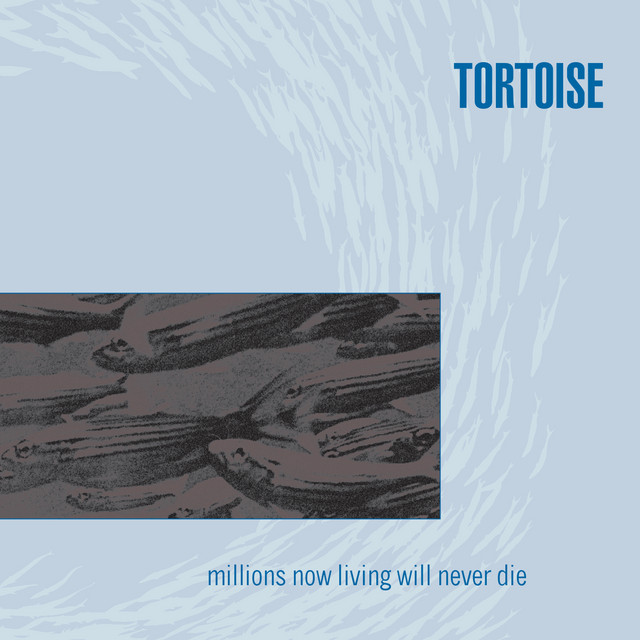
6. Millions Now Living Will Never Die
Tortoise’s 1996 landmark was a quiet revolution, a sprawling instrumental odyssey that redefined what "rock" could even mean. They fused jazz precision, krautrock repetition, and electronic textures into something entirely new, using the studio as their primary instrument. It felt like a meticulously constructed sonic architecture, each part interlocking with purposeful elegance. This wasn't just post-rock; it was a masterclass in restraint and exploration, a record that invited deep listening rather than passive consumption. It still feels like a secret code, revealing more with every careful listen, endlessly fascinating.