1 / 6
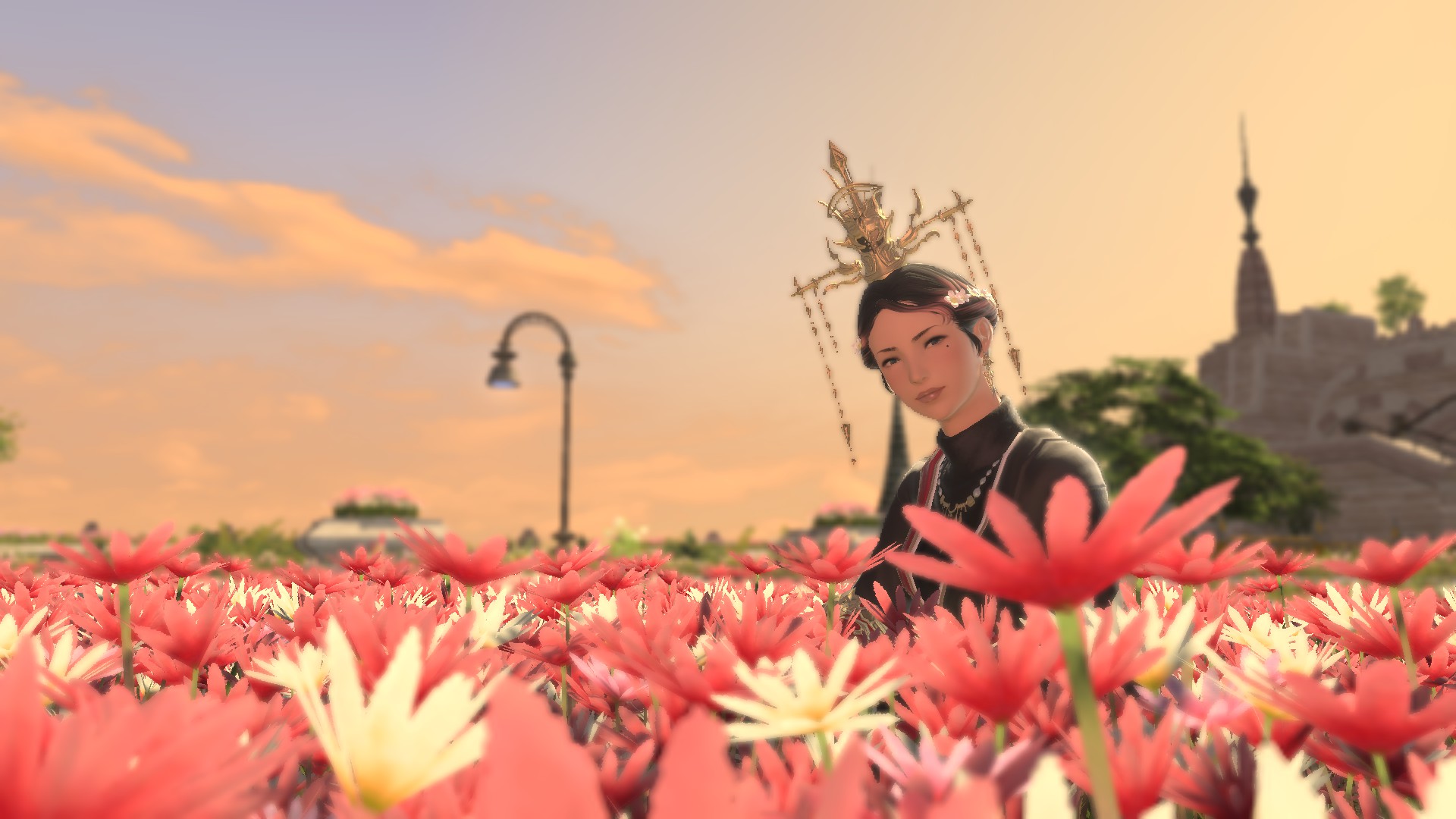
1. Final Fantasy XIV
The original "1.0" release was an unmitigated disaster, a stain on Square Enix's reputation. But then came the unprecedented decision: scrap it entirely and rebuild. Naoki Yoshida spearheaded this Phoenix-like resurrection, crafting "A Realm Reborn." It was more than a patch; it was a total overhaul, transforming a widely ridiculed failure into one of the most critically acclaimed and enduring MMORPGs in history. A true testament to second chances.
2 / 6
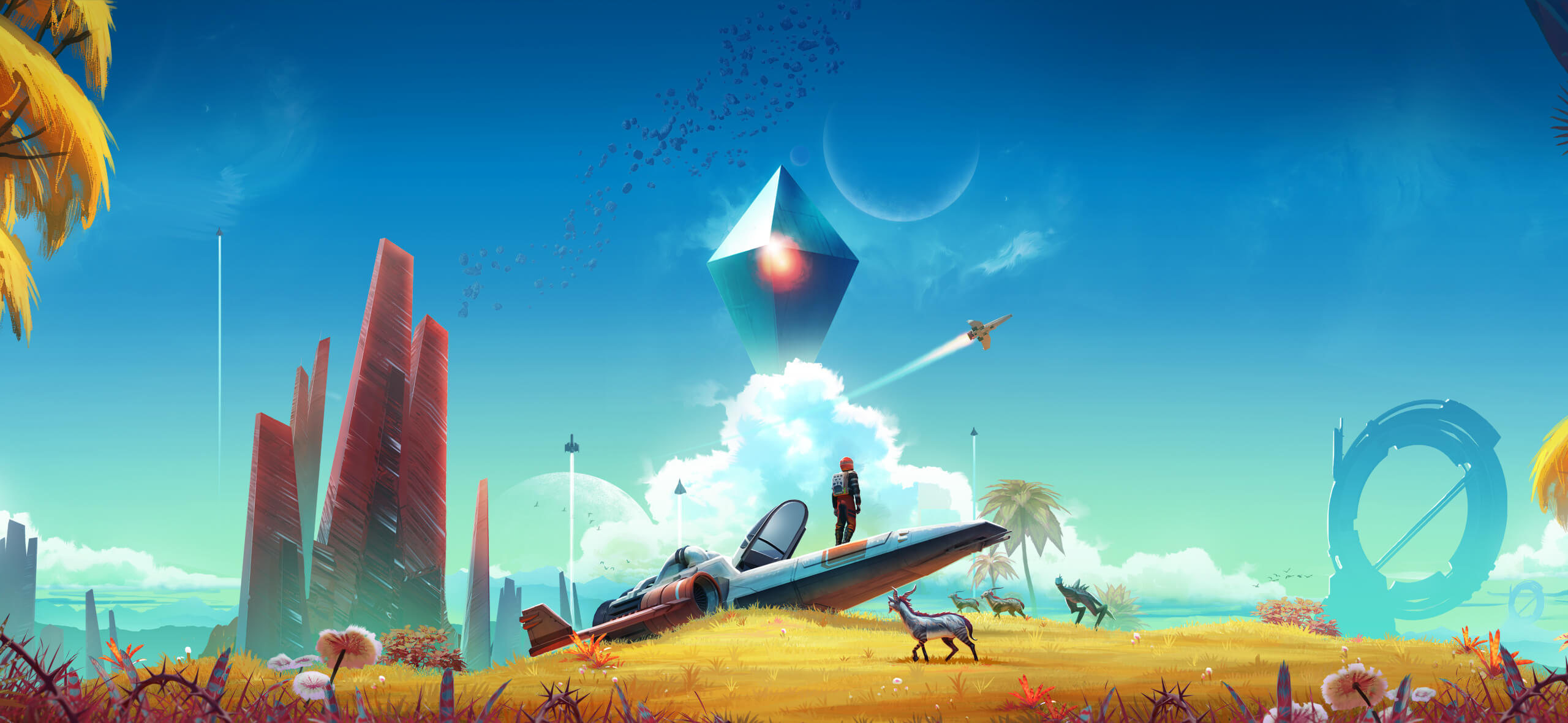
2. No Man's Sky
Upon its 2016 launch, "No Man's Sky" faced a storm of criticism for unfulfilled promises and a perceived lack of content. Yet, Hello Games didn't abandon it. Through years of consistent, free updates like NEXT, Beyond, and Origins, they meticulously built out the universe, adding multiplayer, base building, and deeper exploration. The game transcended its initial reputation, becoming a benchmark for developer redemption and a genuinely unique space sandbox.
3 / 6
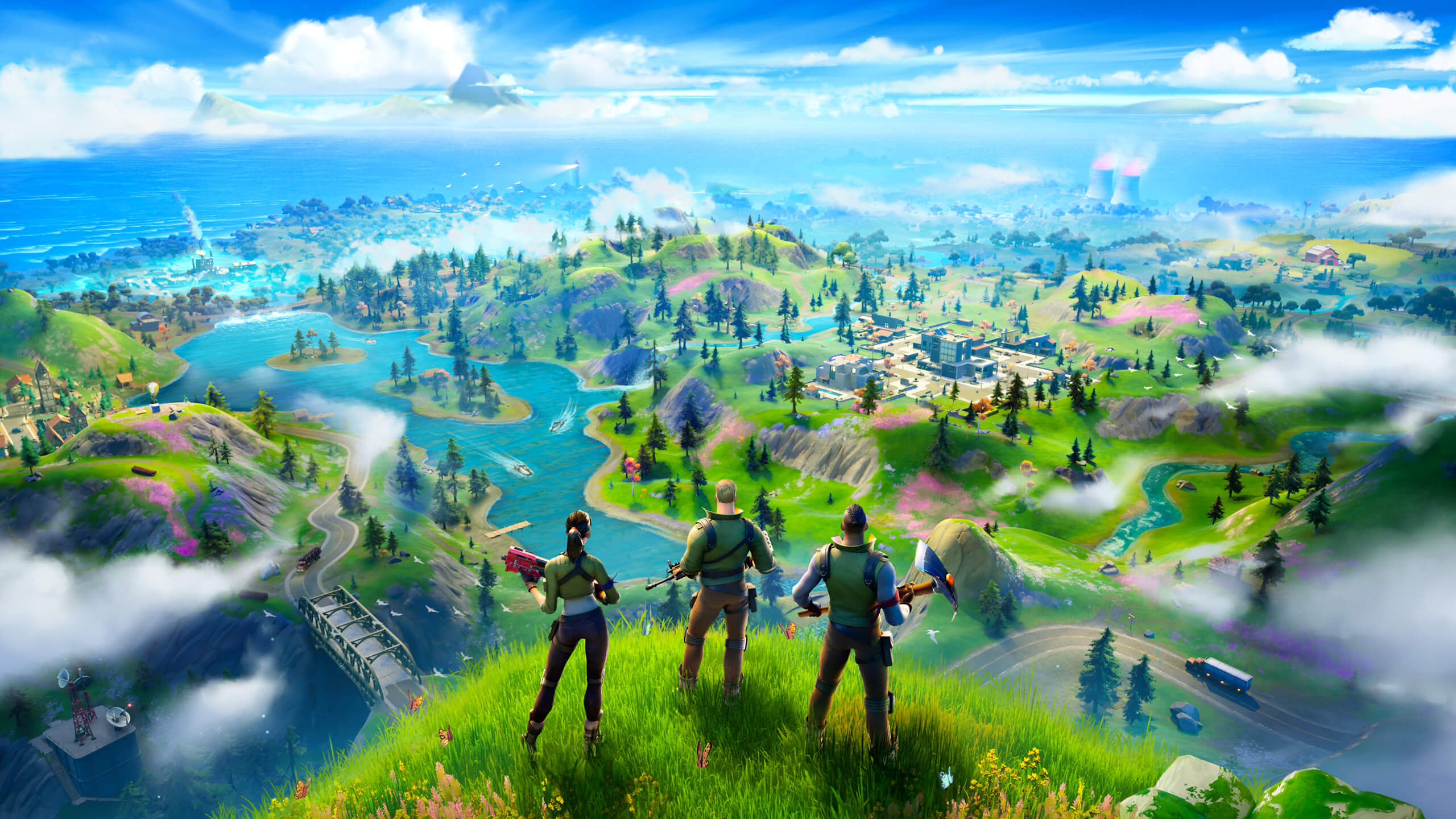
3. Fortnite Battle Royale
Before its global dominance, "Fortnite" was a cooperative tower defense game called "Save the World," struggling to find its audience. But then, Epic Games pivoted, quickly developing and releasing a free-to-play Battle Royale mode. This strategic shift wasn't just a new mode; it was a complete identity change. It propelled "Fortnite" into a cultural juggernaut, redefining online multiplayer and influencing countless other games.
4 / 6
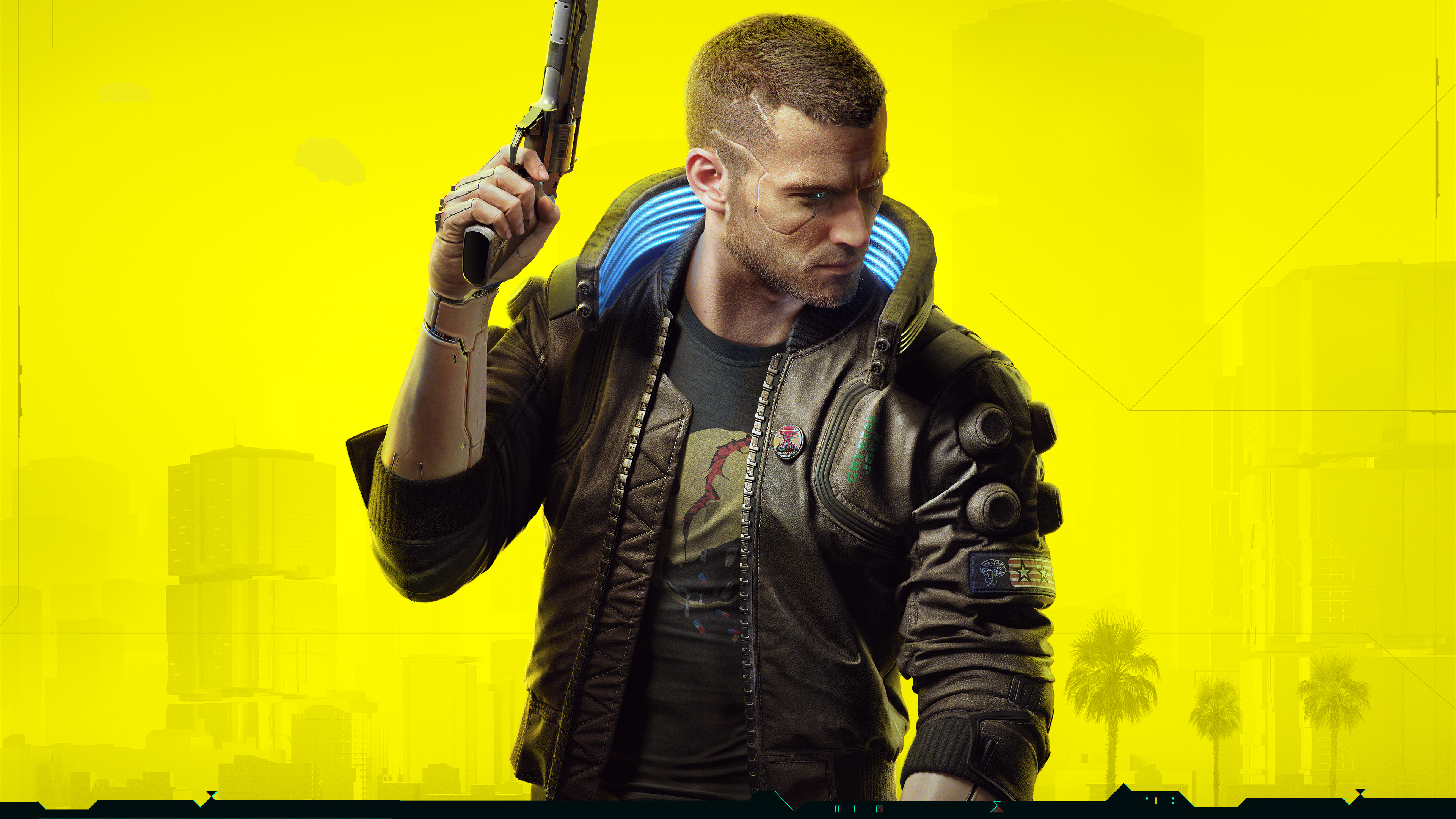
4. Cyberpunk 2077
Its 2020 launch was, frankly, catastrophic, particularly on last-gen consoles, marred by bugs and performance issues that tarnished CD Projekt Red's stellar reputation. The initial backlash was fierce. Yet, through numerous patches, hotfixes, and the substantial "Phantom Liberty" expansion, the game gradually shed its troubled past. It evolved into a much more stable and respected open-world RPG, demonstrating a remarkable, albeit hard-won, recovery.
5 / 6
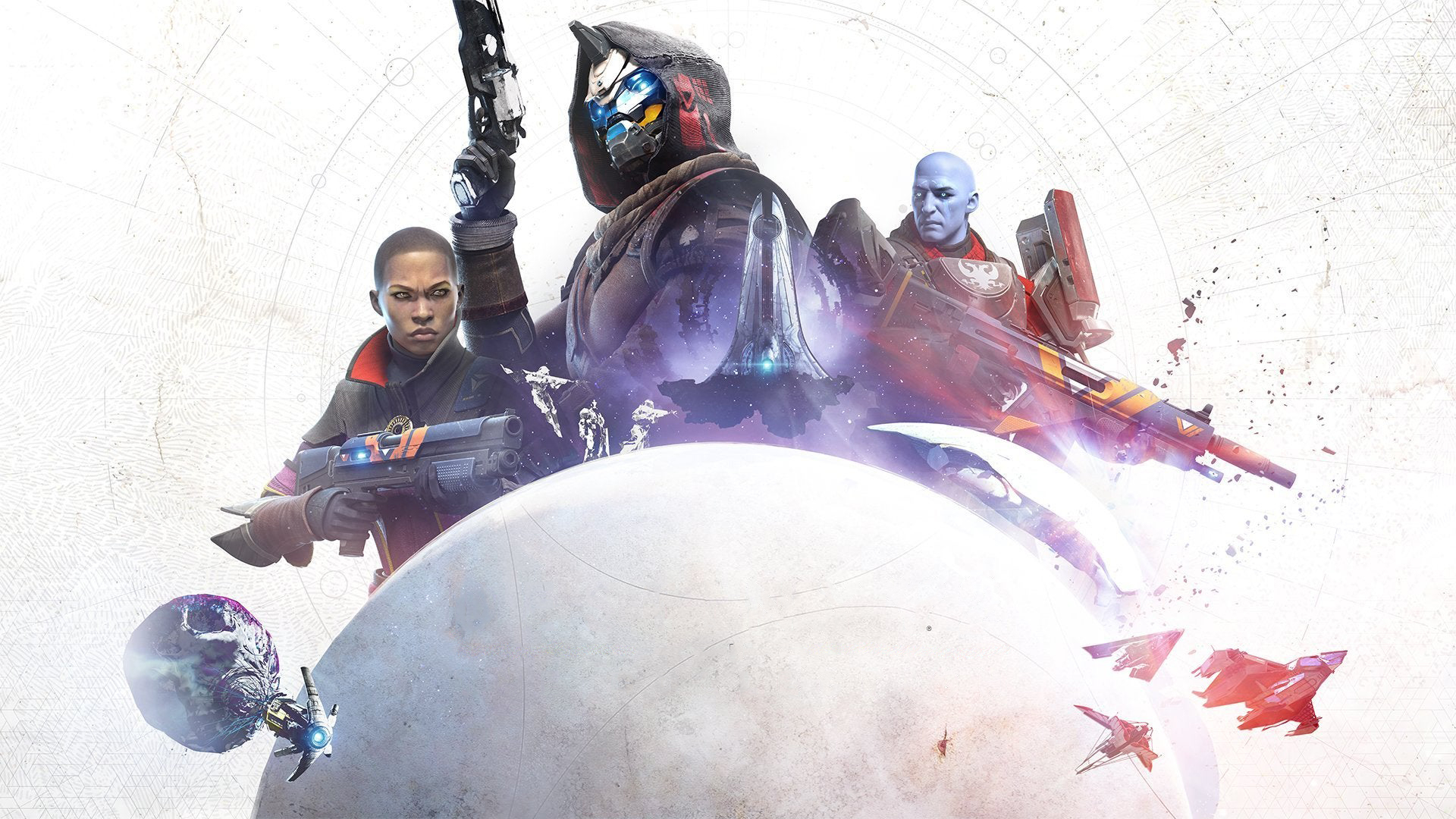
5. Destiny 2
While not a "disaster" like some others, "Destiny 2" definitely struggled to recapture the magic of its predecessor's peak, facing criticism for its content structure and grind. Its narrative direction felt muddled at times. However, Bungie continually iterated, introducing the "Forsaken" expansion and later adopting a free-to-play model for its base game. This commitment transformed it into a robust, evolving live-service shooter with a dedicated, passionate community.
6 / 6
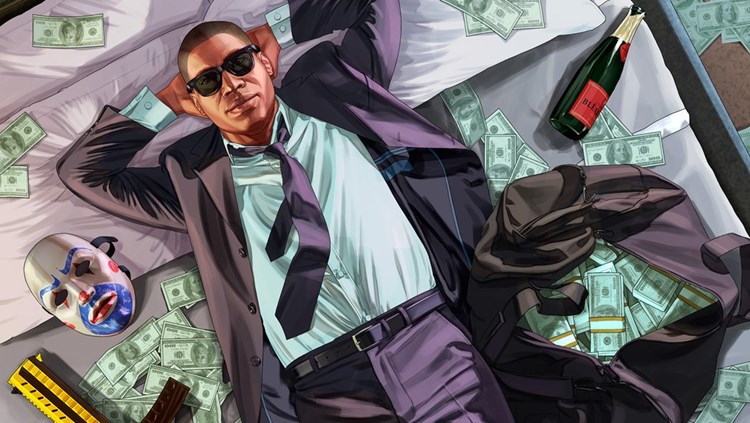
6. Grand Theft Auto Online
The initial rollout of "GTA Online" was notoriously rough, plagued by server instability and a perceived lack of engaging content beyond the initial novelty. Players expected immediate seamless chaos. But Rockstar didn't give up. Through a relentless stream of free updates – adding heists, businesses, vehicles, and entire new storylines – it gradually became an unprecedented, ever-expanding online criminal playground, generating billions and proving its staying power.