
1 / 6
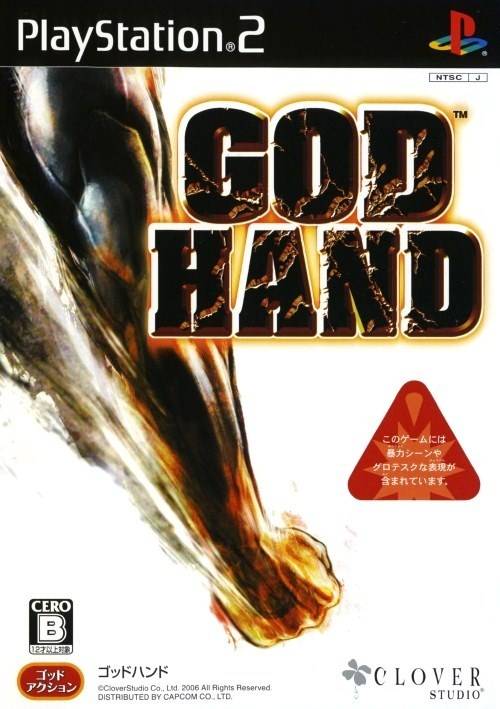
1. God Hand
Released on PlayStation 2, this game was a curious blend of beat 'em up mechanics and B-movie absurdity. Critics were split, many put off by its intentionally clunky camera and over-the-top difficulty, yet its deep, customizable combat system and irreverent humor garnered a fierce cult following. It’s a testament to how specific design choices, even if divisive, can create a truly unique and memorable experience that stands apart from the mainstream. Its genius lies in its unwavering commitment to its distinct vision.
2 / 6
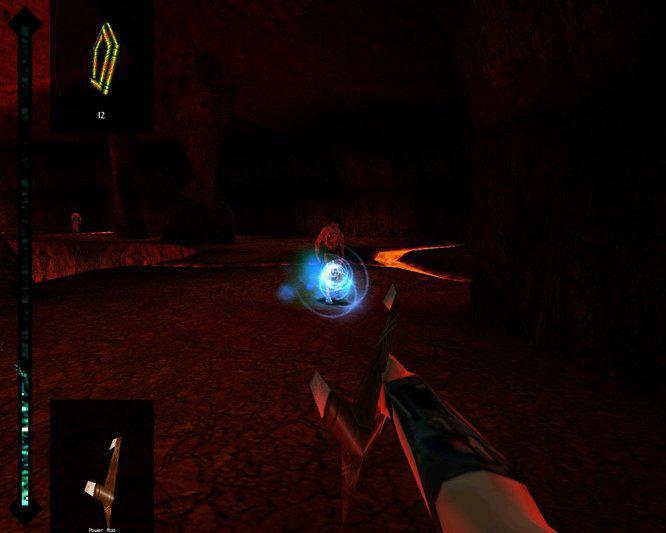
2. Omikron: The Nomad Soul
This ambitious 1999 title, available on PC and Dreamcast, was a sprawling, genre-bending adventure. It fused elements of action, adventure, and even fighting games, all wrapped in a dark, dystopian narrative co-created by David Bowie. While technically rough and perhaps too experimental for its time, its innovative body-swapping mechanic and deeply atmospheric world left an indelible mark. It represented a bold attempt to push interactive storytelling boundaries, proving sometimes ambition outweighs immediate polish.
3 / 6

3. Eternal Darkness: Sanity's Requiem
A Nintendo GameCube exclusive, this horror title masterfully played with psychological distress. Its groundbreaking "Sanity Effects" system actively messed with players, creating illusions, fake error messages, and even corrupting save files – a brilliant subversion of player expectations. Blending Lovecraftian lore with a multi-era narrative, it was a cerebral, often unsettling experience that truly capitalized on the console's capabilities, delivering horror far beyond simple jump scares and cementing its cult status.
4 / 6
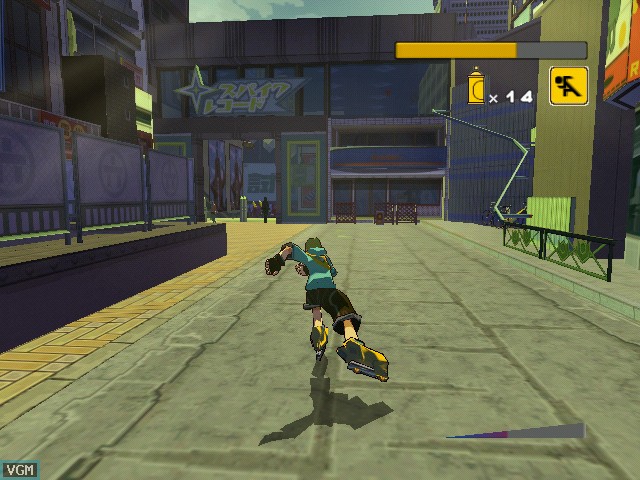
4. Jet Set Radio Future
An Xbox launch title, this sequel evolved the cel-shaded, graffiti-tagging, inline-skating concept of its Dreamcast predecessor. It ditched the time limits for expansive open-world levels, encouraging exploration and fluid movement. The iconic Shibuya-kei soundtrack and vibrant, anti-establishment aesthetic defined a generation's understanding of cool. While perhaps less challenging than the original, its sheer stylistic confidence and unparalleled sense of flow remain a benchmark for artistic expression in games.
5 / 6
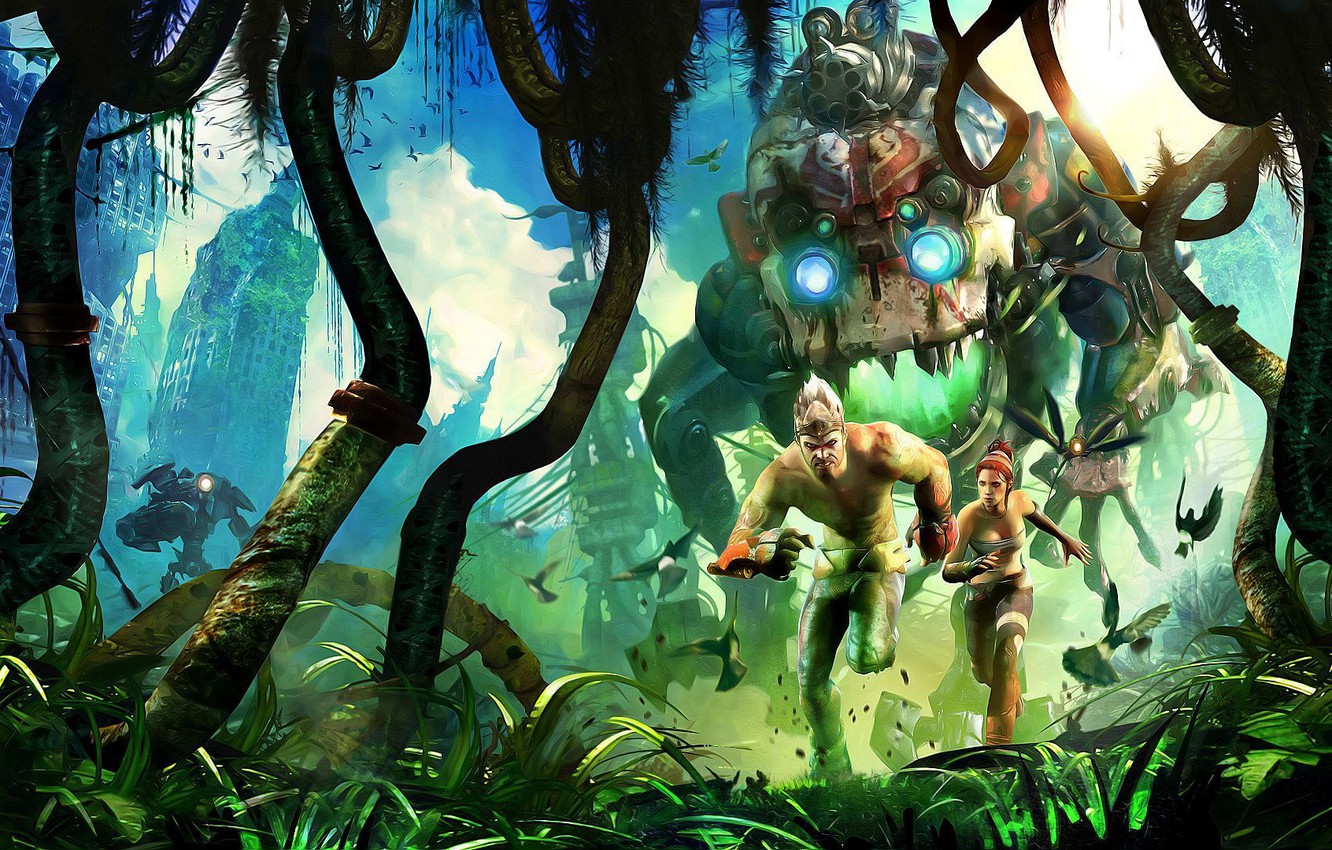
5. Enslaved: Odyssey to the West
This 2010 PlayStation 3 and Xbox 360 title, from Ninja Theory, offered a stunningly rendered, post-apocalyptic journey. Inspired loosely by "Journey to the West," it prioritized character chemistry and narrative over complex mechanics. Its linear structure and focus on cinematic storytelling felt almost counter-cultural amidst the burgeoning open-world trend. The vibrant world and the evolving relationship between Monkey and Trip created a deeply emotional, visually striking adventure that resonated with those seeking a stronger narrative core.
6 / 6
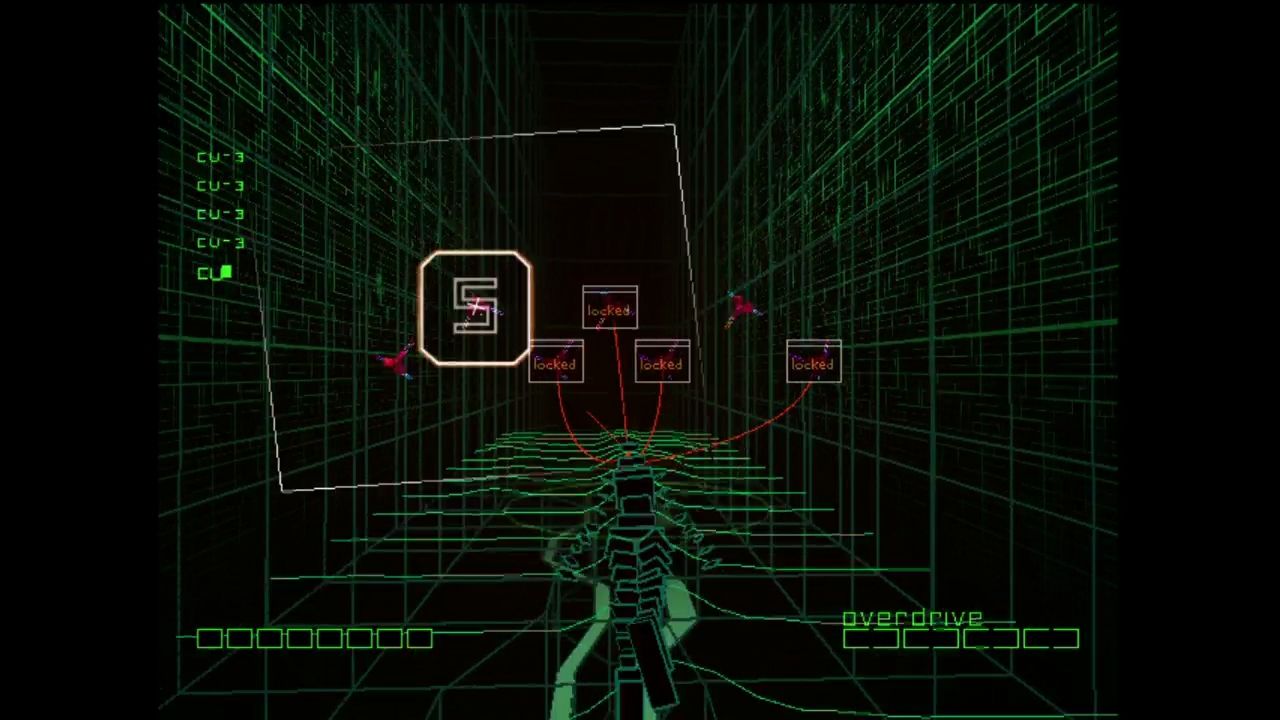
6. Rez
Originally a Dreamcast and PlayStation 2 title, Rez is less a game and more a synesthetic experience. It merged rail-shooter mechanics with pulsing electronic music and abstract visuals, where every action contributed to the evolving soundtrack. Its minimalist design created a trance-like state, a testament to how rhythm and visual feedback can profoundly impact player immersion. Rez wasn't about high scores; it was about feeling the game, pushing the boundaries of interactive art and sound design.