

1 / 8

1. Sextant
Herbie Hancock’s 1973 venture into the unknown remains a pinnacle of electro-acoustic fusion. This wasn't just jazz; it was a sonic deep dive, replete with an ARP 2600 and Moog synthesizers crafting alien textures against a deeply funky rhythmic core. The pre-digital studio manipulation is astounding, a masterclass in shaping sound before samplers democratized the process. It's a testament to raw imagination and meticulous engineering, pushing boundaries without relying on digital crutches.
2 / 8

2. Aguirre
Werner Herzog’s cinematic vision found its perfect sonic counterpart in Popol Vuh’s 1972 score. The "Aguirre" theme, with its haunting Mellotron choir and hypnotic guitar cycles, transcends mere soundtrack status. It’s an exercise in ambient dread, a spiritual journey into the heart of darkness conjured through sparse, analog instrumentation. The organic, almost ritualistic feel speaks volumes about capturing mood with minimal, yet profoundly effective, pre-digital studio techniques.
3 / 8
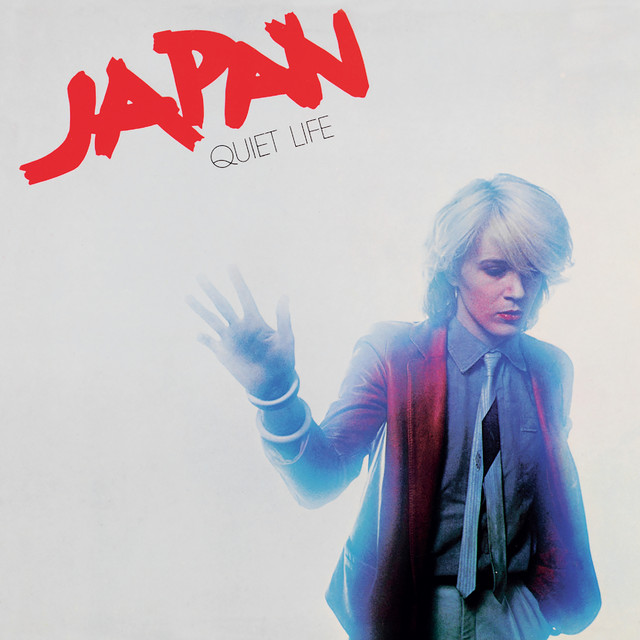
3. Quiet Life
Japan’s 1979 album marked a crucial transition from art-rock angularity to a more polished, yet still deeply melancholic, synth-pop elegance. David Sylvian's baritone found its perfect vehicle amidst Mick Karn's distinctive basslines and the emerging synthesizer washes. It’s a sophisticated, almost chilly record, showcasing how burgeoning electronic textures could integrate seamlessly with rock instrumentation, hinting at the darkwave future while remaining firmly rooted in late-70s studio craft.
4 / 8

4. The Music Of Revelations
Imagine a sonic compendium from the era, capturing the burgeoning experimental spirit. This conceptual piece embodies the deep, often unsettling ambient soundscapes birthed from early synthesizers and tape manipulation. It’s a journey through the pre-digital avant-garde, where sound artists explored textural depths and rhythmic abstraction, often without clear melodic anchors. A true excavation of frequencies that reveal the hidden dimensions of pre-MIDI electronic possibility.
5 / 8

5. Naughty Boys (2019 Bob Ludwig Remastering)
Yellow Magic Orchestra's 1984 album, even through a 2019 Bob Ludwig remaster, stands as an exemplar of sophisticated synth-pop and early electro. The original production, pre-dating widespread digital workstations, is a masterclass in sequencing and melodic construction. The crispness Ludwig brings only highlights the original clarity and revolutionary approach to rhythm programming and vocaloid experimentation. It was a glimpse into a future where machines could sing and groove with precision.
6 / 8

6. Come Away with ESG
ESG’s 1983 debut EP (often compiled with later tracks) is a raw, unfettered explosion of minimalist funk and post-punk attitude. Recorded with stark simplicity, its grooves are skeletal yet irresistibly potent, driven by bass and drums. This was pre-sampler, pre-drum machine ubiquity, showcasing the power of human rhythm section ingenuity. It’s a blueprint for countless dance tracks, proving that less instrumentation, expertly played, could yield maximum impact.
7 / 8

7. instrumentals
Consider the instrumental tracks that define an era, those moments where the band just *played*. This concept represents the visceral power of musicianship without vocal distraction, common in 70s funk and fusion. From extended drum breaks to searing guitar solos over locked-in basslines, these are the sonic canvases where studio engineers truly shone, capturing raw energy and complex interplay with analog warmth, before the digital sheen took over.
8 / 8
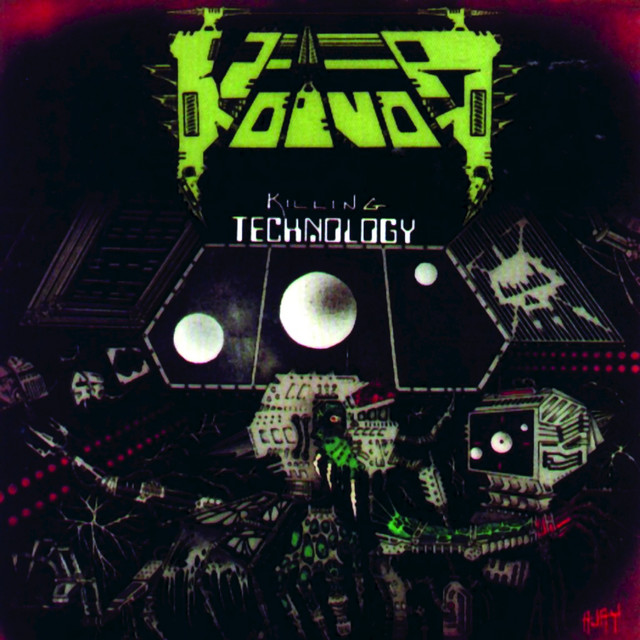
8. Killing Technology
Voivod's 1987 album was a seismic shift in metal, fusing thrash aggression with progressive, almost industrial dissonance. The production, typical of late-80s analog recording, captured a raw, chaotic energy. It wasn't just fast; it was angular, mechanical, a futuristic assault that felt both cold and brutally powerful. This was the sound of machines taking over, filtered through a distinctly human, albeit distorted, lens.