

1 / 6
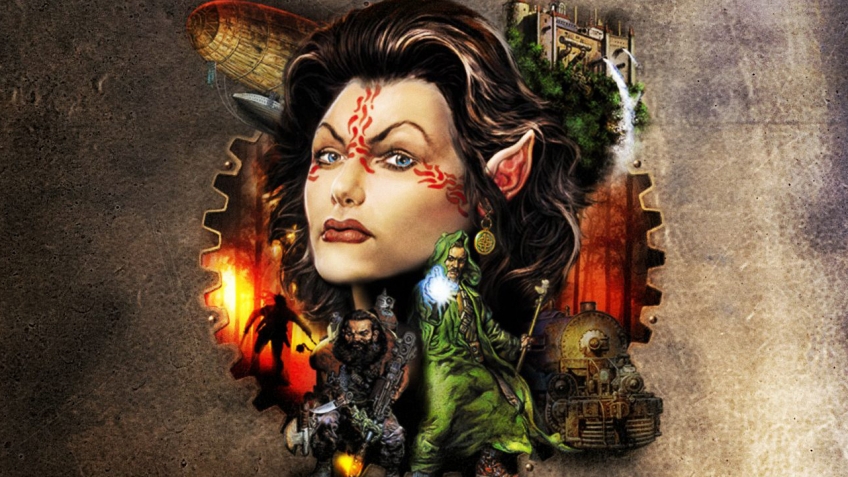
1. Arcanum: Of Steamworks and Magick Obscura
Arcanum, released in 2001, offered a truly unique blend of steampunk and high fantasy, a world where magic and technology clashed with profound implications. Its intricate character creation and deep dialogue choices meant every playthrough felt distinct, shaping not just your character but the very fabric of society around you. It was a complex, often buggy, but undeniably ambitious RPG that pushed the boundaries of player agency and narrative branching, years before such concepts became industry buzzwords.
2 / 6

2. Freedom Fighters
Freedom Fighters, from 2003, delivered a compelling alternate history where the Soviet Union invaded New York. What set it apart was its emphasis on leading a small squad, assigning simple yet effective commands that felt impactful. The game wasn't just about shooting; it was about liberation, about reclaiming territory and inspiring a resistance. It crafted a surprisingly engaging narrative around guerrilla tactics within a familiar urban landscape, making every victory feel earned.
3 / 6

3. Psi-Ops: The Mindgate Conspiracy
Psi-Ops, released in 2004, was a revelation for its integration of psychic powers into a third-person shooter. Players weren't just shooting; they were telekinetically flinging enemies, controlling minds, and manipulating the environment in truly creative ways. The physics engine was central to its design, allowing for emergent gameplay scenarios that felt fresh and exhilarating. It offered a sandbox of destruction and mental manipulation, proving that powers could be more than just glorified grenades.
4 / 6
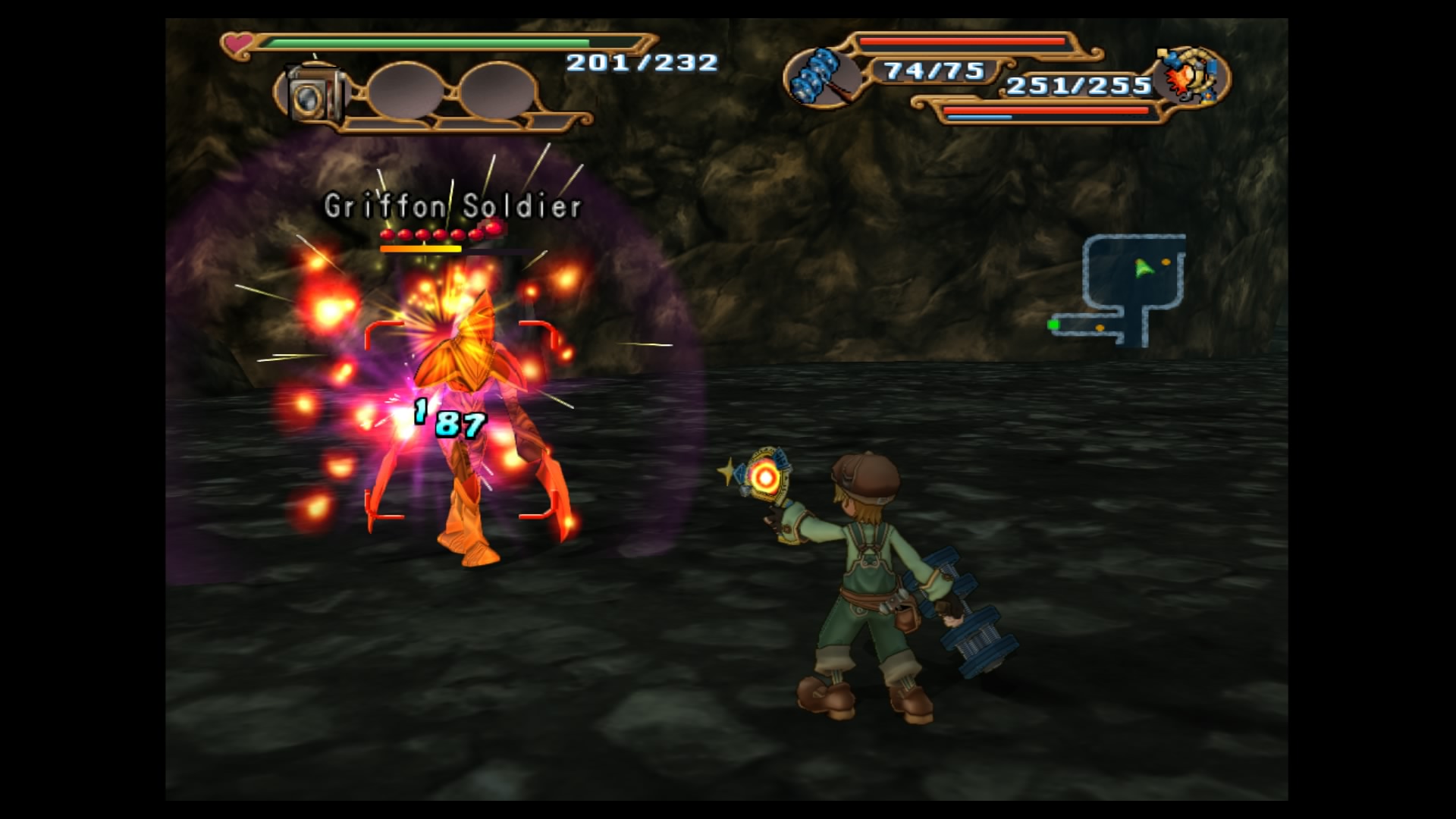
4. Dark Cloud 2
Dark Cloud 2, known as Dark Chronicle in some regions, arrived in 2002 with a charming cel-shaded aesthetic and an incredibly robust Georama town-building system. This wasn't just a side activity; it directly influenced dungeon layouts and story progression. Its weapon synthesis, allowing for deep customization and evolution, kept players engaged for hours. It blended action RPG mechanics with creative world-building in a way few games had, or have since, managed.
5 / 6
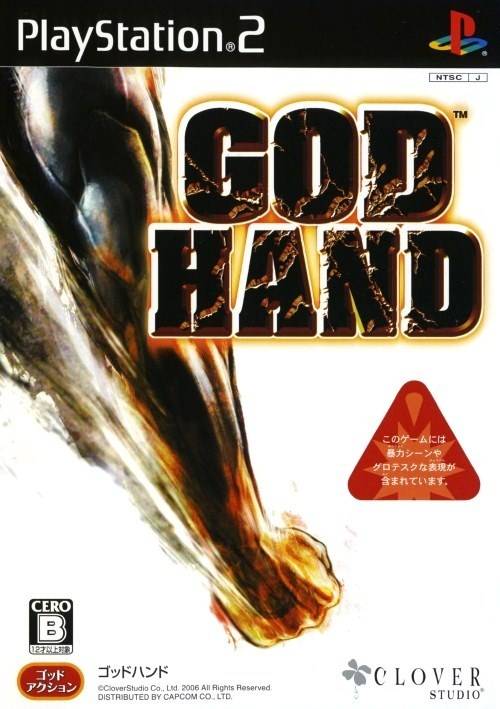
5. God Hand
God Hand, a 2006 title from Clover Studio, was a masterclass in deep, customizable combat for the beat 'em up genre. Its system allowed players to craft unique combo strings from a vast library of moves, demanding precision and strategic thinking. While often mocked for its B-movie aesthetic and brutal difficulty, it offered an unparalleled sense of player expression and mastery through its intricate mechanics, rewarding dedication with incredibly satisfying, over-the-top brawling.
6 / 6
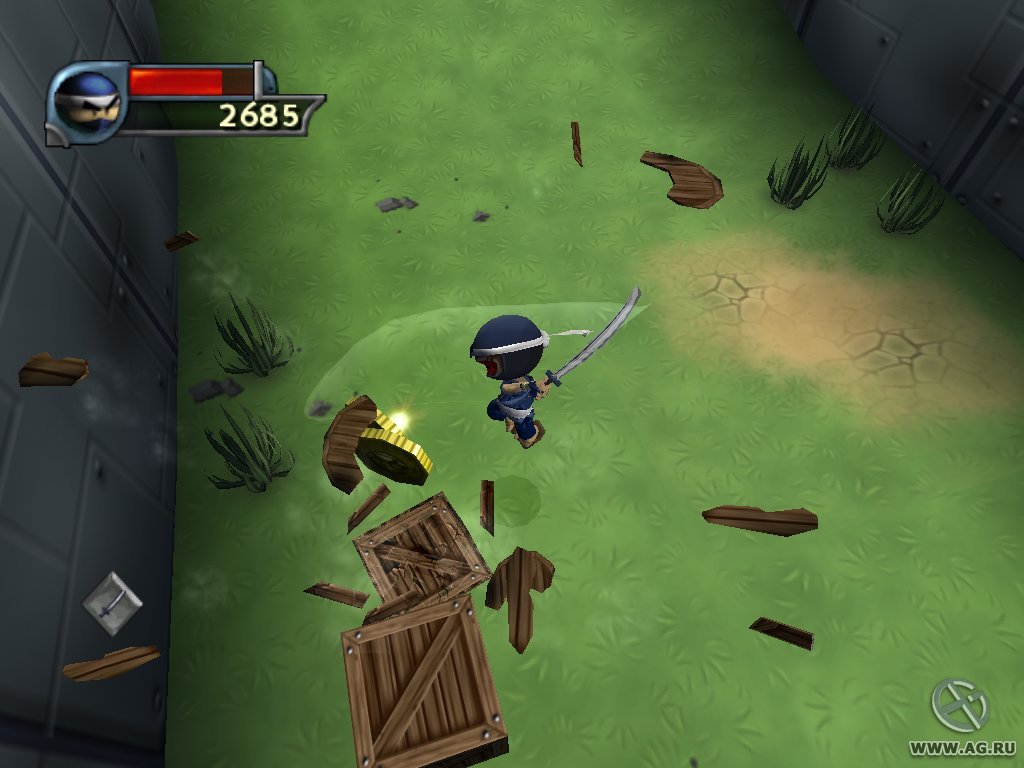
6. I-Ninja
I-Ninja, from 2003, was a vibrant platformer that dared to combine acrobatic movement with surprisingly competent hack-and-slash combat. Its innovative "rage" system, allowing for powerful transformations, added a strategic layer to battles. The game excelled in its fluid movement, encouraging players to master wall-running, grappling, and precision jumps through diverse, cleverly designed environments. It carved out a niche by blending genres with quirky charm and solid mechanics.