1 / 6

1. Tetris (1984)
Tetris wasn't just a game; it was a phenomenon, a Soviet-born masterpiece that proved abstract mechanics could captivate millions. Its perfect, simple loop of falling blocks and line-clearing laid the groundwork for an entire genre of puzzle games, transcending language and culture. And it showed the industry that a game didn't need complex narratives or cutting-edge graphics to be endlessly engaging. It fundamentally changed how we thought about digital play, proving universal design could conquer all.
2 / 6
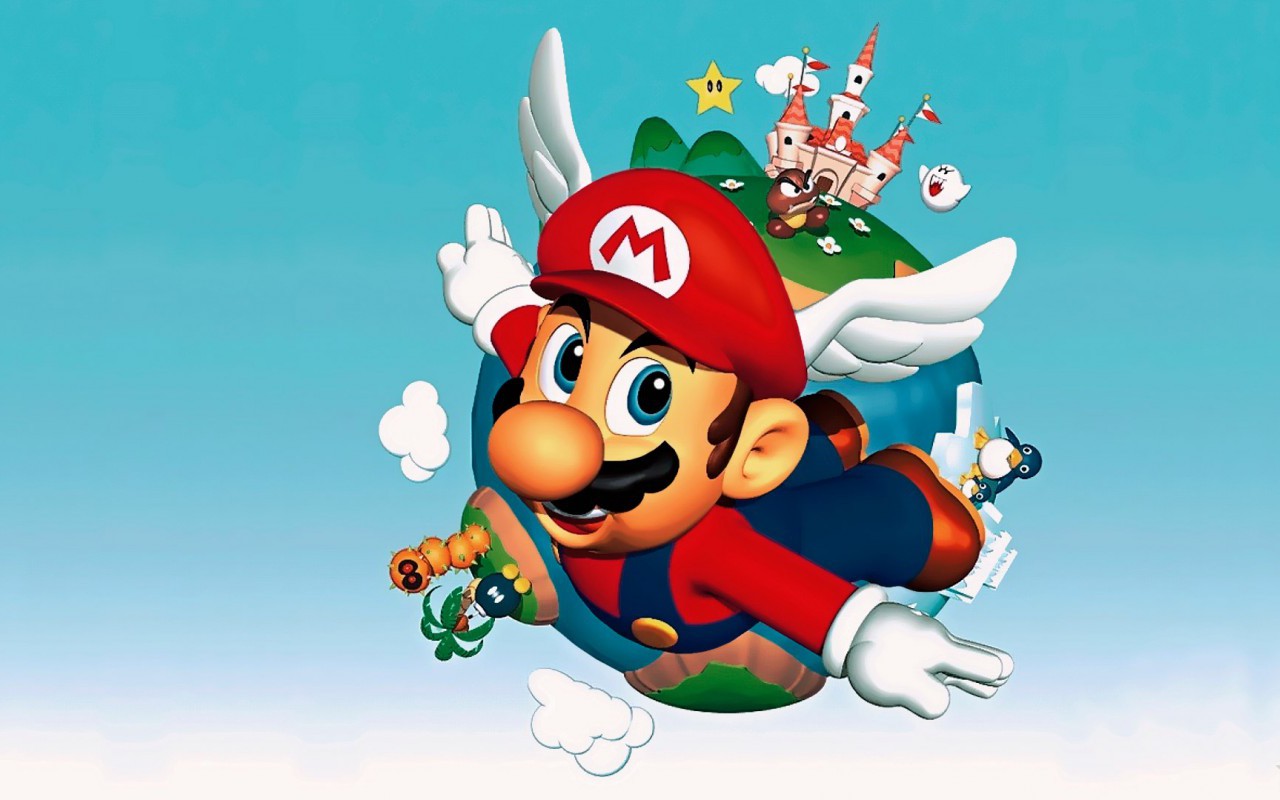
2. Super Mario 64
When Super Mario 64 landed, it wasn't just another Mario game; it was a seismic shift. This title single-handedly codified the language of 3D platforming, showing developers how to navigate a character in a truly three-dimensional space. Its revolutionary camera control, open-ended level design, and sheer sense of playful exploration set the benchmark. Indeed, it provided the blueprint for every 3D adventure that followed, making the N64 a must-have console.
3 / 6
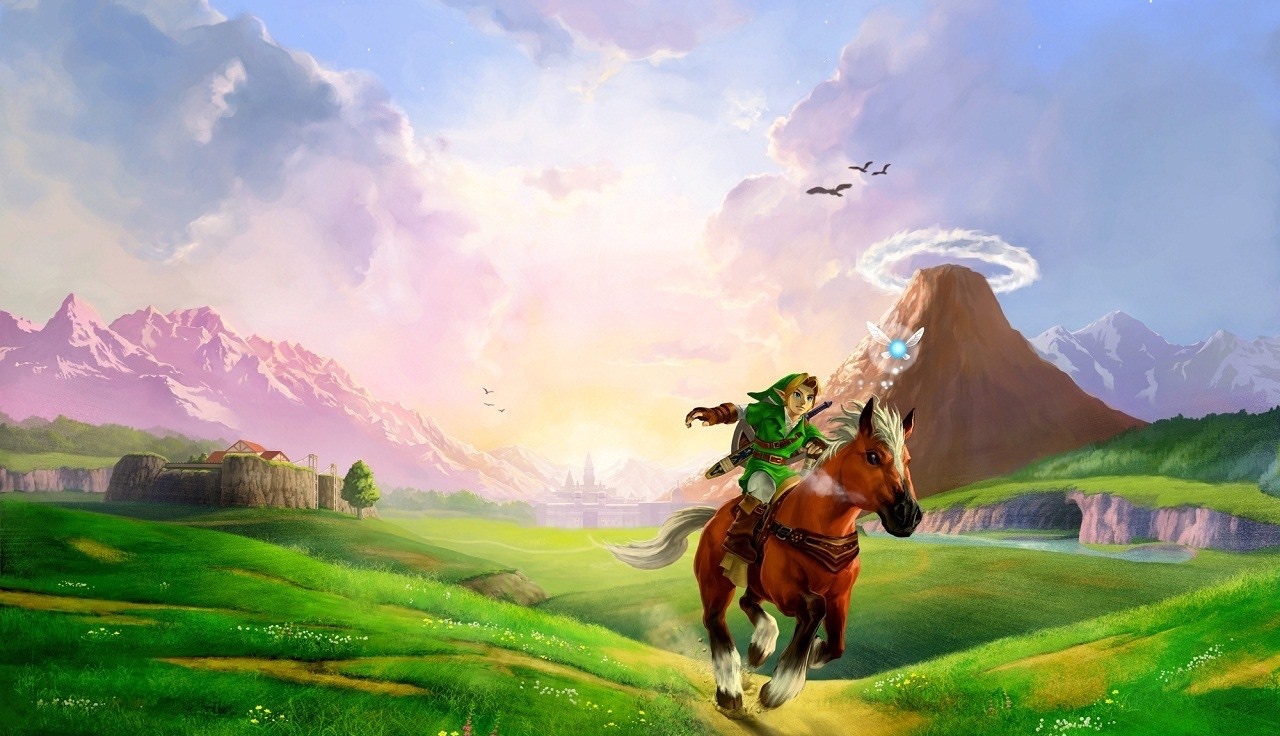
3. The Legend of Zelda: Ocarina of Time
Ocarina of Time wasn't simply a good game; it was an epic. It translated Zelda's sprawling fantasy into a fully-realized 3D world, establishing conventions still used today. The Z-targeting system, for instance, became an industry standard for 3D combat. But more than mechanics, its narrative ambition, emotional depth, and cinematic presentation elevated storytelling in games. And for many, it remains the definitive adventure, shaping expectations for interactive narratives for decades.
4 / 6
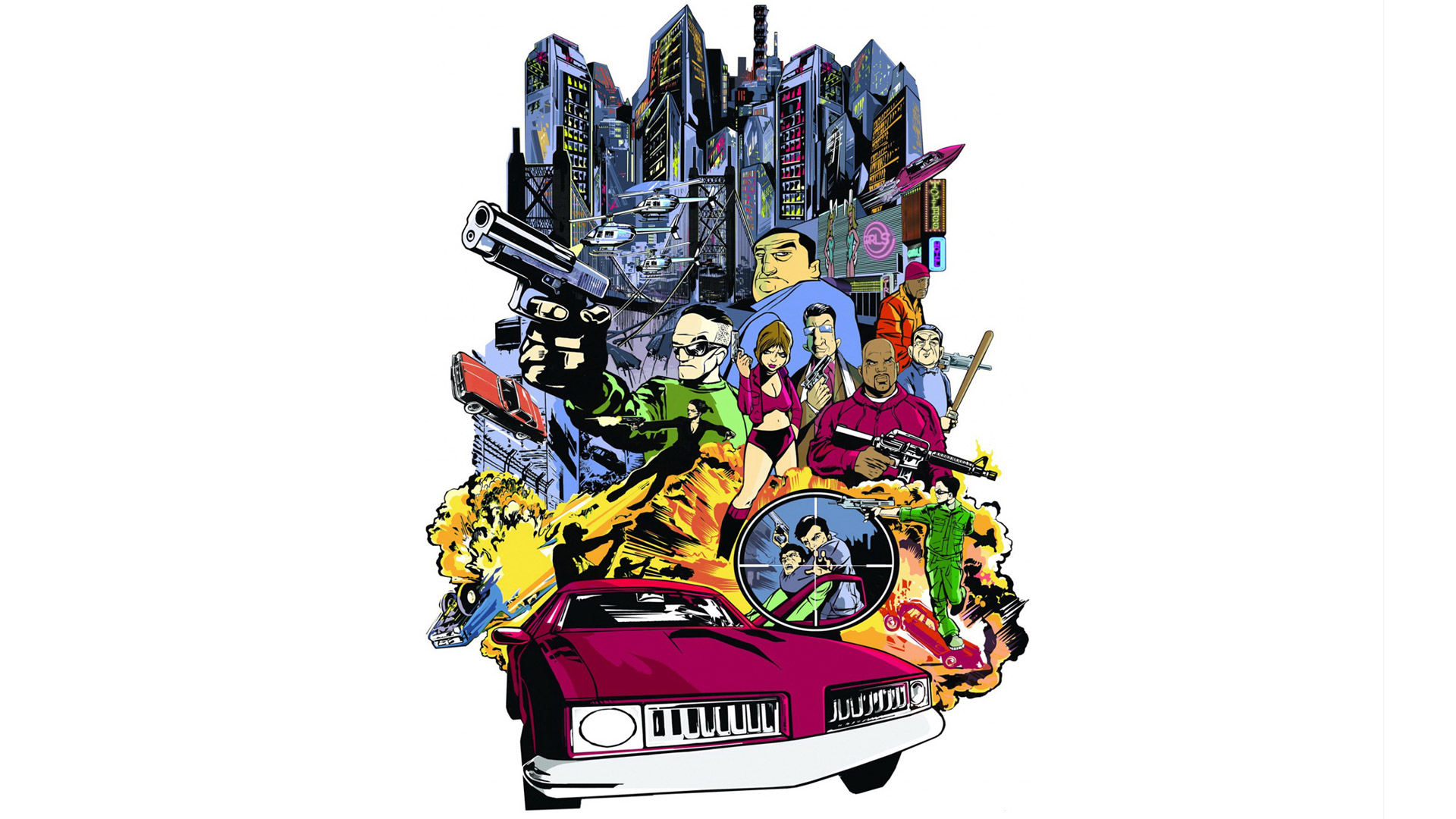
4. Grand Theft Auto III
Grand Theft Auto III wasn't just controversial; it was a revelation. It unleashed the true potential of the 3D open-world sandbox, offering unprecedented player freedom in a living, breathing city. The emergent gameplay, the dark humor, and the mature themes resonated with a growing audience hungry for something beyond traditional narratives. And its massive commercial success proved that games could be cultural juggernauts, pushing boundaries and sparking widespread debate.
5 / 6
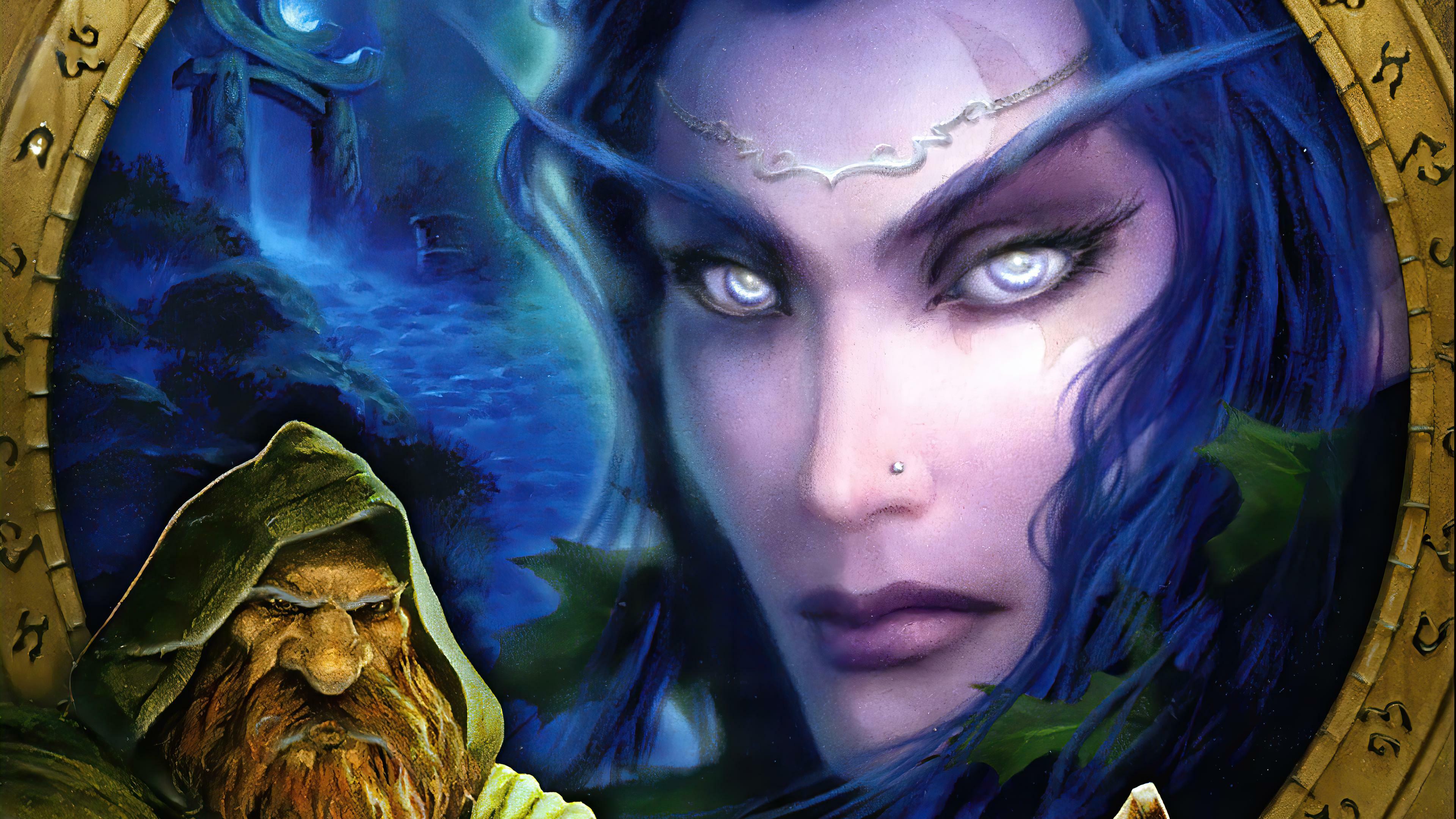
5. World of Warcraft
World of Warcraft didn't just popularize the MMO; it defined it for a generation. It crafted an accessible, vast, and endlessly engaging online world where millions forged friendships, rivalries, and entire virtual economies. This game demonstrated the immense power of persistent online communities and changed how we understood digital social spaces. And its enduring appeal proved that shared, evolving experiences could sustain player engagement on an unprecedented scale, making it a true cultural touchstone.
6 / 6
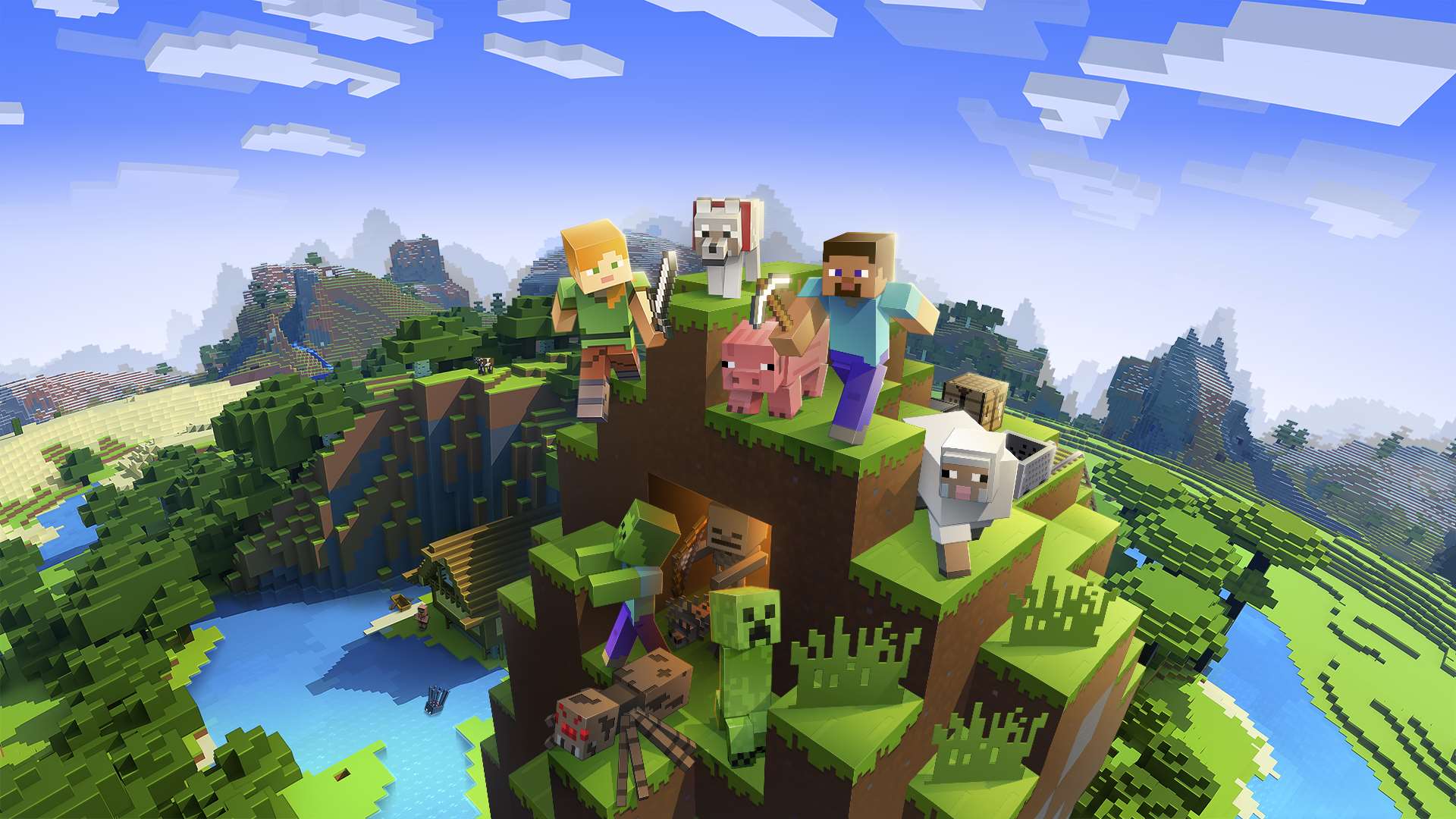
6. Minecraft
Minecraft isn't merely a game; it's a platform for creation, a digital sandbox of infinite possibility. It democratized game design, empowering millions to build, explore, and shape their own experiences. The simplicity of its block-based aesthetic belies profound complexity and emergent gameplay. And its success proved that open-ended creativity, combined with user-generated content, could foster a global community, influencing everything from education to digital culture in ways few titles ever achieve.