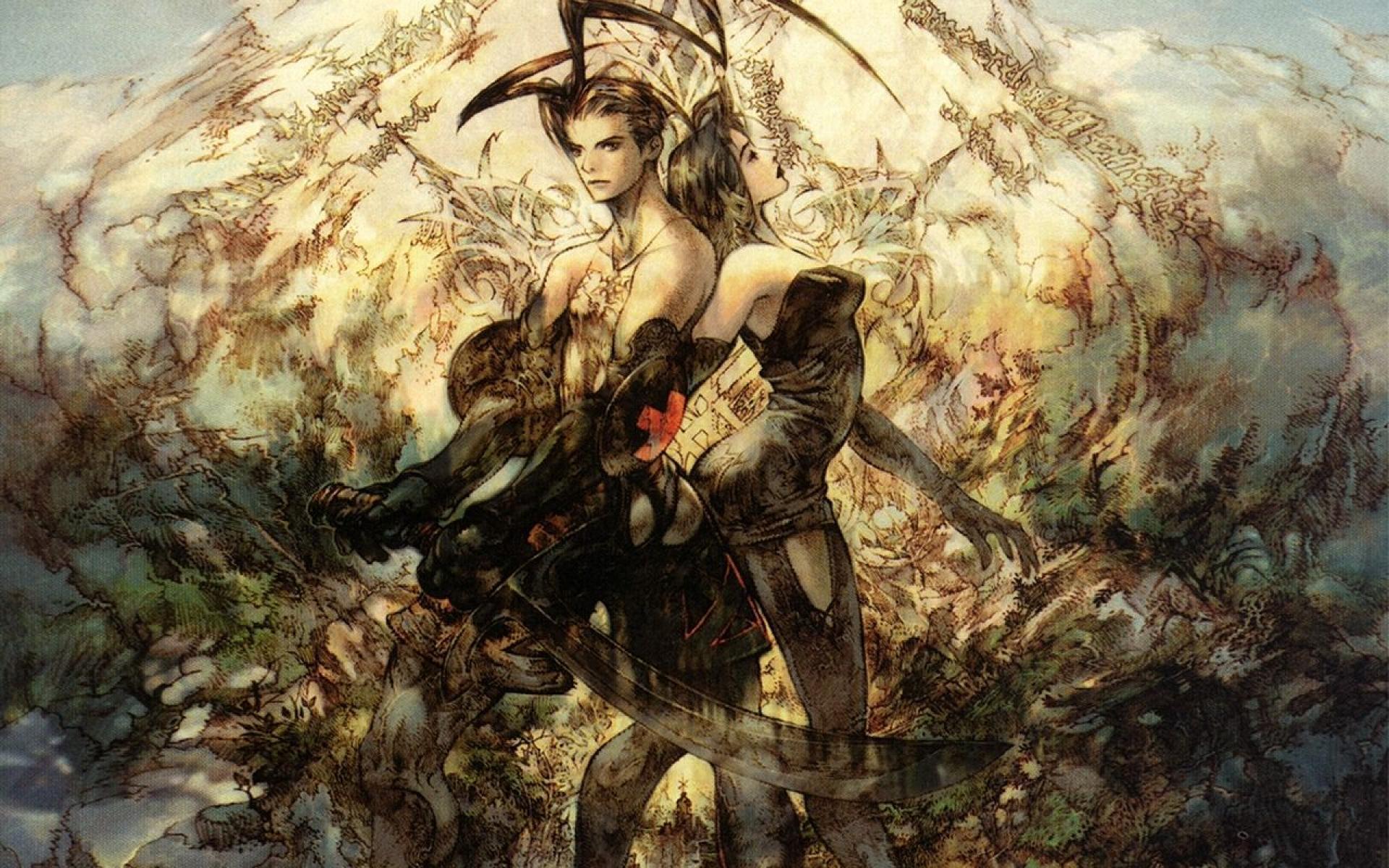
1. Vagrant Story (2000)
This PS1 masterpiece from Square Enix felt like a relic even in 2000, a game so dense and mechanically intricate it practically dared you to understand it. Its unique weapon crafting, chain attacks, and grid-based targeting were revolutionary, yet deeply complex. You know, the kind of ambitious, single-player RPG that’d get focus-tested into oblivion today. Publishers probably look at its niche appeal and grimace, wishing they could simplify its genius for a quick buck. But we remember its dark fantasy and unforgettable atmosphere.
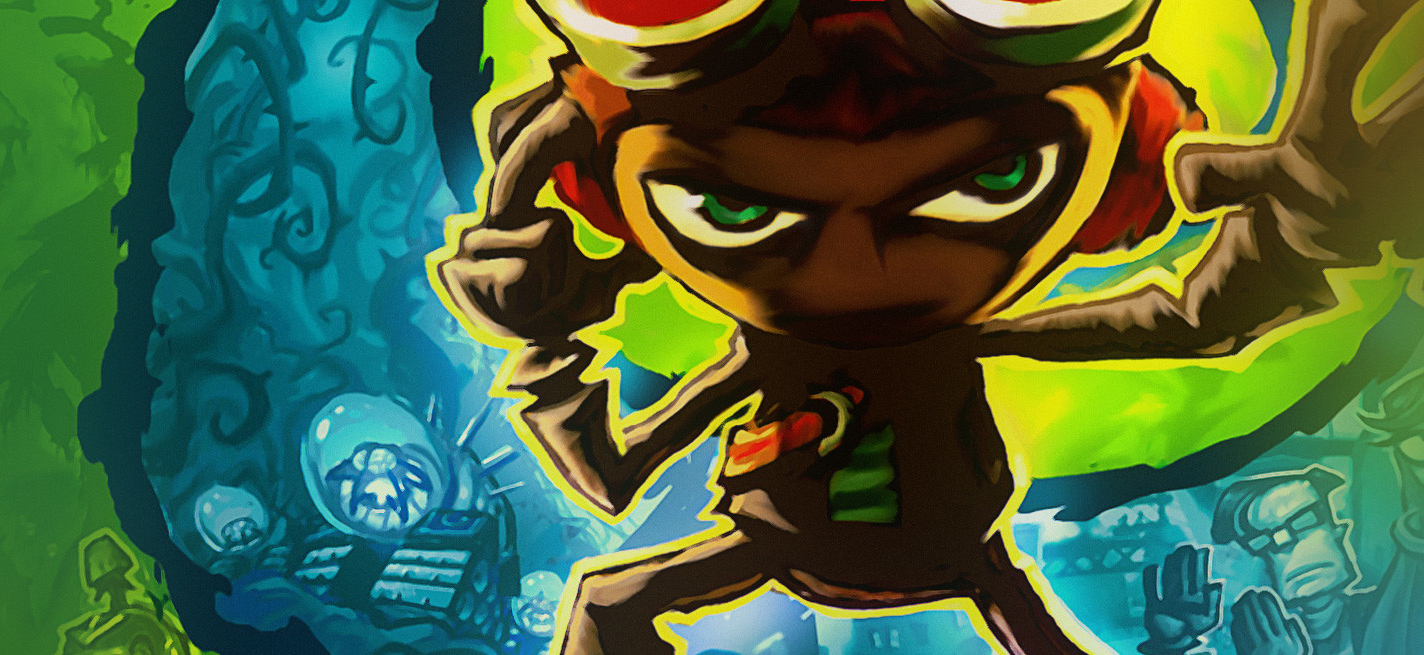
2. Psychonauts
Double Fine's original Psychonauts was a bold, imaginative platformer that dared to explore mental health with wit and genuine heart. Back then, it didn't exactly set sales charts on fire, probably because publishers couldn't quite figure out how to market a game about diving into people's brains to fix their emotional baggage. And yet, its clever level design, memorable characters, and sheer originality built a loyal following that ultimately justified a sequel. It proves that sometimes, art finds its audience, even if it takes a while.
3. Alpha Protocol
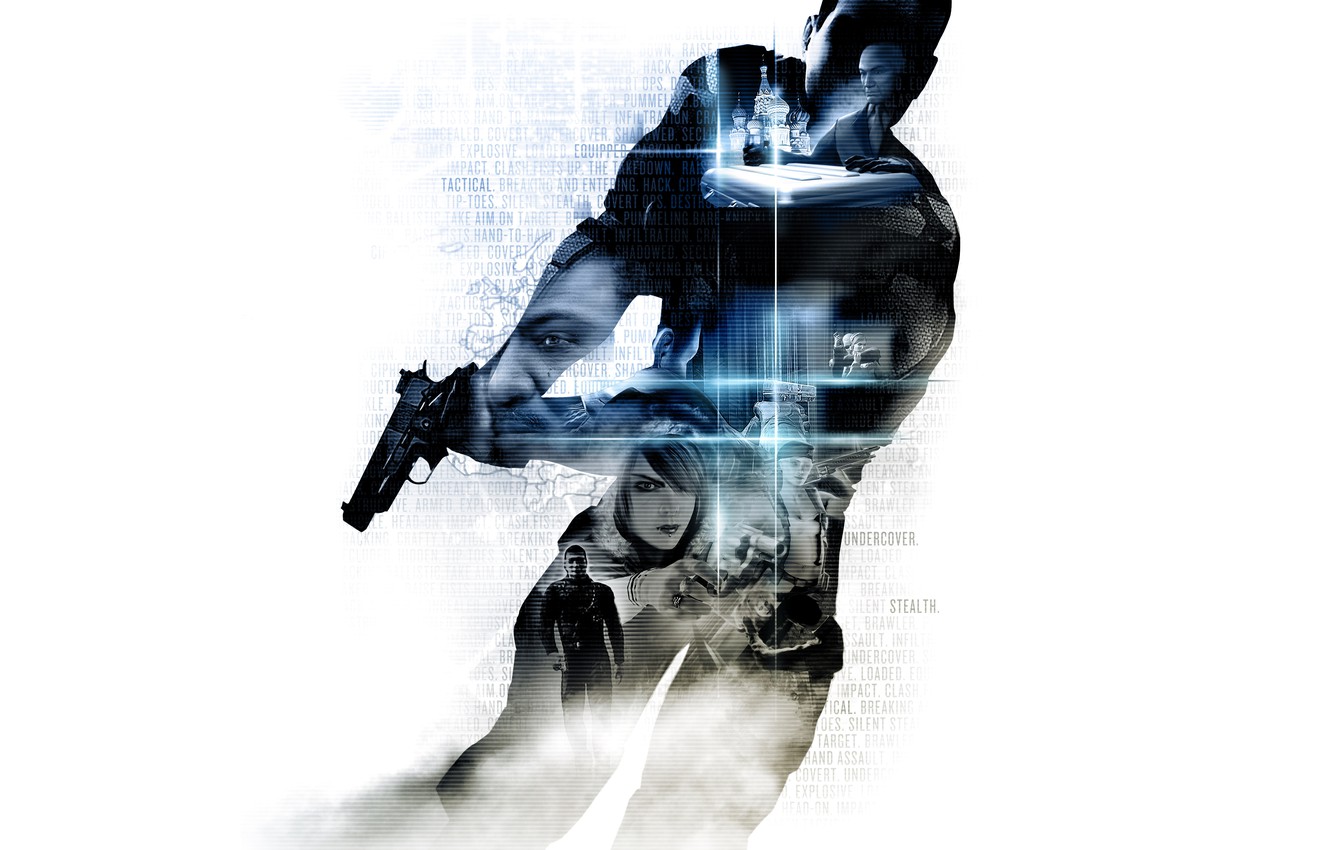
Obsidian’s spy RPG, Alpha Protocol, was janky as hell on release, let’s be honest. But beneath that rough exterior lay an unparalleled narrative web where every decision, every minor interaction, genuinely mattered. You felt like a real spy making impossible choices, rather than just choosing dialogue options. Publishers likely see it as a cautionary tale of a game that launched imperfect, but we gamers see a singular vision, a truly reactive world that modern, polished-to-a-fault titles rarely achieve.
4. Okami
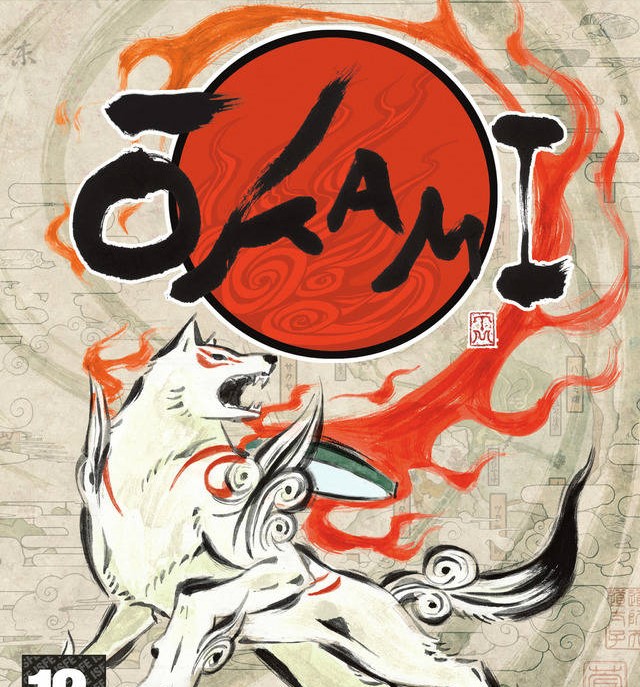
Capcom’s Okami on PS2 was a breathtaking blend of Japanese folklore, stunning cel-shaded art, and classic Zelda-esque adventure. It was a critical darling, absolutely adored by those who played it, yet it sold so poorly on release that Clover Studio, its brilliant developer, was disbanded. It’s a tragic example of publishers underestimating the market for artistic ambition and unique gameplay. Thankfully, its cult status grew, leading to numerous re-releases, but it shouldn't have been such a struggle to begin with.
5. Pathologic 2
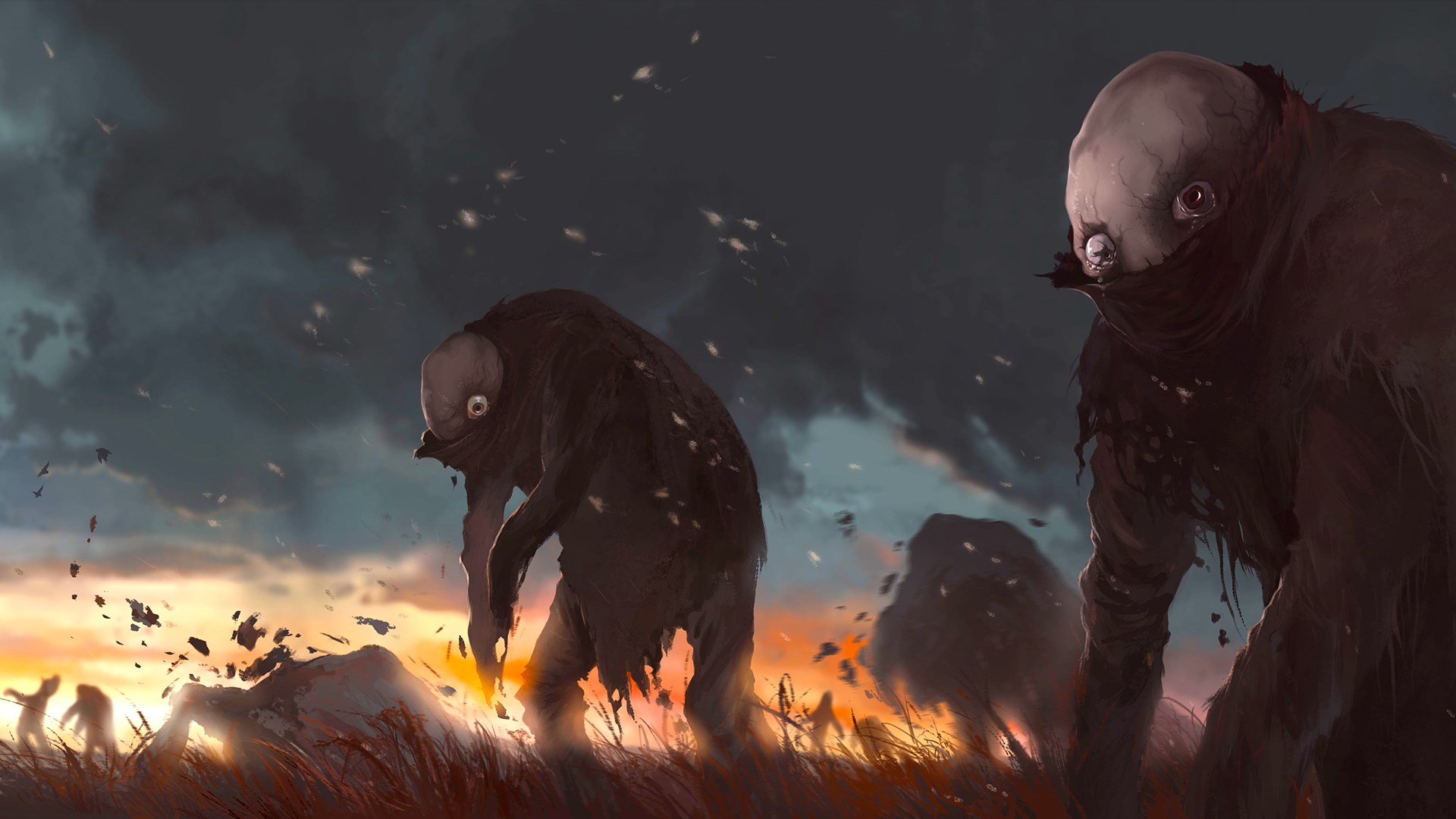
Pathologic 2 is less a game and more an experience in calculated suffering. It's deliberately difficult, oppressive, and unapologetically weird, throwing you into a plague-ridden town with scarce resources and impossible choices. Mainstream publishers would never greenlight something so punishingly niche; they want broad appeal, not existential dread. Yet, for a certain type of player, its deep narrative, psychological horror, and unique survival mechanics make it an unforgettable, thought-provoking masterpiece. It truly tests your resolve.
6. Binary Domain
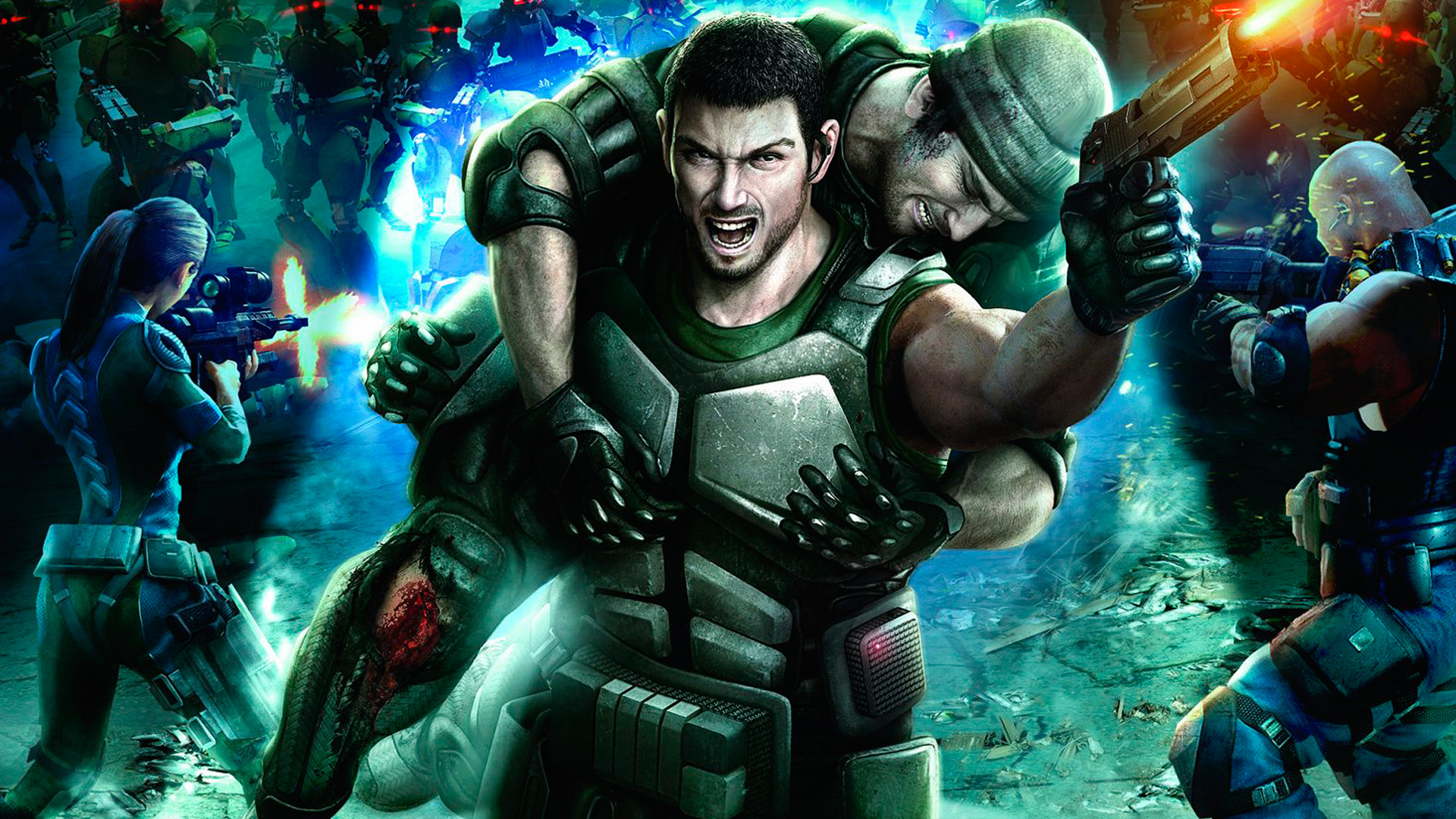
SEGA’s Binary Domain was a fantastic third-person shooter that got tragically overlooked. It had a surprisingly compelling story, genuinely likable characters, and a unique "trust" system that influenced gameplay. And the robot dismemberment? So satisfying. It probably suffered from releasing in an oversaturated shooter market, and maybe that ambitious, but janky, voice command system scared people off. Yet, it was a genuinely fun, inventive action game that deserved so much more attention than it ever received.