

1 / 6
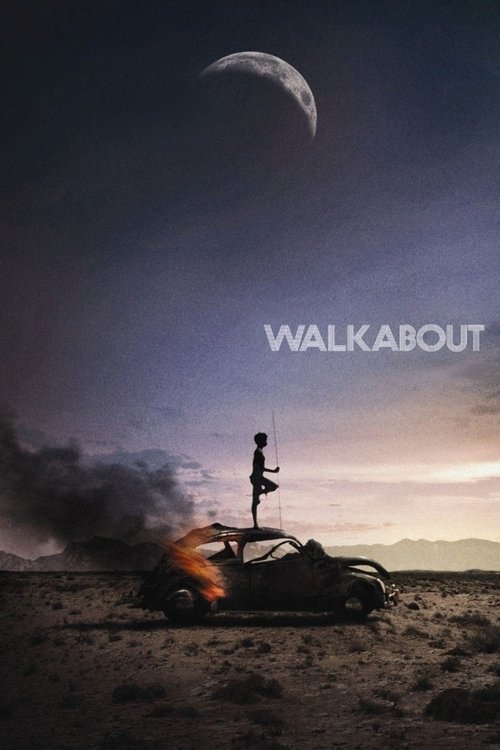
1. Walkabout
Nicholas Roeg’s *Walkabout* is a hypnotic journey into the Australian outback, a stark, beautiful canvas for a clash of cultures and coming-of-age. Here, two British siblings, abandoned, encounter an Aboriginal boy on his ritual walkabout. Roeg’s masterful cinematography and elliptical editing weave a profound, unsettling meditation on innocence, instinct, and the destructive nature of colonial imposition. It’s a film that resonates with a deep, primeval melancholy, questioning the very definition of civilization.
2 / 6
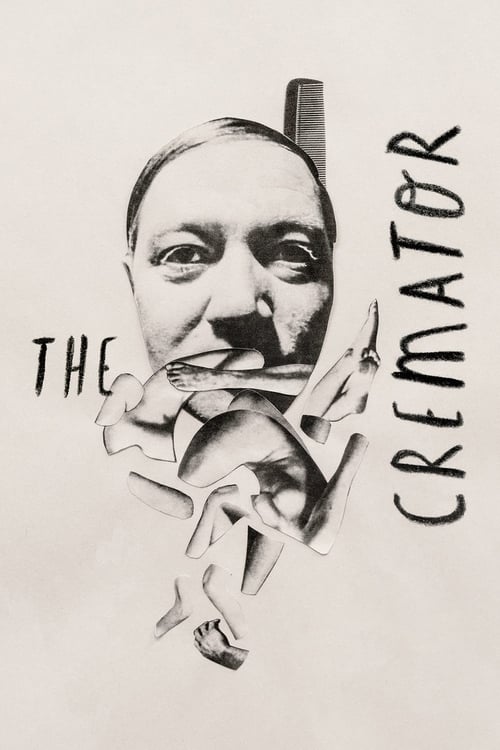
2. The Cremator
Juraj Herz’s *The Cremator*, a chilling masterpiece of Czech New Wave, delves into the escalating madness of a devoted crematorium worker in 1930s Czechoslovakia. Karel Kopfrkingl, portrayed with unnerving charm by Rudolf Hrušínský, rationalizes his descent into fascism and murder with grotesque philosophical pronouncements. This darkly comedic horror film, brimming with expressionistic visuals and gallows humor, serves as a searing, prescient allegory for totalitarian dehumanization, leaving an indelible, disquieting mark.
3 / 6
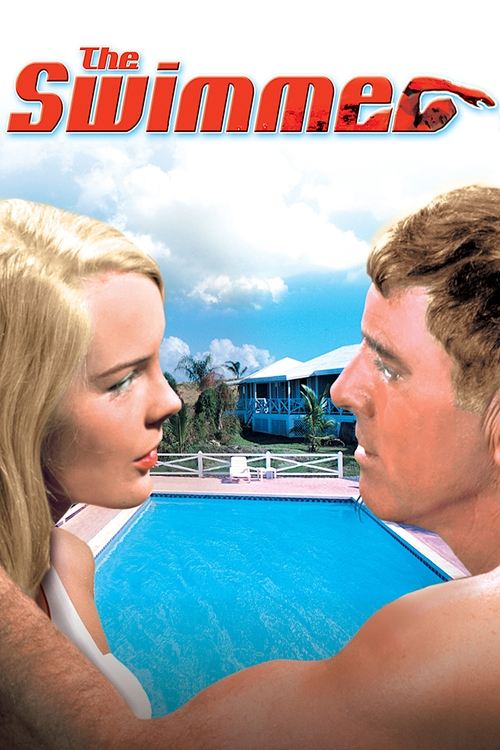
3. The Swimmer
Frank Perry’s *The Swimmer* is a stark, almost hallucinatory examination of the unraveling American dream. Burt Lancaster delivers a career-defining performance as Ned Merrill, whose quixotic quest to "swim home" through a chain of suburban pools transforms from a whimsical adventure into a brutal self-reckoning. The film’s brilliant subversion of aspirational imagery, coupled with its escalating sense of dread, exposes the hollowness beneath affluence, rendering a poignant, almost tragic, portrait of a man confronting his own illusions.
4 / 6

4. Daisies
Věra Chytilová’s *Daisies* explodes onto the screen as a defiant, anarchic act of cinematic rebellion. Two young women, Marie I and Marie II, decide the world is corrupt, so they might as well be too, embarking on a spree of destructive, gleeful mischief. A cornerstone of the Czech New Wave and feminist cinema, its fragmented narrative, vibrant pop-art aesthetics, and audacious questioning of societal norms remain intoxicatingly experimental, a joyous, defiant middle finger to patriarchal order and consumerist excess.
5 / 6
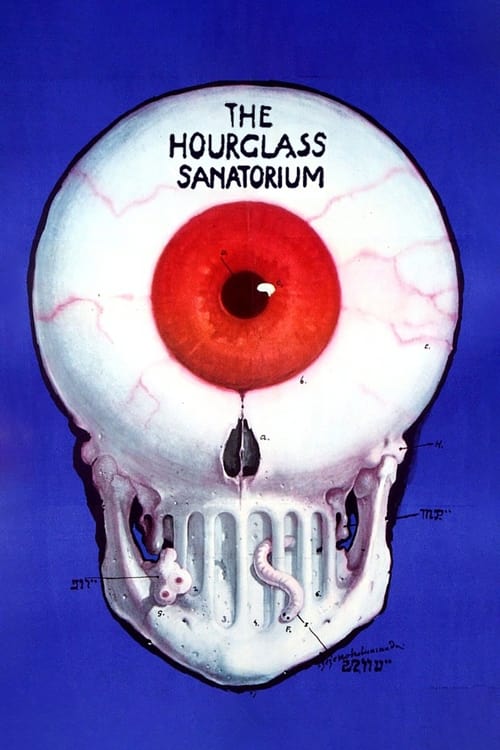
5. The Hourglass Sanatorium
Wojciech Has’ *The Hourglass Sanatorium* is a profoundly evocative, surrealist journey into the labyrinthine corridors of memory and time. Józef, visiting his dying father, finds himself trapped in a dilapidated sanatorium where the past is fluid, dreams bleed into reality, and Jewish folklore intertwines with the horrors of history. Has, adapting Bruno Schulz, crafts a visually stunning, almost hypnotic experience, a melancholic exploration of decay and the fragmented nature of existence, unlike anything else.
6 / 6
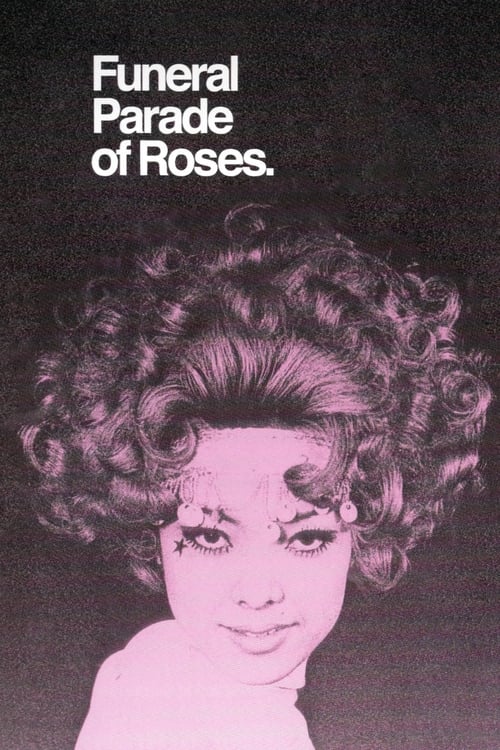
6. Funeral Parade of Roses
Toshio Matsumoto’s *Funeral Parade of Roses* is a groundbreaking, visceral dive into Tokyo’s queer underground of the late 1960s. Starring Peter (Shinnosuke Ikehata) as Eddie, a trans hostess caught in a tragic Oedipal drama, this visually audacious film blurs documentary and fiction, myth and reality. Matsumoto’s experimental techniques—jump cuts, freeze frames, and direct address—create a raw, punk rock energy, critiquing societal repression while celebrating a marginalized community, a defiant, unforgettable cinematic experience.