

1 / 12
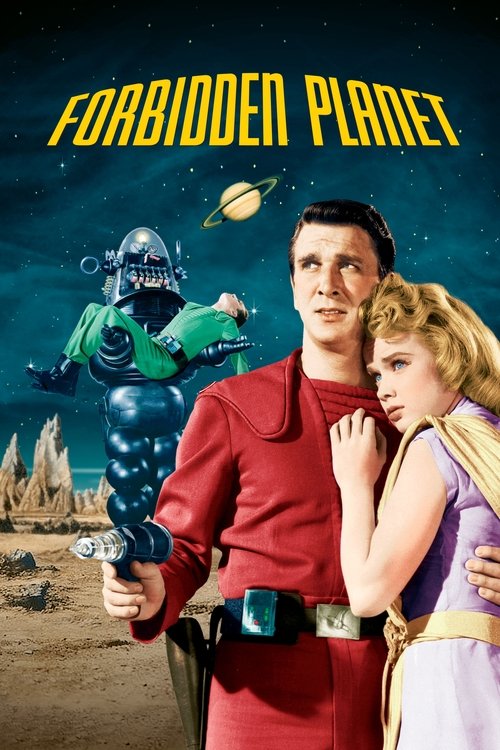
1. Forbidden Planet
A landmark in cinematic science fiction, this film dared to envision deep space with unprecedented scale and sophistication. Its Freudian themes, stunning matte paintings, Robby the Robot, and the pioneering electronic score by Louis and Bebe Barron elevated it beyond mere genre fare, laying crucial groundwork for future space epics. It wasn't just a movie; it was an experience, showcasing the transformative power of special effects and sound.
2 / 12
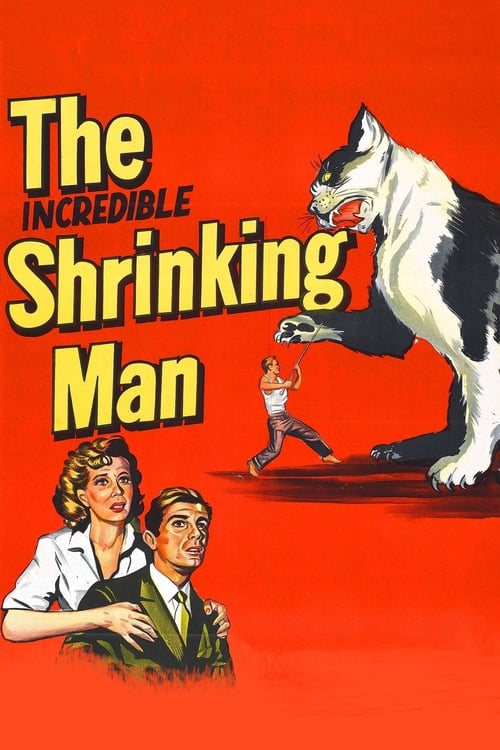
2. The Incredible Shrinking Man
More than a creature feature, Jack Arnold’s film is a profound meditation on existence and the human condition. Its practical effects, though simple, create a terrifying sense of isolation and scale as Scott Carey battles ordinary household objects, which become monstrous. The narrative, steeped in existential dread, explores humanity’s diminishing place in an indifferent universe, offering a chilling, poignant reflection on identity.
3 / 12

3. Fantastic Voyage
This adventure captivated audiences with its audacious premise: a submarine crew miniaturized to navigate a human body. The film's groundbreaking visual effects, depicting internal organs with vivid, if not entirely accurate, detail, were a monumental achievement. It offered a dazzling, often claustrophobic, journey into an unseen world, pushing the boundaries of cinematic spectacle and inspiring countless subsequent microscopic explorations.
4 / 12
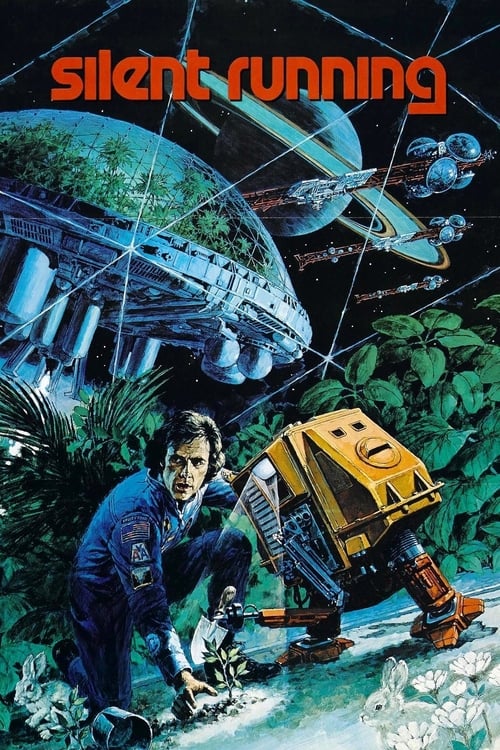
4. Silent Running
Douglas Trumbull, fresh from *2001*, crafted this prescient eco-dystopia, a melancholic ode to a lost Earth. Bruce Dern's performance as the solitary caretaker of the last botanical domes, accompanied only by his drone companions, resonates with profound environmental concern. Its visual poetry, combining practical models and stark landscapes, creates an enduring vision of isolation and the devastating consequences of ecological neglect.
5 / 12
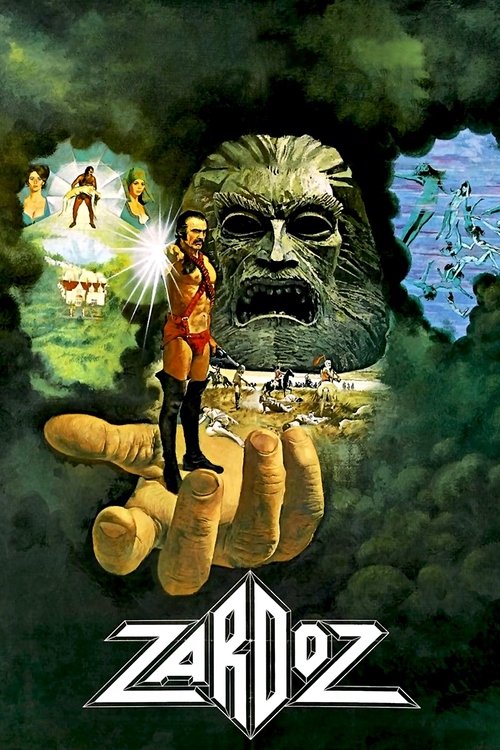
5. Zardoz
John Boorman’s audacious, often baffling, vision remains a singular cinematic experience. Dressed in a red diaper and thigh-high boots, Sean Connery navigates a post-apocalyptic world ruled by a giant flying stone head. Its garish aesthetics and philosophical musings on societal decay, immortality, and sexual repression are undeniably divisive. Yet, *Zardoz* is an uncompromised, psychedelic journey into the bizarre, demanding attention.
6 / 12

6. Allegro non troppo
Bruno Bozzetto’s animated masterpiece offers a sophisticated, often darkly humorous, counterpoint to Disney. It pairs classical music compositions with surreal, hand-drawn vignettes exploring human folly, evolution, and existential angst. From a lonely ape to a cat observing the universe, the film's artistry and intellectual depth are breathtaking. It’s a poignant, visually inventive journey that challenges animation’s perceived boundaries.
7 / 12

7. Logan's Run
This dystopian vision presented a future where society sacrifices its elders at 30 for perpetual youth and pleasure. Its iconic production design, blending futuristic architecture with lush, decadent interiors, became a touchstone for '70s sci-fi. Beyond the spectacle, it’s a compelling critique of hedonism and the fear of aging, prompting reflection on individual freedom versus societal control with enduring relevance.
8 / 12
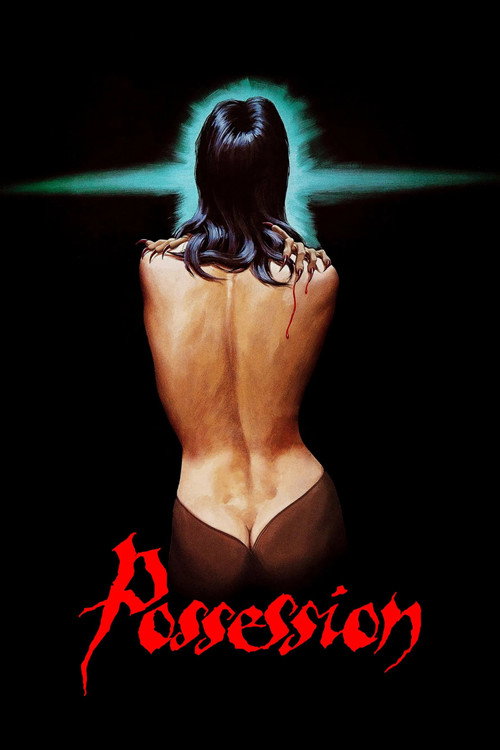
8. Possession
Andrzej Żuławski's film is a raw, visceral exploration of a crumbling marriage that spirals into terrifying, surreal horror. Isabelle Adjani's unhinged performance, particularly her infamous subway scene, is legendary for its sheer intensity. Shot in a divided Berlin, the film's chaotic energy and psychological torment make it an intensely uncomfortable yet undeniably powerful work, a true benchmark in art house horror.
9 / 12
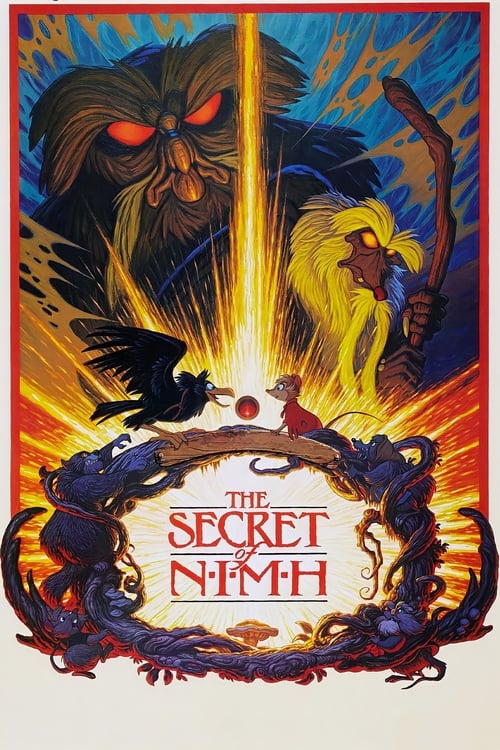
9. The Secret of NIMH
Don Bluth's directorial debut marked a significant departure from contemporary animation, offering a darker, more intricate hand-drawn experience. Its richly detailed visuals, mature themes of courage and sacrifice, and a sense of genuine peril set it apart. This adaptation of Robert C. O'Brien's novel showcased animation's capacity for complex storytelling and breathtaking artistry, proving 'children's films' could be profoundly unsettling.
10 / 12
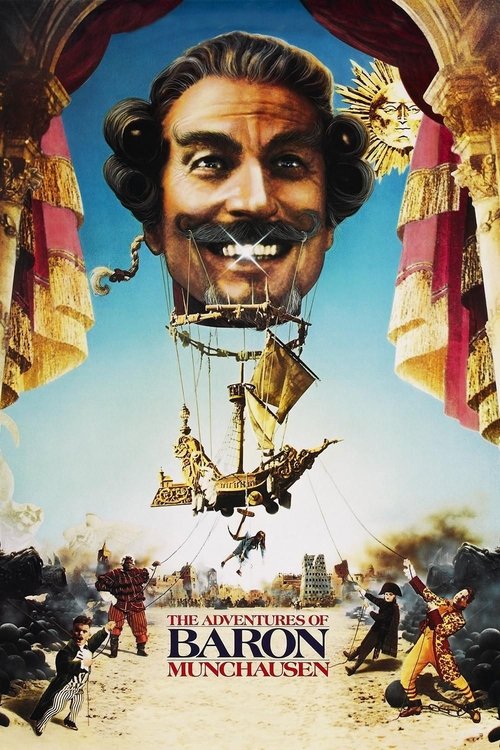
10. The Adventures of Baron Munchausen
Terry Gilliam's grand, often chaotic, epic is a visual feast, a testament to the power of imagination over reality. Its elaborate practical effects, stunning set pieces, and fantastical characters bring the legendary Baron's tall tales to vivid life. Despite its troubled production, the film champions storytelling and human ingenuity, a glorious, unbridled celebration of cinematic art that defies conventional narrative.
11 / 12
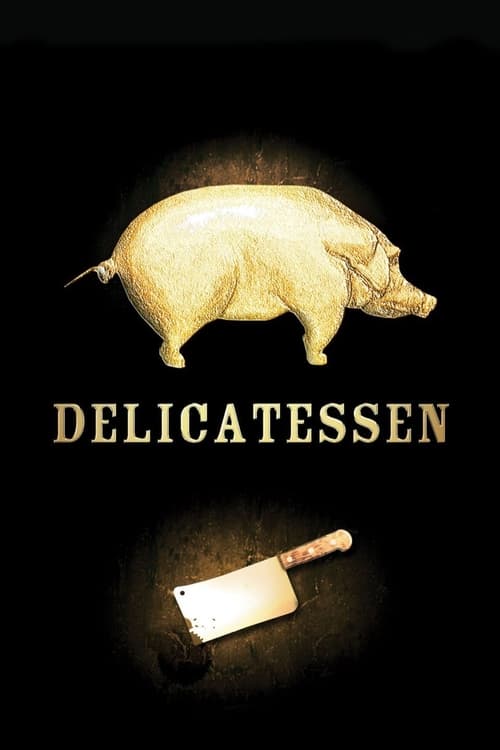
11. Delicatessen
Jean-Pierre Jeunet and Marc Caro crafted a distinct, darkly humorous post-apocalyptic fable. Set in a dilapidated apartment building where a cannibalistic butcher reigns, the film’s meticulous production design, whimsical contraptions, and quirky characters create an utterly unique world. Its blend of the grotesque and the charming, coupled with a singular visual style, solidified its place as a cult classic, redefining dark comedy.
12 / 12
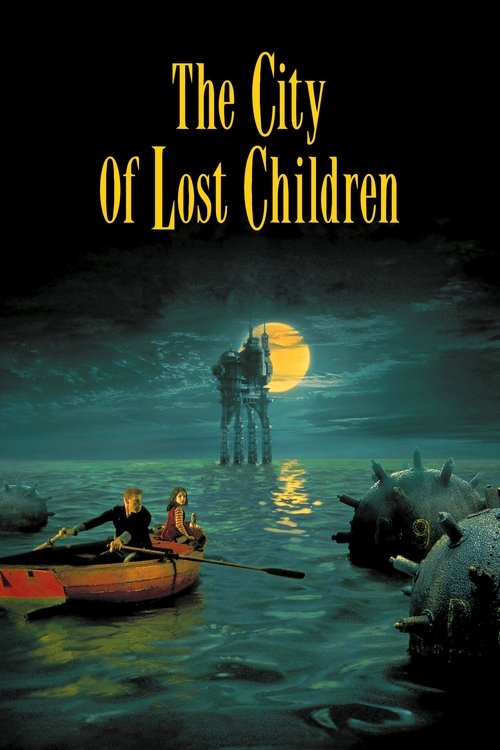
12. The City of Lost Children
This visually stunning, dreamlike fantasy from Jeunet and Caro delves into a surreal, steampunk-infused world where a villain steals children's dreams. Its intricate design, grotesque characters, and exploration of innocence and corruption are captivating. The film's rich, dark aesthetic and poetic narrative create an immersive, unforgettable experience, a testament to the boundless creativity possible within cinematic storytelling.