

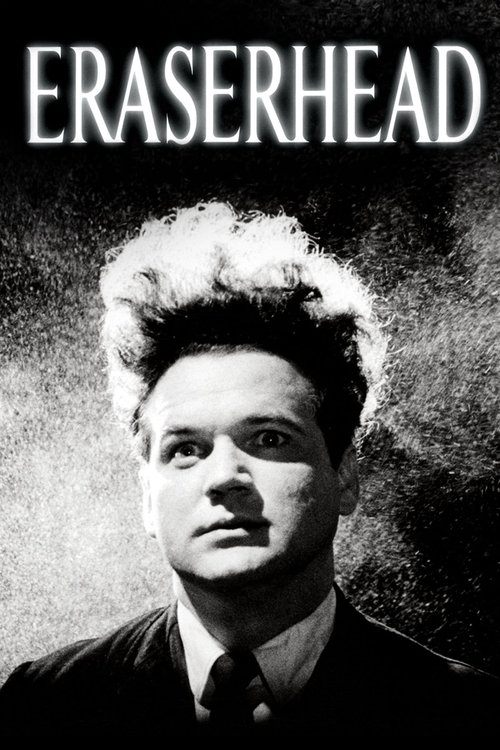
1. Eraserhead
David Lynch's feature debut, a stark, black-and-white descent into industrial dread and nascent paternity anxieties, remains an unparalleled exercise in American surrealism. The film's oppressive sound design and nightmarish imagery craft a visceral experience, reflecting societal fears of urban decay and domestic entrapment. It cemented Lynch's unique auteurial voice, challenging conventional narrative and aesthetic boundaries with unsettling brilliance.
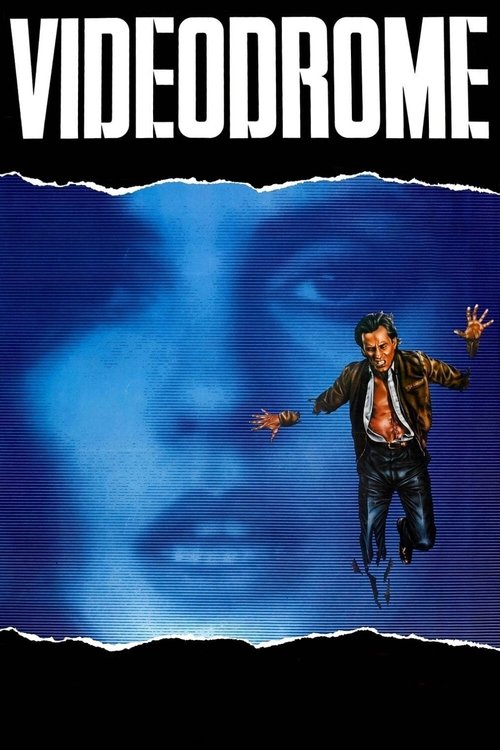
2. Videodrome
David Cronenberg's prescient 1983 vision critiques the insidious power of media, anticipating the digital age's blurring lines between reality and illusion. James Woods' Max Renn navigates a world where television literally remakes the flesh, exploring themes of technology, identity, and control. It's a grotesque, body-horror-infused commentary on consumption and the seductive, corrupting influence of spectacle, a truly discomforting cinematic prophecy.

3. Wake in Fright
Ted Kotcheff's brutal journey into the Australian outback is a searing exploration of masculinity and moral decay. A refined English teacher, stranded in a remote mining town, succumbs to the primal, intoxicating violence and nihilism of his surroundings. The 1971 film, long lost and gloriously restored, is a harrowing psychological breakdown, reflecting a dark underbelly of national character and the destructive allure of unchecked freedom.
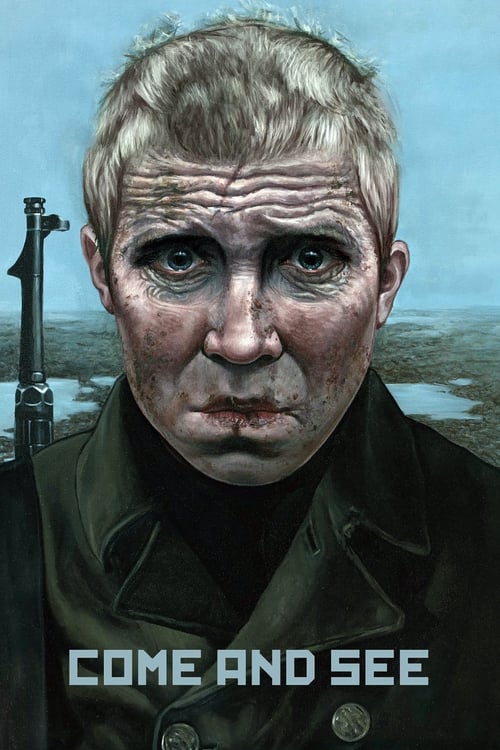
4. Come and See
Elem Klimov's 1985 masterpiece is not merely a war film; it's a visceral, unflinching descent into the purest horror of conflict, seen through the eyes of a Belarusian boy. As he witnesses the atrocities of World War II, his face transforms from innocence to aged despair. The film employs a hypnotic, dreamlike quality to amplify its brutal realism, serving as a profound and devastating historical reflection on humanity's capacity for evil.
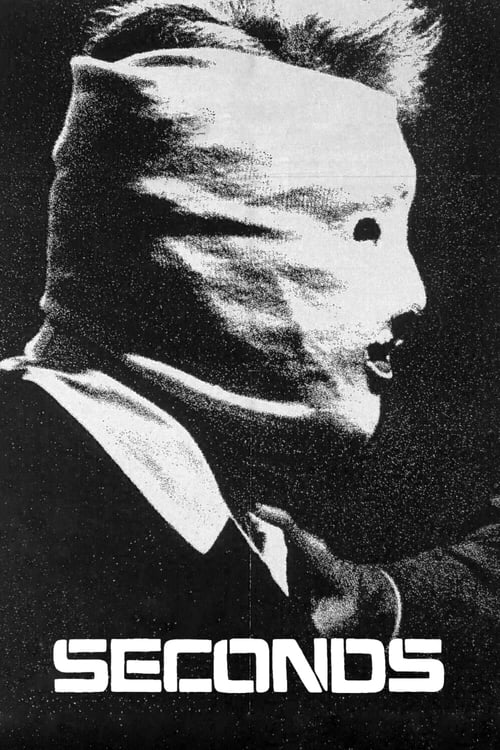
5. Seconds
John Frankenheimer's chilling 1966 thriller explores the ultimate fantasy of a second chance, twisted into a paranoid nightmare. Rock Hudson portrays a man who undergoes a radical transformation to escape his mundane life, only to find himself trapped in a new, equally suffocating existence. This film masterfully dissects themes of identity, conformity, and existential dread, prefiguring anxieties about societal control and personal authenticity.
6. The Vanishing
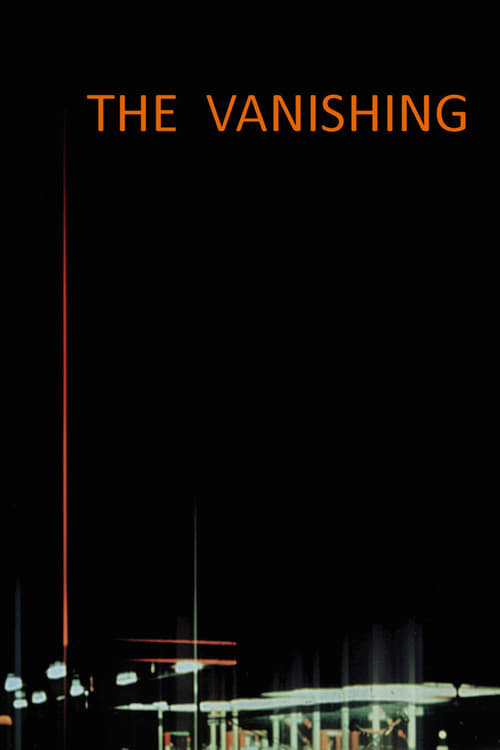
George Sluizer's original 1988 Dutch-French thriller is a masterclass in sustained psychological tension, built around a man's obsessive quest to understand his girlfriend's disappearance. It deliberately denies the audience conventional thrills, instead focusing on the disturbing psychology of both hunter and hunted. The film's chillingly ambiguous ending remains one of cinema's most unsettling and unforgettable conclusions, a profound meditation on pure evil.

7. Withnail & I
Bruce Robinson's 1987 black comedy captures the melancholic twilight of the 1960s counterculture through the misadventures of two unemployed, alcoholic actors. This British cult classic is a brilliant study of decaying bohemianism, delivered with razor-sharp dialogue and a pervasive sense of impending doom. It's a darkly humorous, yet deeply poignant, reflection on friendship, failure, and the inevitable passage of time.
8. Peeping Tom
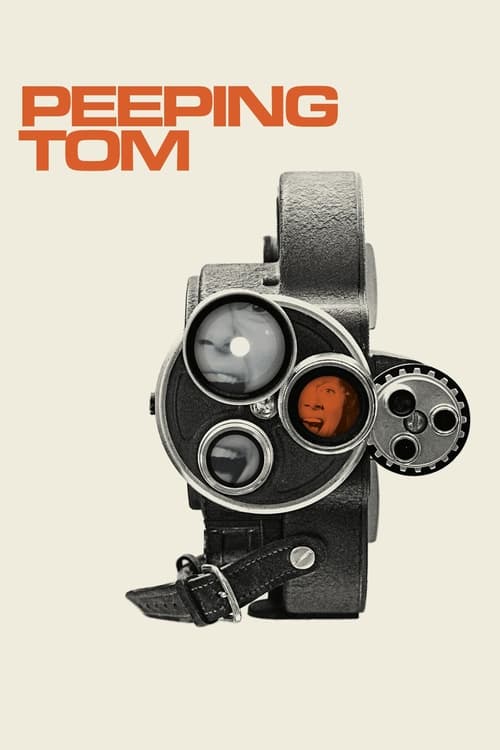
Michael Powell's controversial 1960 psychological horror film, once reviled, is now recognized as a groundbreaking work that dissects voyeurism and the act of filmmaking itself. It follows a serial killer who murders women while filming their dying moments, turning the camera into a weapon. This film boldly deconstructs our complicity as viewers, examining the dark allure of forbidden images long before its contemporary, *Psycho*, achieved acclaim.
9. Pink Flamingos
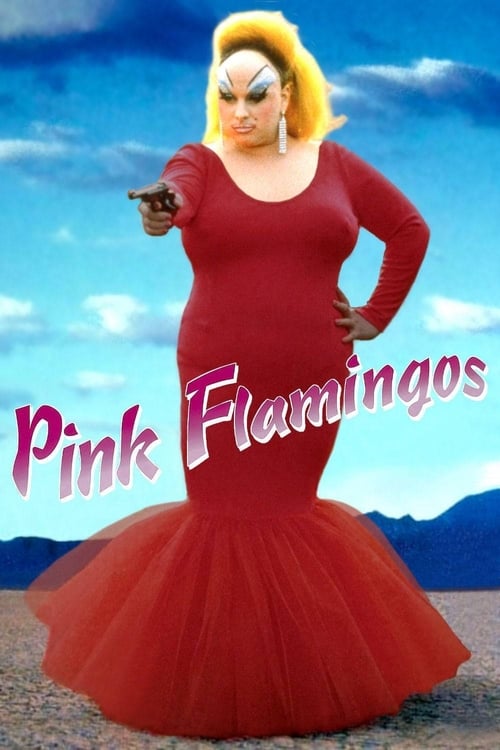
John Waters' notorious 1972 independent film is a proudly transgressive, anarchic celebration of filth and bad taste. Starring the iconic Divine, it gleefully pushes every boundary of decency, challenging conventional morality and mainstream cinema. "The Pope of Trash" crafted a work that, despite its shocking exterior, offers a genuine reflection on outsider identity and the subversive power of camp aesthetics within counter-culture.
10. After Hours
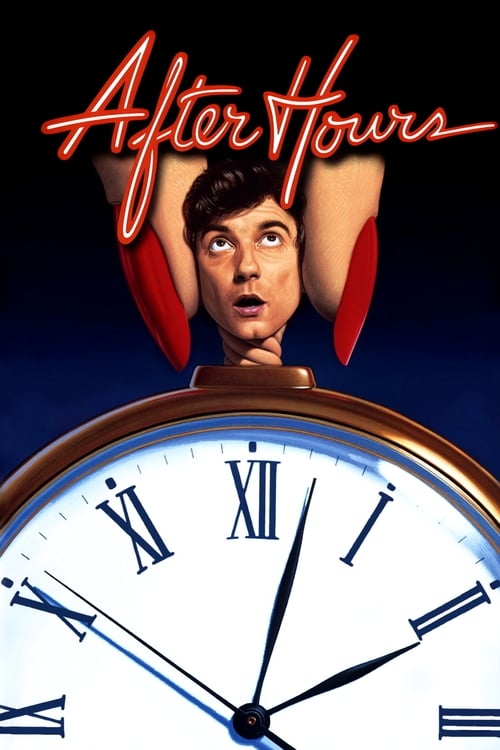
Martin Scorsese's 1985 black comedy plunges an ordinary word processor into a Kafkaesque nightmare in downtown New York. What begins as a quest for a casual date quickly escalates into a series of bizarre, increasingly dangerous encounters. It's a brilliantly constructed narrative of urban alienation and paranoia, reflecting the absurdity of modern existence with a dark, relentless humor that defines a particular strain of 80s existential dread.
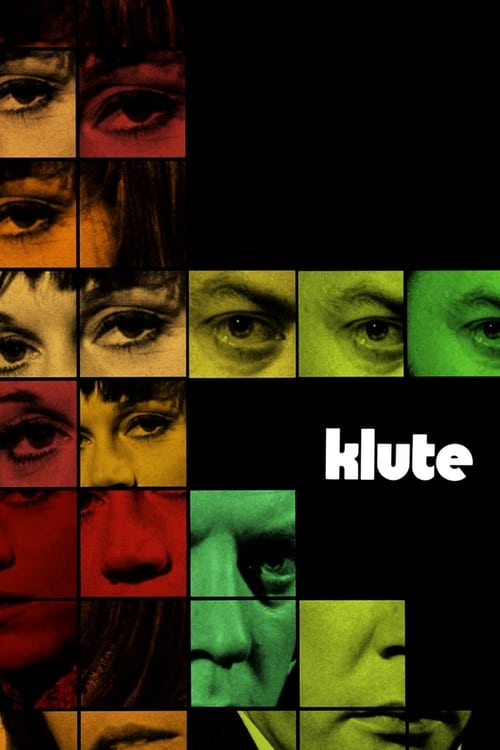
11. Klute
Alan J. Pakula's 1971 neo-noir thriller masterfully weaves a tale of surveillance, identity, and the transactional nature of human connection. Jane Fonda's Oscar-winning performance as Bree Daniels, a sophisticated call girl caught in a missing person's case, grounds the film's psychological tension. It’s a compelling reflection on societal control and individual vulnerability, wrapped in the atmospheric gloom of early 70s urban anxiety.

12. Scarecrow
Jerry Schatzberg's elegiac 1973 road movie follows the unlikely, bittersweet friendship between two drifters, played by Gene Hackman and Al Pacino, as they journey across America. It's a poignant exploration of male bonding, dashed hopes, and the elusive nature of the American dream. Their raw, vulnerable performances etch a powerful portrait of societal outcasts yearning for connection and a fresh start amidst profound disillusionment.