

1 / 12
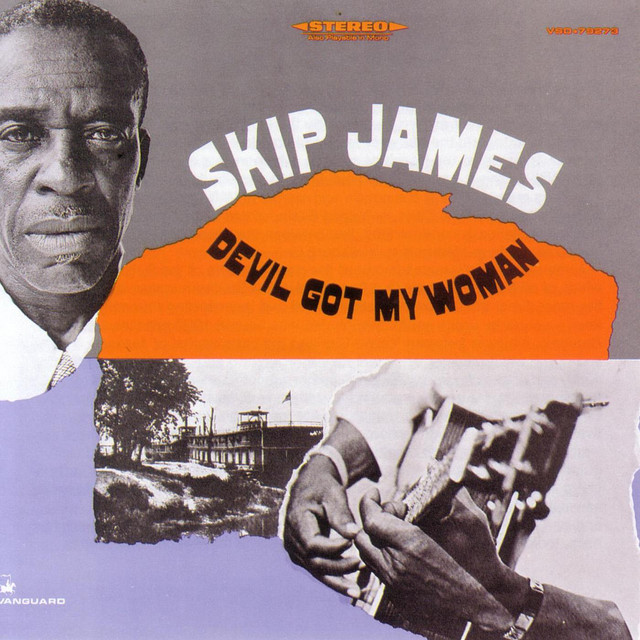
1. Devil Got My Woman
Skip James's 1931 recording is a raw, unvarnished howl from the Delta. His falsetto, the skeletal guitar work; it cuts deep, a mournful lament that embodies the very essence of pre-war blues. You hear the gospel moan, the spiritual yearning, stripped bare of any pretense. This isn't just music; it's a stark, chilling testament to human sorrow, etched into wax with an almost surgical precision. A foundational, utterly essential piece of Americana, still potent decades later.
2 / 12
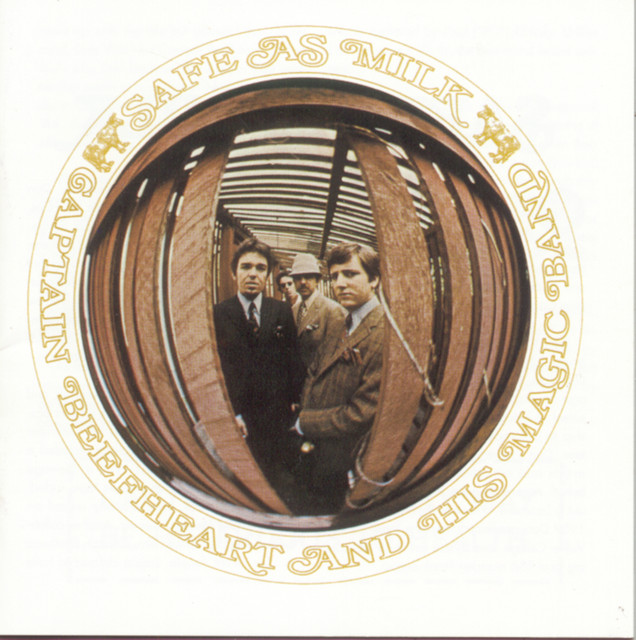
2. Safe As Milk
Captain Beefheart & His Magic Band’s 1967 debut smashes primal blues against nascent psychedelic rock with unhinged glee. It’s a glorious mess of avant-garde ambition, where Howlin' Wolf meets free jazz. The grooves are thick, often lurching, yet undeniably infectious. Don Van Vliet's guttural shouts and cryptic lyrics layer over a rhythm section that sounds like it's barely holding itself together. A foundational statement for the weird, a blueprint for future sonic rebellion.
3 / 12

3. Link Wray
The 1958 recordings from Link Wray and His Ray Men birthed a sound that would rattle rock ‘n’ roll forever. "Rumble" wasn't just a song; it was a manifesto. That distorted, fuzz-laden guitar, an almost violent declaration of intent, bypassing lyrics entirely. This was raw, untamed power, a pure visceral thrill that laid the groundwork for every garage band, every punk rocker, every metal head. It’s the sound of rebellion, distilled to its most primal, instrumental core.
4 / 12
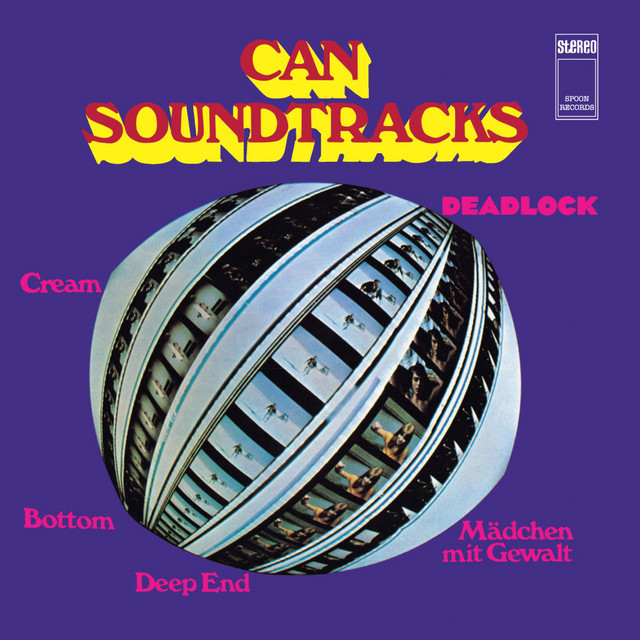
4. Soundtracks (Remastered Version)
Can’s 1970 collection, especially in its remastered glory, unveils the embryonic genius of krautrock's rhythmic pulse. This isn't just film music; it's a journey into motorik bliss, a testament to hypnotic repetition and subtle textural shifts. The grooves, often sparse and insistent, build a cinematic atmosphere without ever resorting to bombast. It’s early electronic minimalism wrapped in a rock band's skin, a blueprint for a whole new way of listening.
5 / 12
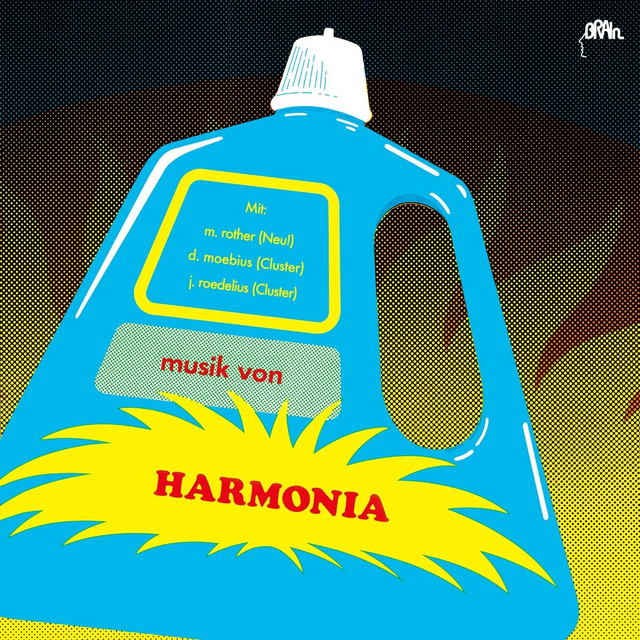
5. Musik von Harmonia
Harmonia’s 1974 offering is a masterclass in serene, yet deeply engaging, early electronic minimalism. Rother, Moebius, and Roedelius crafted an album that feels both futuristic and oddly organic. The understated melodies and motorik rhythms drift like clouds, inviting immersion rather than demanding attention. It’s a gentle, almost pastoral side of krautrock, proving that innovation didn't always need to shout to be profoundly impactful. A quiet revolution.
6 / 12

6. They Say I'm Different
Betty Davis's 1974 funk explosion is an unapologetic, snarling declaration of independence. Her voice, a force of nature, rides grooves so gritty and raw they practically tear through the speakers. This is soul music stripped of polite conventions, infused with a punk rock attitude years before punk officially arrived. It's fierce, sexual, and utterly fearless. Betty Davis didn’t just sing funk; she embodied it, a true pioneer whose legacy still burns bright.
7 / 12
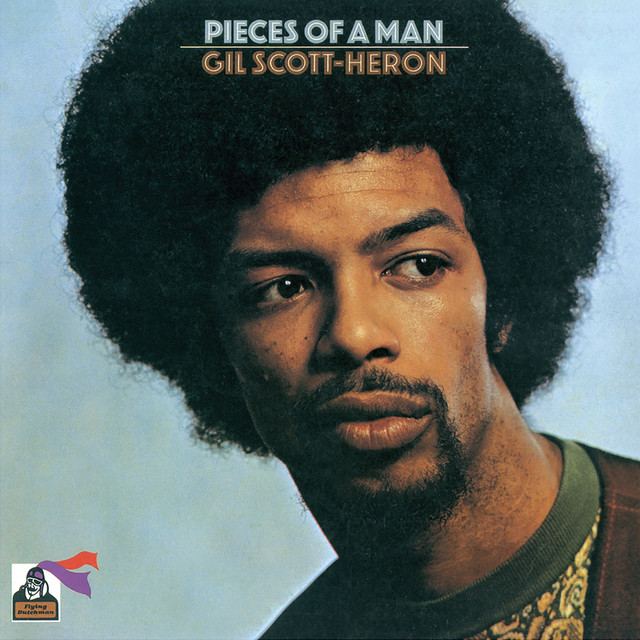
7. Pieces of a Man
Gil Scott-Heron's 1971 masterpiece is a stark, poetic chronicle of urban decay and social injustice, delivered with cool, understated power. His spoken word, backed by jazz-inflected soul arrangements, transforms observation into prophecy. "The Revolution Will Not Be Televised" might be the anthem, but the entire record pulsates with a weary wisdom and a defiant spirit. It's blues for the modern age, a chillingly relevant soundtrack to systemic struggle.
8 / 12
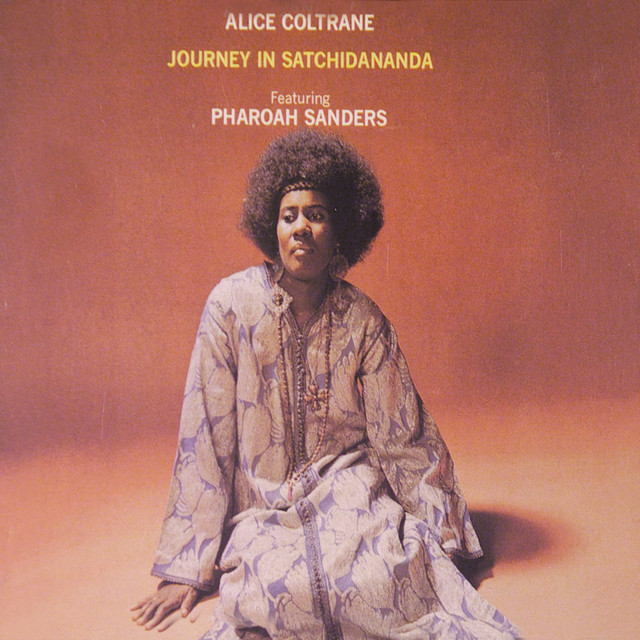
8. Journey in Satchidananda
Alice Coltrane’s 1971 spiritual jazz opus transcends earthly concerns, guiding listeners into a cosmic, meditative space. Her harp and organ weave ethereal tapestries, while Pharoah Sanders's saxophone cries out from another dimension. It’s an album deeply rooted in Eastern philosophy, yet undeniably American in its jazz improvisation. This isn't background music; it’s an active spiritual quest, a profound exploration of sound as a vehicle for transcendence.
9 / 12
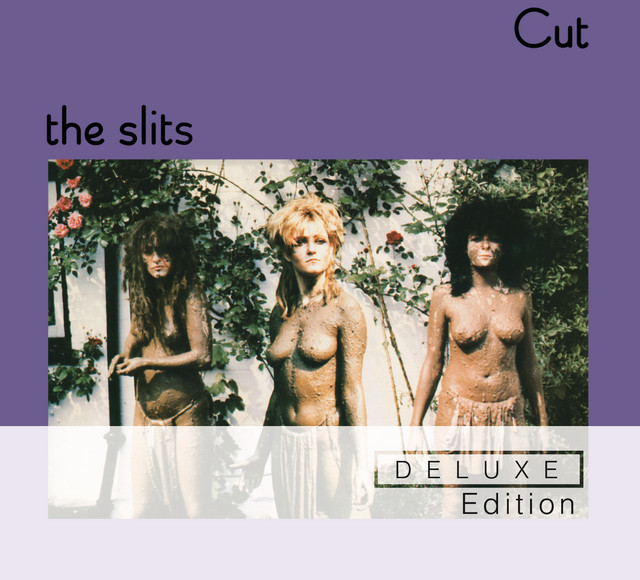
9. Cut (Deluxe Edition)
The Slits’ 1979 debut, particularly in its deluxe form, remains a vital, exhilarating blast of post-punk rebellion. Ari Up's playful yet defiant vocals, the angular guitar riffs, and the deep, dub-infused basslines forged a unique sound. It’s raw, unapologetic, and infused with a mischievous energy that shattered expectations for women in music. This album didn't just break rules; it gleefully ignored them, creating its own vibrant, sonic playground.
10 / 12
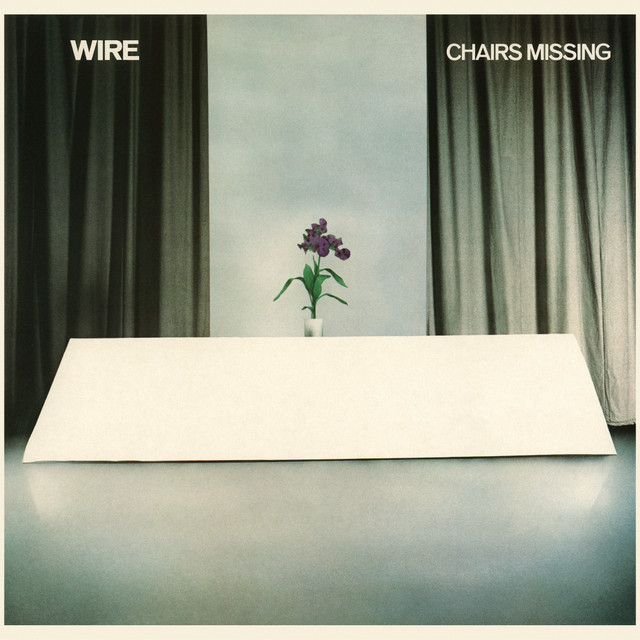
10. Chairs Missing (2006 Remastered Version)
Wire’s 1978 album, especially the remastered edition, showcases their intellectual precision within the post-punk framework. The songs are terse, angular, and often unsettling, built on crisp guitar lines and minimalist arrangements. It’s a colder, more detached aesthetic than their contemporaries, yet utterly compelling in its starkness. This wasn't about raw emotion; it was about surgical deconstruction, laying bare the mechanics of rock for a new era.
11 / 12
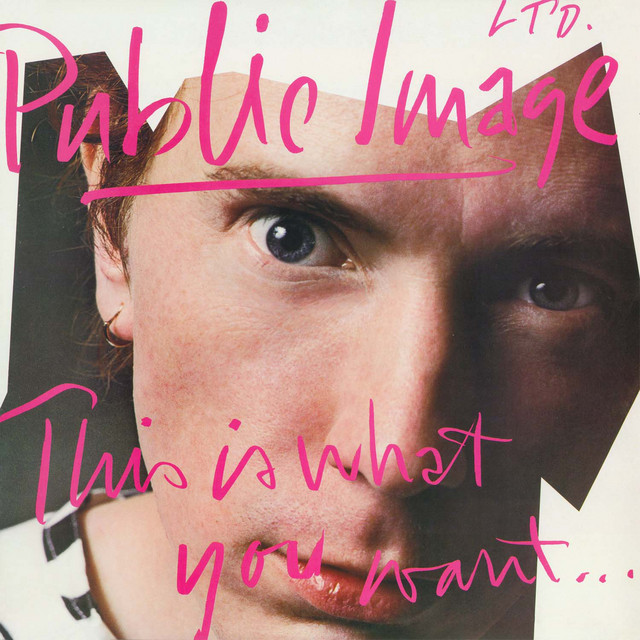
11. This is What You Want... This Is What You Get
Public Image Ltd.'s 1984 record is a harsh, uncompromising statement from John Lydon. It’s a dense, rhythmic assault, melding post-punk's jagged edges with early industrial textures. The grooves are repetitive, almost hypnotic, but always underpinned by a sense of unease and Lydon's signature sneering disdain. This isn't easy listening; it's a challenging, confrontational experience, reflecting the bleak realities of its time with brutal honesty.
12 / 12
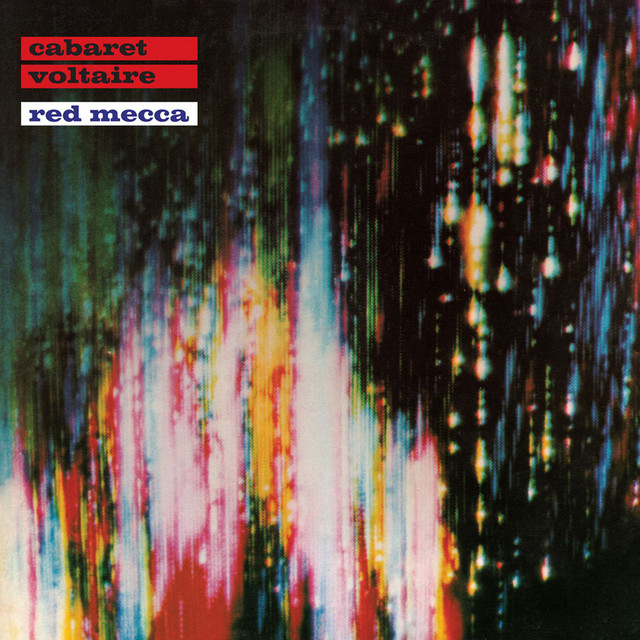
12. Red Mecca
Cabaret Voltaire’s 1981 industrial masterpiece is a dystopian soundscape, a brutalist monument built from tape loops, clanging percussion, and fractured electronics. It’s the sound of urban decay and technological alienation, crafted with a cold, calculated precision. This isn't music to relax to; it's a rhythmic, unsettling journey into the heart of early industrial experimentation, a sonic blueprint for all who dared to venture into the mechanical unknown.