
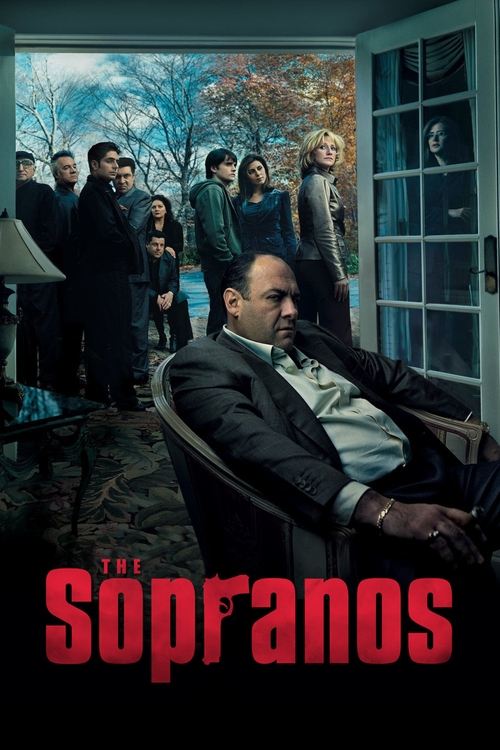
1. The Sopranos
Before this, HBO was just boxing and movies. Then came Tony Soprano, a mob boss in therapy, and suddenly TV had permission to be dark, complex, and utterly cinematic. It wasn't just a drama; it was a novel unfurling weekly, a masterclass in the anti-hero, redefining what a protagonist could be. This was the blueprint for prestige cable, showing serialized storytelling could rival any feature film.
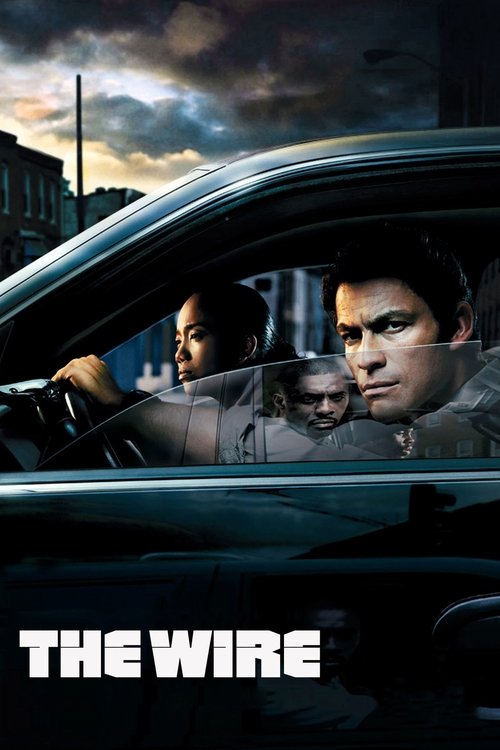
2. The Wire
This wasn't just a cop show; it was a sprawling, novelistic examination of an American city, its institutions, and the people caught within them. With its vast ensemble and meticulous attention to detail, 'The Wire' demanded your full attention, delivering a level of social realism and serialized depth previously unheard of. It showed TV could be literature, tackling systemic issues with unprecedented scope.

3. Six Feet Under
Dealing with death every week, 'Six Feet Under' was HBO at its most fearlessly intimate. It took an ensemble of deeply flawed characters and explored their lives with a raw honesty, blending dark humor with profound emotional weight. This show proved that serialized character drama could tackle life's biggest questions, making the mundane utterly compelling and deeply personal.
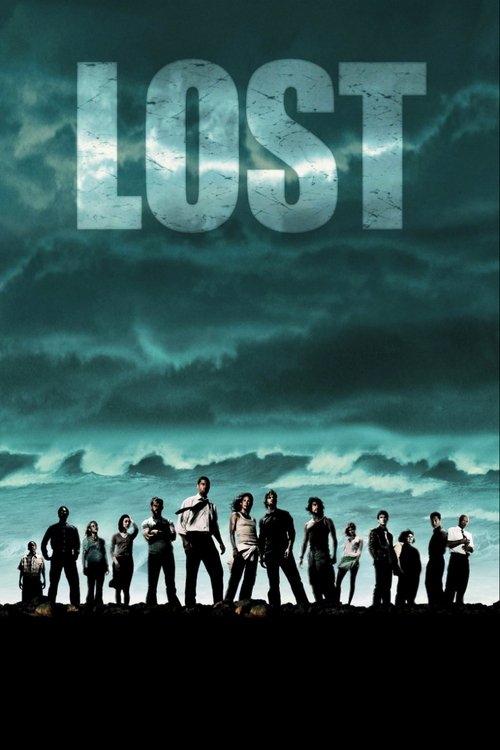
4. Lost
Remember the weekly debates? 'Lost' practically invented the water cooler cliffhanger for the serialized era. Its sprawling mystery, cinematic scope, and massive ensemble cast hooked everyone, pushing the boundaries of network television into ambitious, long-form storytelling. It felt like a movie chopped into episodes, demanding attention and theorizing every single week, laying groundwork for future binge-watching habits.
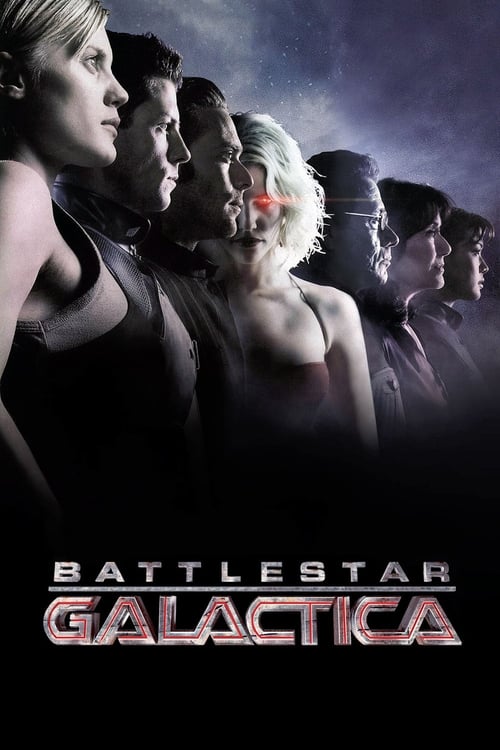
5. Battlestar Galactica
A sci-fi series that transcended its genre, 'Battlestar Galactica' plunged into deep moral and political allegories, wrapping them in a gritty, cinematic package. Its serialized narrative and morally ambiguous characters reflected a post-9/11 world, proving that genre TV could be intelligent, provocative, and emotionally devastating, all while being incredibly entertaining. So say we all.
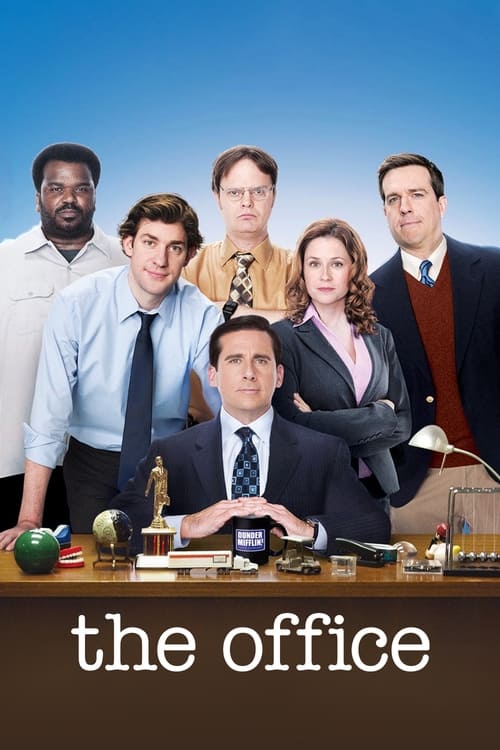
6. The Office
The mockumentary style wasn't new, but the American version of 'The Office' made it a mainstream phenomenon, proving comedy could be cringe-worthy, heartfelt, and deeply character-driven all at once. Its ensemble cast felt like real people you knew, even in their most awkward moments, laying groundwork for a new kind of workplace comedy that transcended traditional sitcom tropes.
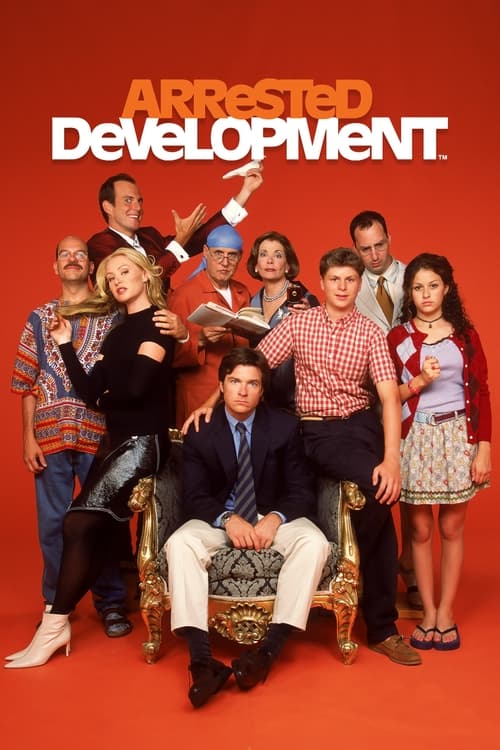
7. Arrested Development
This show was a masterclass in dense, serialized comedy, rewarding repeat viewings and pioneering a unique narrative style. Its rapid-fire gags, meta-humor, and intricate callbacks made it feel ahead of its time, almost like it was designed for on-demand consumption before that was a common thing. It was smart, bizarre, and brilliant, elevating the sitcom form.
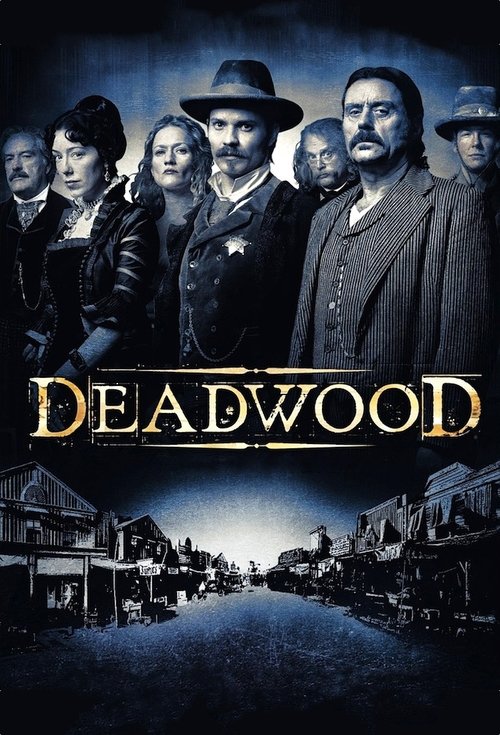
8. Deadwood
HBO's 'Deadwood' was a profanity-laced, historically rich, and utterly unique beast. It immersed viewers in a brutal, nascent society with an ensemble of unforgettable characters, showcasing cable's willingness to take risks with language and historical grit. Its dialogue was like poetry, its violence visceral, proving period dramas could be anything but polite or conventional.
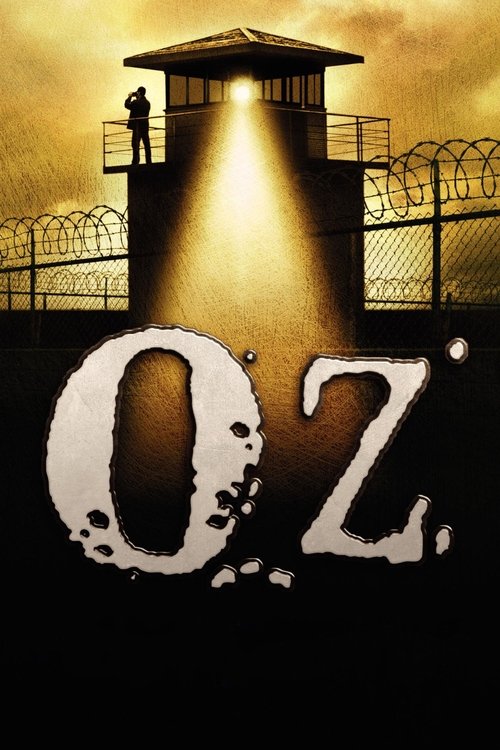
9. Oz
HBO's first hour-long drama, 'Oz' burst onto the scene with a ferocity that shocked audiences, pushing the limits of what was acceptable on television. Its brutal, unflinching look at prison life, told through a sprawling ensemble, was raw and relentlessly serialized. It proved that cable could go places network TV wouldn't dare, setting the stage for everything that followed.
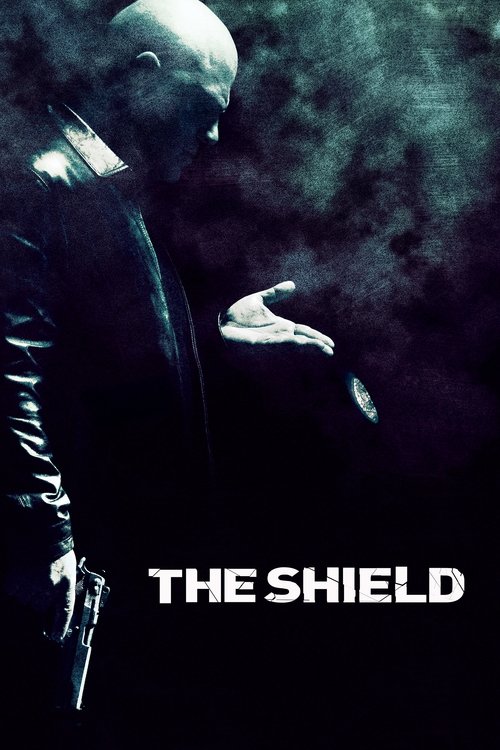
10. The Shield
'The Shield' introduced us to Vic Mackey, an anti-hero who made Tony Soprano look like a choir boy. FX took a huge gamble on this morally ambiguous, serialized cop drama, proving that cable networks beyond HBO could deliver gritty, character-driven narratives. It was intense, provocative, and unflinching, changing expectations for what a police procedural could be.
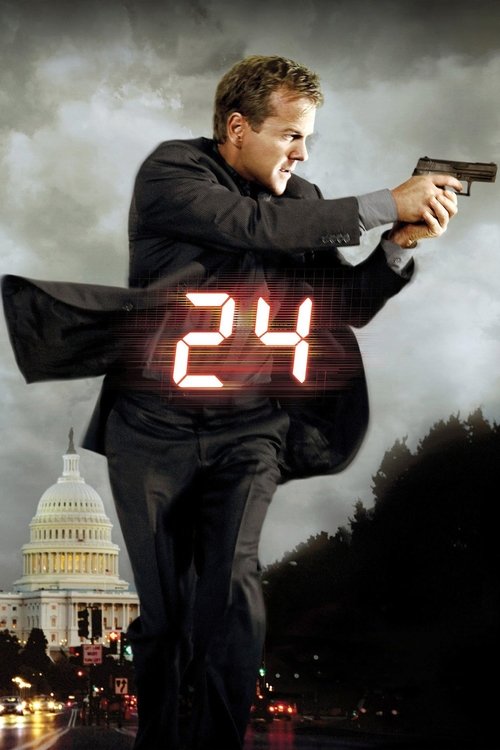
11. 24
This show changed the game for network thrillers, presenting its narrative in real-time, minute-by-minute. '24' perfected the high-stakes, serialized suspense format, keeping audiences glued to their screens with its relentless pace and cinematic action. Jack Bauer's race against the clock felt revolutionary, proving network TV could deliver high-concept, binge-worthy drama.
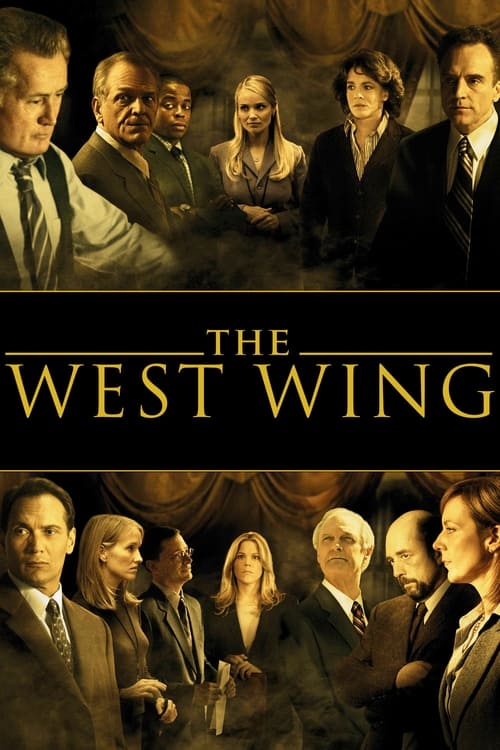
12. The West Wing
'The West Wing' proved that smart, fast-paced dialogue and an ensemble of principled characters could make politics gripping television. Its serialized storylines and aspirational vision of government, combined with Sorkin's signature walk-and-talk style, elevated the political drama genre, showing network TV could deliver sophisticated, intelligent entertainment without dumbing things down.