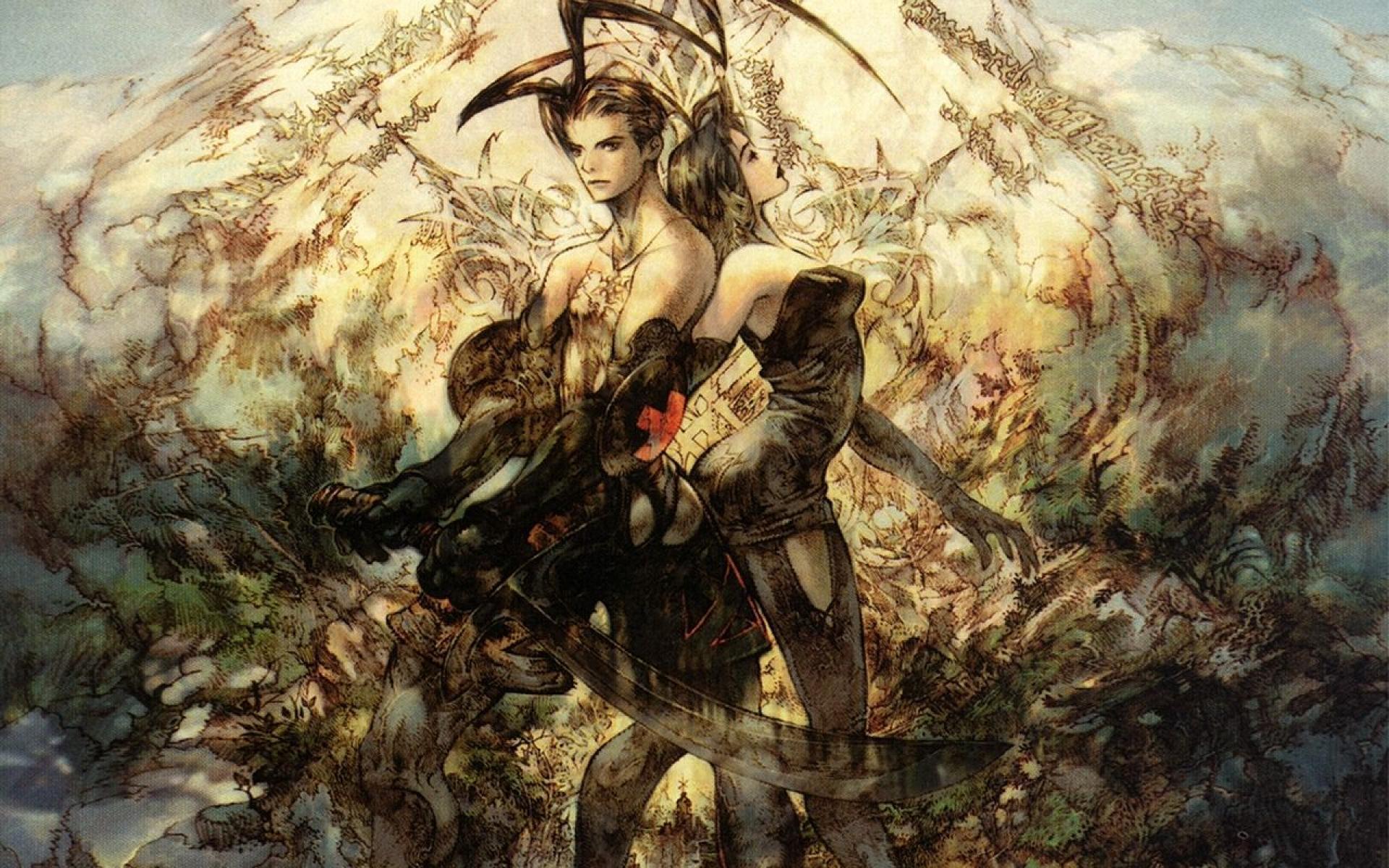
1. Vagrant Story (2000)
Square's PlayStation masterpiece from 2000 defied genre conventions. It offered a complex blend of action RPG mechanics, intricate weapon crafting, and challenging, strategic combat. Set in the dark fantasy world of Ivalice, its mature, philosophical narrative explored themes of faith and betrayal through protagonist Ashley Riot's haunting journey. The unique art style and seamless transitions made it a truly memorable, if demanding, experience that still resonates with players today.
2. Grim Fandango
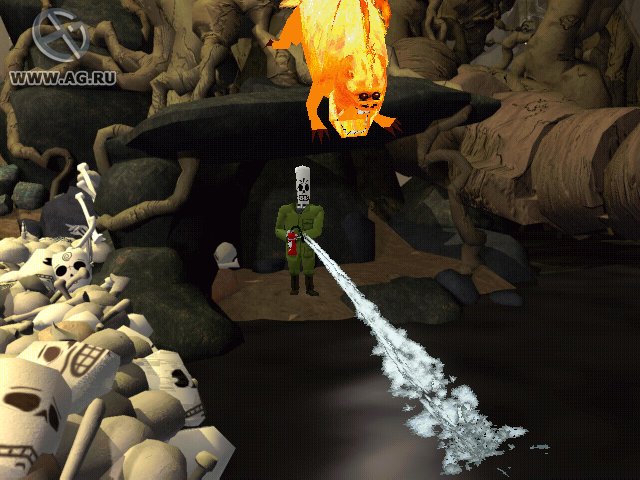
LucasArts' 1998 point-and-click adventure remains a benchmark for narrative design. Manny Calavera's noir-infused journey through the Land of the Dead is a masterclass in witty dialogue, memorable characters, and a truly unique aesthetic. Its blend of Aztec mythology and detective fiction, coupled with clever puzzles and an unforgettable score, crafted an experience both humorous and melancholic. It's a testament to storytelling in games.
3. Psychonauts
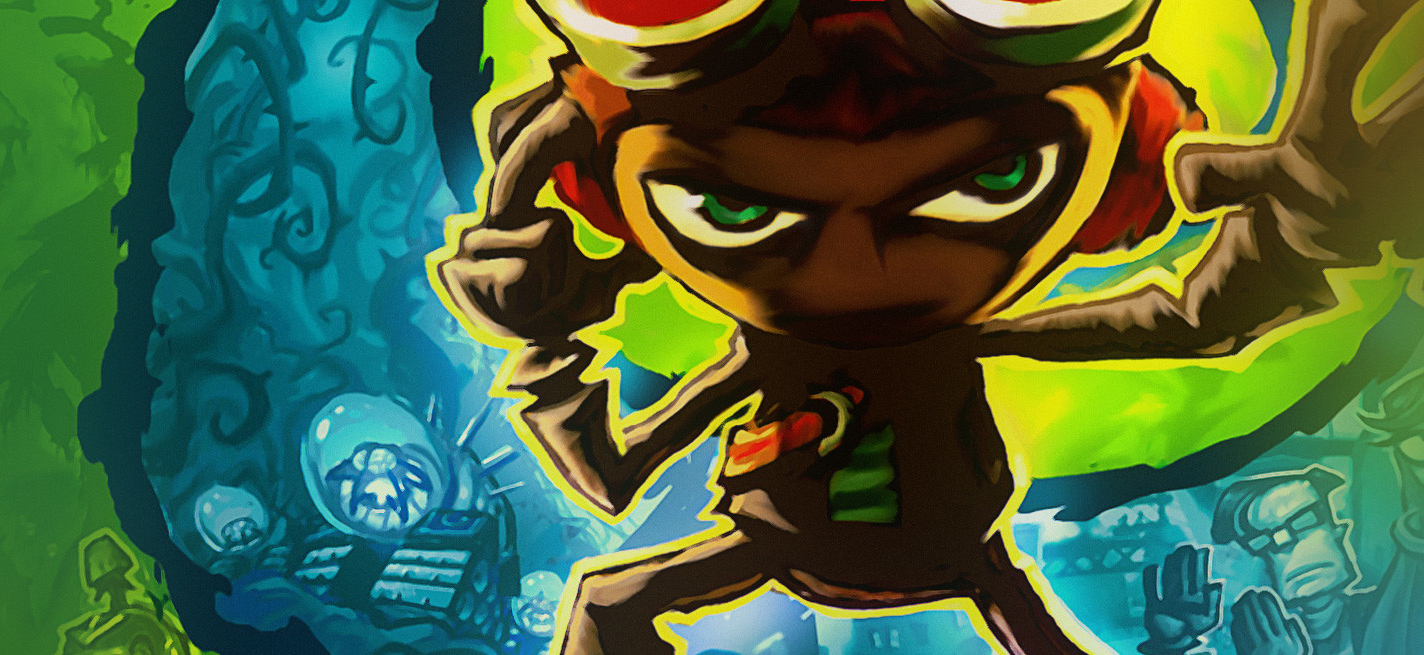
Double Fine's 2005 platformer whisked players into the surreal minds of others. Tim Schafer’s signature wit shone through Razputin's journey to become a Psychonaut, exploring imaginative levels based on mental states. Its vibrant, cartoonish art style belied a surprisingly deep narrative dealing with trauma and self-discovery. A truly inventive game, it captured a rare blend of humor, heart, and creative gameplay that still feels fresh.
4. Alpha Protocol
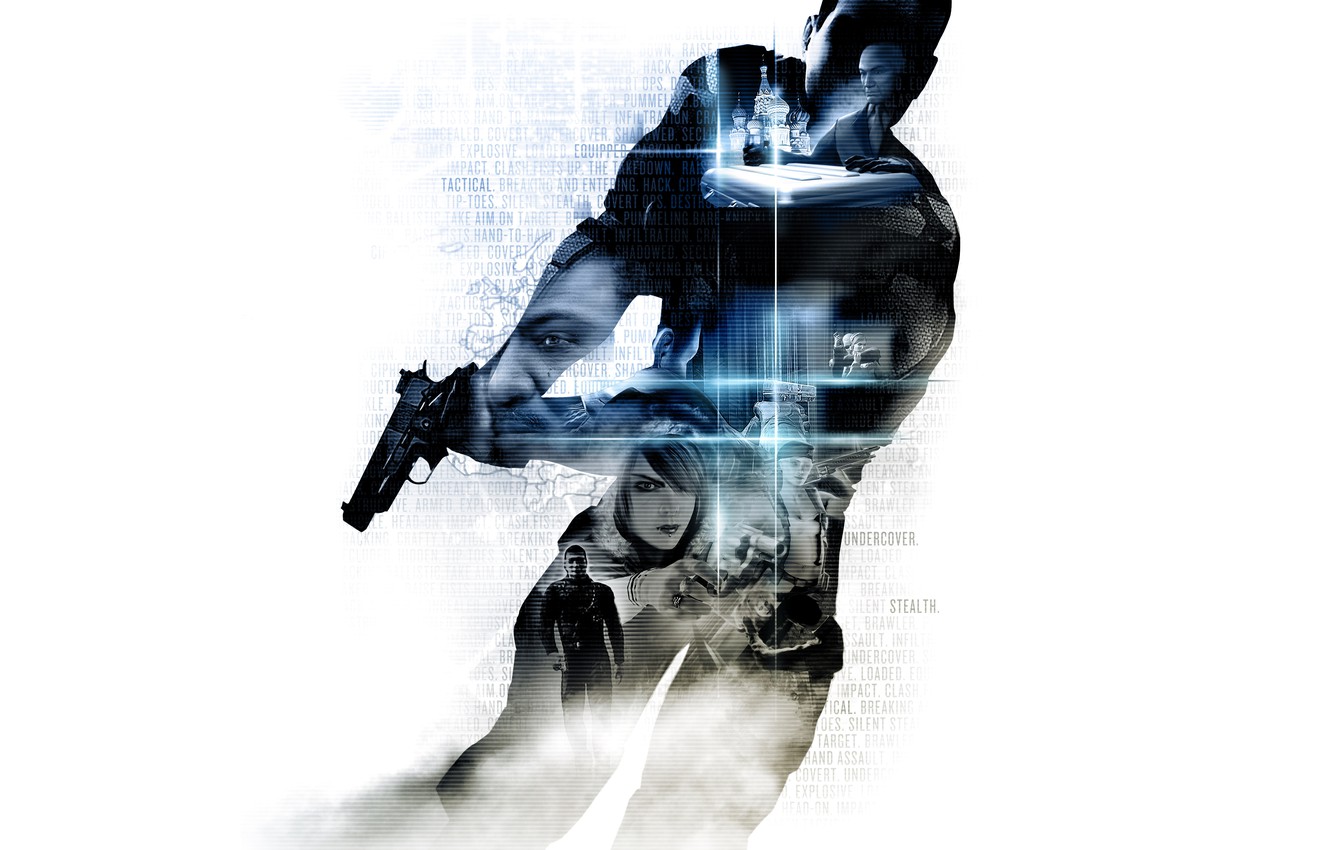
Obsidian's 2010 spy RPG was a bold experiment in player agency, though technically rough around the edges. It allowed unparalleled choice in dialogue, mission approach, and character development, with decisions genuinely impacting the branching narrative and character relationships. Playing as Michael Thorton, players navigated a morally ambiguous world where every action had consequences, creating a personalized spy thriller experience unlike any other.
5. Giants: Citizen Kabuto
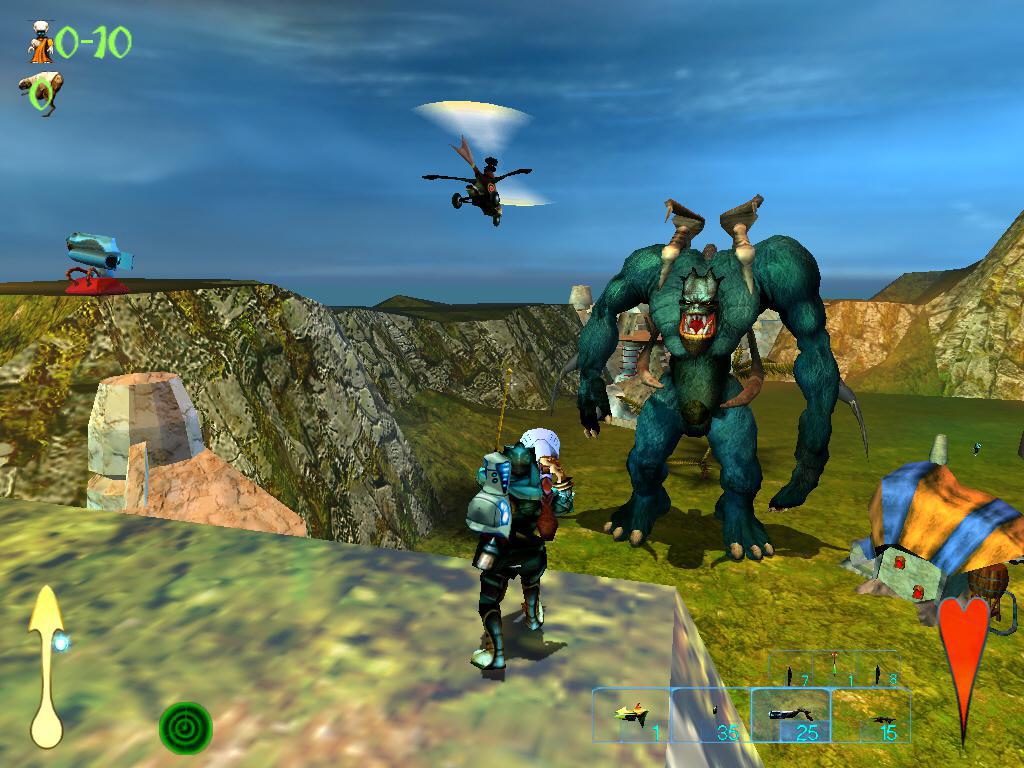
Planet Moon Studios delivered a genuinely bizarre and brilliant action-strategy game in 2000. Players could switch between three distinct factions—the agile Meccs, the magic-wielding Sea Reapers, or the colossal monster Kabuto—each with unique gameplay mechanics. Its absurd humor, vibrant art design, and innovative blend of genres created a chaotic, memorable experience. It was unapologetically weird and utterly charming.
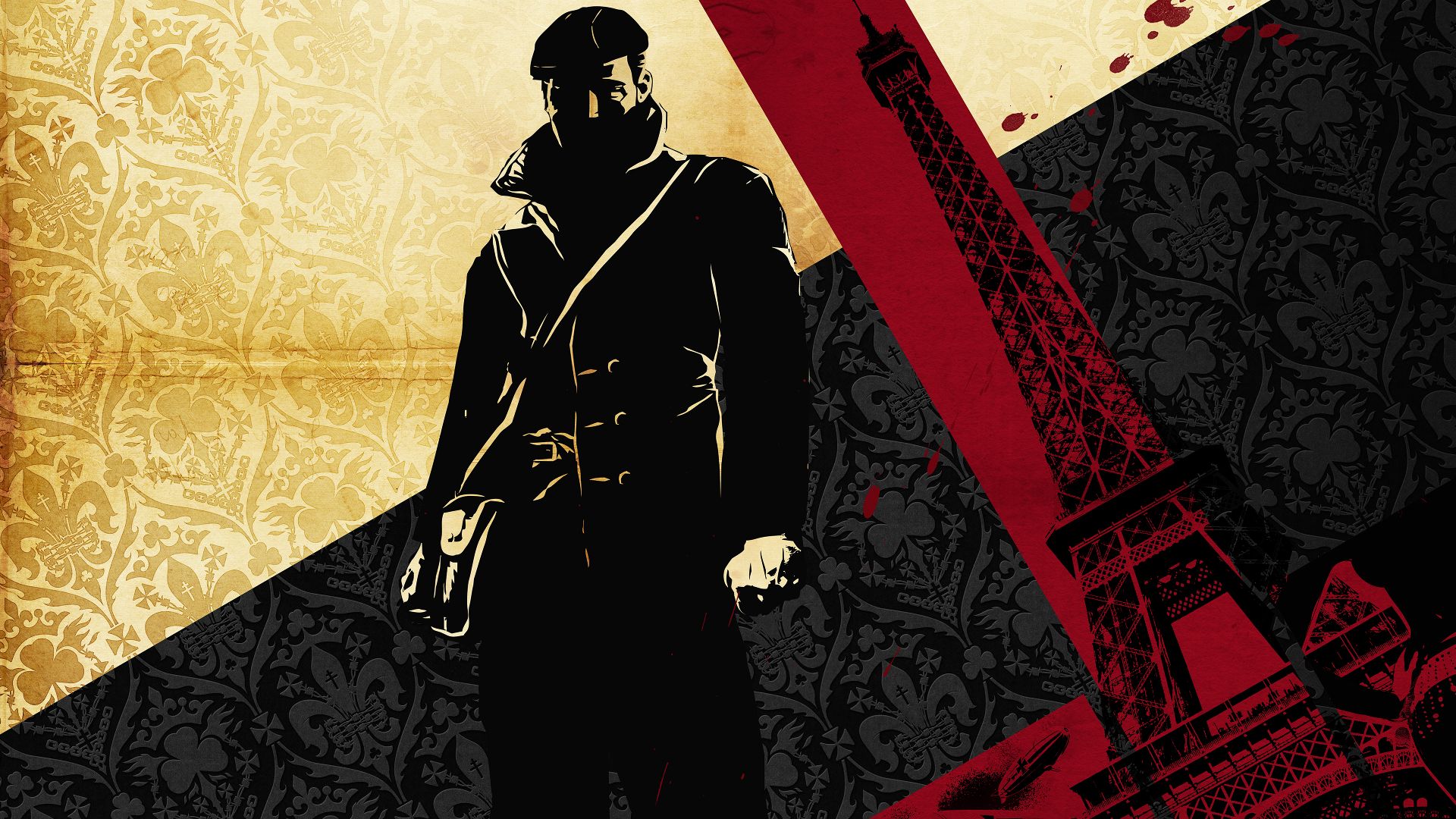
6. The Saboteur
Pandemic's 2009 open-world title offered a stylish take on WWII espionage. Set in Nazi-occupied Paris, its ingenious black-and-white to color mechanic visually represented the city's liberation. Sean Devlin's quest for revenge blended stealth, explosive action, and parkour in a pulpy, cinematic fashion. It captured a unique atmosphere, making each act of defiance feel impactful and visually striking. A true stylistic gem.
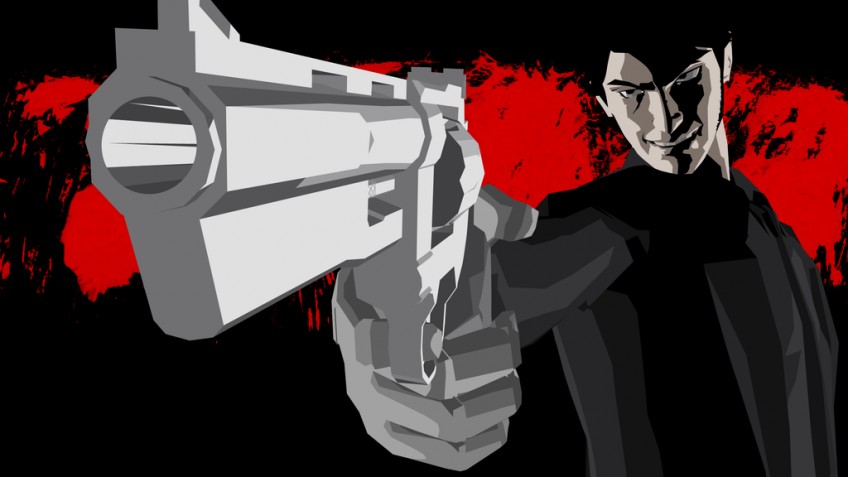
7. killer7
Suda51's 2005 cult classic on GameCube and PS2 was a challenging, abstract narrative experience. Players controlled Harman Smith and his seven distinct personalities, each with unique abilities, navigating a politically charged, cel-shaded world. Its on-rails shooting combined with adventure game elements, stark art direction, and philosophical themes created a divisive but undeniably unique and thought-provoking title that still sparks conversation.
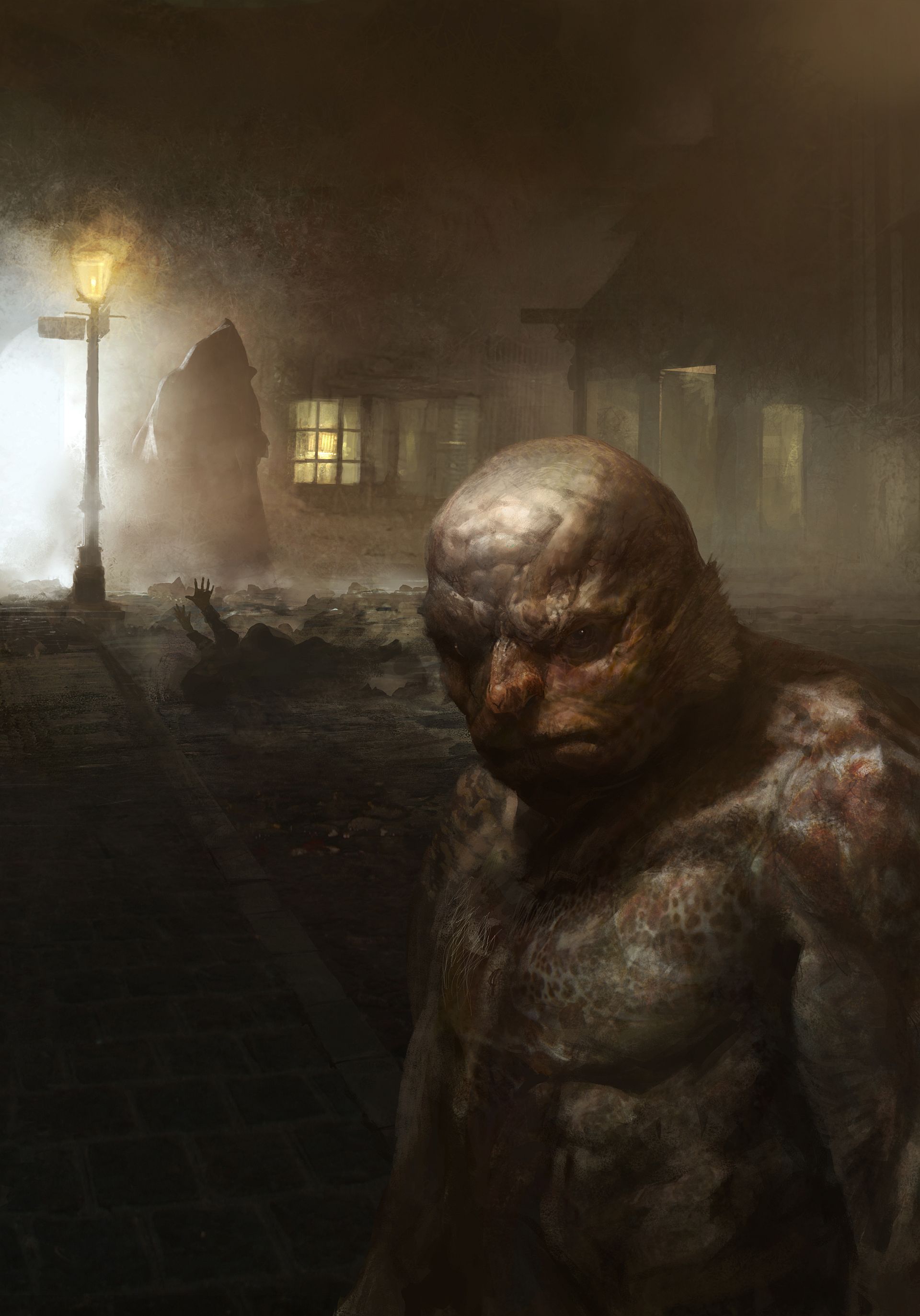
8. Call of Cthulhu: Dark Corners of the Earth
Released in 2005, this Lovecraftian horror game from Headfirst Productions plunged players into oppressive dread. Its first-person perspective, coupled with sanity mechanics and a near-constant sense of vulnerability, perfectly captured the cosmic horror of its source material. Despite its notorious technical issues, the game's unwavering commitment to atmosphere and psychological torment makes it a terrifying, unforgettable journey into madness.
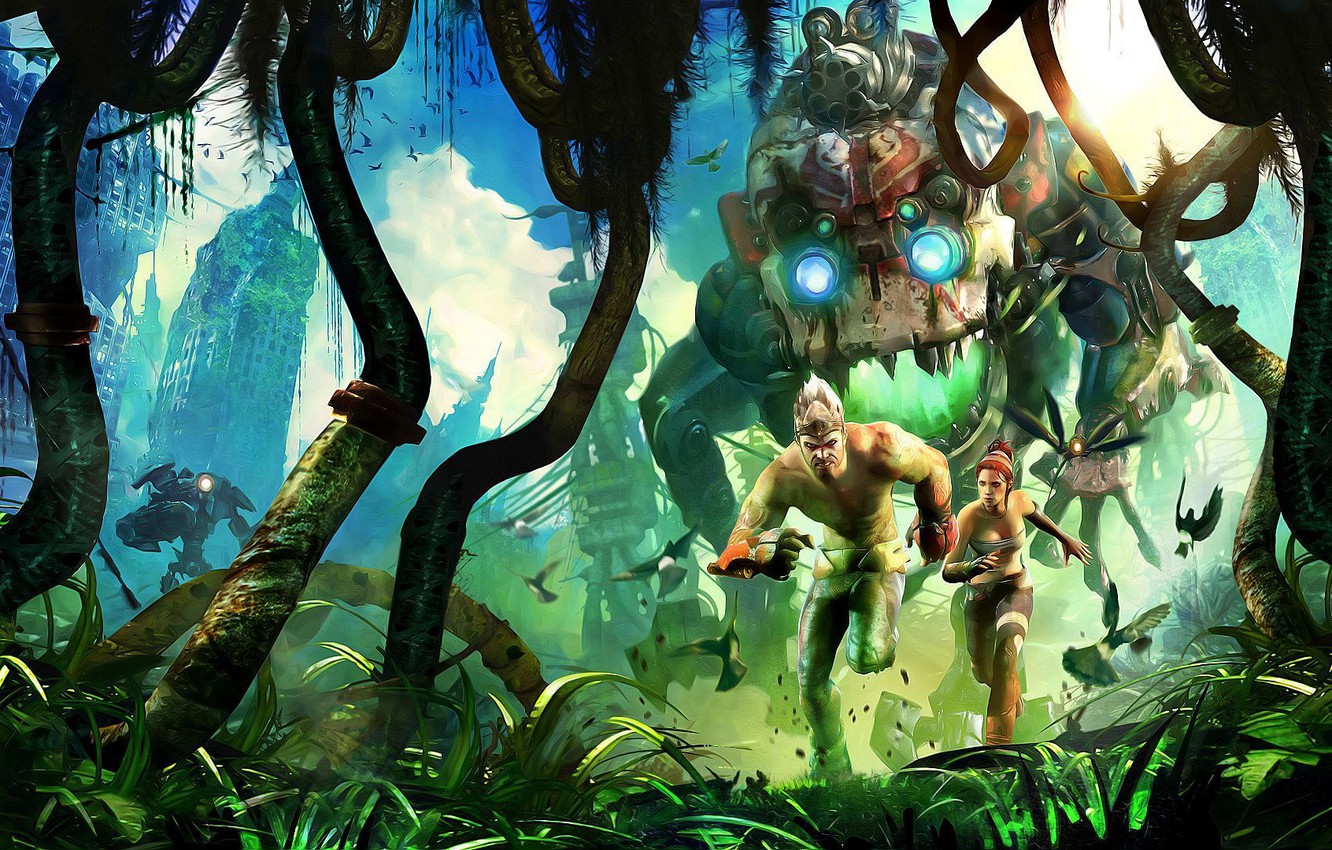
9. Enslaved: Odyssey to the West
Ninja Theory's 2010 action-adventure reimagined the classic Chinese novel in a stunning post-apocalyptic America. The journey of Monkey and Trip, a dynamic duo bound by a slave headband, was rich in character development and emotional depth. Its vibrant art direction, fluid combat, and engaging platforming combined to create a beautiful, cinematic experience that was both thrilling and surprisingly poignant.
10. Remember Me
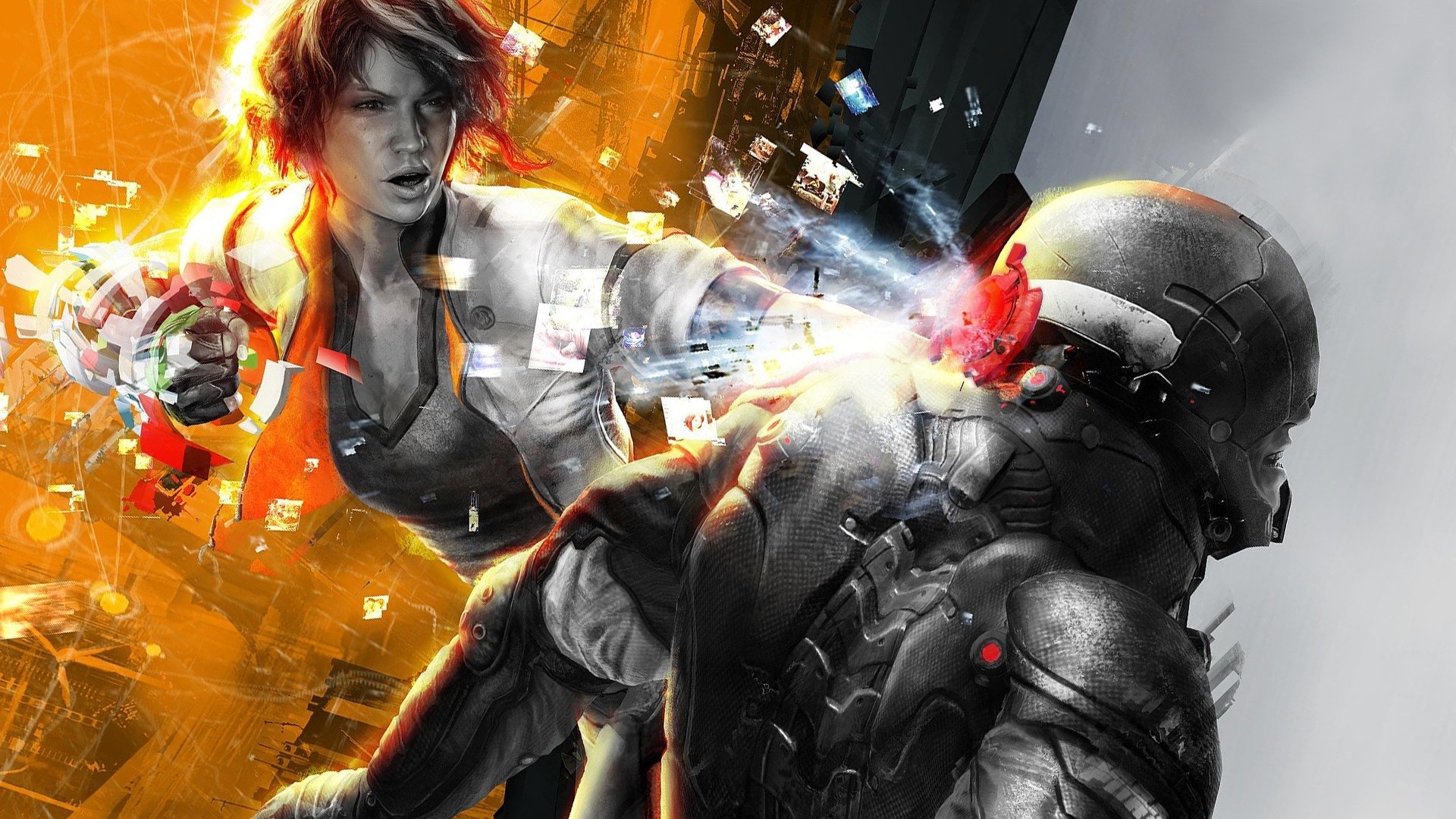
Dontnod Entertainment's 2013 debut presented a unique cyberpunk vision of Neo-Paris in 2084. Its innovative "memory remixing" mechanic, alongside a rhythmic combat system, offered a fresh take on action-adventure. The game explored compelling themes of identity, surveillance, and corporate control through Nilin's quest. While perhaps overlooked, its distinct aesthetic and narrative ambition left a lasting impression.
11. Spec Ops: The Line
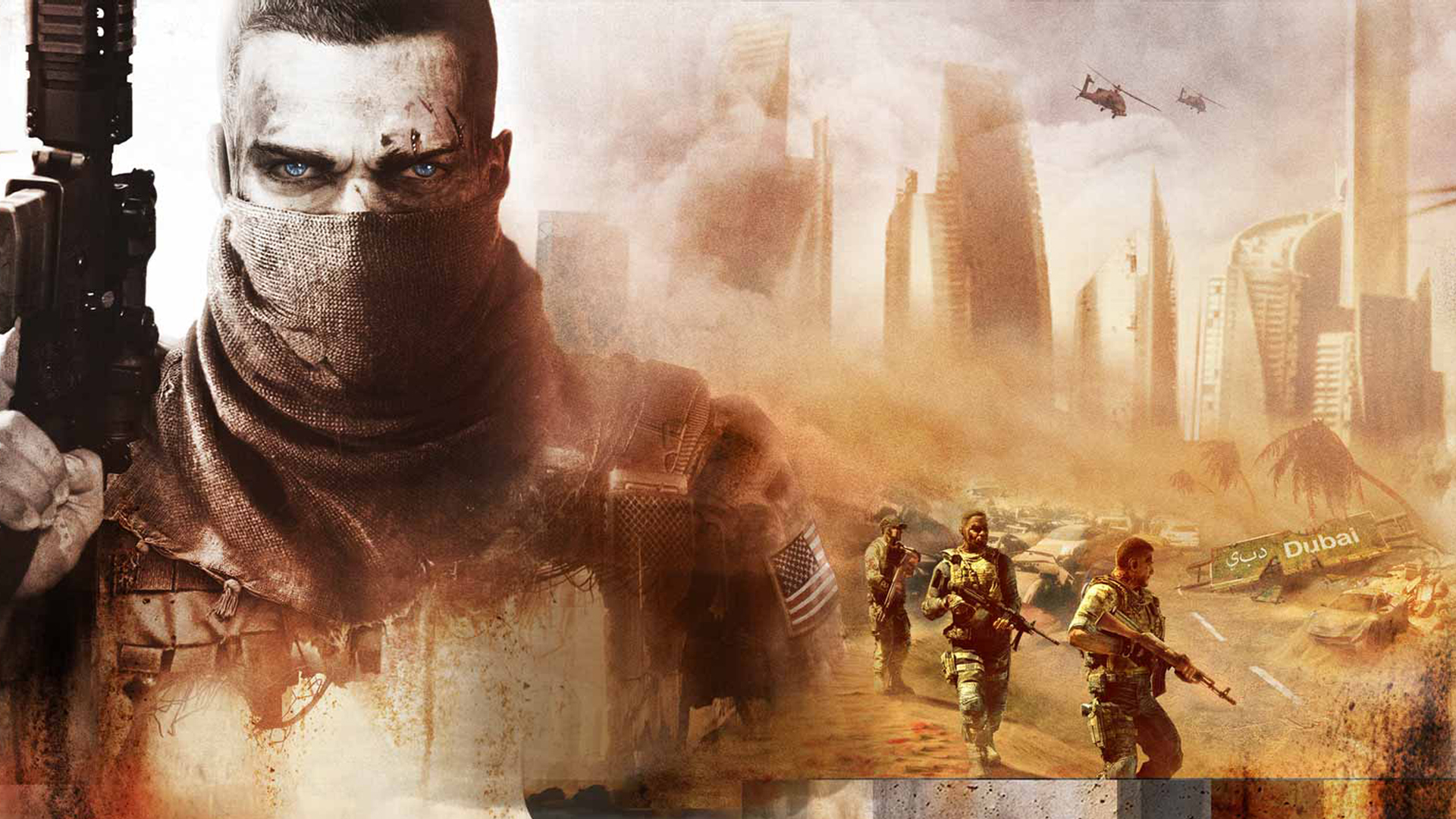
Yager Development's 2012 third-person shooter wasn't just another military game; it was a brutal deconstruction of the genre. Set in a sandstorm-ravaged Dubai, Captain Walker's mission quickly devolved into a psychological horror, forcing players to confront the morality and consequences of their actions. Its unflinching narrative and powerful critique of war left a deeply unsettling and unforgettable mark.
12. S.T.A.L.K.E.R.: Shadow of Chernobyl
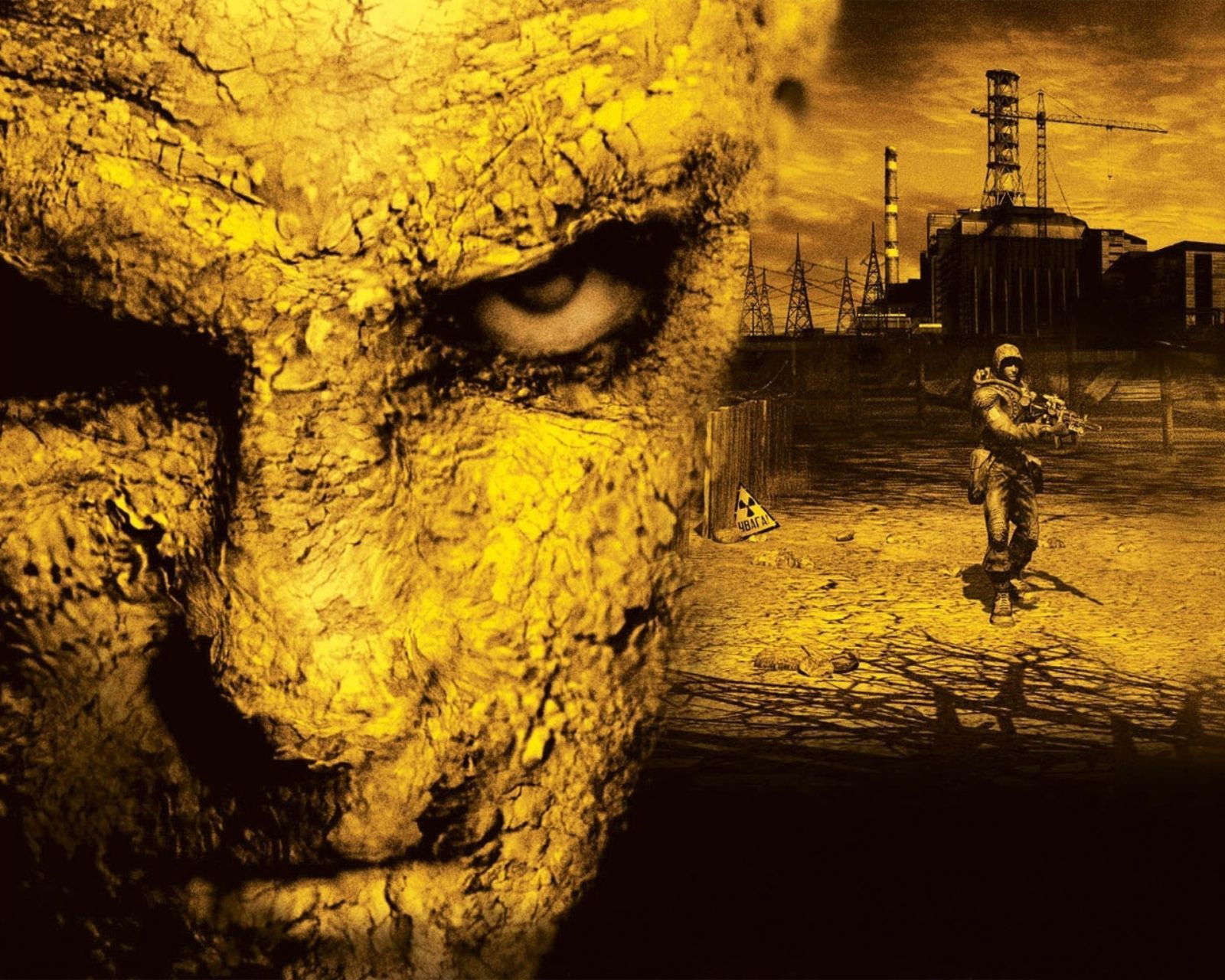
GSC Game World's 2007 open-world FPS transported players to the desolate, dangerous Chernobyl Exclusion Zone. Combining survival horror, RPG elements, and emergent gameplay, it created an unparalleled atmosphere of dread and discovery. The Zone was a character itself, filled with anomalies, mutants, and rival factions. Its harsh realism and unique setting made for a profoundly immersive and haunting experience.