
1. Vampire: The Masquerade - Bloodlines
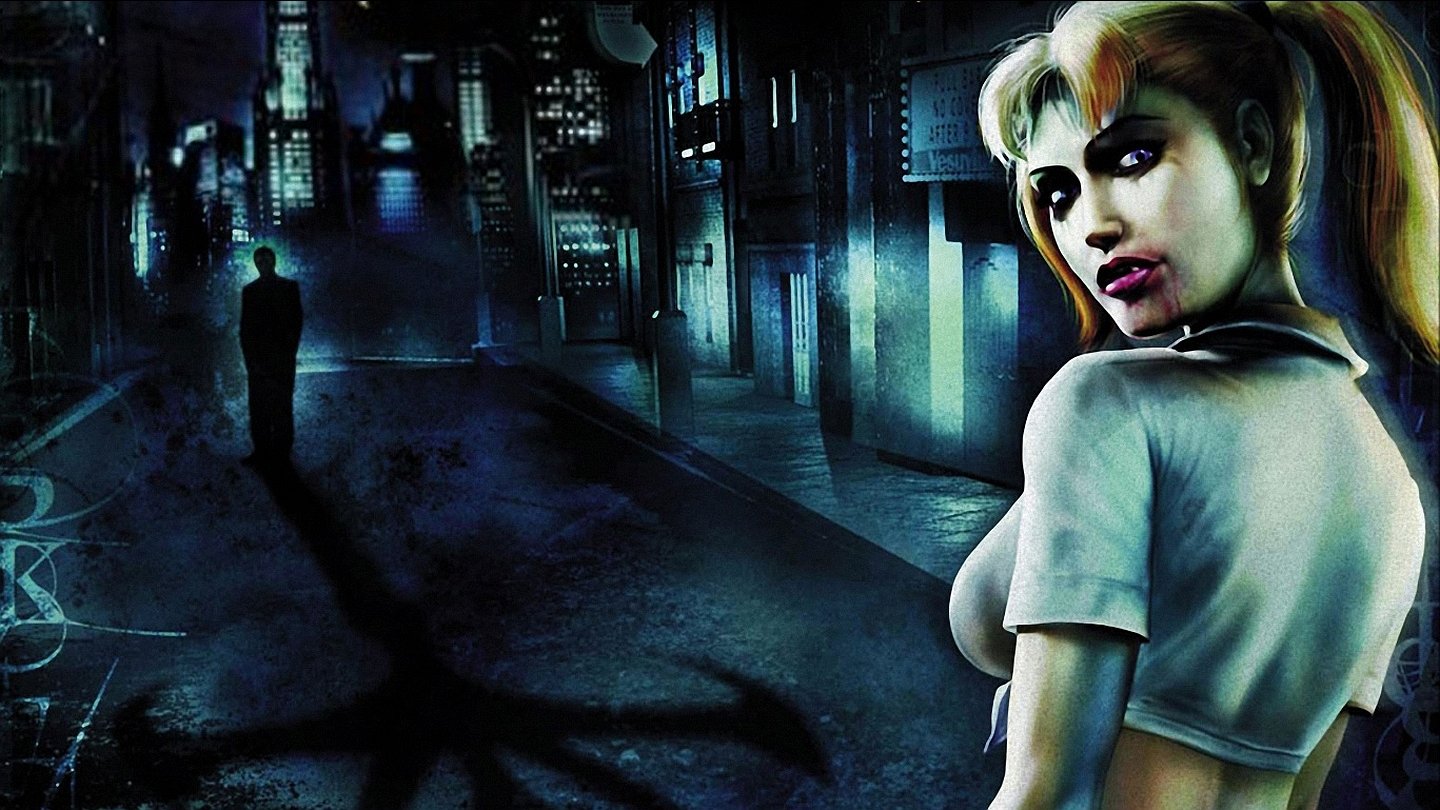
Released in 2004, this RPG, despite its famously buggy launch, carved out a significant niche. Its intricate dialogue, branching narratives, and true role-playing freedom, set against the grim backdrop of World of Darkness Los Angeles, fostered a dedicated cult following. The game’s deep character choices and the sheer ambition of its storytelling left an indelible mark, proving that a flawed technical execution could not overshadow groundbreaking design and an unparalleled sense of player agency in a dark, urban fantasy.
2. Okami
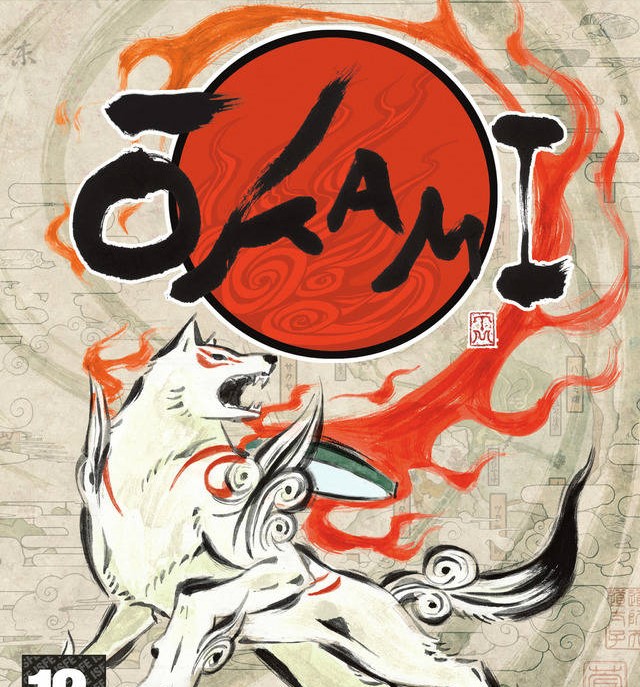
This 2006 action-adventure title, drawing heavily from Japanese mythology and ukiyo-e art, was a stylistic triumph. Its Celestial Brush mechanic, allowing players to manipulate the environment by "painting" on screen, was innovative and deeply satisfying. Though it struggled commercially at first, its unique visual identity and heartfelt narrative about the sun goddess Amaterasu battling evil has cemented its place as a revered classic, influencing discussions on art direction and interactive storytelling in gaming.
3. Psychonauts
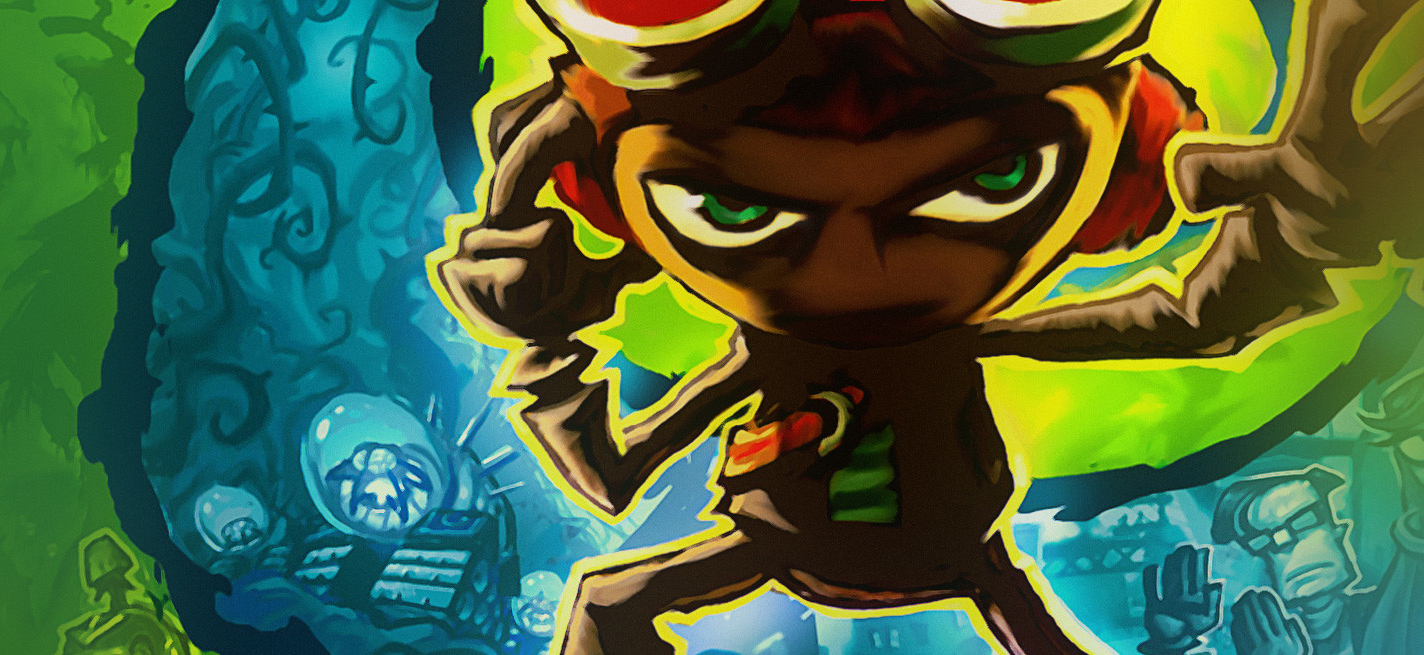
Launched in 2005, Double Fine's platformer delved into the minds of its characters, literally. Its ingenious level design, each representing a distinct psychological landscape, coupled with sharp writing and genuinely funny dialogue, showcased a rare blend of creativity and heart. It explored themes of mental health with surprising nuance for its time, fostering a dedicated fanbase appreciative of its imaginative world-building and unforgettable cast, proving that quirky ideas could yield profound experiences.
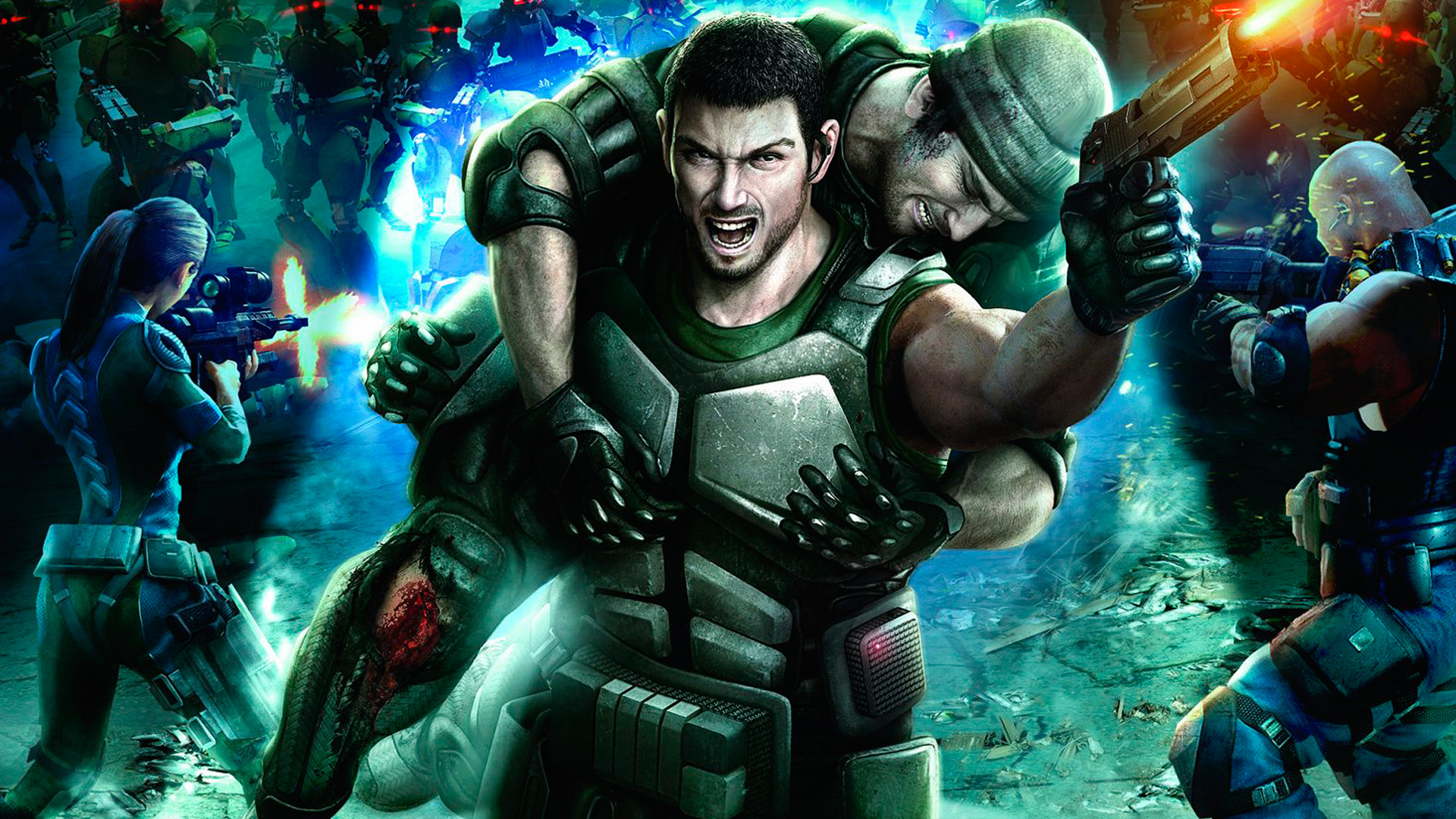
4. Binary Domain
This 2012 third-person shooter, set in a futuristic Tokyo, offered more than just cover-based firefights. Its "Consequence System" attempted to integrate voice commands and squad loyalty into the gameplay, though imperfectly. Yet, the game’s strong narrative, surprisingly thoughtful take on artificial intelligence and humanity, and over-the-top action sequences provided a B-movie charm that belied its initial commercial struggles. It's a prime example of a game with bold ideas that warrant a second look.

5. SOMA
Frictional Games' 2015 philosophical horror title eschewed cheap scares for existential dread. Set in an underwater research facility, it forced players to confront unsettling questions about consciousness, identity, and what it truly means to be human. Its deeply atmospheric environment and masterful storytelling created a suffocating sense of isolation and despair, leaving a lasting impression long after the credits rolled. SOMA pushed boundaries, proving horror could be profoundly intellectual and emotionally resonant without relying solely on jump scares.
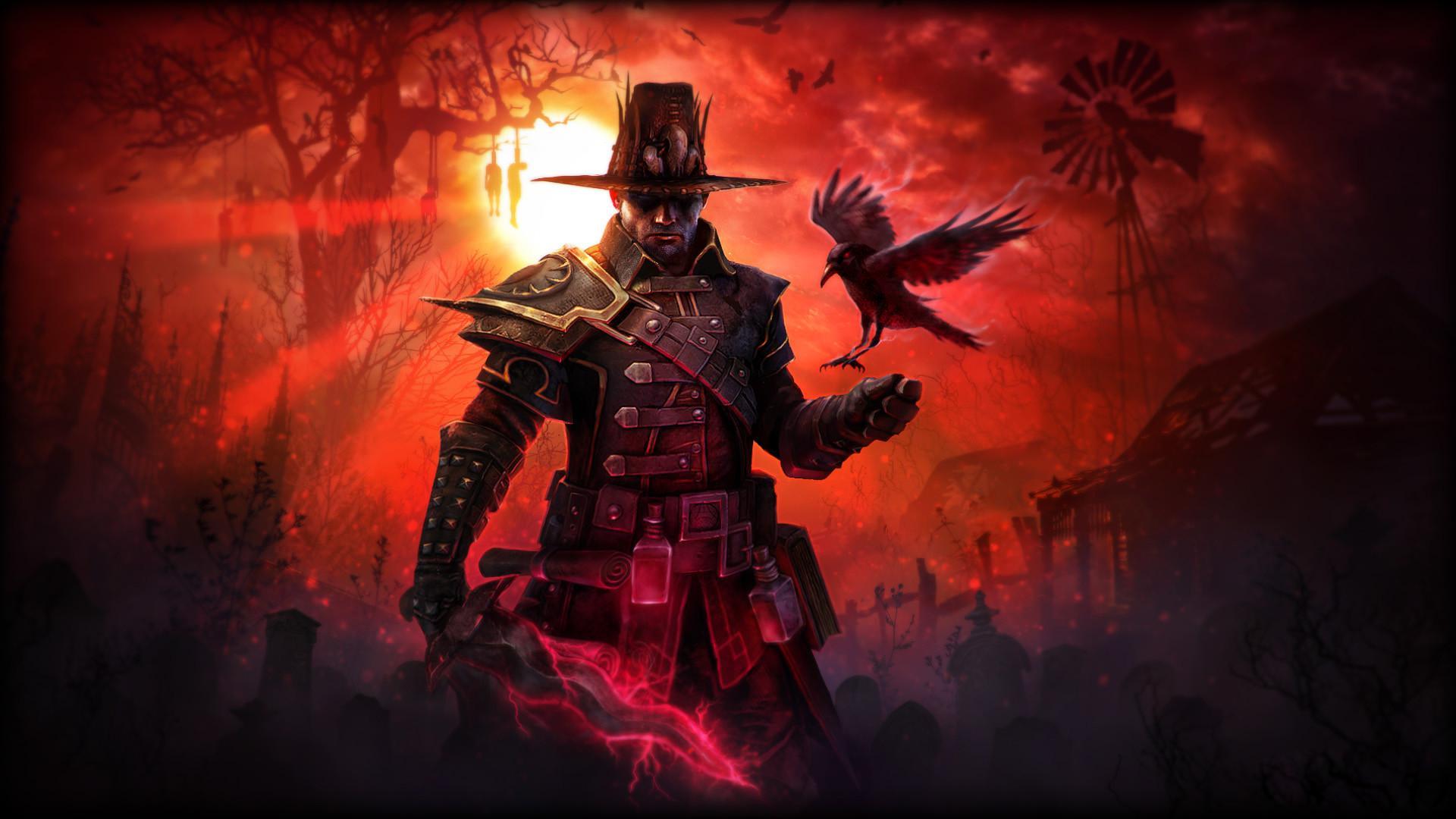
6. Grim Dawn
Emerging from early access in 2016, this action RPG from Crate Entertainment carved its own path in a crowded genre. It offered a compelling dark fantasy world, deep character customization through its dual-classing system, and satisfying ARPG combat reminiscent of genre classics. Its commitment to player choice and robust endgame content, supported by consistent updates, cultivated a loyal community. Grim Dawn stands as a testament to independent development, proving quality and depth can thrive outside AAA budgets.
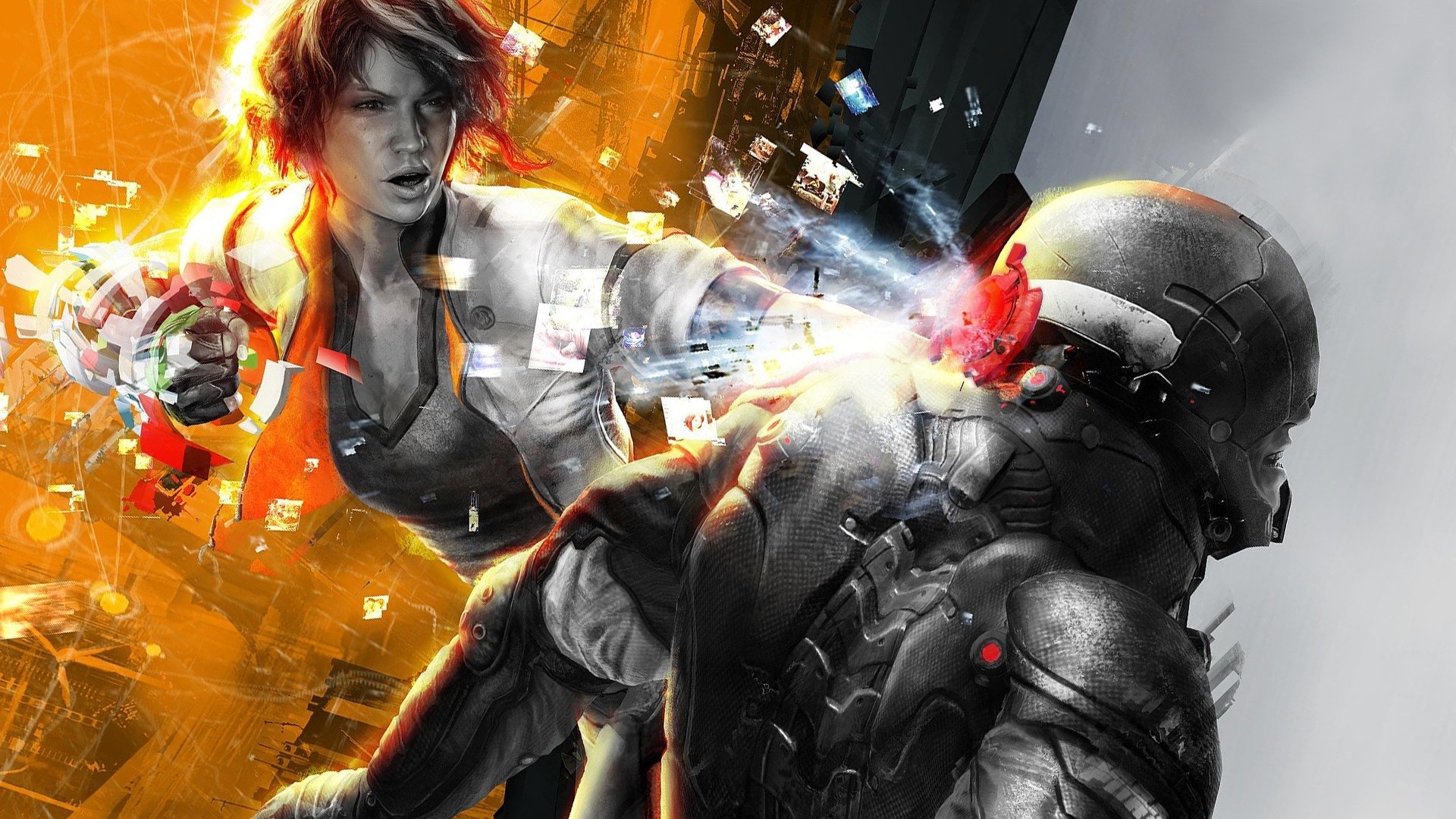
7. Remember Me
Dontnod Entertainment's 2013 debut was a visually stunning cyberpunk adventure. Its memory remixing mechanic, allowing players to manipulate targets' recollections, was a genuinely inventive gameplay concept. While its combat was serviceable and narrative occasionally convoluted, the game's unique Parisian setting and exploration of memory as a commodity presented a compelling, if imperfect, vision of the future. It’s a stylish, ambitious title that hinted at the narrative prowess Dontnod would later fully realize.

8. The Talos Principle
Released in 2014, Croteam's first-person puzzle game was an unexpected philosophical journey. Players navigated ancient ruins and futuristic technology, solving increasingly complex puzzles while grappling with profound questions about existence, free will, and the nature of consciousness. Its intelligent writing and thought-provoking narrative, delivered through environmental clues and computer terminals, elevated it beyond mere puzzle solving. It demonstrated that video games could be powerful vehicles for intellectual exploration and self-reflection.

9. Sleeping Dogs
United Front Games’ 2012 open-world action title carved its own identity by transplanting the familiar formula to a vibrant, authentic Hong Kong. Its fluid martial arts combat, gripping undercover cop narrative, and detailed city environment offered a refreshing alternative to its Western counterparts. While its sales didn't initially match its critical acclaim, Sleeping Dogs' strong cultural flavor and satisfying gameplay loop have ensured its legacy as a beloved and unique entry in the genre.
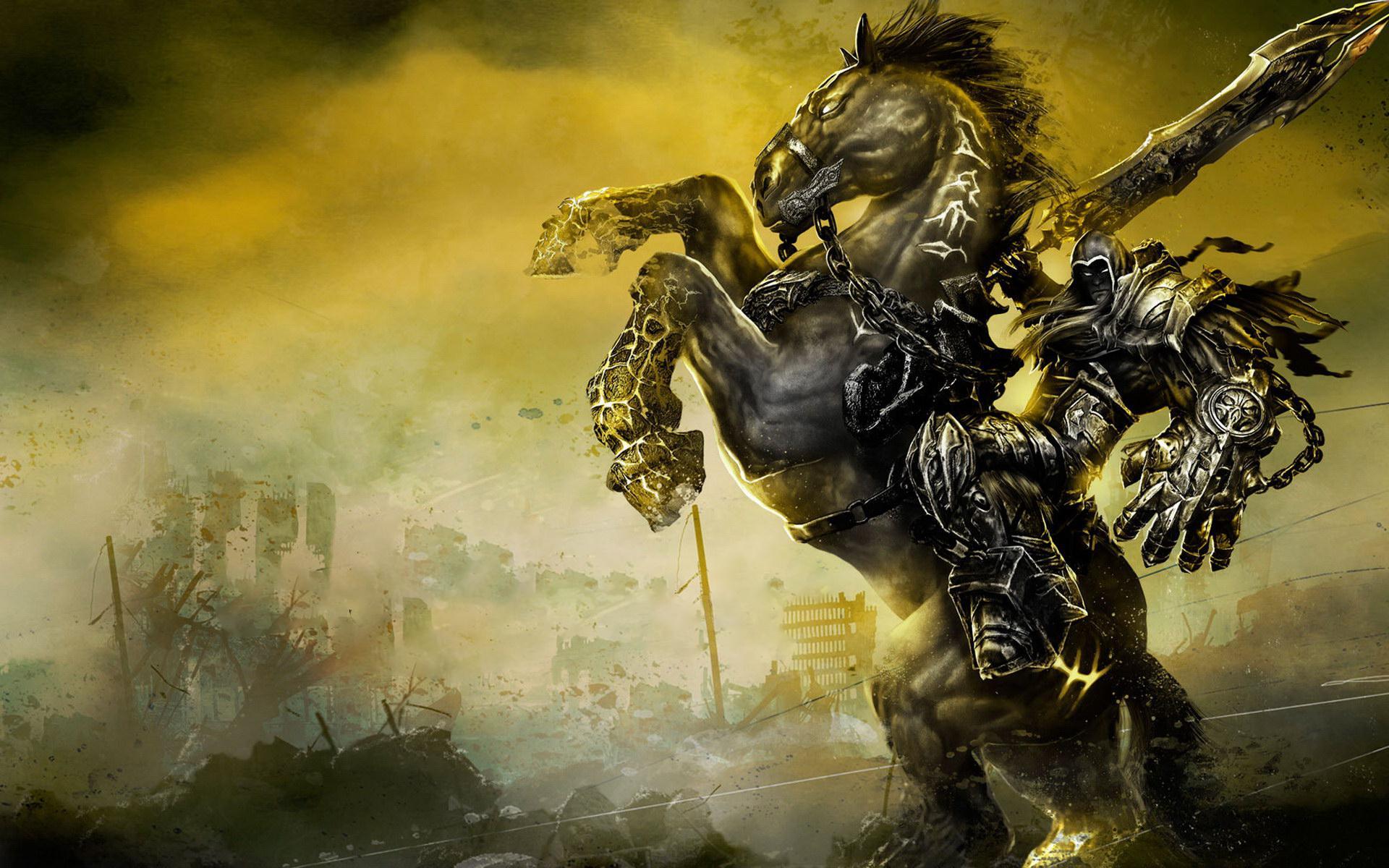
10. Darksiders
Vigil Games’ 2010 hack-and-slash adventure masterfully blended elements of Zelda-like dungeon crawling with God of War-esque combat. Playing as War, one of the Four Horsemen of the Apocalypse, the game presented a compelling, stylized world on the brink of destruction. Its unique aesthetic, robust combat, and intricate level design created a surprisingly coherent and enjoyable experience, proving that borrowing inspirations could lead to a distinct and memorable identity. It’s a compelling take on biblical mythology.
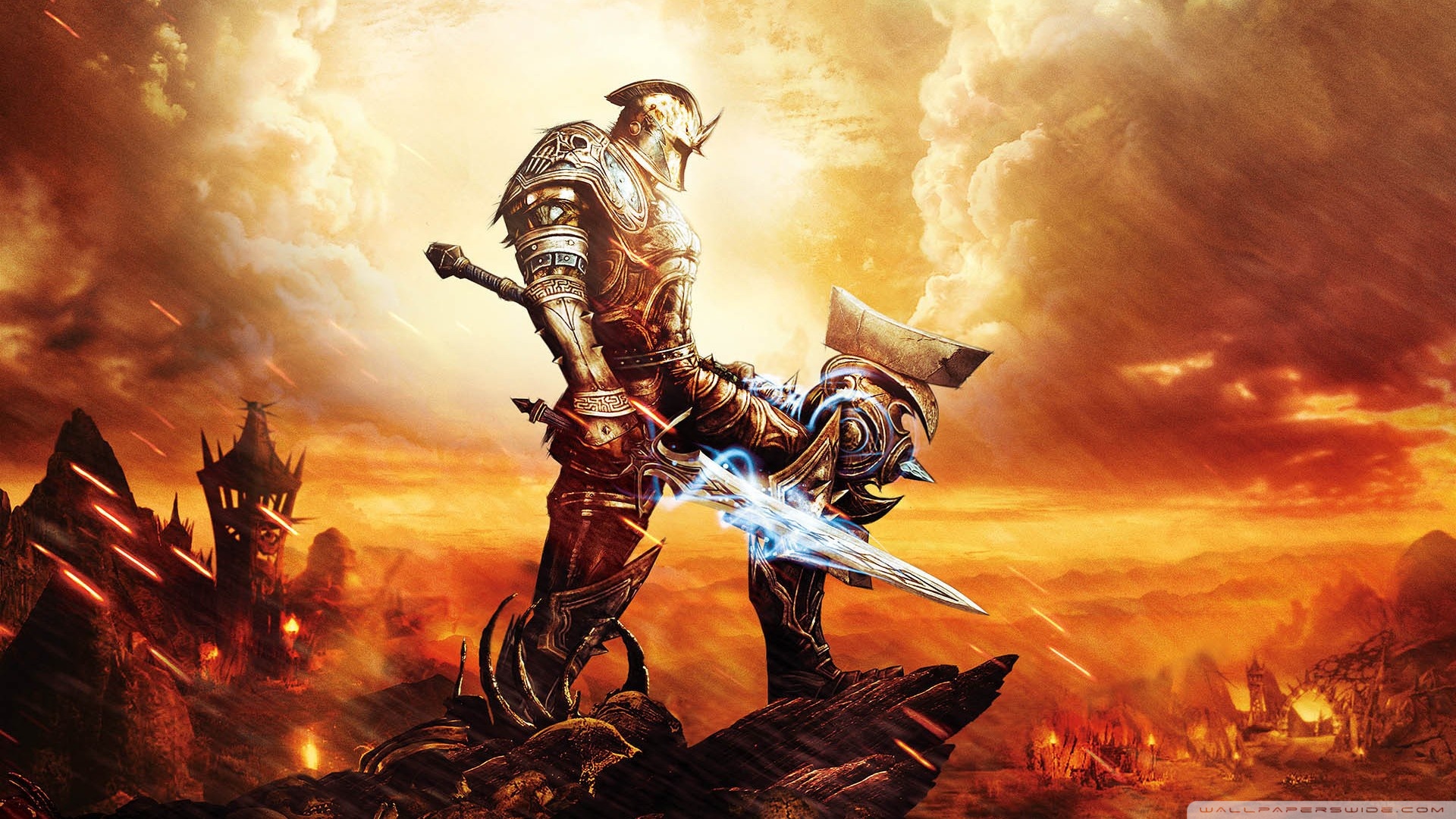
11. Kingdoms of Amalur: Reckoning
This 2012 action RPG, born from an ambitious collaboration including R.A. Salvatore and Todd McFarlane, boasted a vibrant fantasy world and exceptionally fluid combat. While its narrative was largely conventional, the sheer joy of its diverse weapon styles and ability trees made every encounter engaging. Despite the financial collapse of its developer, 38 Studios, Amalur's innovative combat system and sprawling, lore-rich world garnered a passionate following, demonstrating its unrealized potential.
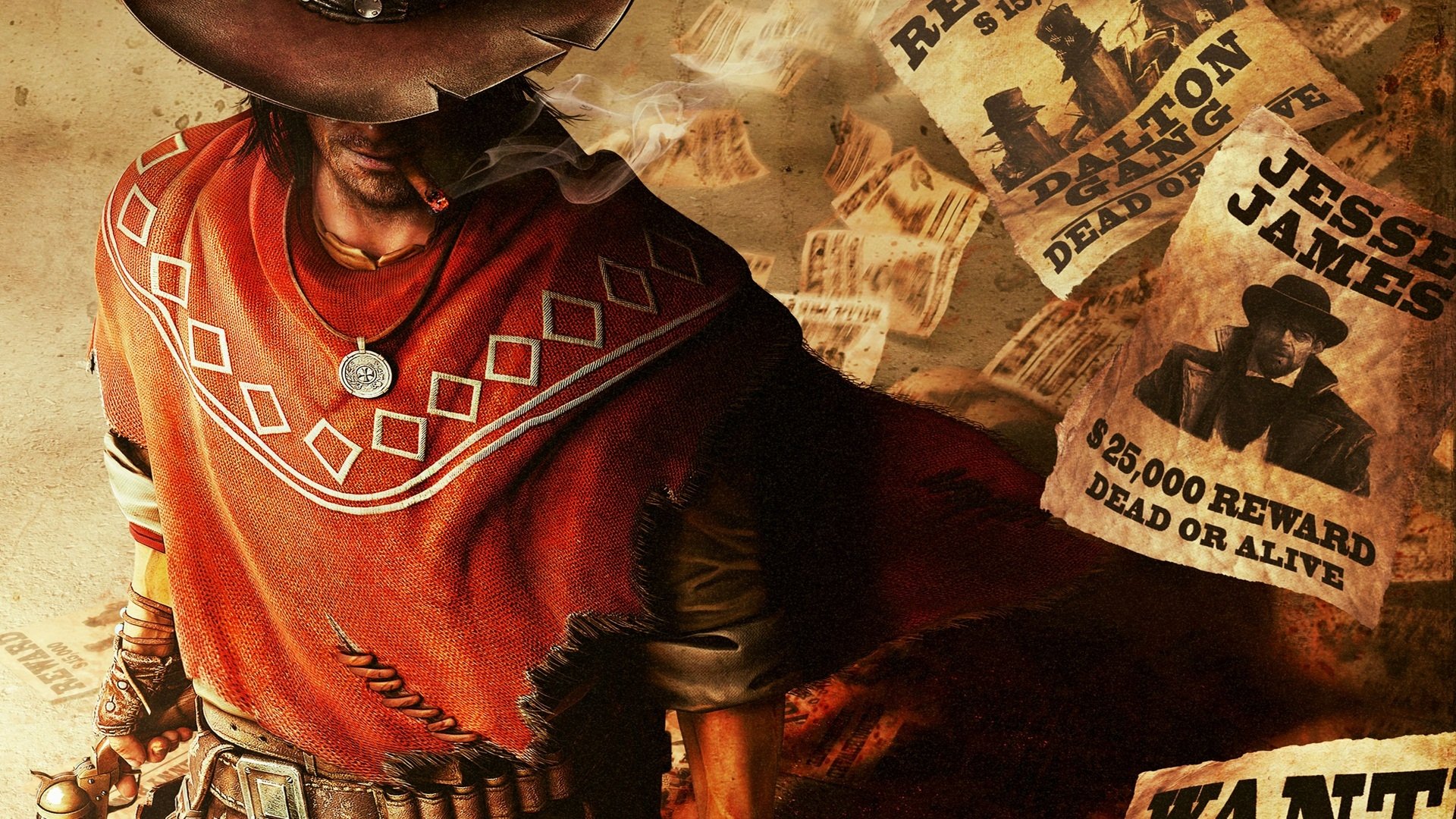
12. Call of Juarez: Gunslinger
Released in 2013, this first-person shooter was a delightful return to form for the series. It embraced an arcade-like sensibility, focusing on fast-paced gunplay and a fantastic narrative device: a storyteller protagonist whose embellished tales alter the game world in real-time. Its stylized visuals and engaging Western setting, coupled with satisfying bullet-time mechanics, delivered a pure, unadulterated dose of Wild West action that stood out for its unpretentious fun and unique presentation.