

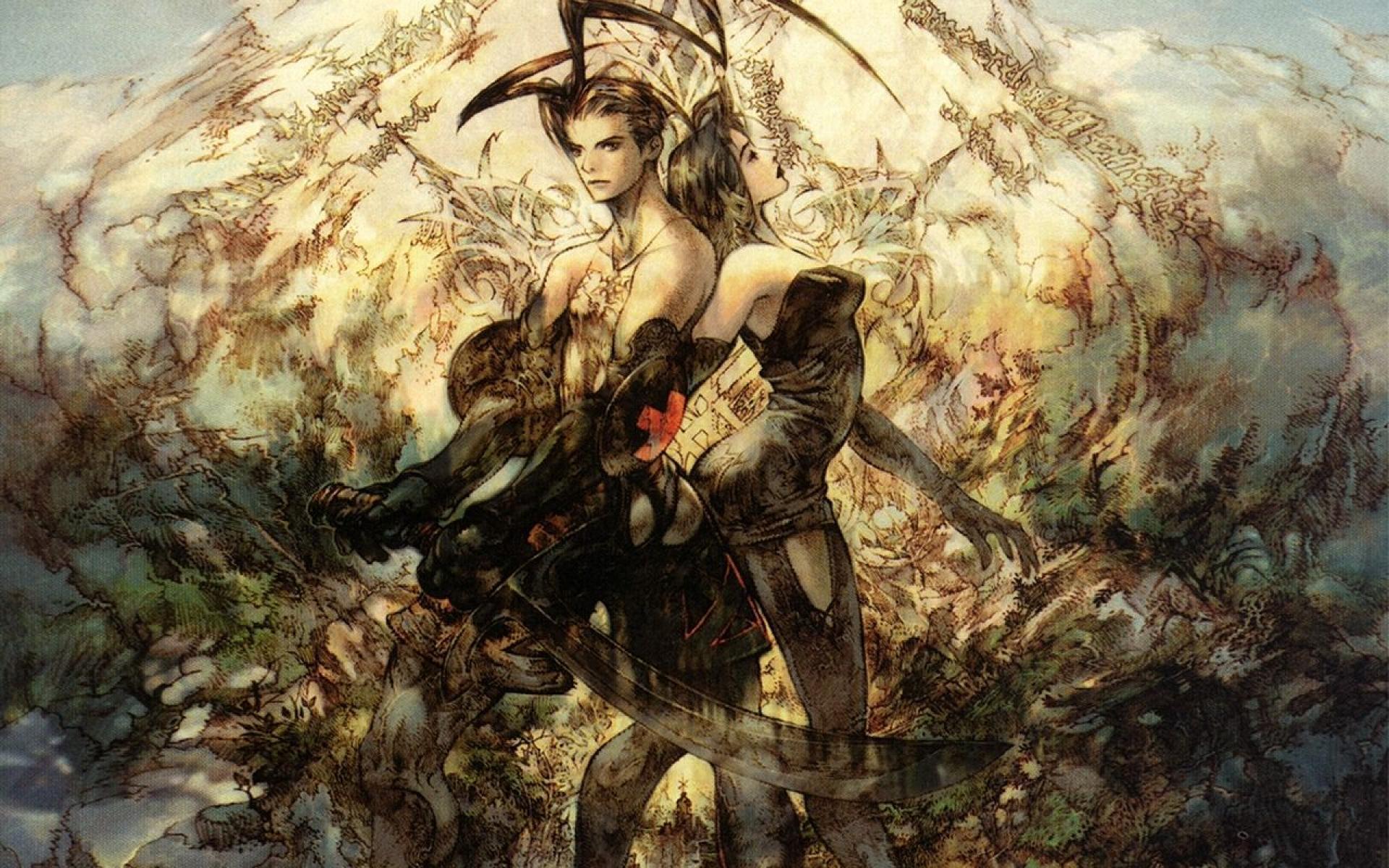
1. Vagrant Story (2000)
Released in 2000, this PlayStation masterpiece from Square pushed technical and narrative boundaries. Its intricate risk-reward combat system, deeply customizable equipment, and unique chain attacks demanded strategic thought. The game’s dark, almost gothic aesthetic and mature, political storyline, devoid of traditional magic, felt remarkably fresh. It was a technical marvel and a stylistic outlier, showcasing Squaresoft's adventurous spirit before the PS2 era fully took hold.
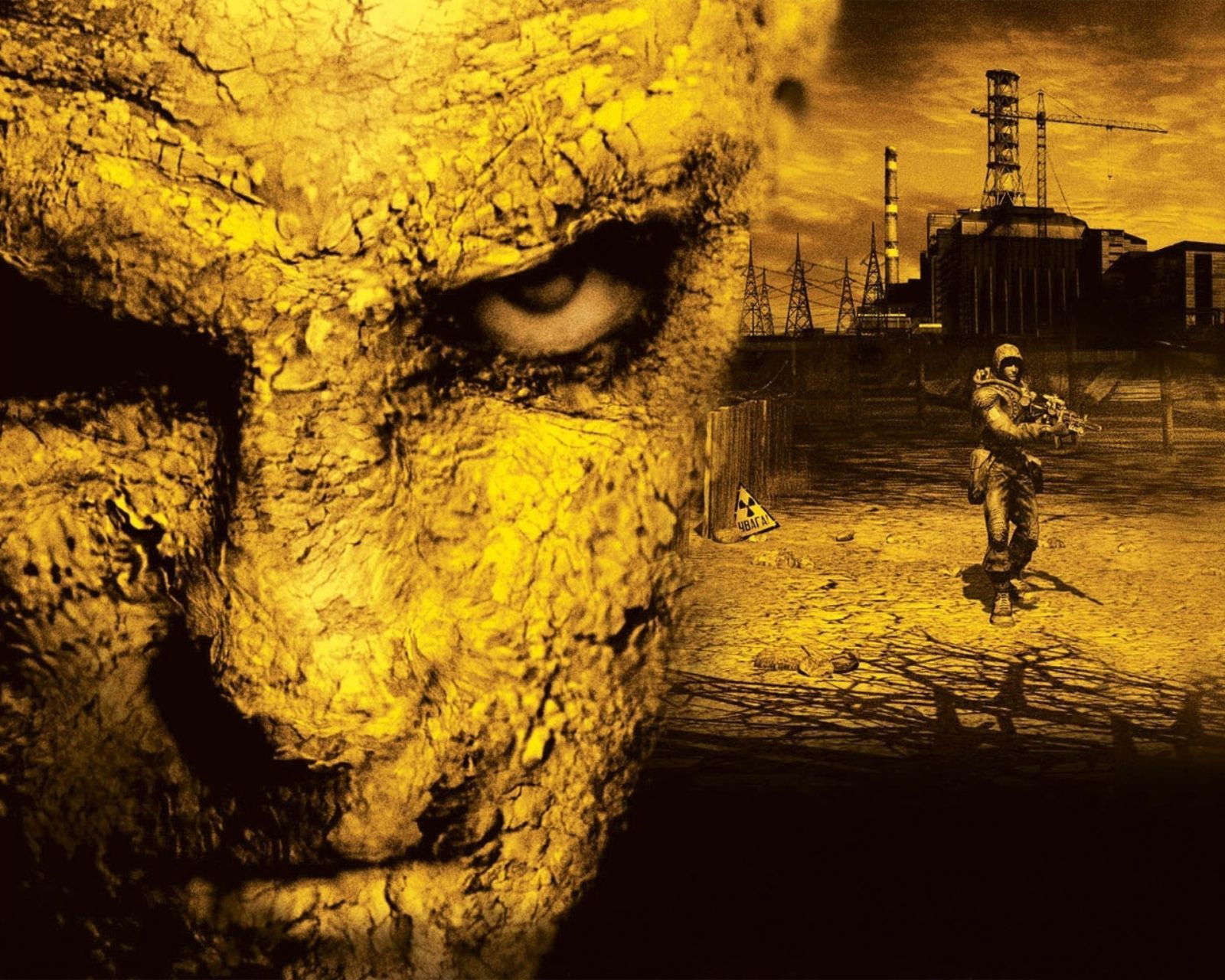
2. S.T.A.L.K.E.R.: Shadow of Chernobyl
GSC Game World's 2007 debut delivered a raw, unforgiving vision of the Chernobyl Exclusion Zone. More than just an FPS, it was a survival sim, an atmospheric horror experience, and a narrative rich with mystery. Players navigated anomalies, radiation, and mutated creatures, all while dealing with rival factions in a truly desolate, immersive open world. Its harsh realism and emergent gameplay created a legend.

3. Okami
Clover Studio's 2006 creation for the PlayStation 2 was a vibrant, cel-shaded homage to Japanese folklore and Zelda-style adventure. Its innovative "Celestial Brush" mechanic, where players literally painted commands onto the screen, felt revolutionary. The stunning sumi-e art style, coupled with a heartwarming story and a memorable soundtrack, made it a unique, artistic triumph that unfortunately found its mainstream audience later.
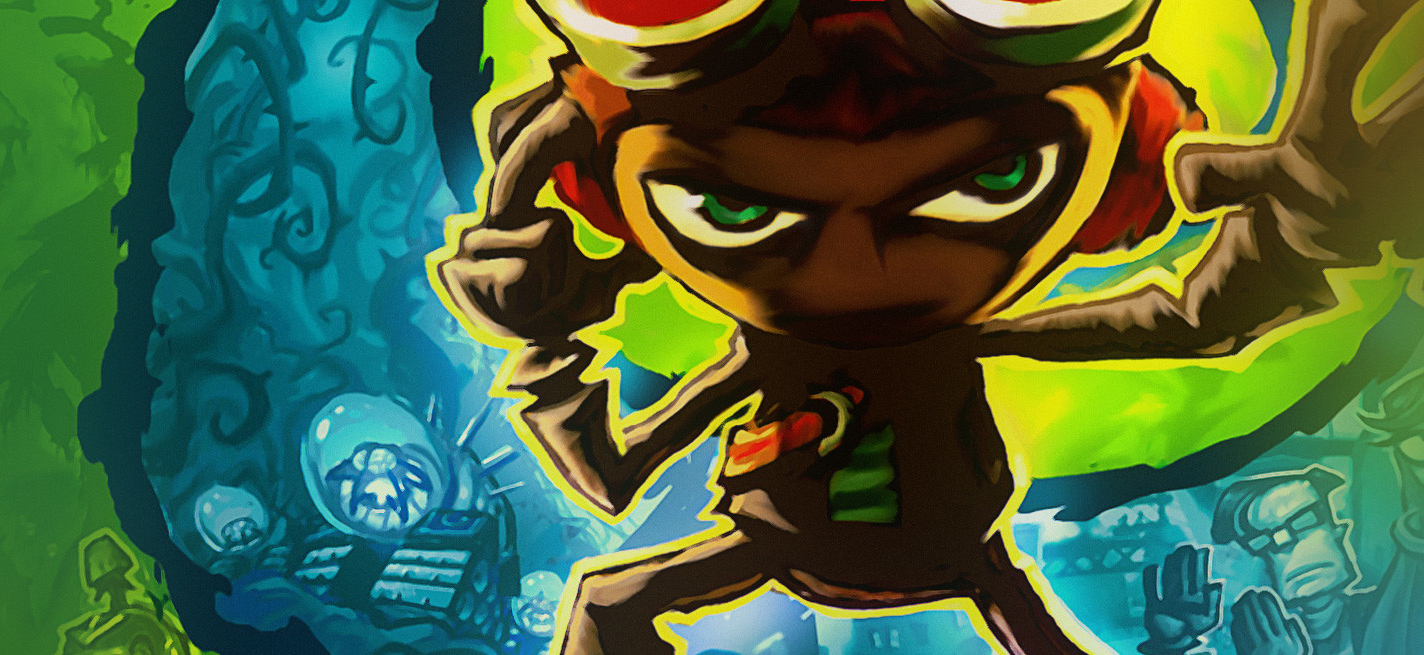
4. Psychonauts
Double Fine's 2005 platformer was a wildly imaginative journey into the minds of others. Razputin's psychic abilities unlocked levels that visually represented mental landscapes, leading to some of gaming's most creative environments. Its sharp wit, memorable characters, and unique blend of humor and pathos explored themes of mental health with surprising depth. A cult classic that finally found its wider recognition.
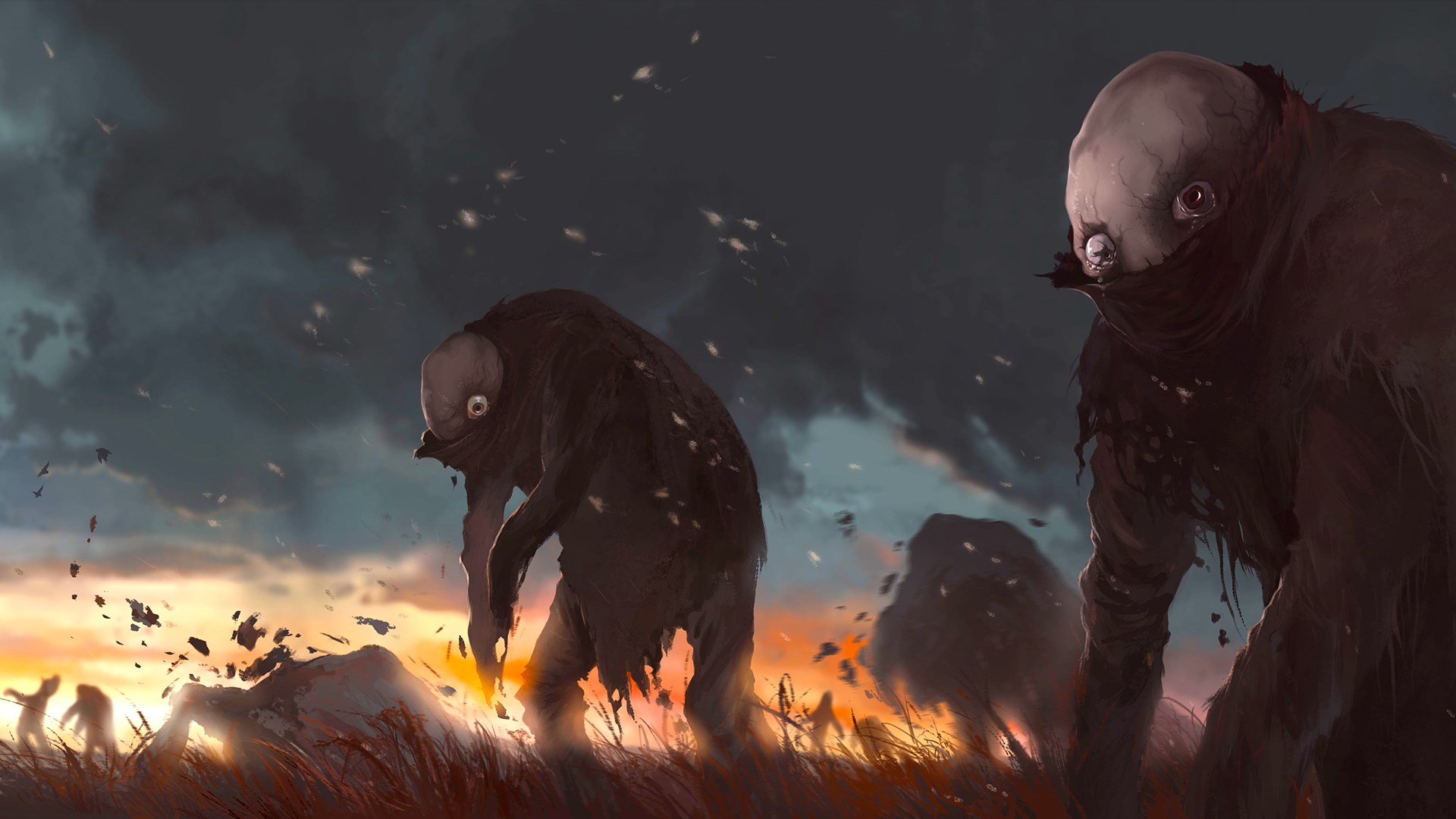
5. Pathologic 2
This 2019 title isn't merely a sequel; it's a re-imagining, a brutal, philosophical survival game set in a plague-ridden town. Playing as a surgeon trying to cure the inexplicable illness, every decision carried immense weight, with time and resources constantly against you. Its oppressive atmosphere, moral ambiguities, and unconventional narrative structure delivered an unforgettable, deeply unsettling experience that few games dare to attempt.
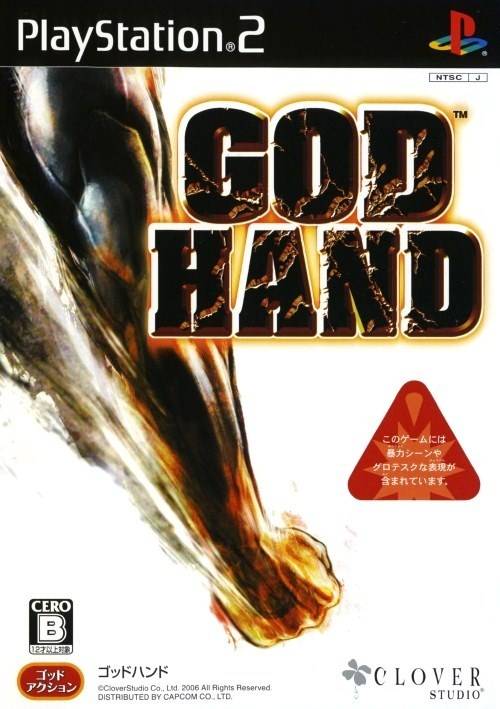
6. God Hand
Clover Studio's other 2006 cult classic was a notoriously difficult, over-the-top beat 'em up for the PS2. Gene's "God Hand" allowed for customizable, ridiculously powerful martial arts combos against an army of bizarre enemies. Its unapologetic embrace of B-movie absurdity, coupled with deep combat mechanics and a steep learning curve, made it a beloved, if niche, ode to arcade action.
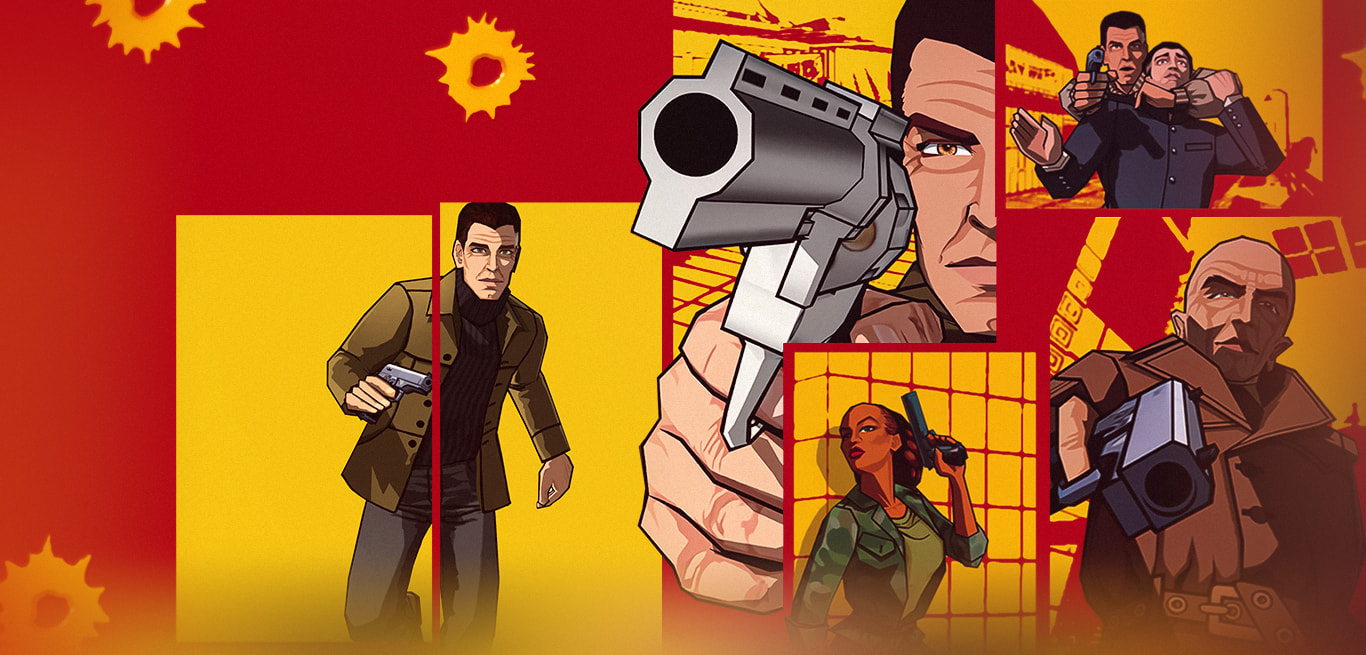
7. XIII
Ubi Soft's 2003 cel-shaded FPS stood out with its distinctive comic book aesthetic, complete with onomatopoeia sound effects and panel transitions. Based on the Belgian comic series, its conspiracy-laden spy thriller narrative, combined with stealth elements and classic first-person shooting, offered a stylish and unique experience. While often overlooked, its visual identity remains iconic and influential.
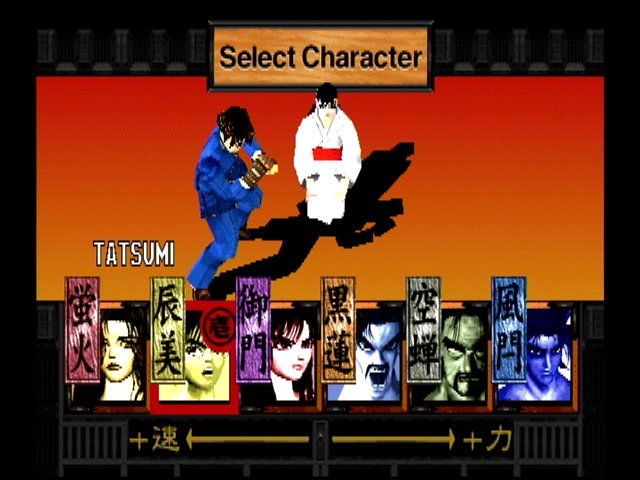
8. Bushido Blade
Released in 1997 for the PlayStation, this fighting game from LightWeight redefined the genre with its focus on realism and precision. Instead of health bars, a single well-placed strike could end a duel, promoting tactical movement and careful timing. Its unique limb damage system and lack of a time limit created intense, nerve-wracking encounters, a stark contrast to flashy combo-centric fighters of its era.

9. Haunting Ground
Capcom's 2005 psychological survival horror for the PS2 was a spiritual successor to Clock Tower. Fiona, a fragile protagonist, relied on her canine companion Hewie to escape a grotesque castle and its deranged inhabitants. The game expertly built tension through vulnerability and helplessness, emphasizing evasion and puzzle-solving over combat, creating a truly unsettling and memorable experience.
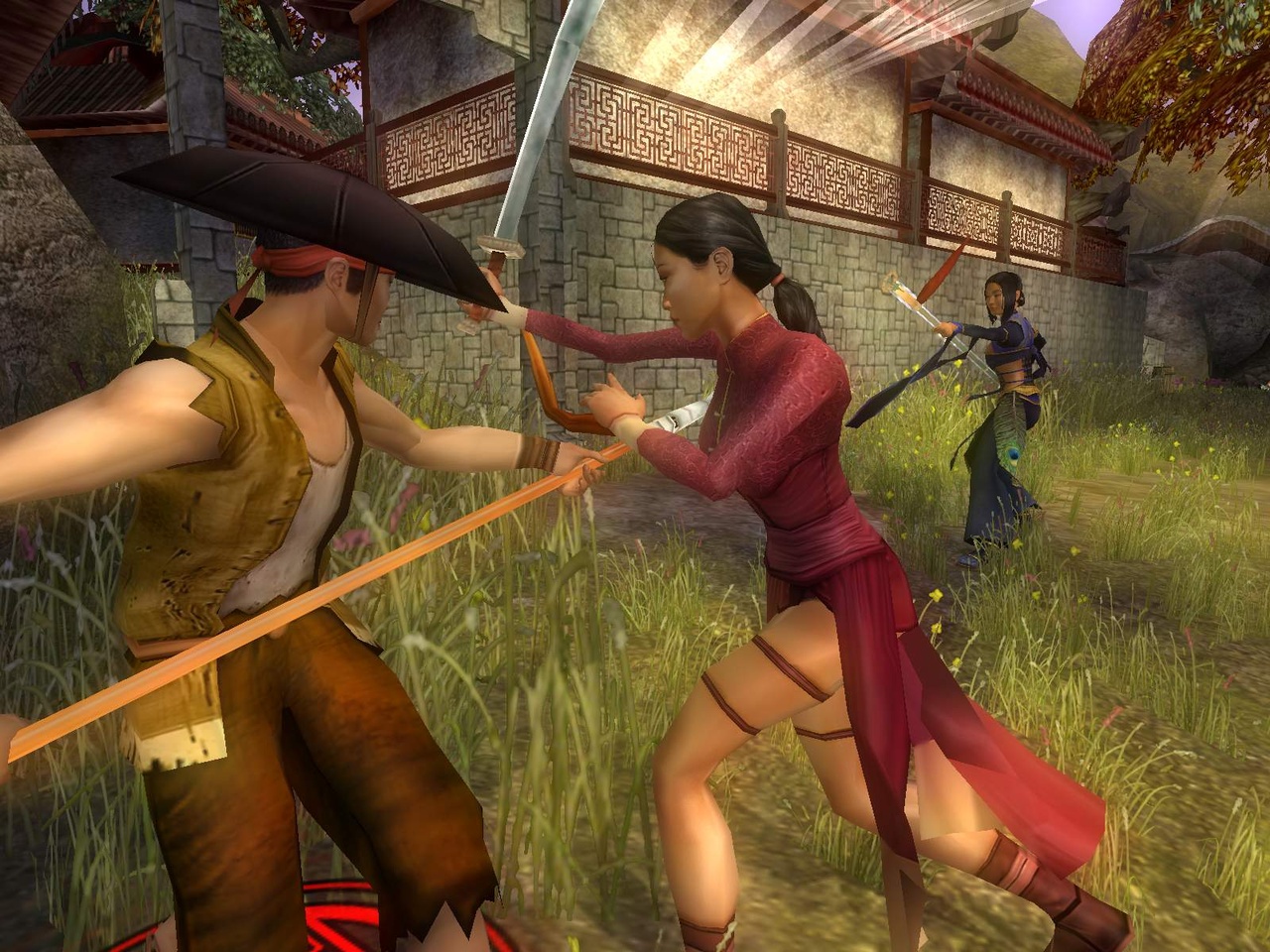
10. Jade Empire
BioWare's 2005 action RPG for the Xbox transported players to a captivating world inspired by Chinese mythology and Wuxia cinema. Its real-time combat system, moral alignment choices affecting the narrative, and rich lore were hallmarks of BioWare's storytelling. While often overshadowed by their other epic RPGs, Jade Empire offered a distinct cultural flavor and remains a beloved entry in their catalog.
11. The Legend of Dragoon
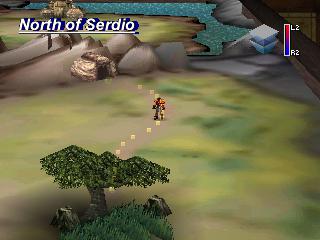
This ambitious 1999 JRPG from Sony Computer Entertainment for the PlayStation presented an epic fantasy tale across four discs. Its unique "Addition" combat system, requiring timed button presses for stronger attacks, added an engaging layer of interactivity. Though it struggled to compete with Final Fantasy VII and VIII at the time, its grand scope, memorable characters, and innovative mechanics earned it a dedicated following.
12. Dark Messiah of Might and Magic
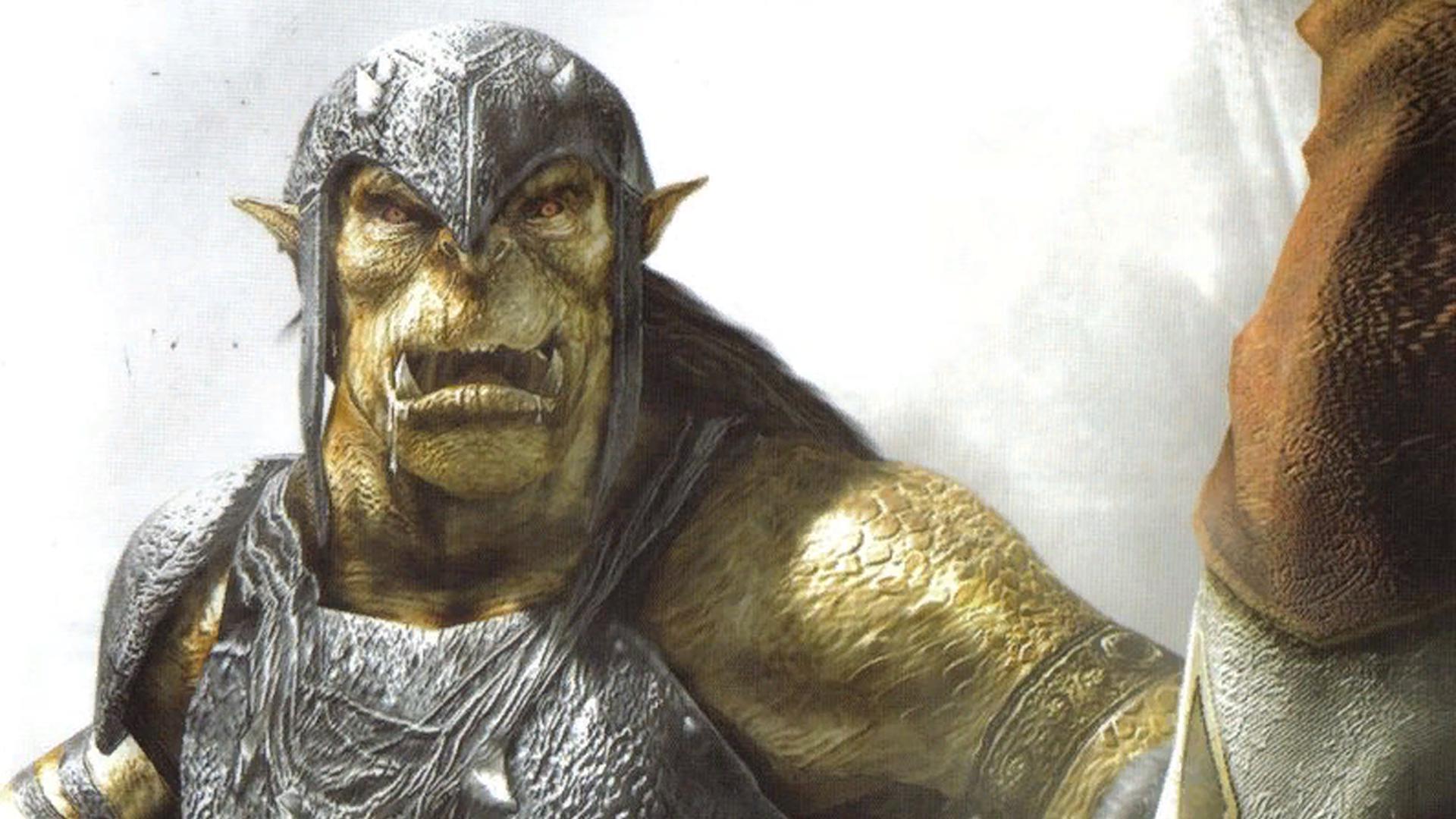
Arkane Studios and Valve's 2006 first-person action RPG was a physics sandbox disguised as a fantasy adventure. Its innovative combat system allowed players to creatively use environmental hazards, kicks, and spells to dispatch foes with brutal satisfaction. The sheer joy of impaling an enemy on a spike or kicking them off a cliff made it a groundbreaking title for immersive first-person melee.