
1 / 12

1. Pong (1972)
Before Pong, the concept of a video game was largely abstract, a curiosity in labs. But then, this simple digital table tennis arrived. It wasn't just a game; it was a demonstration. Atari proved a viable market existed for interactive entertainment, kickstarting an entire industry with two paddles, a ball, and a scoreboard. Its minimalism belied a profound cultural shift, laying the groundwork for everything that followed, from arcades to home consoles.
2 / 12
2. Space Invaders (1978)
When Space Invaders landed, it wasn't just a game; it was an invasion. This arcade phenomenon, with its relentless descent of pixelated aliens, captivated millions. The evolving soundscape, accelerating as the invaders neared, was a masterclass in tension. It drained coin slots globally, driving a cultural shift toward arcade gaming as a mainstream pastime. Indeed, its success solidified the medium's commercial power, setting the stage for the arcade golden age.
3 / 12
3. Pac-Man
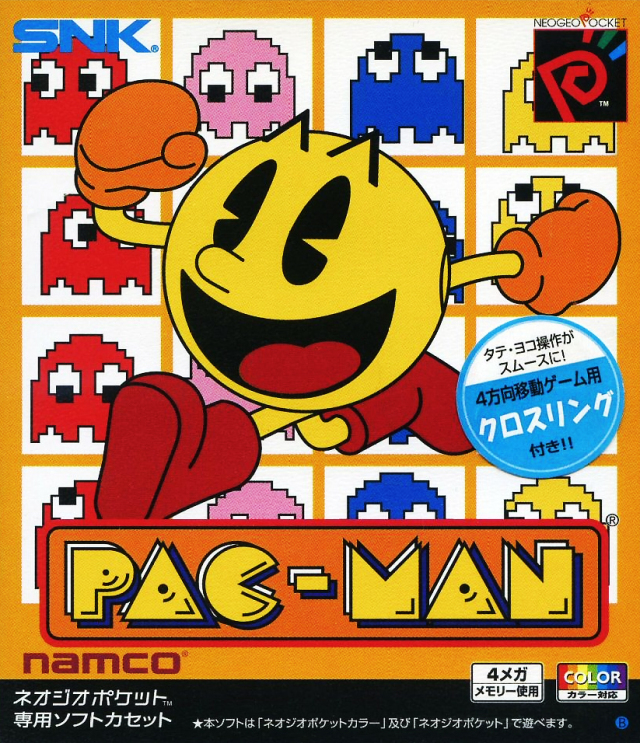
Few characters transcend their digital origins quite like Pac-Man. He wasn't just a circle eating dots; he was a global icon. This maze-chase not only perfected the arcade formula but also introduced personality and narrative, however rudimentary, to the player's objective. And so, the game became a merchandising juggernaut, proving that video games could be more than just abstract challenges; they could be cultural touchstones, beloved by a diverse audience.
4 / 12
4. Super Mario Bros.
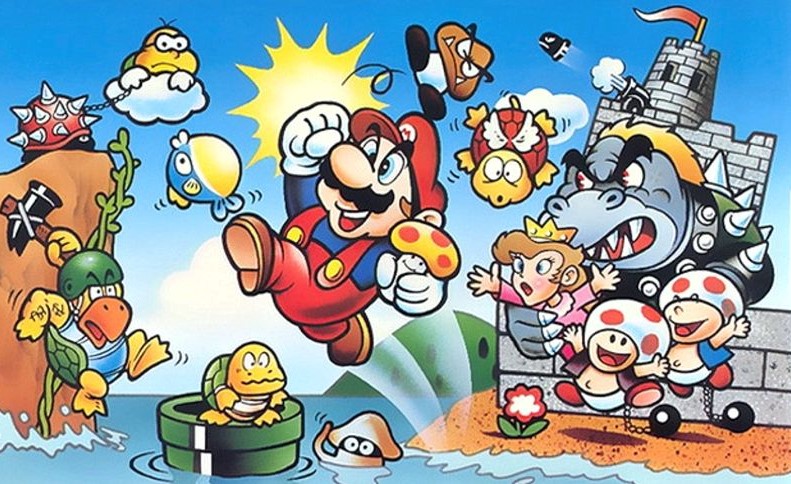
Nintendo’s Super Mario Bros. didn't just define the platformer; it rescued an industry. After the 1983 crash, Mario’s precise jumps, imaginative level design, and vibrant world offered a new paradigm. It established many conventions still used today, from power-ups to hidden secrets. More importantly, it demonstrated the potential for deep, engaging console experiences, proving that home gaming had a future beyond simple arcade ports and laying a robust foundation for console gaming.
5 / 12
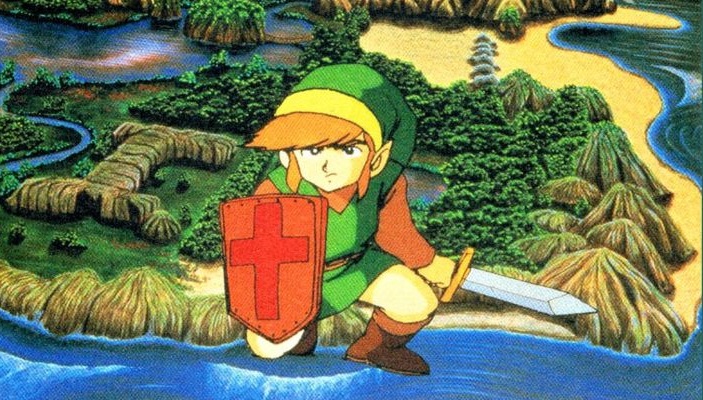
5. The Legend of Zelda
The Legend of Zelda, when it first appeared, wasn't just an adventure; it was an invitation to explore. It gave players a sense of freedom, an emergent narrative built on discovery and choice that felt revolutionary for its time. With its blend of action, puzzles, and a sprawling overworld, it laid the blueprint for countless action-adventure titles, establishing a legacy of epic quests and enduring characters that continue to shape the industry's approach to world-building.
6 / 12
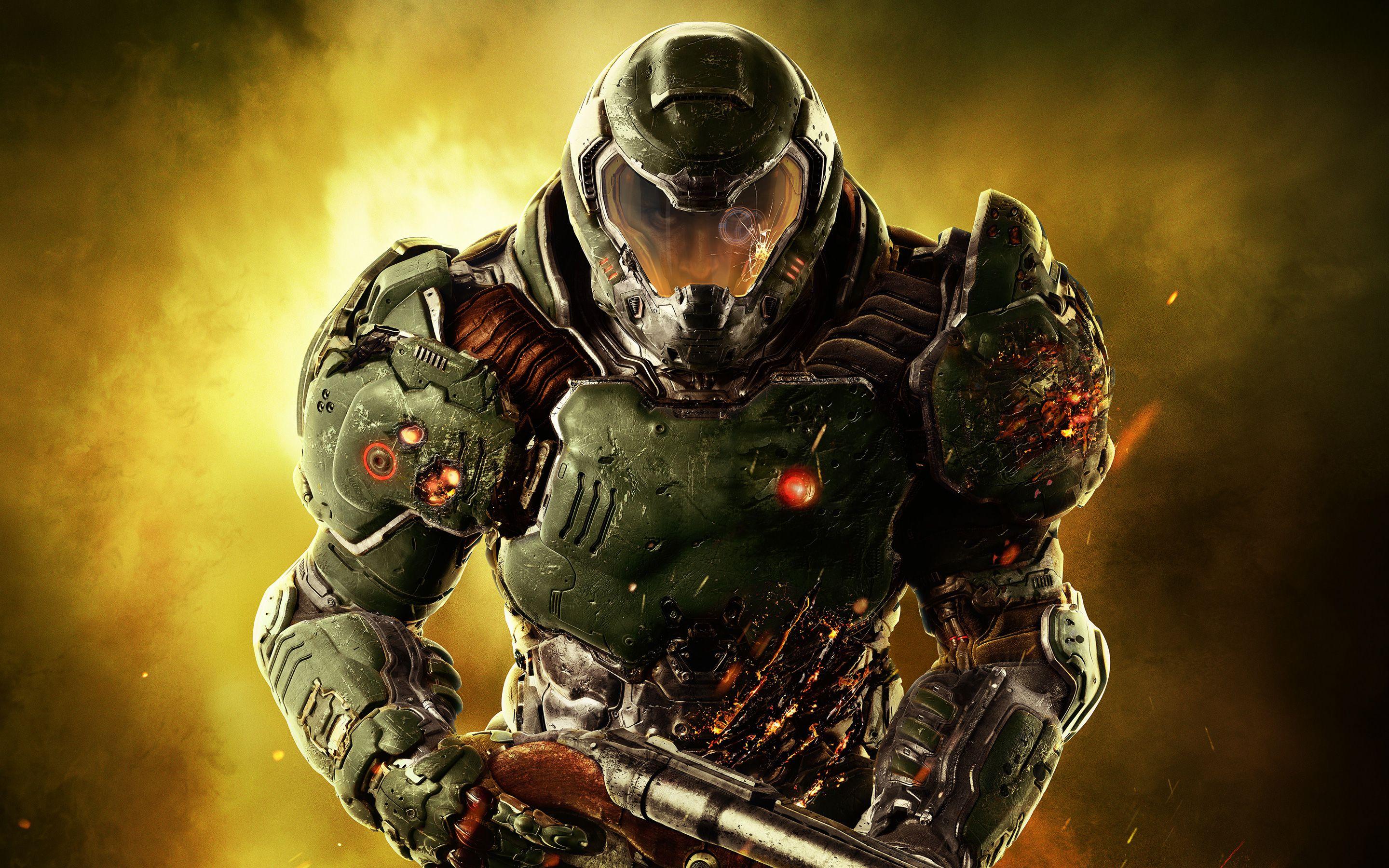
6. DOOM (2016)
The 2016 revival of DOOM was more than a reboot; it was a visceral reassertion of identity. It meticulously blended old-school ferocity with modern design, creating a ballet of brutal efficiency. It wasn't about realism; it was about power fantasy, about "push-forward combat" and shredding demons with gleeful abandon. The game proved that staying true to a franchise's core spirit, while intelligently modernizing mechanics, could produce an electrifying, genre-defining experience.
7 / 12
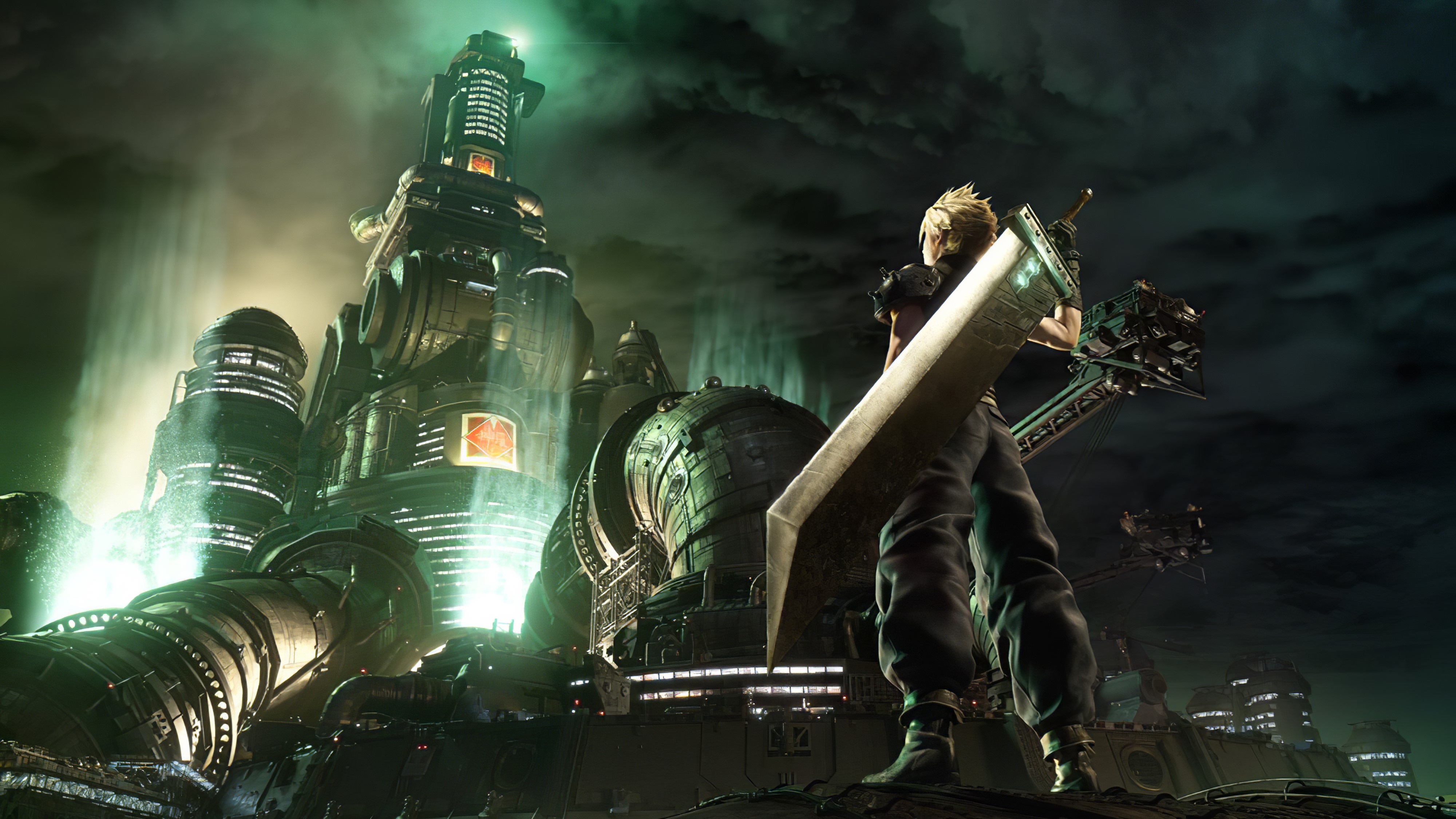
7. Final Fantasy VII
Final Fantasy VII wasn’t merely a JRPG; it was a cultural event that pushed the genre into the global spotlight. Its cinematic ambition, intricate narrative, and emotionally resonant characters set a new benchmark for storytelling in games. It leveraged CD-ROM technology to deliver a scope previously unimaginable, crafting a world and a story that captivated millions, forever changing perceptions of what a video game narrative could achieve.
8 / 12
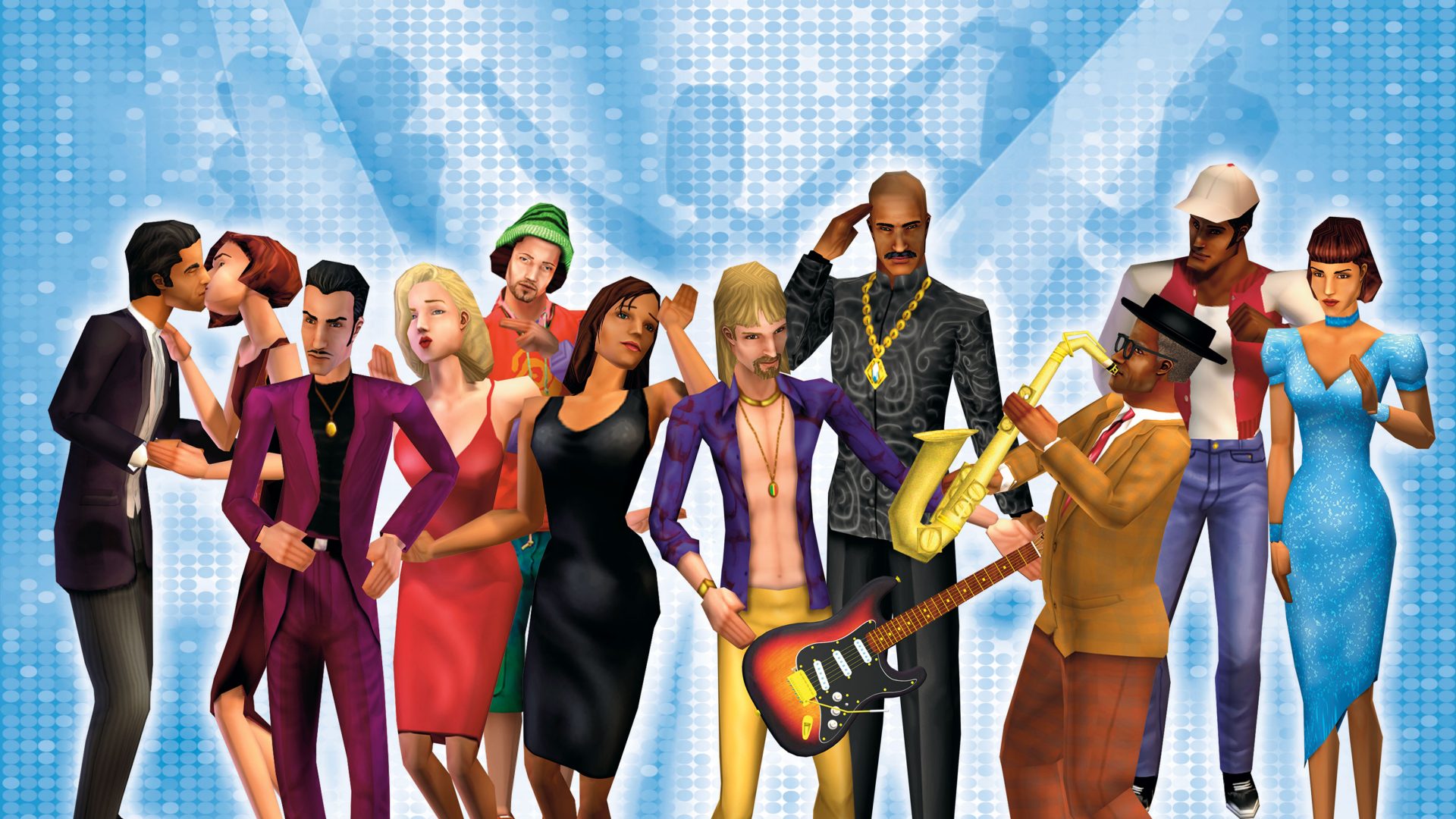
8. The Sims
The Sims shattered conventional game objectives. It wasn't about saving the world or beating a boss; it was about living a life, however mundane or fantastical. This 'god game' simulation empowered players to create stories, build homes, and manage relationships, offering an unprecedented level of creative freedom. It opened up gaming to a broader, more casual audience, proving that engaging experiences didn't always need conflict, but could thrive on pure interaction.
9 / 12
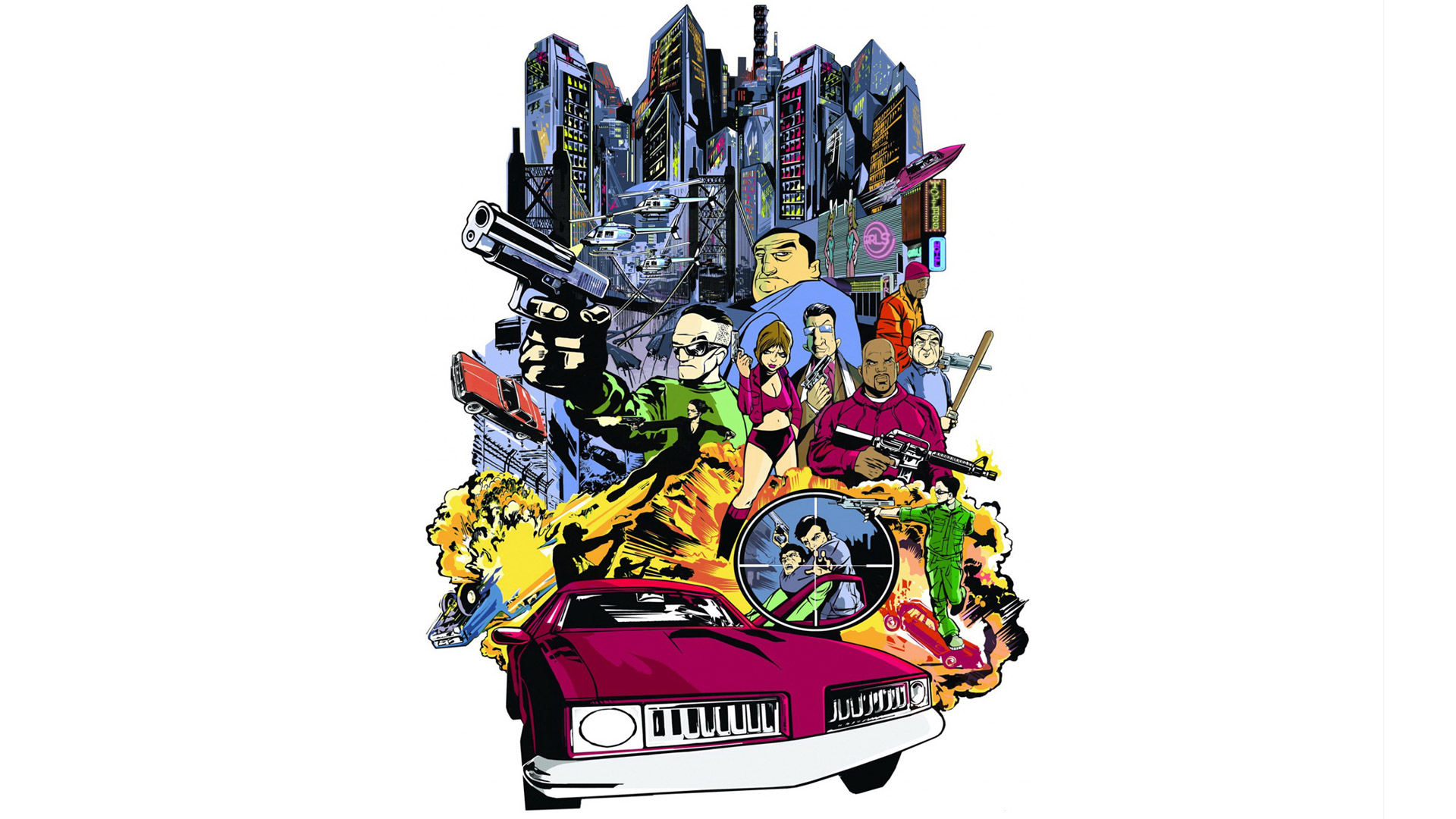
9. Grand Theft Auto III
Grand Theft Auto III didn't just go 3D; it blew the doors off what an open-world game could be. Its sprawling, living city, Liberty City, became a character in itself, inviting players to a level of freedom and emergent gameplay previously unseen. Though controversial, its impact was undeniable, setting the standard for sandbox design and influencing an entire generation of games that sought to replicate its intoxicating blend of narrative, chaos, and player agency.
10 / 12
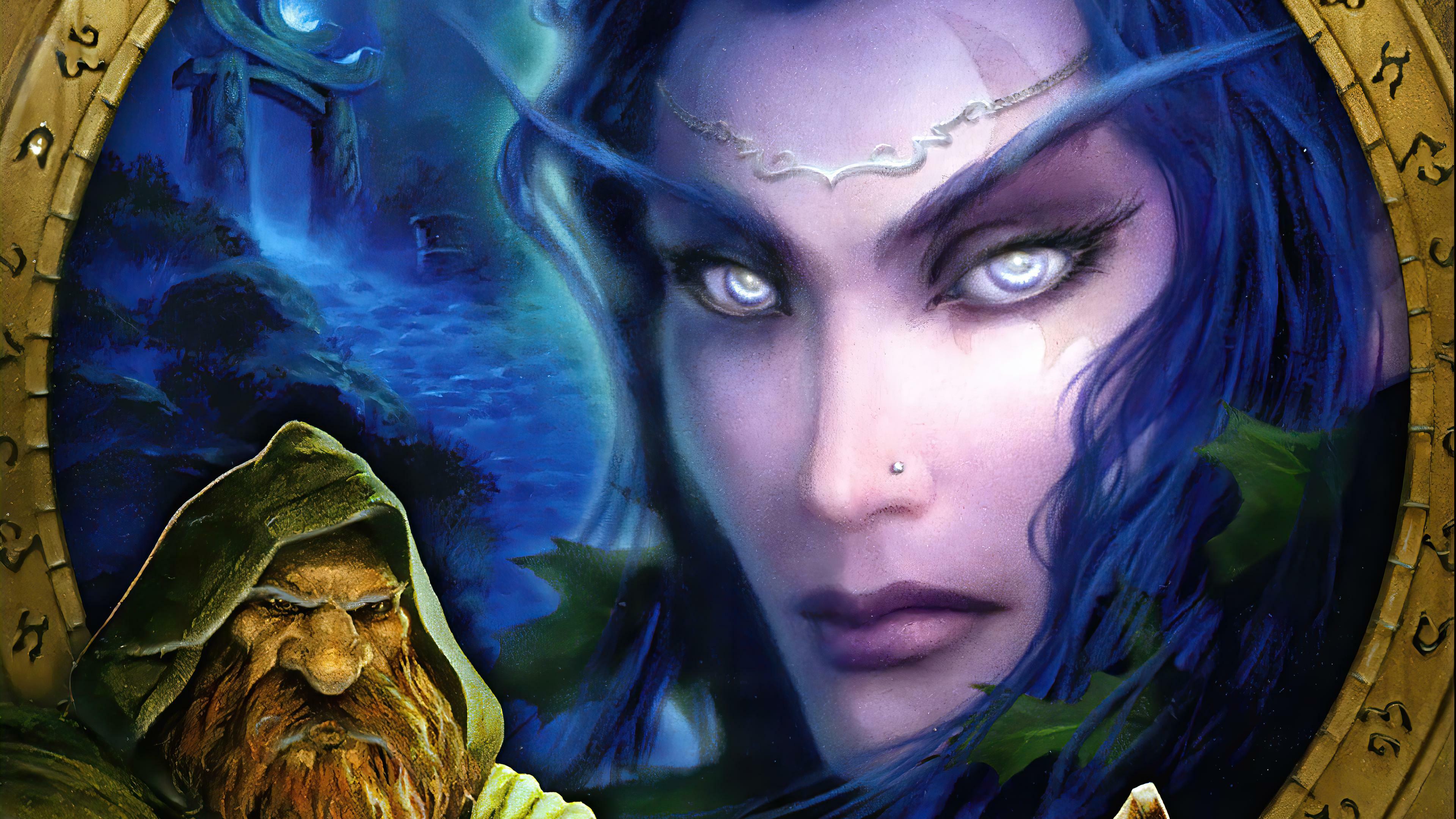
10. World of Warcraft
When World of Warcraft launched, it wasn't just another MMORPG; it was a social phenomenon. It refined the genre, making it accessible to millions and fostering vast online communities. Its persistent world, dynamic economy, and endless content loops kept players engrossed for years, redefining what persistent online experiences could achieve. And so, it profoundly shaped social interaction within digital spaces, proving that virtual worlds could be as impactful as real ones.
11 / 12
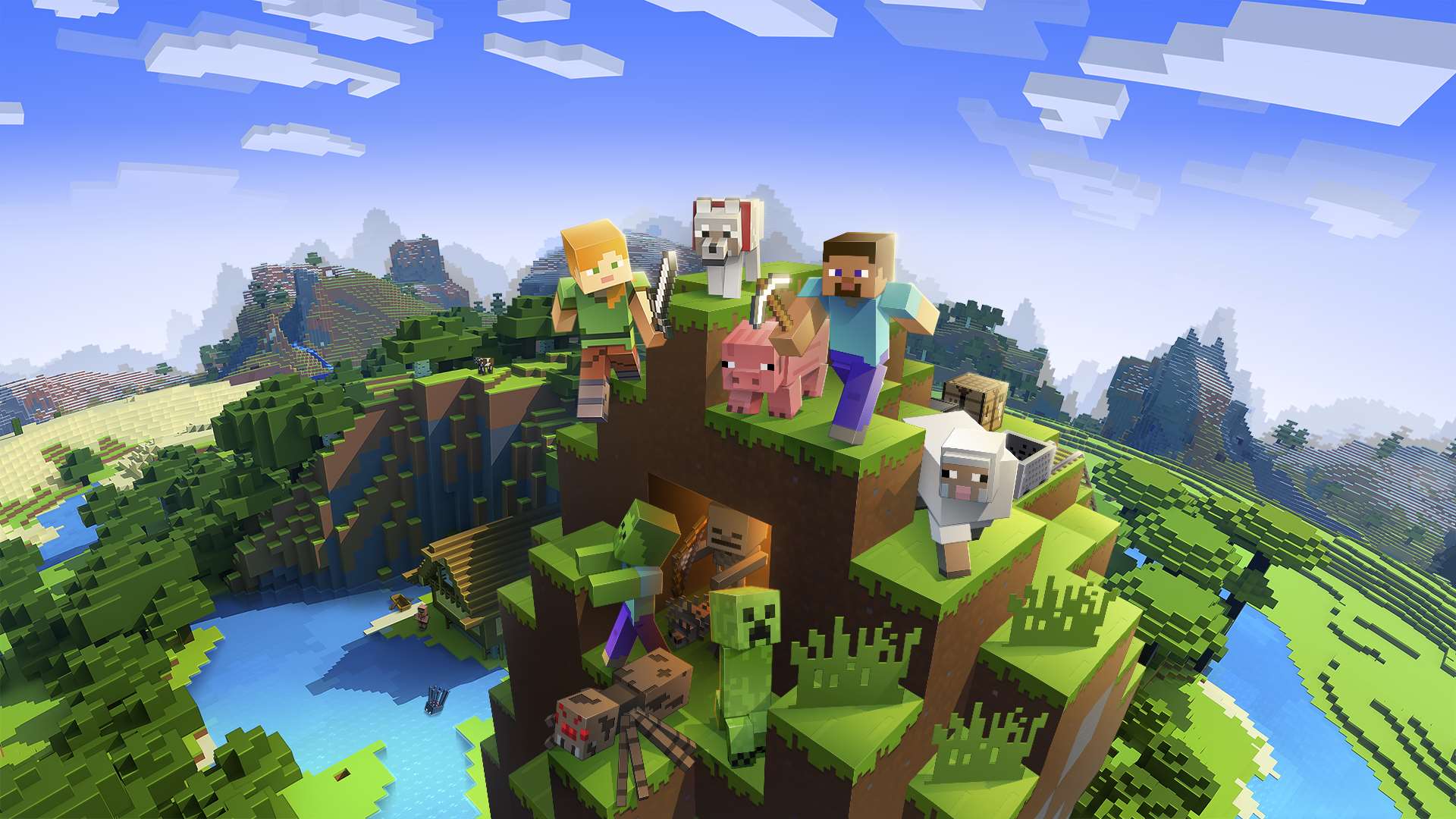
11. Minecraft
Minecraft wasn't handed down from a major studio; it emerged from a simple premise: build anything. Its blocky aesthetic and boundless creative freedom captivated a global audience, proving that graphics weren't everything. It democratized game design, empowering players to craft, explore, and collaborate on an unprecedented scale. Minecraft demonstrated that emergent gameplay and player-driven narratives could become a cultural juggernaut, influencing education and digital creativity worldwide.
12 / 12
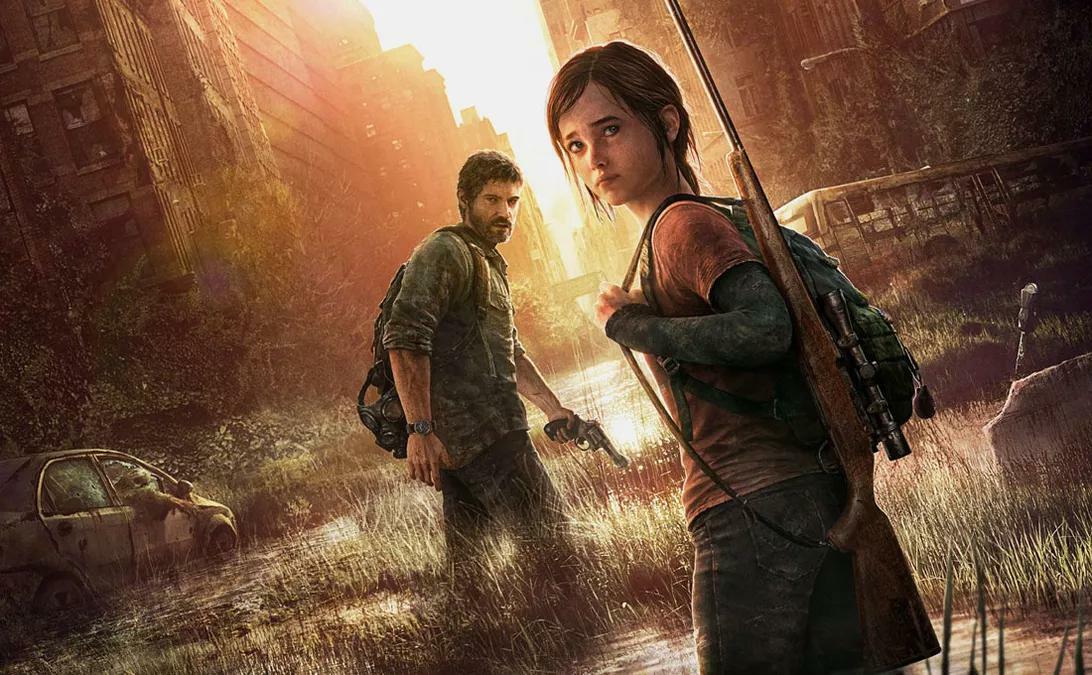
12. The Last Of Us
The Last of Us wasn't just a survival horror game; it was a masterclass in narrative-driven gameplay. Its unflinching portrayal of humanity in a post-apocalyptic world, coupled with emotionally complex characters, elevated storytelling in the medium. It blended intense combat with profound thematic depth, proving that video games could deliver mature, impactful narratives on par with film or literature, forcing players to grapple with difficult moral choices.