
1 / 12
1. Arx Fatalis
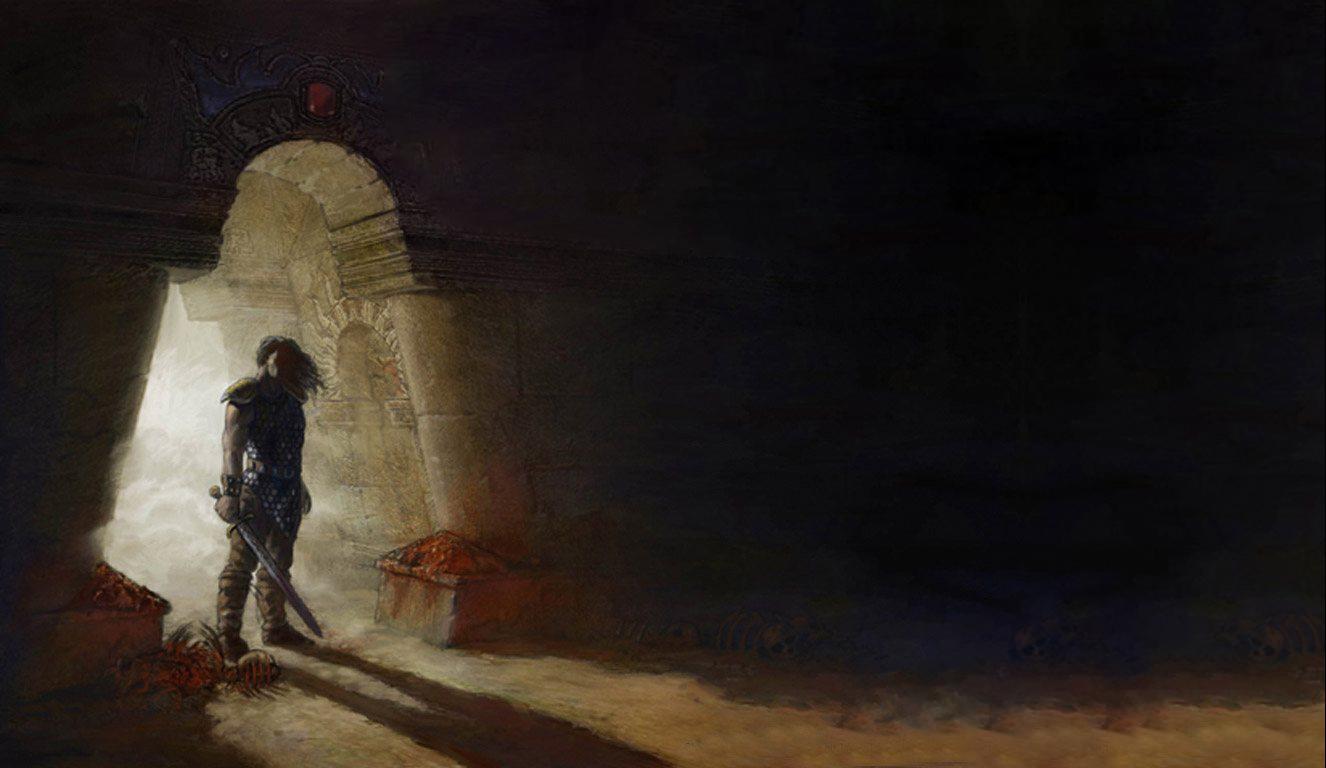
Before Arkane became Arkane as we know it, there was Arx Fatalis. This first-person RPG was a true immersive sim, letting you cast spells by drawing runes with your mouse and solving problems with genuine player agency. It was clunky, sure, but its underground world felt lived-in, dangerous, and utterly unique, a far cry from today's hand-holding, quest-marker-laden open worlds. It demands patience but rewards creativity in spades.
2 / 12
2. The Operative: No One Lives Forever
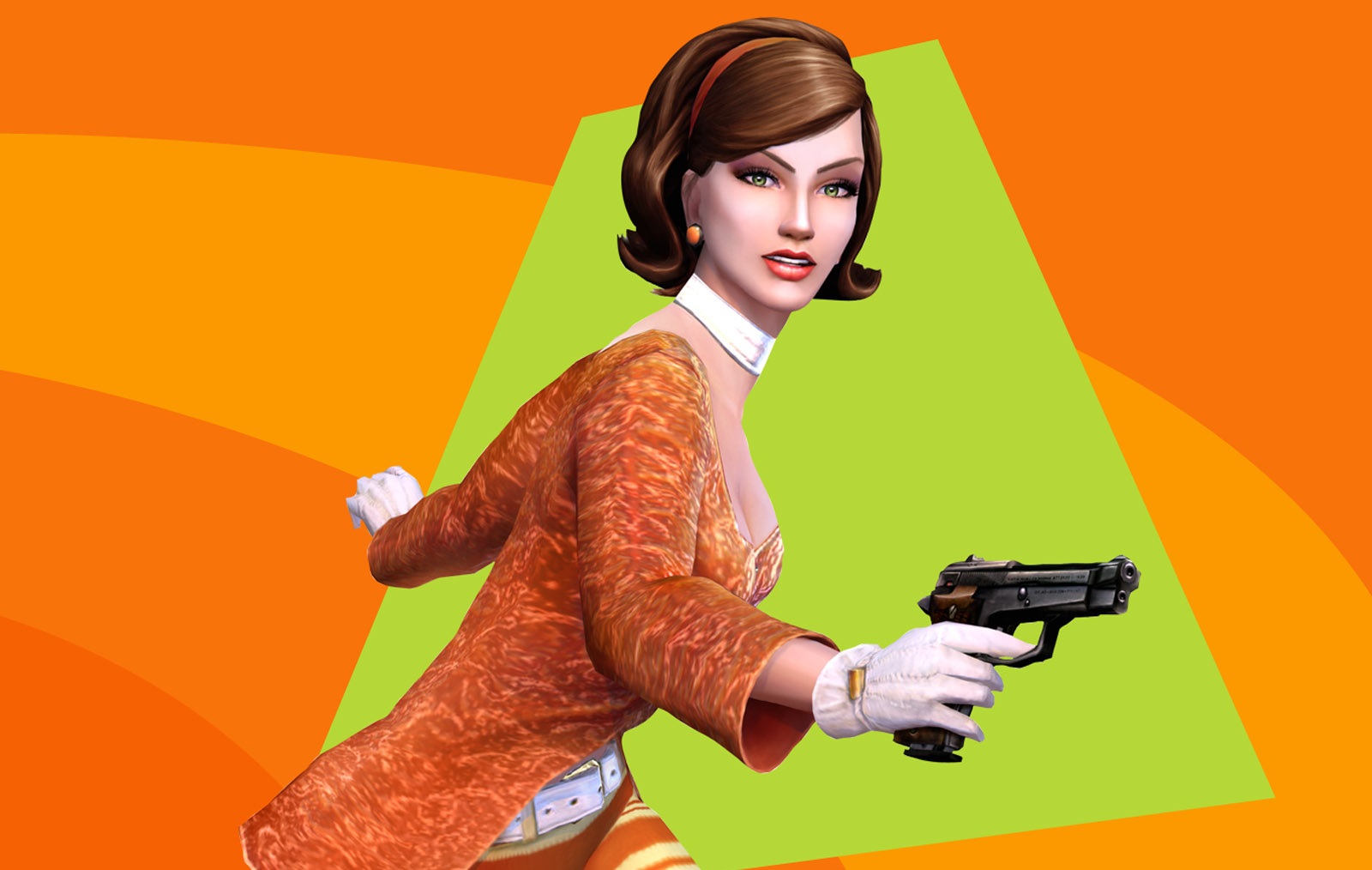
Monolith Productions gave us this absolute gem, a stylish, hilarious spy shooter bursting with 60s charm and ingenious gadgetry. Cate Archer was a fantastic protagonist, navigating absurd plots with wit and lethal efficiency. It's a masterclass in tone and level design, a stark contrast to the grim, generic military shooters that dominate today. Seriously, this game deserves a proper remaster, not another soulless Battle Pass.
3 / 12
3. The Matrix: Path of Neo
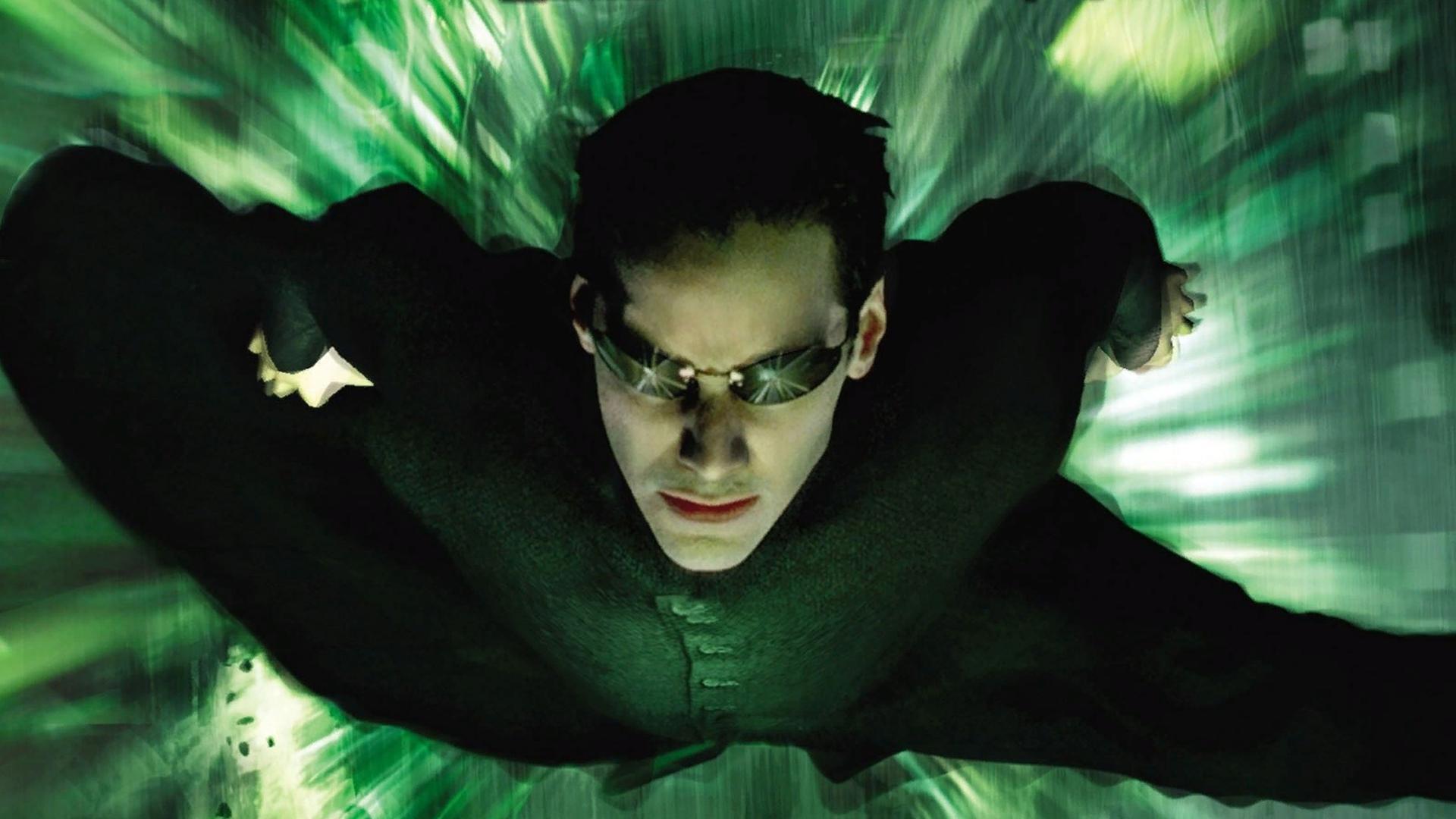
Forget Enter the Matrix; this is the game that actually *got* The Matrix. It was a chaotic, often goofy, but undeniably fun power trip that let you live out iconic movie scenes with over-the-top martial arts and bullet-time glory. Modern licensed games often play it safe, but Path of Neo embraced the absurdity and spectacle, delivering an experience unique to its source material, warts and all. Pure, unadulterated fan service done right.
4 / 12
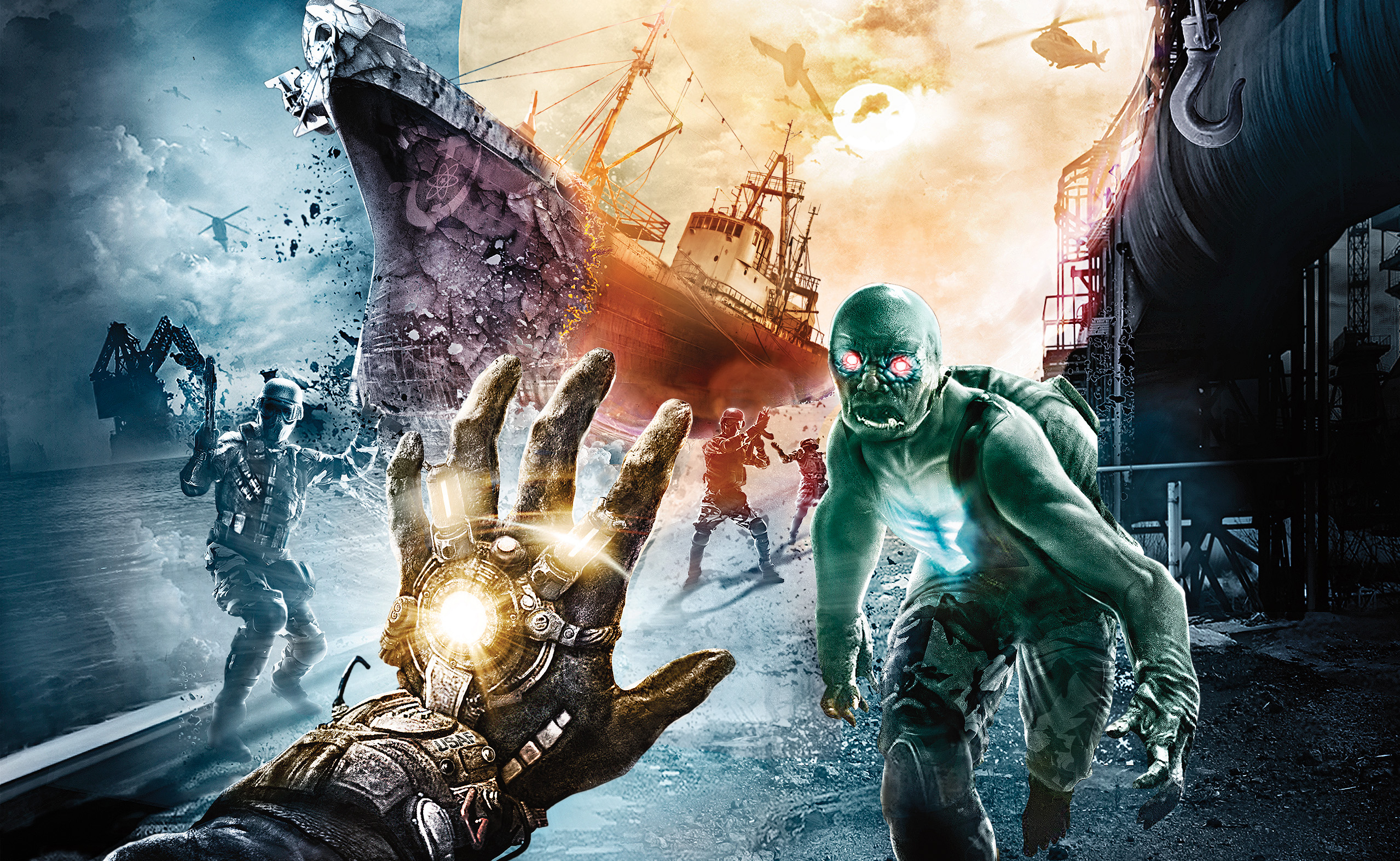
4. Singularity
Raven Software's Singularity is a criminally overlooked FPS that blended solid shooting with a genuinely clever time-manipulation mechanic. You could age enemies to dust or revert objects to their prime, making for some fantastic environmental puzzles and combat scenarios. It had a B-movie sci-fi vibe and a tight, focused campaign, proving that not every game needs to be a sprawling open-world service to be engaging. A true hidden gem.
5 / 12
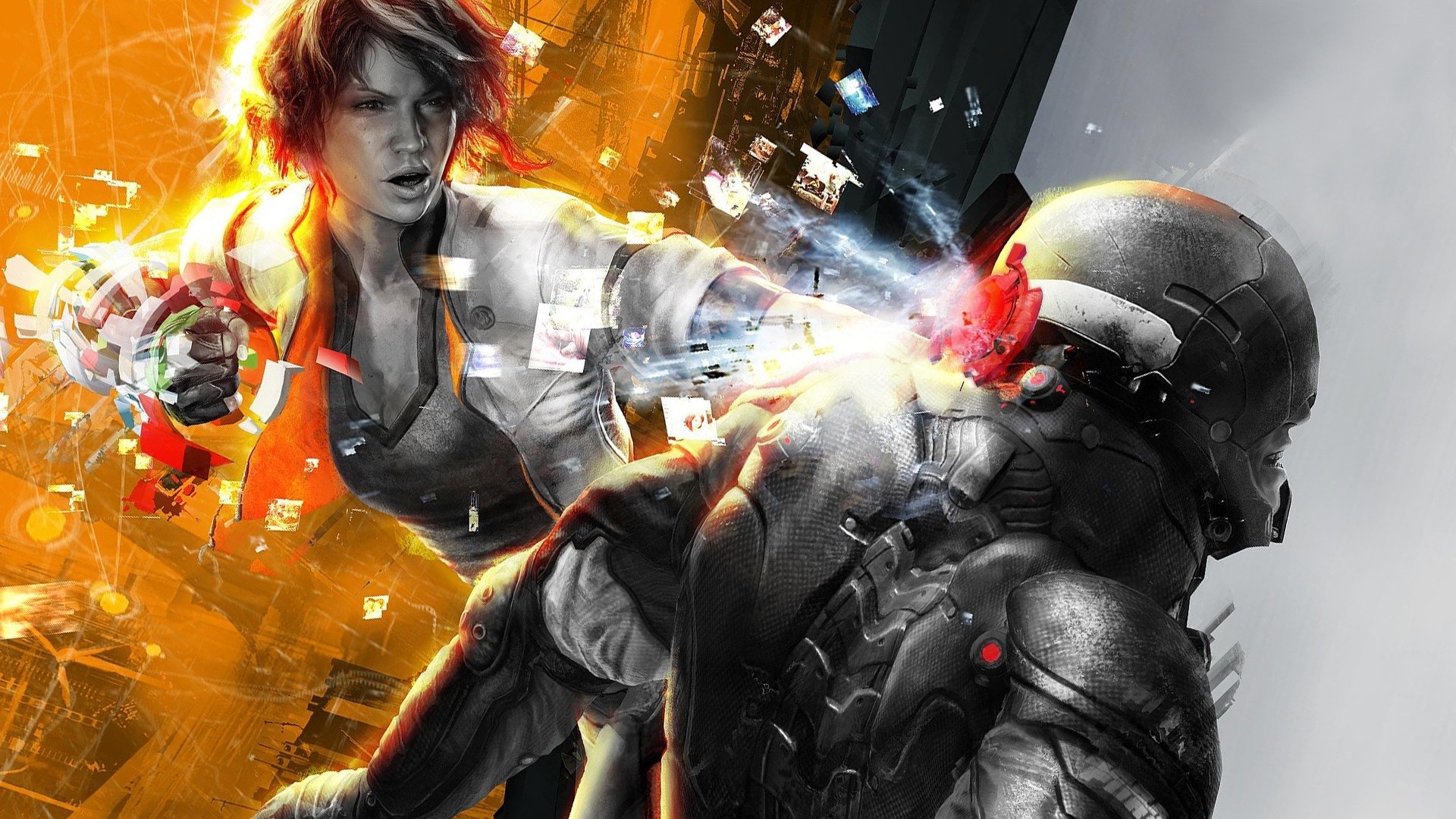
5. Remember Me
Dontnod's debut was a visual feast, presenting a stunning, dystopian Neo-Paris. While its combat system was a bit divisive and the 'memory remixing' mechanic underutilized, Remember Me had a powerful narrative core about identity and control in a surveillance state. It dared to be different, offering a unique aesthetic and philosophical questions in an era often dominated by brown and gray shooters. It deserved a sequel, not obscurity.
6 / 12
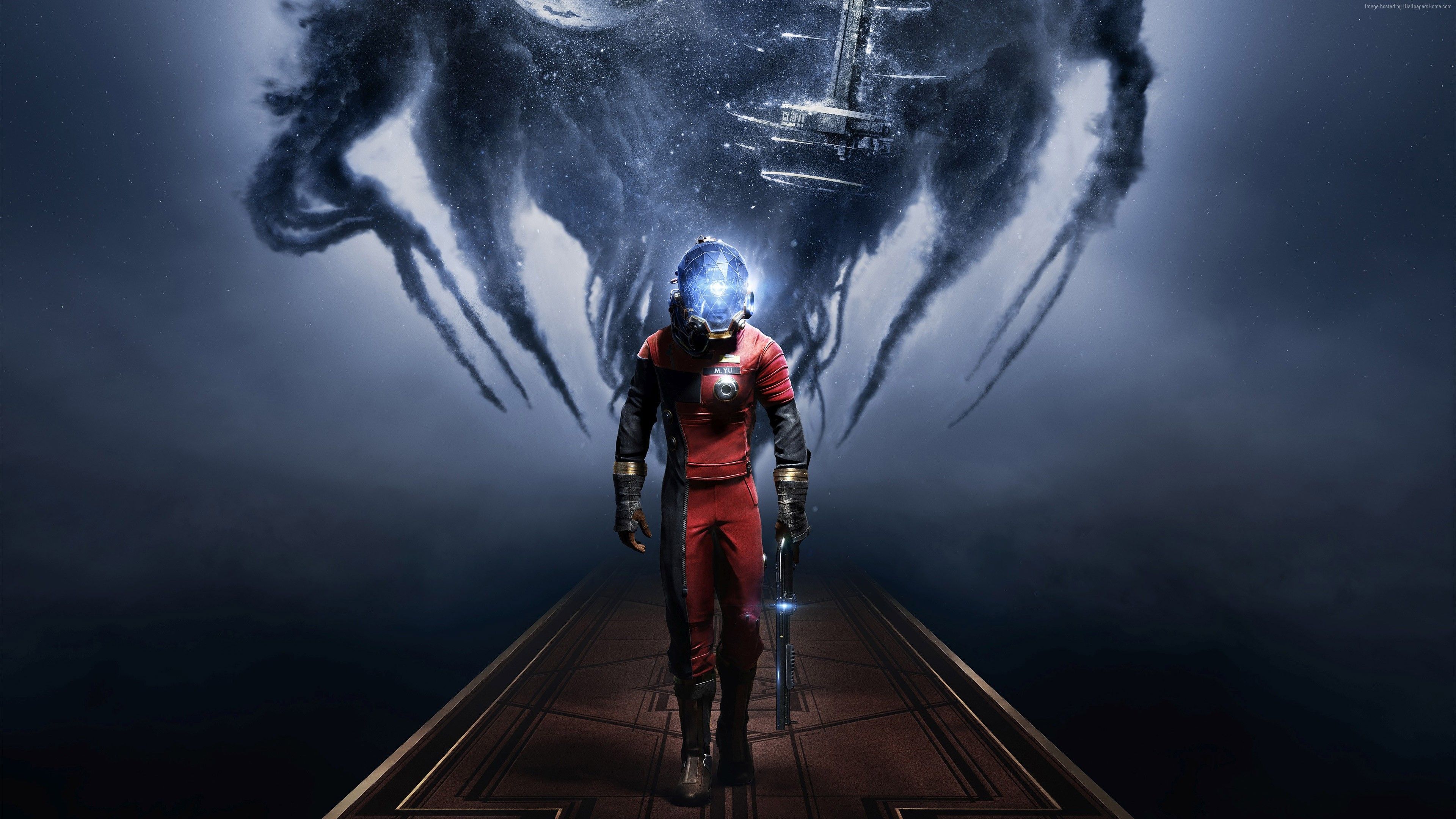
6. Prey
No, not the Arkane one, the *original* 2006 Prey. This game was a wild ride: portals, gravity manipulation, and a protagonist who could astral project. It was a truly innovative FPS that played with perception and space in ways few games before or since have matched. While some might call it linear, its inventiveness and unique Cherokee mythology setting offered far more creative spark than most modern, focus-grouped blockbusters.
7 / 12
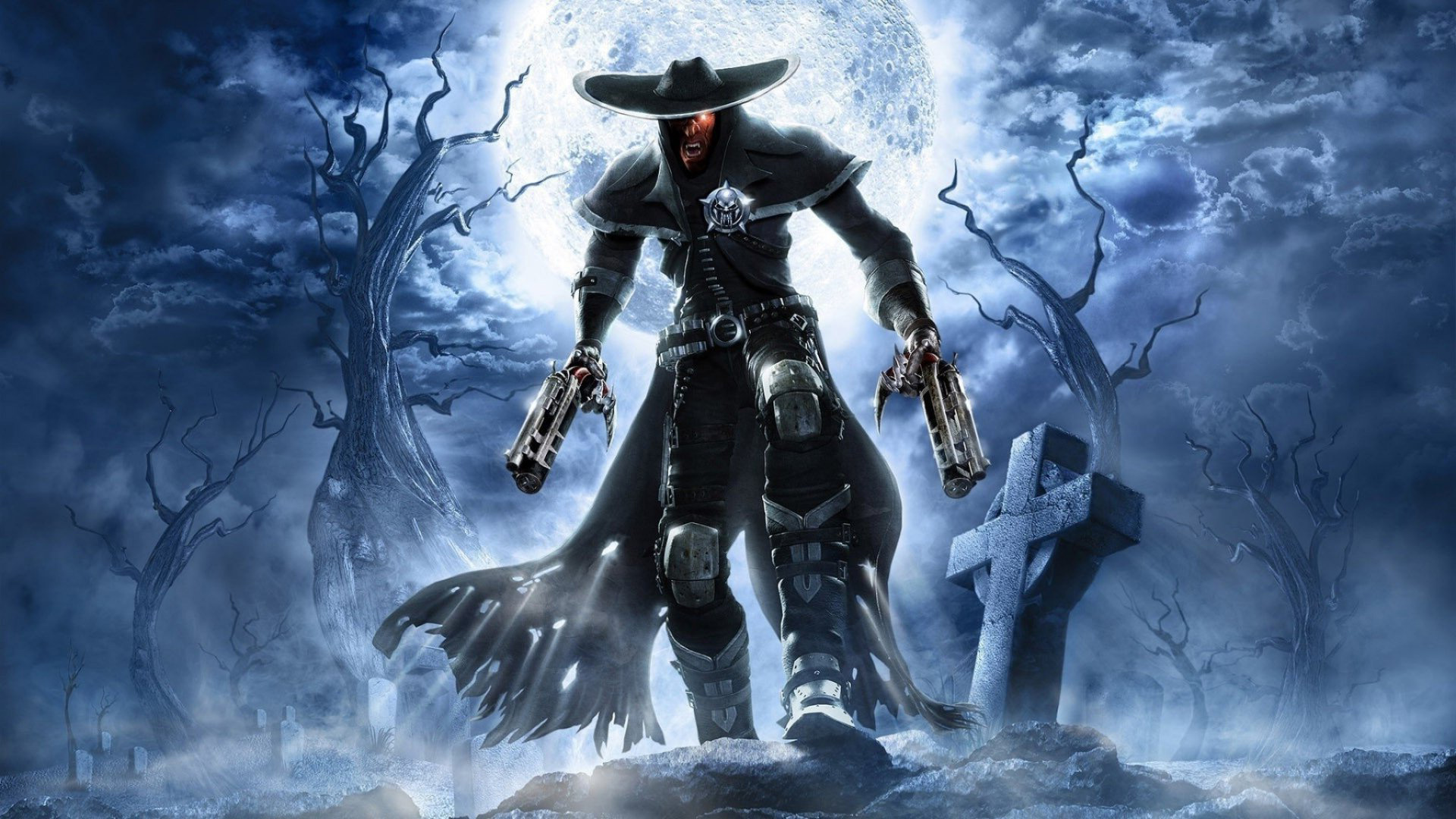
7. Darkwatch
A gothic Western FPS where you play a vampire gunslinger fighting supernatural threats – what's not to love? Darkwatch was pure pulp fiction, dripping with style, unique weaponry, and satisfying gunplay. It embraced its B-movie premise without apology, delivering a distinct atmosphere and genuinely fun co-op. In an industry obsessed with gritty realism, its unapologetic genre mash-up and bold art direction were a breath of fresh, undead air.
8 / 12
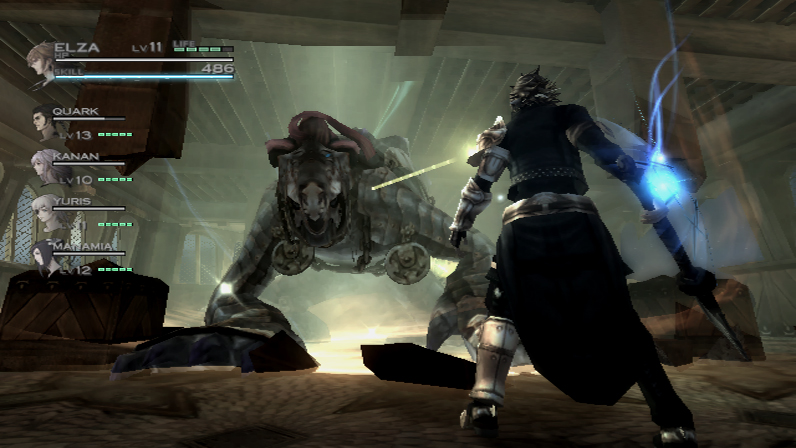
8. The Last Story
Hironobu Sakaguchi's Wii swansong, The Last Story, was a beautiful, character-driven JRPG with an innovative 'Gathering' combat system that blended real-time action with strategic command. It offered a compelling narrative about friendship and destiny, proving that the Wii could deliver mature, epic experiences. While many JRPGs chase open-world trends, this game's tightly crafted story and mechanics feel refreshingly focused and heartfelt.
9 / 12
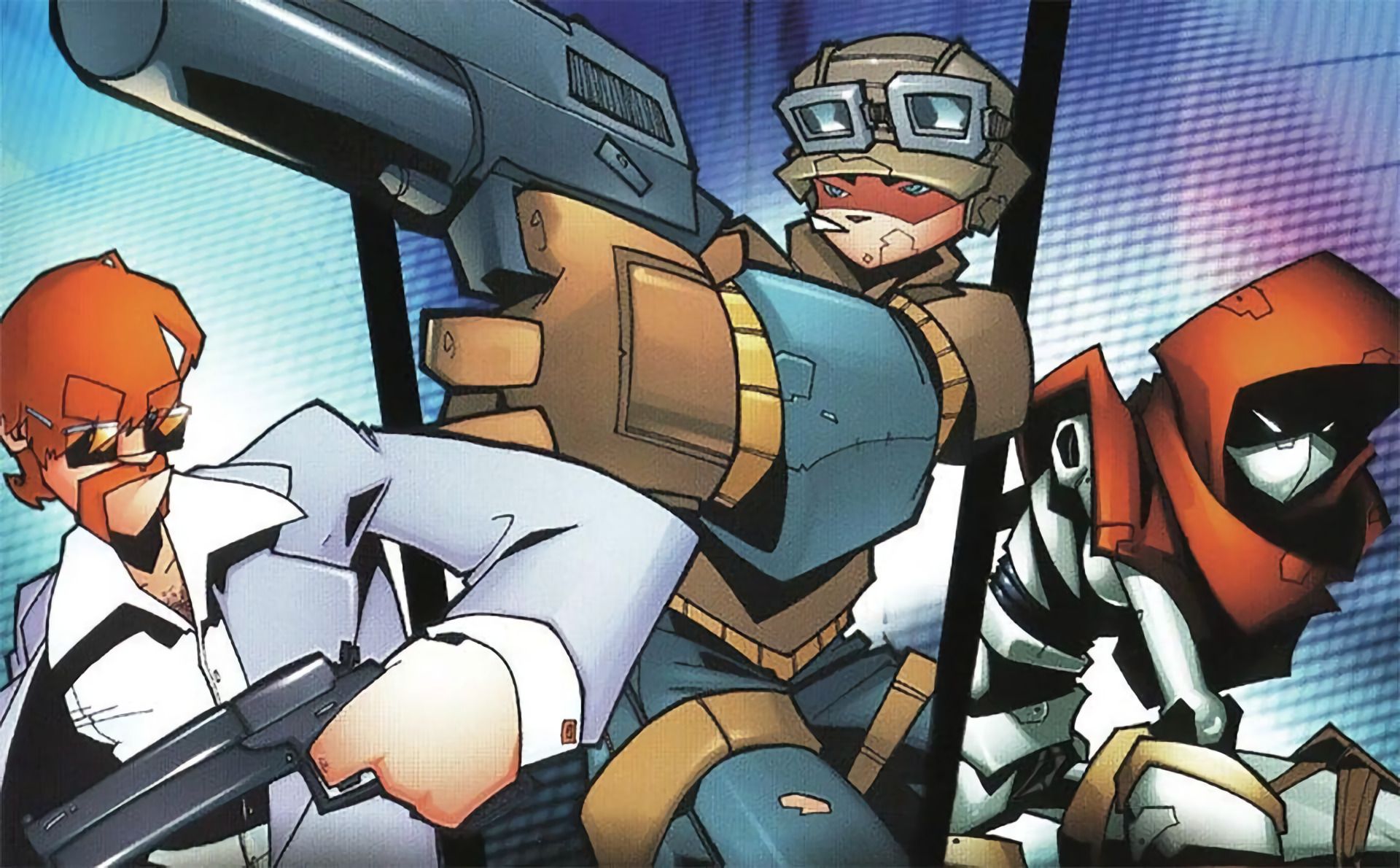
9. TimeSplitters 2
Before multiplayer became an endless grind of Battle Passes and microtransactions, there was TimeSplitters 2. This game was pure, unadulterated arcade FPS joy: split-screen chaos, hilarious characters, an incredible map editor, and diverse single-player missions. It prioritized fun, creativity, and instant gratification over engagement metrics. A stark reminder that often, simpler, more focused design leads to exponentially more replayable experiences. This is what 'fun' used to mean.
10 / 12
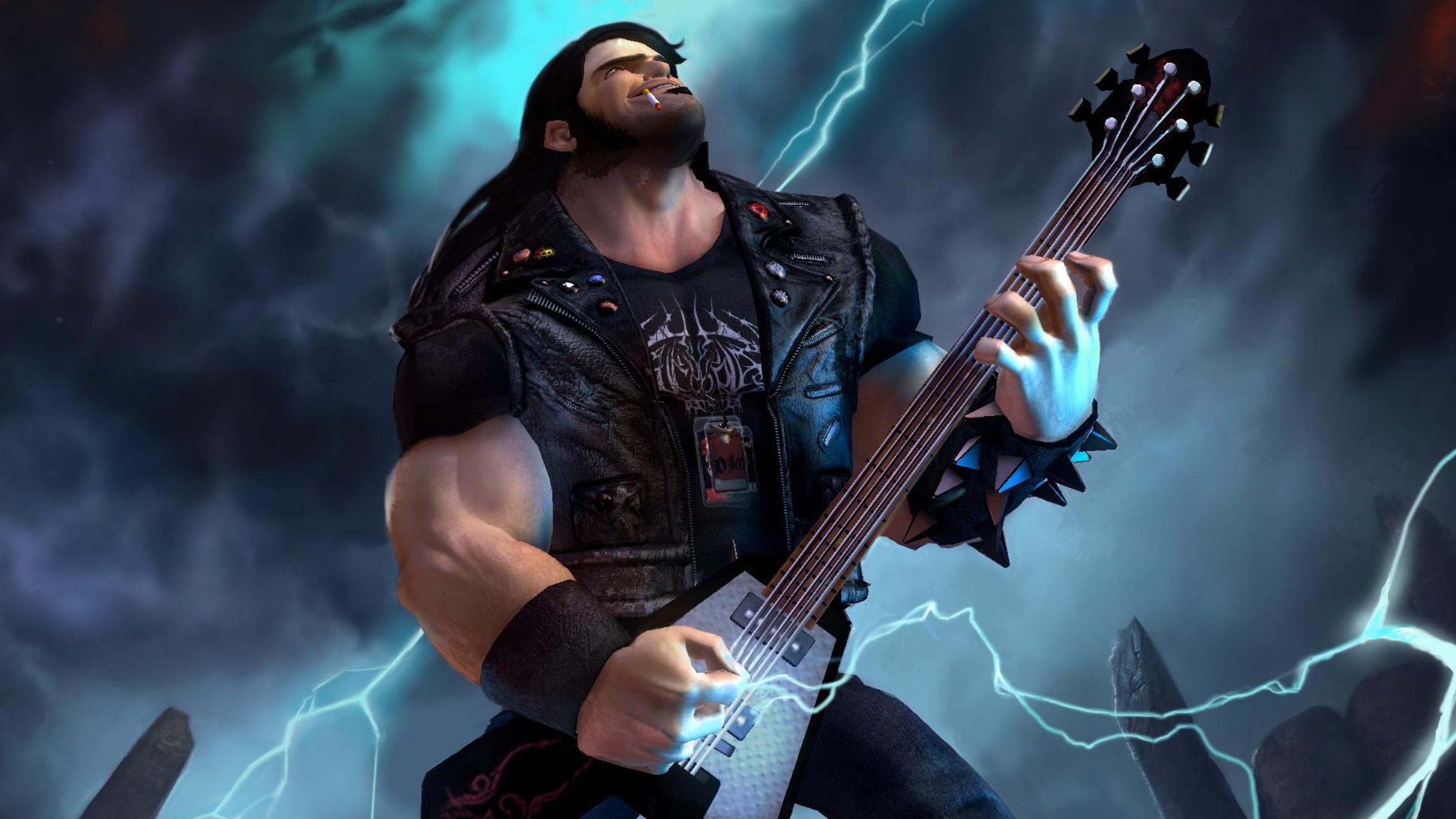
10. Brutal Legend
Tim Schafer's love letter to heavy metal, Brutal Legend, was an audacious genre-blender mixing action, RTS elements, and an unforgettable soundtrack. Starring Jack Black, it was a wildly imaginative and hilarious adventure, but its genre identity crisis probably doomed it commercially. Still, its artistic vision, passion, and sheer ambition put many safer, focus-grouped AAA titles to shame. A metal head's dream, a truly unique experience.
11 / 12
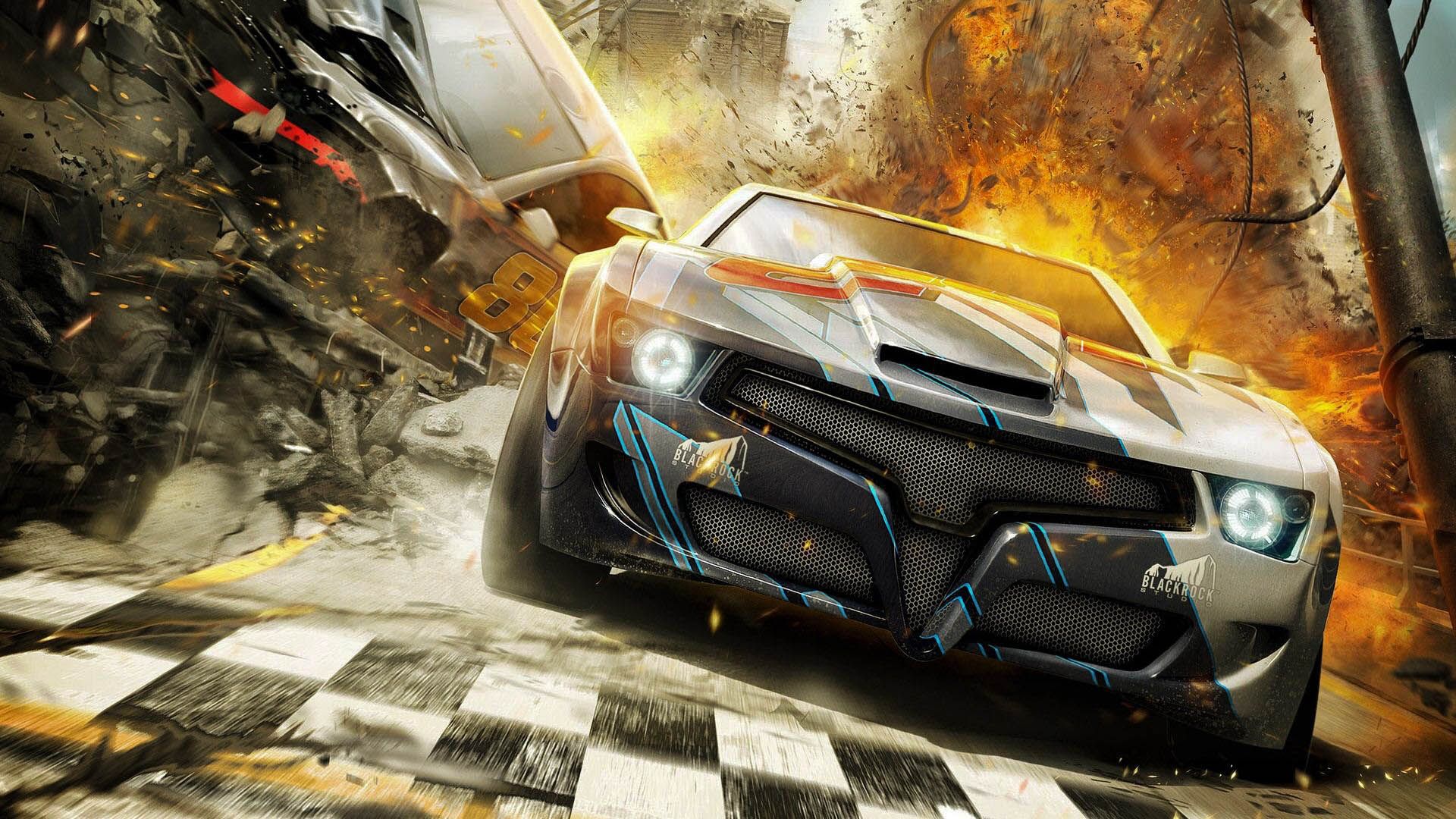
11. Split/Second
If Michael Bay made a racing game, it would be Split/Second. This arcade racer was all about spectacular environmental destruction, where you could trigger massive explosions and change the track in real-time to gain an advantage. It was pure, adrenaline-fueled chaos, prioritizing cinematic moments and over-the-top action above all else. A refreshing antidote to sterile, sim-focused racers, proving that sometimes, bigger and louder is just plain better.
12 / 12
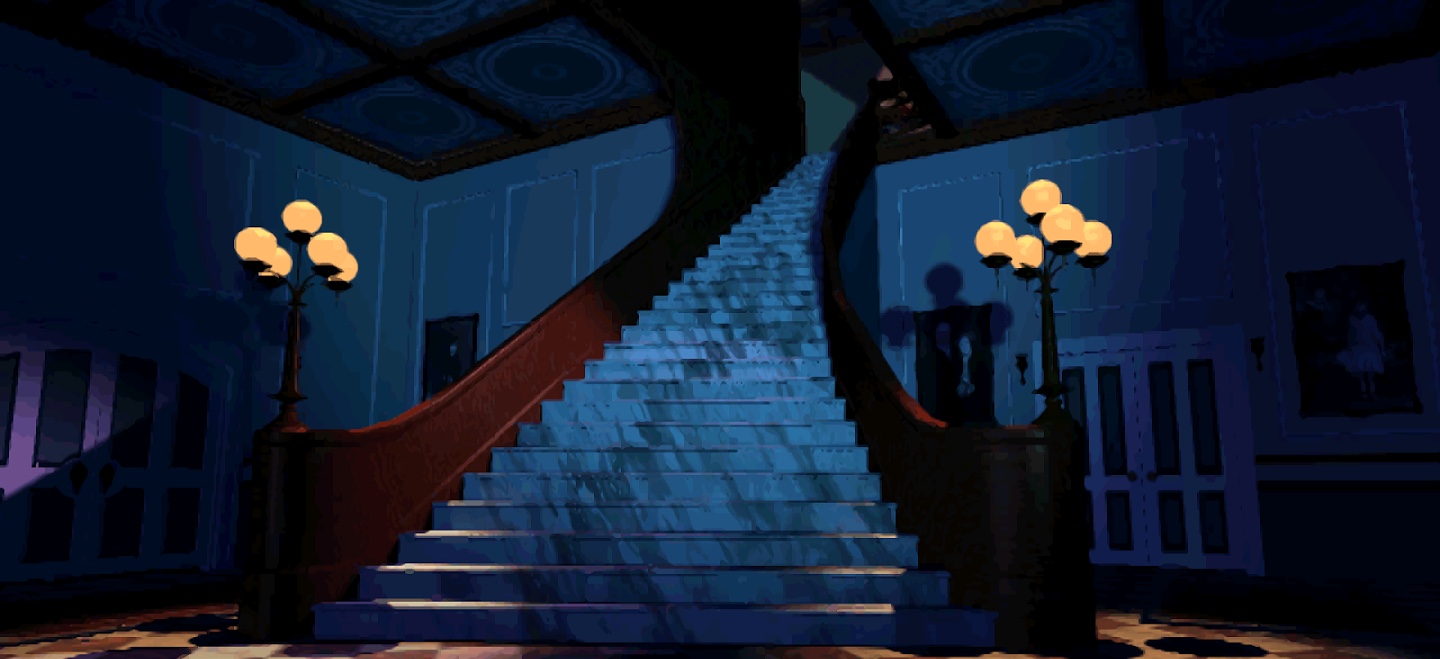
12. The 7th Guest
A pioneering FMV puzzle game from the CD-ROM era, The 7th Guest was a technical marvel and a genuinely eerie experience for its time. Its unsettling atmosphere, challenging puzzles, and mysterious storyline captivated players, proving that games could be more than just action. While FMV can be cheesy now, this game's ambition and commitment to its spooky narrative laid groundwork for interactive storytelling that modern blockbusters often forget.