1 / 12

1. Pong (1972)
It wasn't just a game; it was a phenomenon, often credited with sparking the video game industry itself. Its simplicity—two paddles, a ball, and a screen—masked a revolutionary concept: interactive digital entertainment in the home. Pong proved that electronic amusement could captivate, turning basements and arcades into buzzing social hubs and laying the fundamental groundwork for everything that followed, setting a clear trajectory for a new medium.
2 / 12
2. Space Invaders (1978)
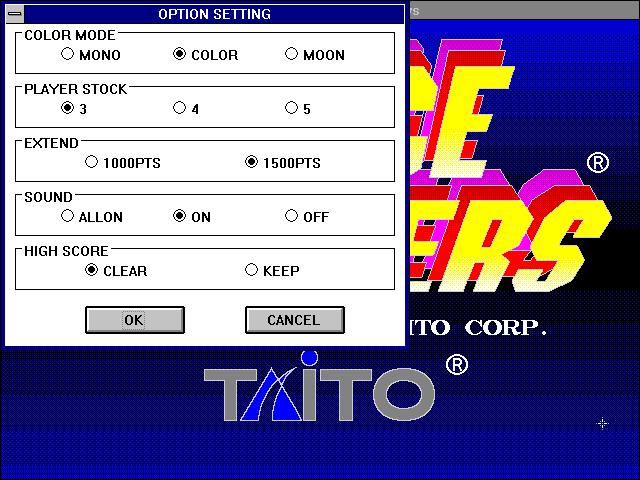
This arcade classic brought widespread anxiety and addiction to public spaces. Its relentless descending aliens and escalating pace created a palpable tension, demanding quick reflexes and strategic thinking. It popularized the concept of a high score, fostering competitive communities and drawing crowds. Space Invaders wasn't just entertainment; it was a cultural touchstone, demonstrating the commercial power and widespread appeal of video games.
3 / 12
3. Pac-Man
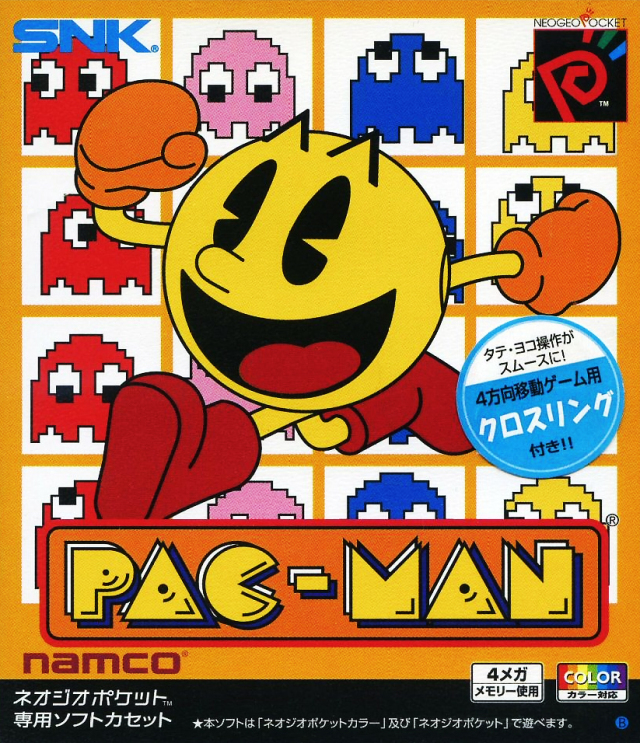
When Pac-Man arrived, it wasn't just another coin-op machine; it was a cultural icon. Its cheerful, hungry protagonist and colorful ghost adversaries offered a whimsical alternative to the sci-fi shooters dominating arcades. Pac-Man’s universal appeal transcended demographics, becoming a merchandising juggernaut and a household name. It proved games could be fun, accessible, and globally recognized, cementing their place in popular culture.
4 / 12
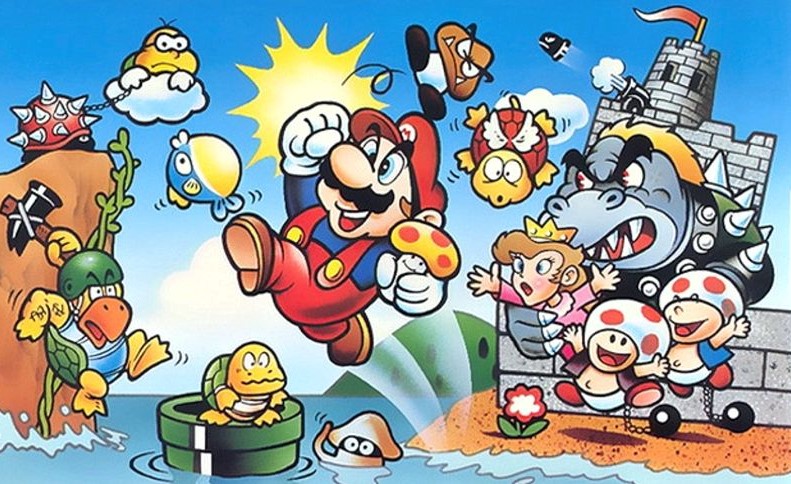
4. Super Mario Bros.
Mario didn't just jump; he redefined an entire genre. This game set the standard for side-scrolling platformers, introducing intricate level design, secret passages, and a sense of joyous exploration. It rescued the industry from its mid-80s slump, showcasing the NES's capabilities and establishing Nintendo as a powerhouse. Super Mario Bros. proved games could be expansive, imaginative, and endlessly replayable, becoming a blueprint for decades of adventure.
5 / 12

5. Tetris (1984)
From the Soviet Union to every handheld device, Tetris is a masterclass in elegant design. Its simple yet infinitely complex puzzle mechanics—rotating and dropping falling blocks—created a timeless, universally addictive experience. It proved that games didn't need elaborate narratives or graphics to be profoundly engaging. Tetris transcended cultural barriers, becoming one of the most played games ever, a testament to pure, distilled gameplay.
6 / 12
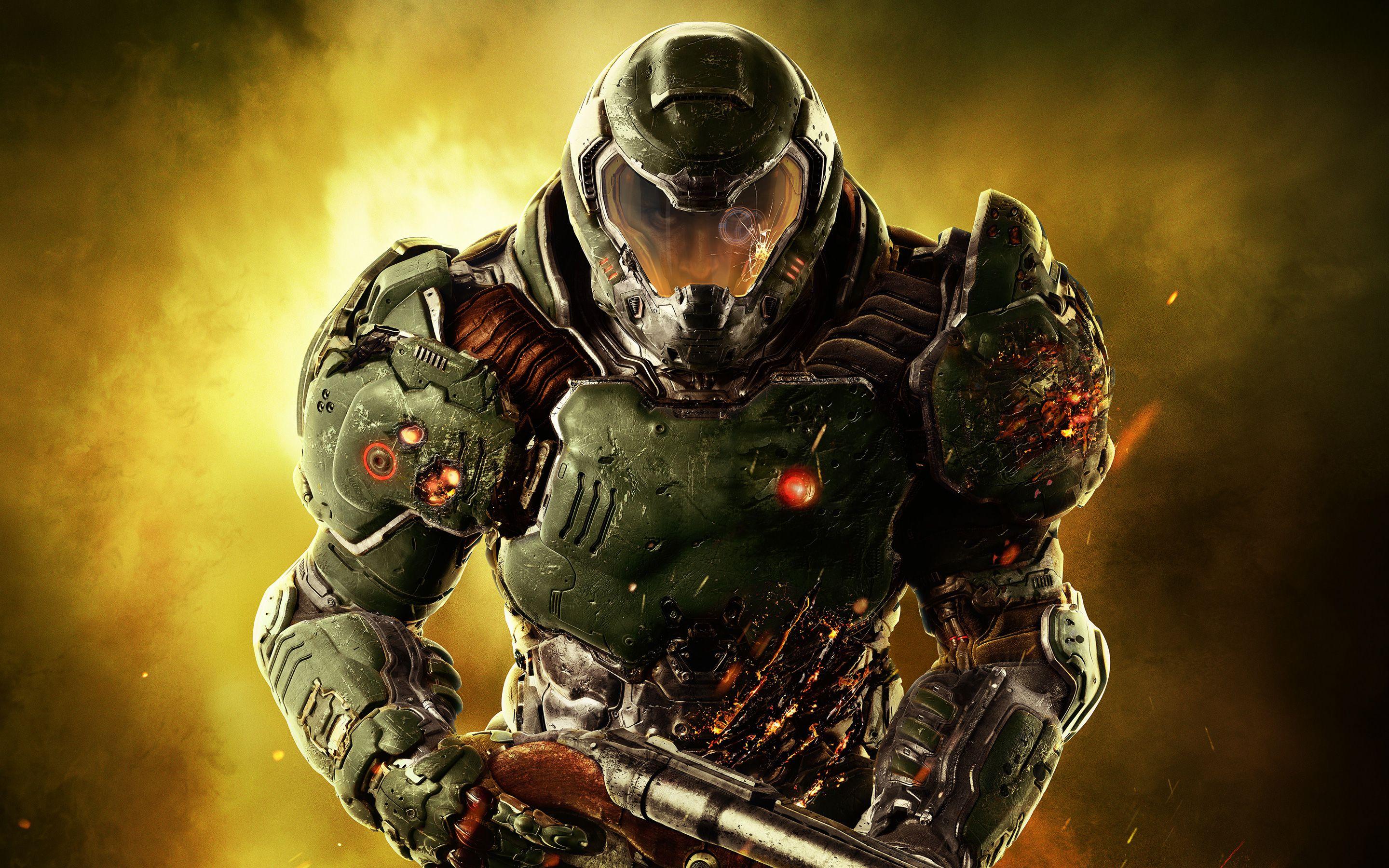
6. DOOM (2016)
The 2016 reboot of DOOM wasn't just a comeback; it was a primal scream. It redefined the modern shooter, eschewing cover mechanics for an aggressive, push-forward combat loop. Its relentless pace, heavy metal soundtrack, and visceral glory kills created an exhilarating ballet of violence. This game proved that a classic formula, when meticulously modernized, could still feel revolutionary, reminding players of the raw power a good FPS can wield.
7 / 12
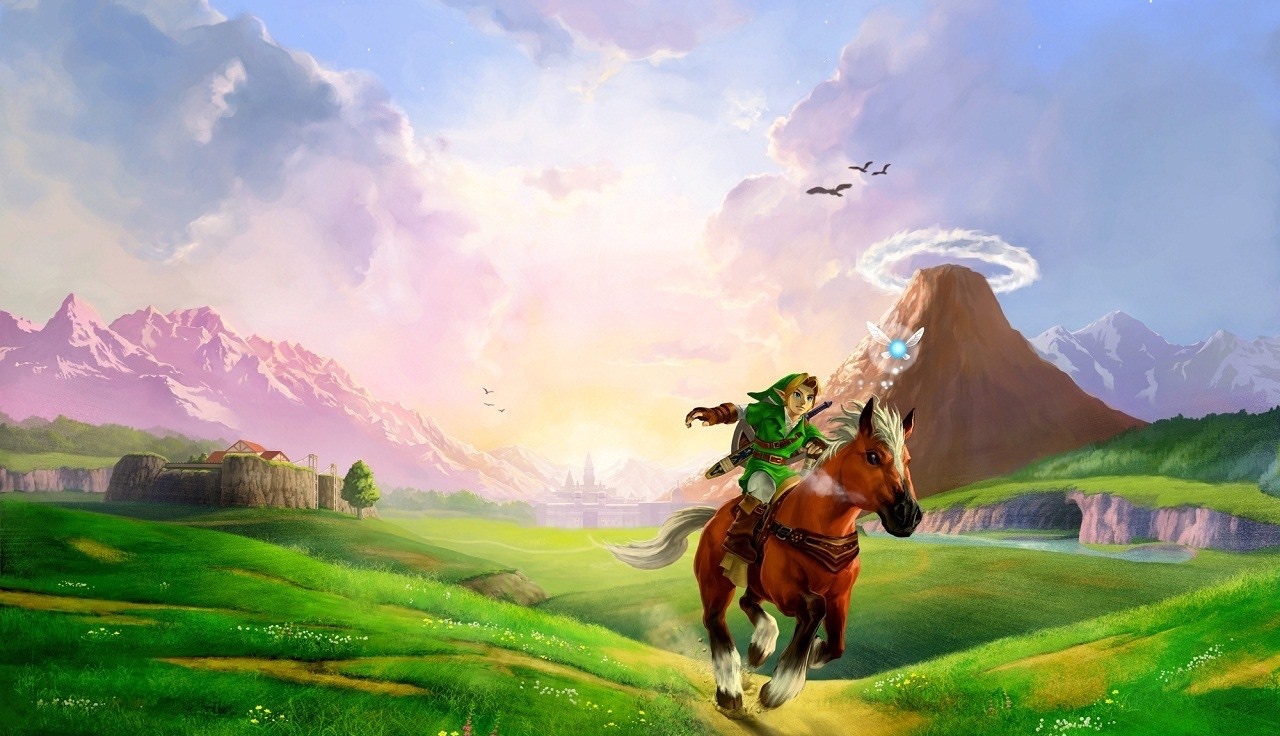
7. The Legend of Zelda: Ocarina of Time
This wasn't just a game; it was an epic. Ocarina of Time masterfully translated the Zelda formula into a 3D world, establishing conventions for target-locking, contextual actions, and cinematic storytelling that became industry standards. Its sprawling Hyrule, intricate dungeons, and emotional narrative created an unparalleled sense of adventure. It proved 3D games could offer both vast scale and intimate moments, setting a benchmark for immersion.
8 / 12
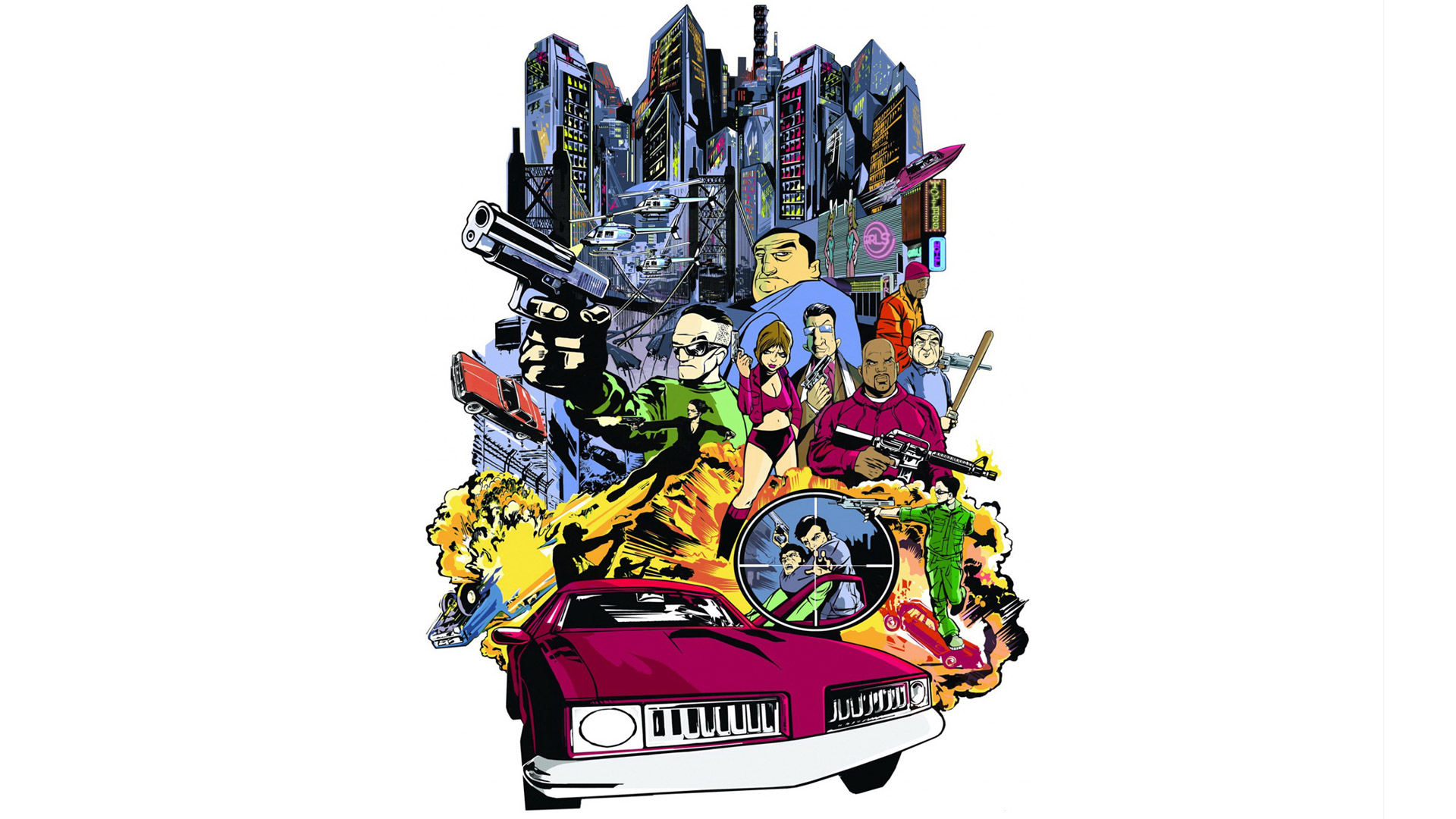
8. Grand Theft Auto III
GTA III blew the doors off what an open-world game could be. Its fully realized 3D city, emergent gameplay, and unprecedented freedom to wreak havoc or follow a compelling narrative captivated millions. It sparked debates about media violence while simultaneously demonstrating the immense potential of player agency. This game reshaped expectations for sandbox titles, paving the way for entire subgenres and influencing countless developers.
9 / 12
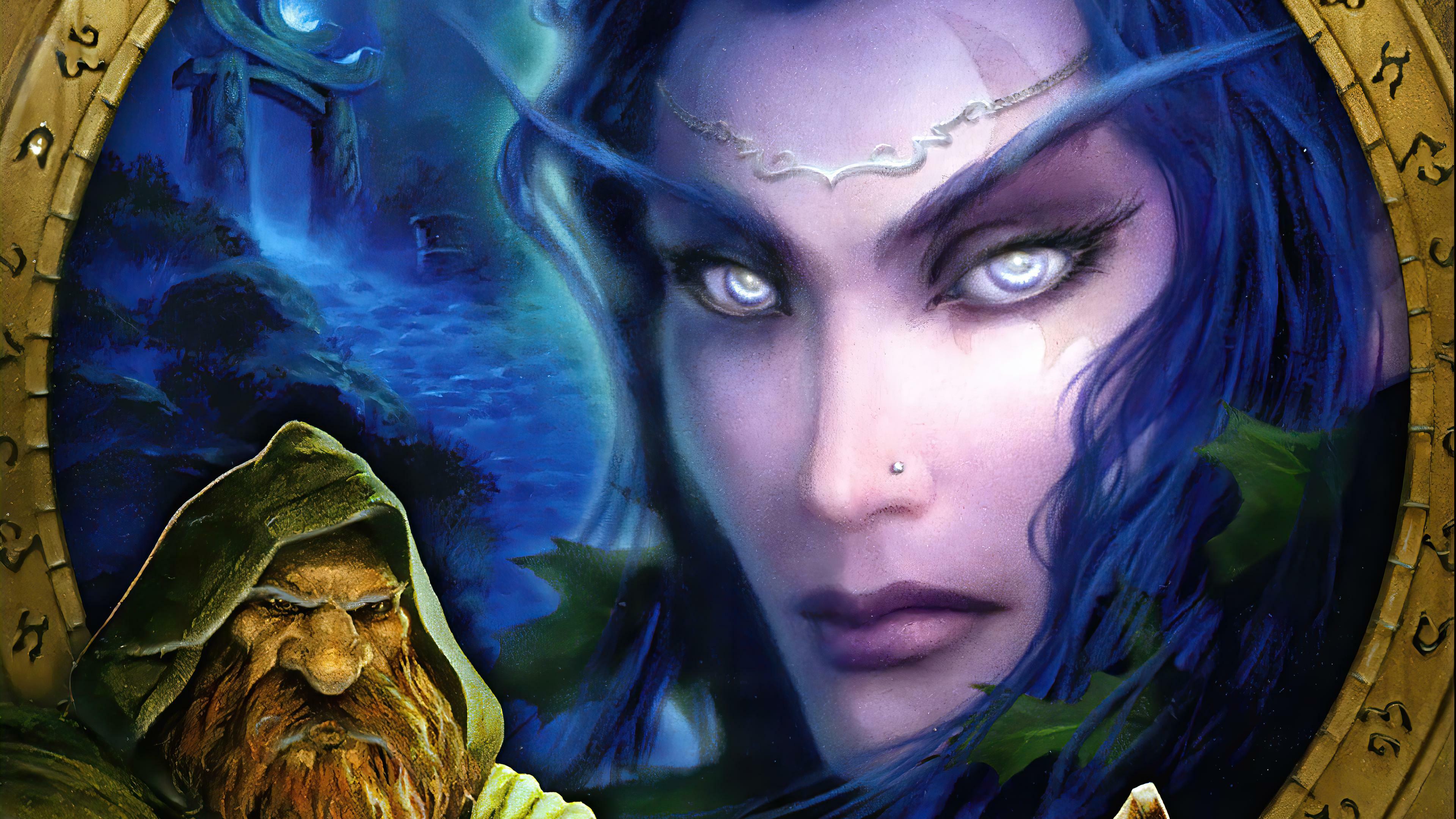
9. World of Warcraft
WoW wasn't just an MMO; it was a second life for millions. Its accessible design, rich lore, and social infrastructure fostered unprecedented online communities and persistent virtual economies. It blurred the lines between gaming and social interaction, creating friendships, rivalries, and even marriages across continents. World of Warcraft proved that digital worlds could become genuine extensions of our social fabric, defining a generation of online play.
10 / 12
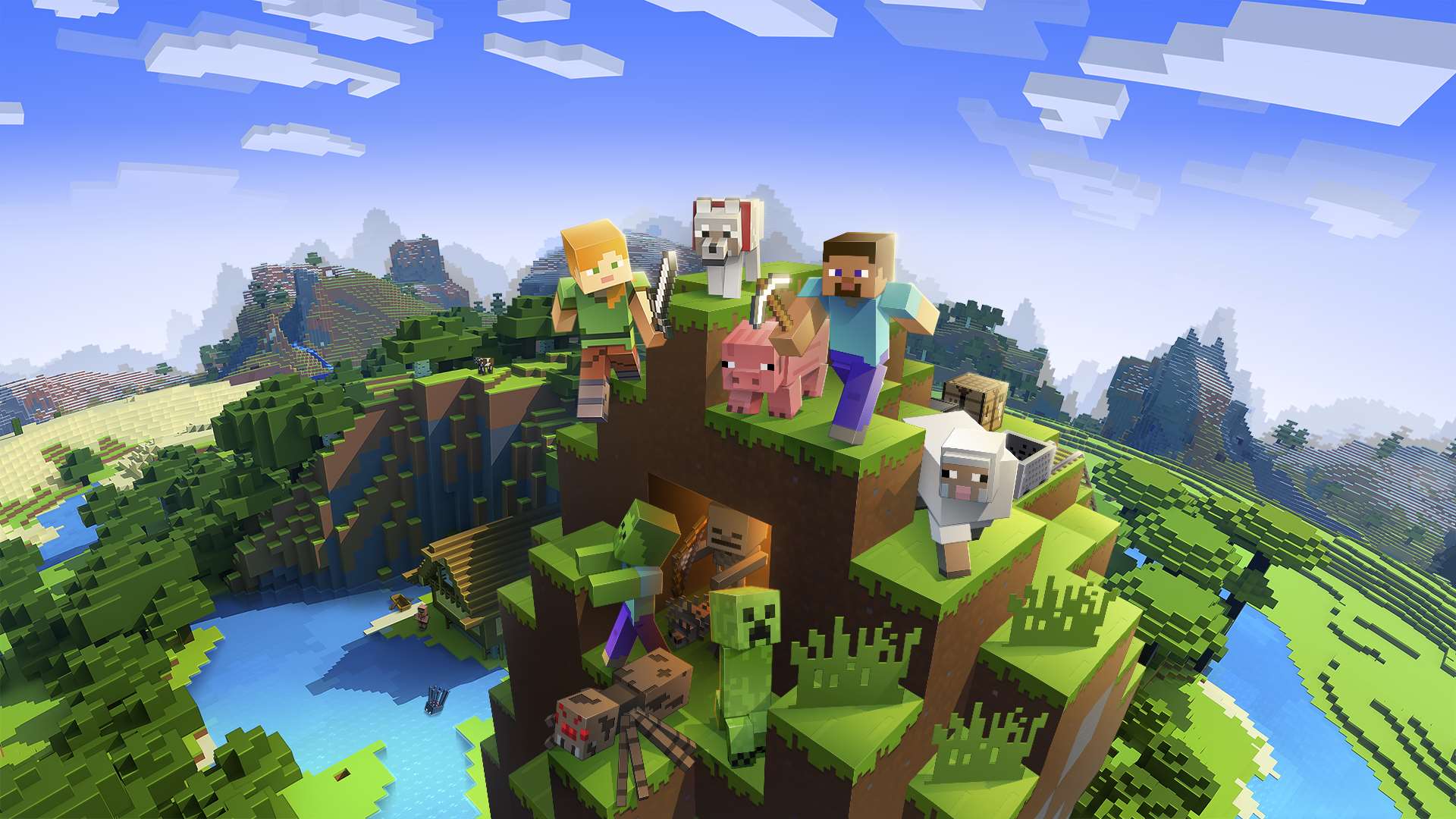
10. Minecraft
Minecraft is less a game and more a digital sandbox for the imagination. Its blocky, infinitely generated worlds empowered players to build, explore, and create with unparalleled freedom. It democratized game design, inspiring a generation of creators and modders. Minecraft became a global phenomenon, bridging age gaps and fostering creativity in ways few other digital experiences have, proving that simplicity can lead to boundless complexity.
11 / 12
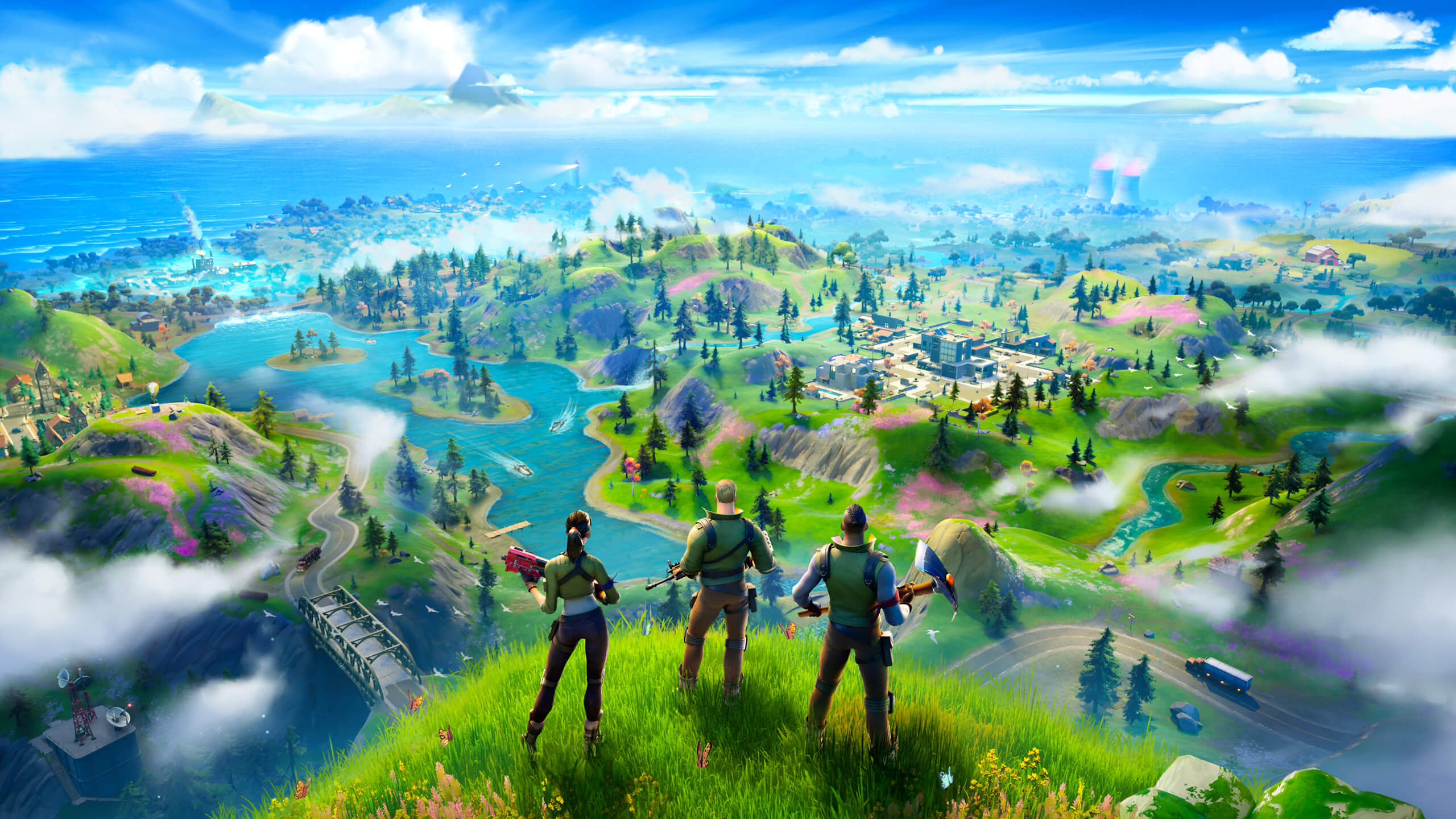
11. Fortnite Battle Royale
Fortnite didn't invent the battle royale, but it perfected its mainstream appeal. Its accessible gameplay, constant updates, and ingenious integration of building mechanics created a frenetic, competitive, and wildly popular cultural event. It blurred the lines between game, social hub, and marketing platform, hosting virtual concerts and pop culture crossovers. Fortnite proved games could be ever-evolving social spaces, not just static products.
12 / 12
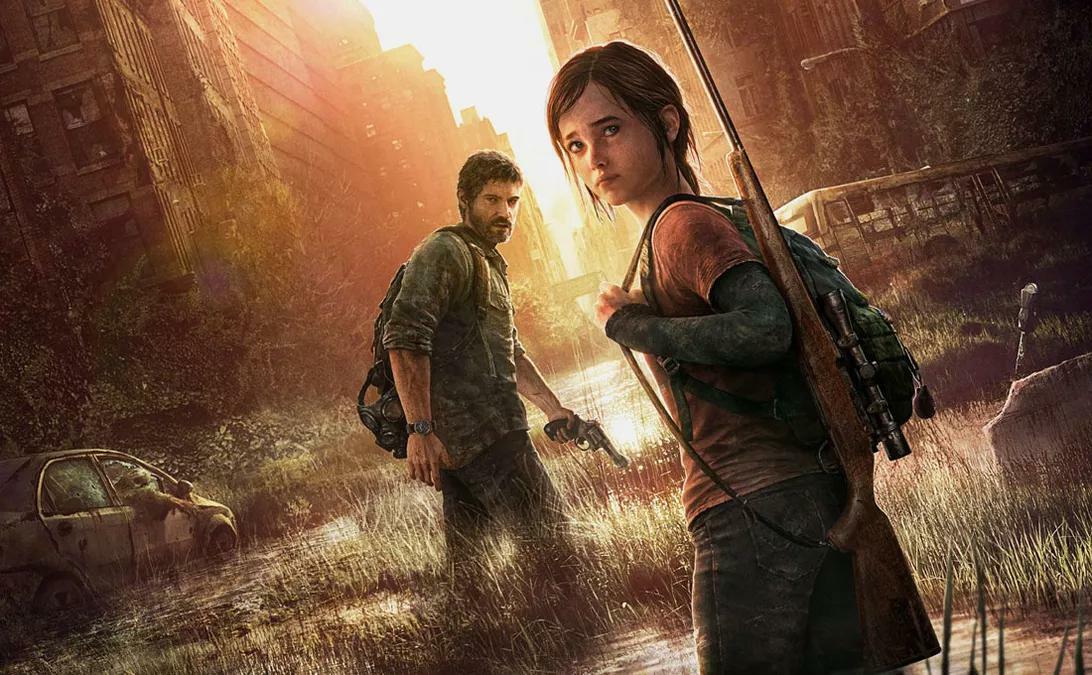
12. The Last Of Us
This game transcended typical video game narratives. Its unflinching portrayal of humanity in a post-apocalyptic world, coupled with deeply nuanced characters and a harrowing story, raised the bar for emotional storytelling in the medium. It proved games could deliver mature, impactful drama on par with film or literature, forcing players to confront difficult moral choices and experiencing profound emotional resonance.