1 / 12
1. Genshin Impact
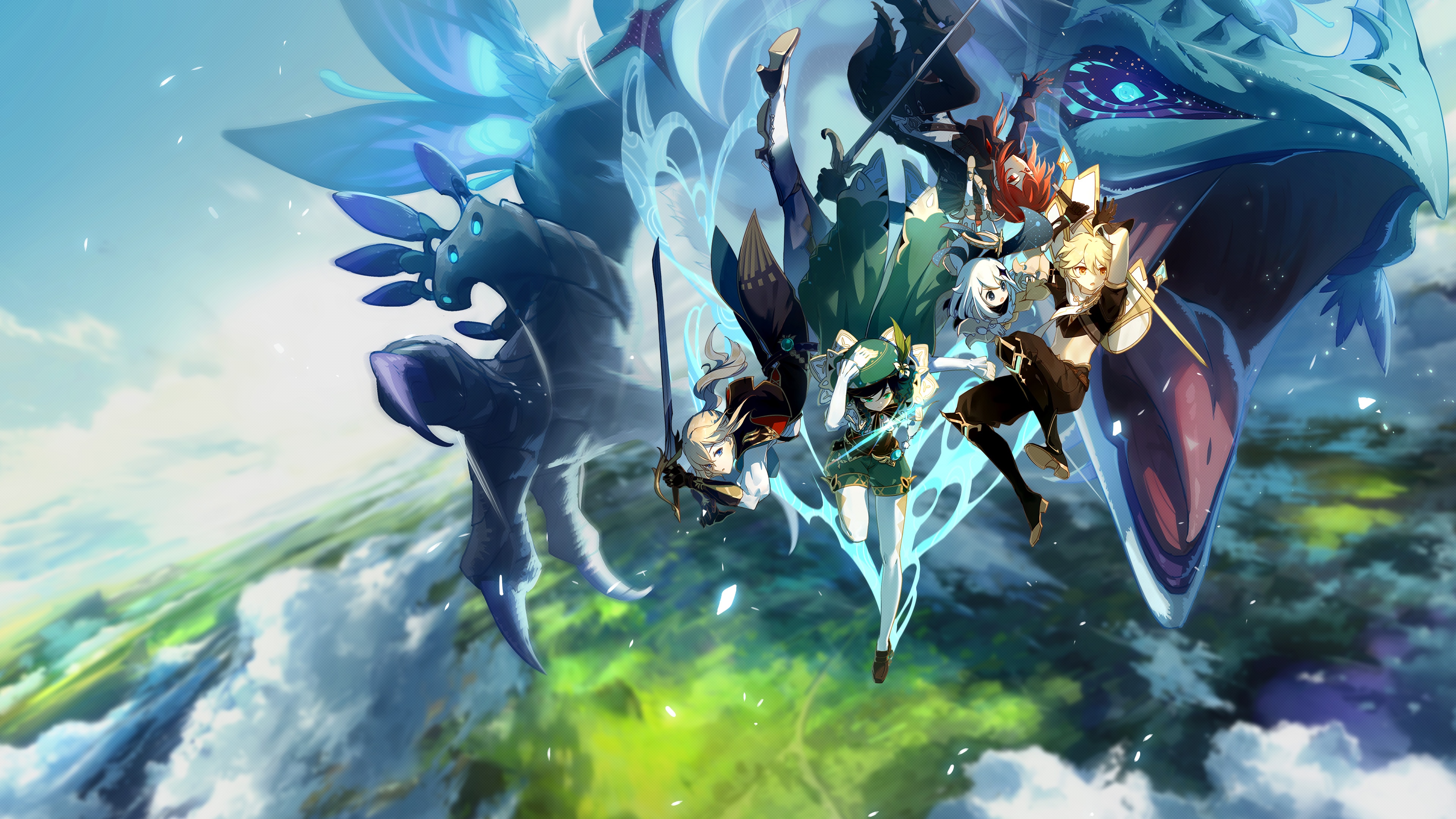
Look, we all saw Breath of the Wild's DNA plastered all over this one, from the gliding and climbing to the art style. But miHoYo took that blueprint, slapped on some anime flair, an open world packed with content, and a dangerously addictive gacha system. And you know what? It worked. Players flocked to it, spending billions. It’s a masterclass in iterating on proven concepts, proving that sometimes, being 'inspired' is just good business.
2 / 12
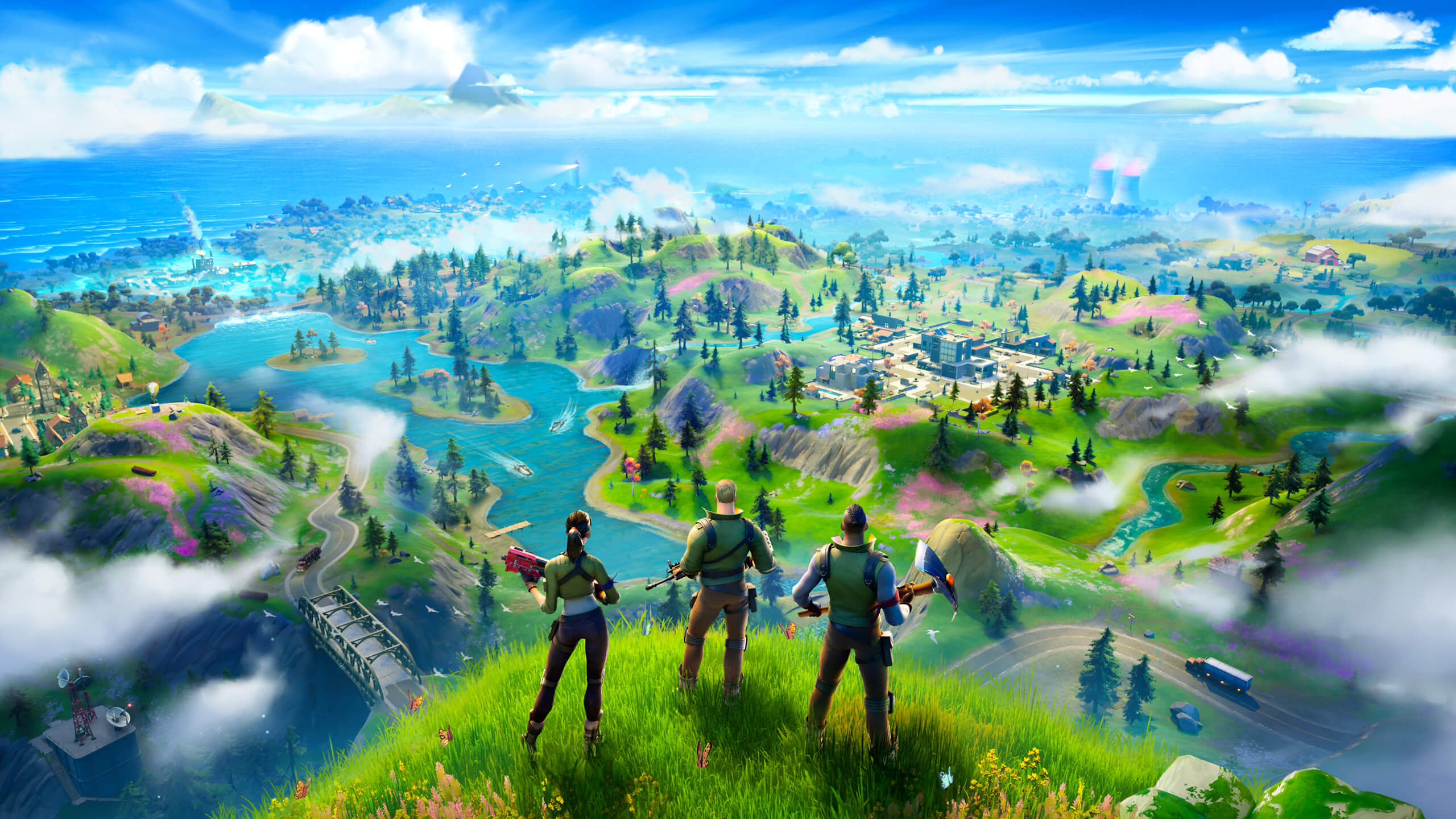
2. Fortnite Battle Royale
PUBG laid the groundwork, but Fortnite built the skyscraper. It wasn't the first battle royale, not even close. But Epic Games pivoted hard, threw in building mechanics, a vibrant cartoon aesthetic, and a relentless content pipeline. It redefined live service, creating a cultural phenomenon that’s still printing money and gobbling up licenses. You can’t deny its genius in execution, even if the core idea wasn't original.
3 / 12
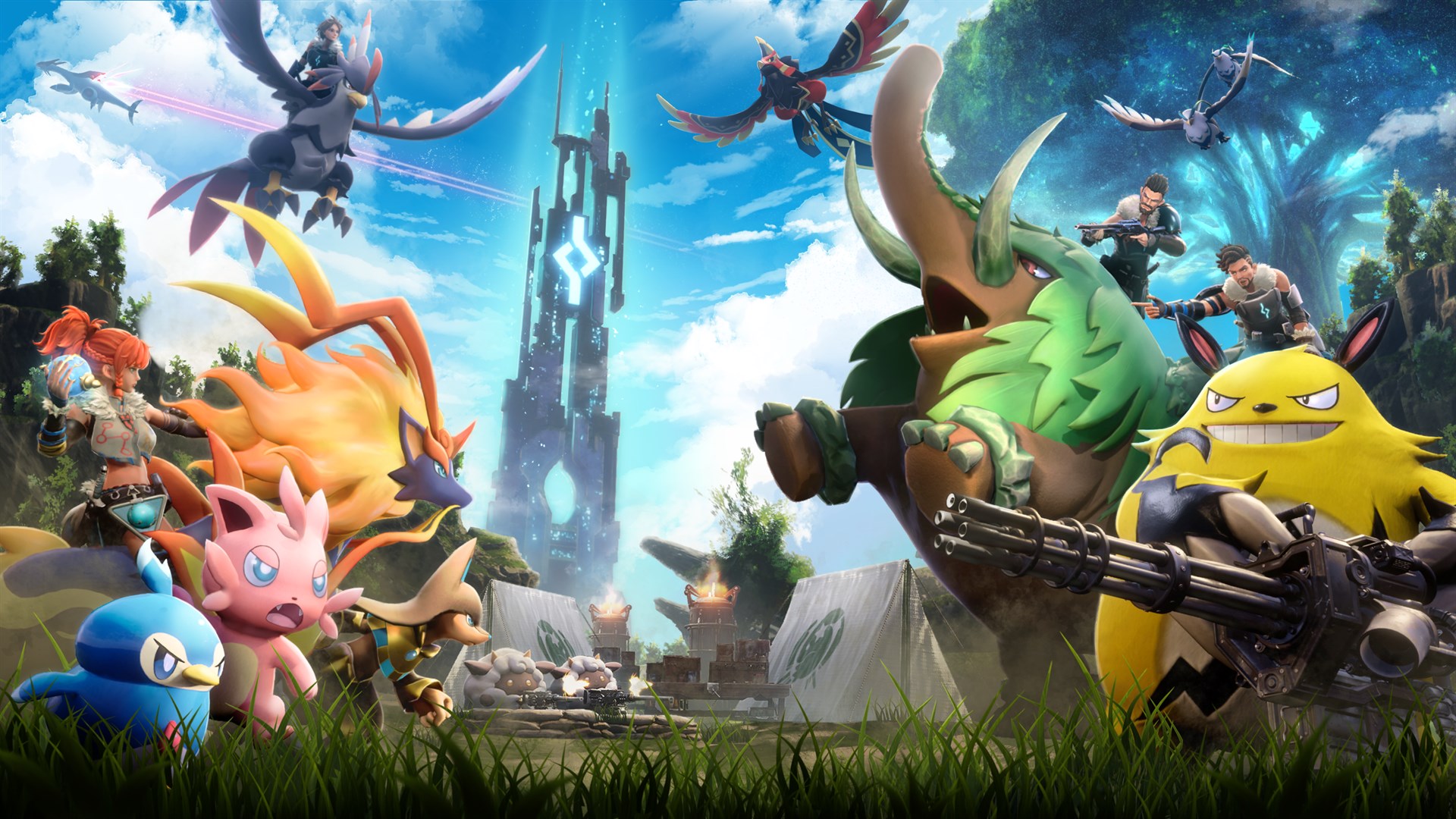
3. Palworld
Ah, the infamous 'Pokémon with guns.' Palworld took creature collecting, survival crafting, base building, and threw them all into a blender with a distinct lack of originality in creature design. Yet, its sheer audacity, coupled with genuinely fun gameplay loops, made it an overnight sensation. The ethical debates around asset flipping and AI generation were loud, but sales talked louder. It's a truly wild success story.
4 / 12
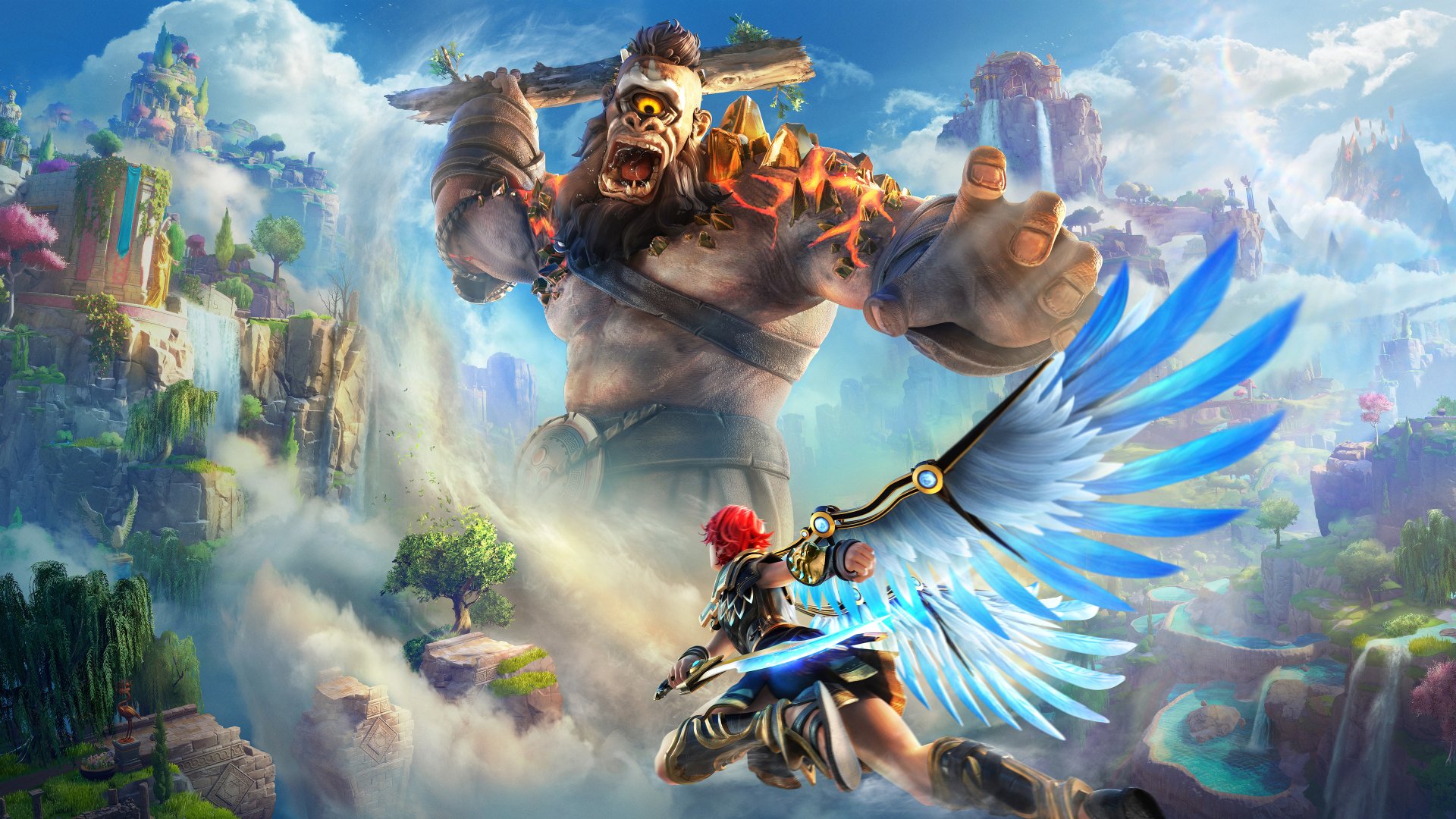
4. Immortals: Fenyx Rising
Another one that looked at Breath of the Wild and said, 'Yeah, we can do that, but with Greek gods and Ubisoft's open-world checklist.' It wasn’t bad, mind you; it was perfectly competent. But it never quite escaped the shadow of its obvious inspiration, feeling more like a very polished fan game than a groundbreaking title. Still, it found its audience who wanted more of that specific flavor.
5 / 12
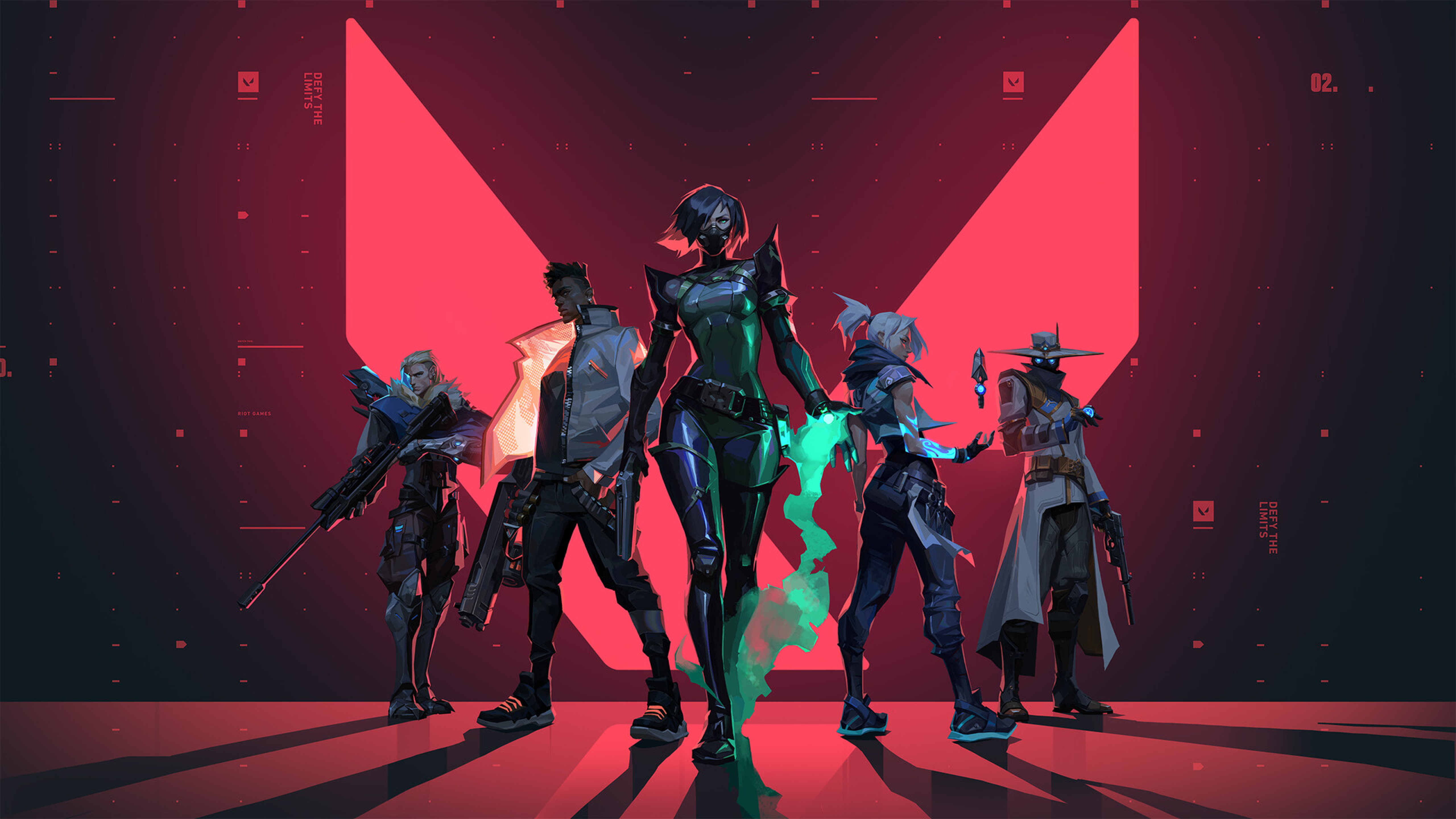
5. Valorant
When Riot Games, the League of Legends behemoth, decided to tackle the tactical shooter genre, everyone knew what they were aiming for: CS:GO’s throne. They brought crisp gunplay, distinct agent abilities à la Overwatch, and a relentless esports focus. The result? A polished, competitive shooter that grabbed a massive slice of the pie. It’s a testament to how execution and a strong competitive ecosystem can win out.
6 / 12
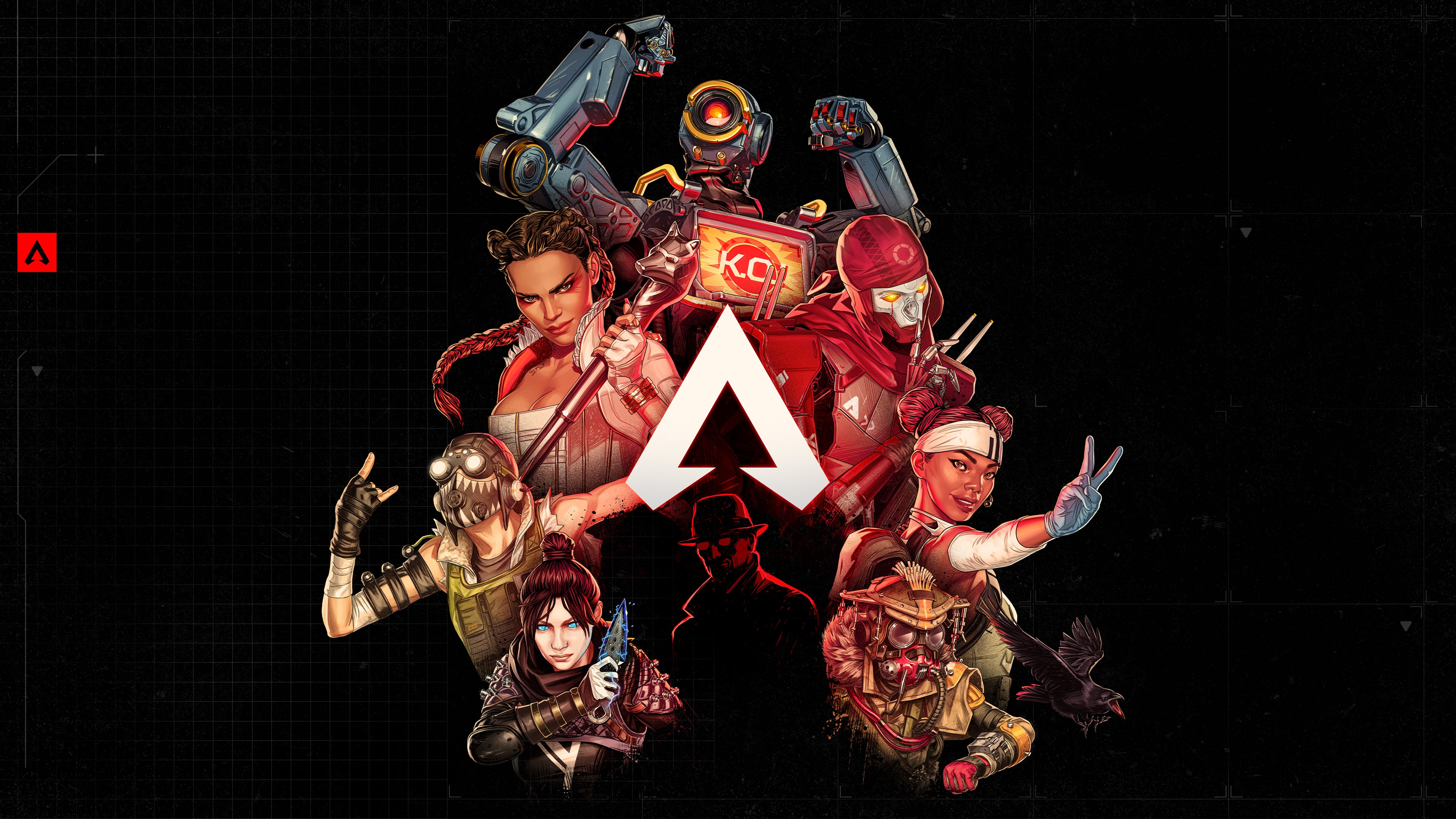
6. Apex Legends
Respawn Entertainment had Titanfall's incredible movement and gunplay, but the series struggled. Then they dropped Apex Legends, a free-to-play battle royale that injected character abilities and a revolutionary ping system into the genre. It felt fresh, fast, and incredibly satisfying. While it borrowed the BR concept, it innovated enough to stand tall, proving that smart iteration can lead to massive success.
7 / 12
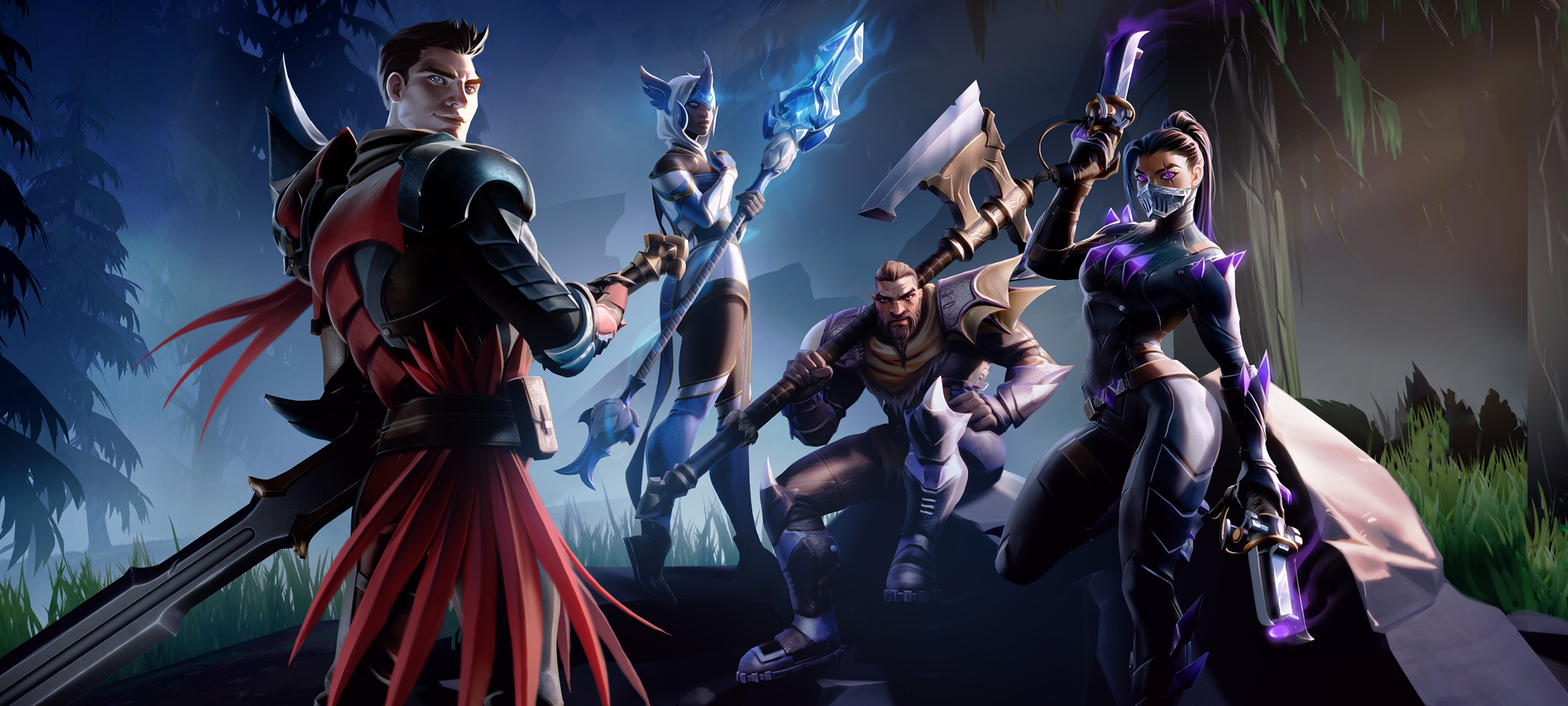
7. Dauntless
If you wanted Monster Hunter but preferred a free-to-play model and a more stylized, less grindy experience, Dauntless was your answer. Phoenix Labs streamlined the core loop of hunting massive beasts, crafting gear, and chasing bigger challenges. It didn't reinvent the wheel, but it democratized the monster-hunting genre for a wider audience, especially those on consoles without a hefty price tag.
8 / 12

8. Crossfire
Outside of Asia, Crossfire might be a mystery, but in places like China and South Korea, it's a colossal FPS phenomenon. It's effectively Counter-Strike with a heavy dose of microtransactions and a more accessible, arcadey feel. Smilegate took a proven formula, polished it for specific markets, and created a billion-dollar franchise. Proof that sometimes, just being 'good enough' for a huge audience is all you need.
9 / 12
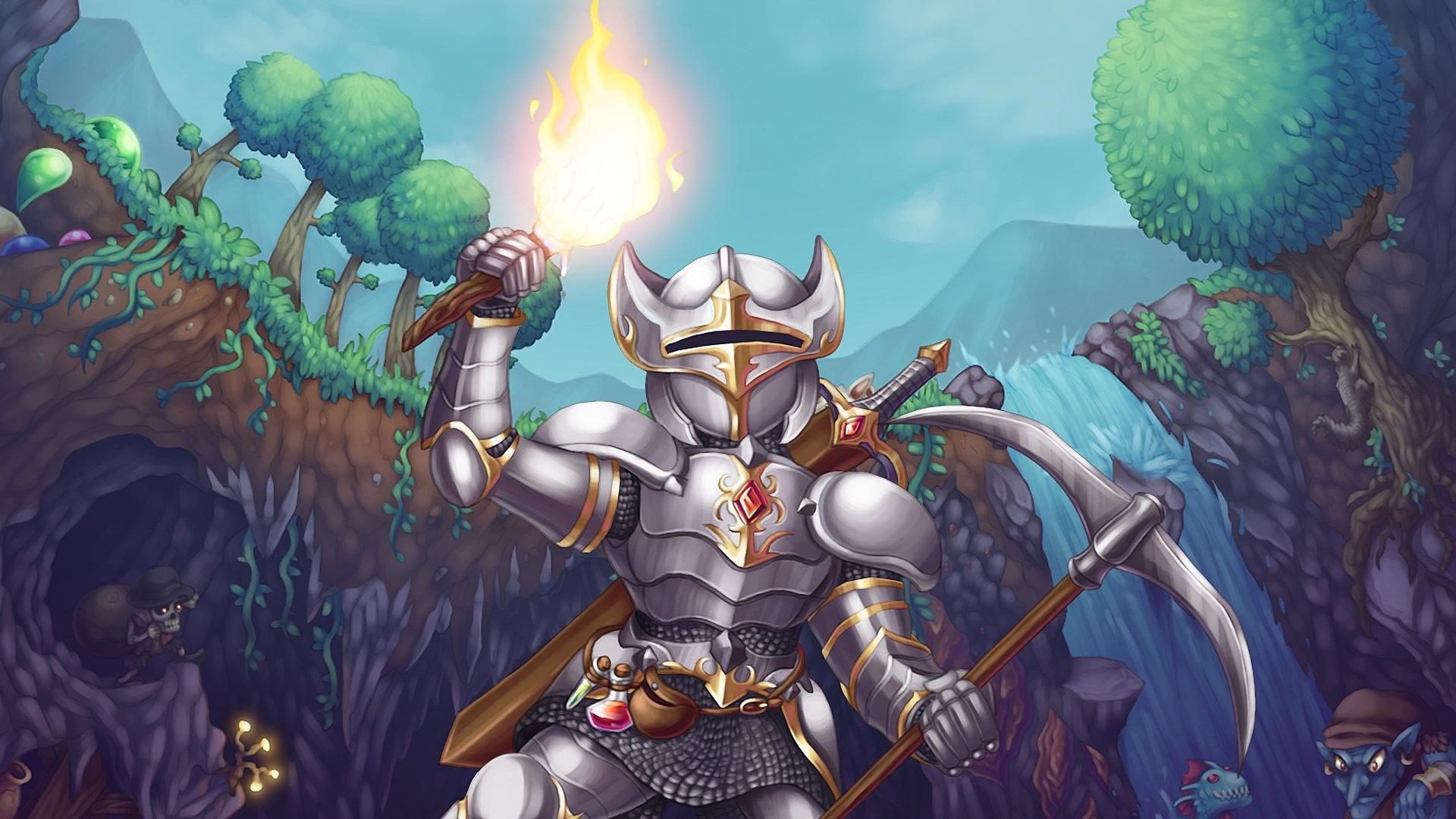
9. Terraria
Often dubbed '2D Minecraft,' Terraria quickly carved out its own identity. Yes, it had block-based building and crafting, but its focus on exploration, deep combat, and an absurd number of bosses set it apart. It’s a masterclass in incremental content updates, constantly adding more to discover. It might have started with a familiar premise, but it evolved into something truly unique and beloved.
10 / 12
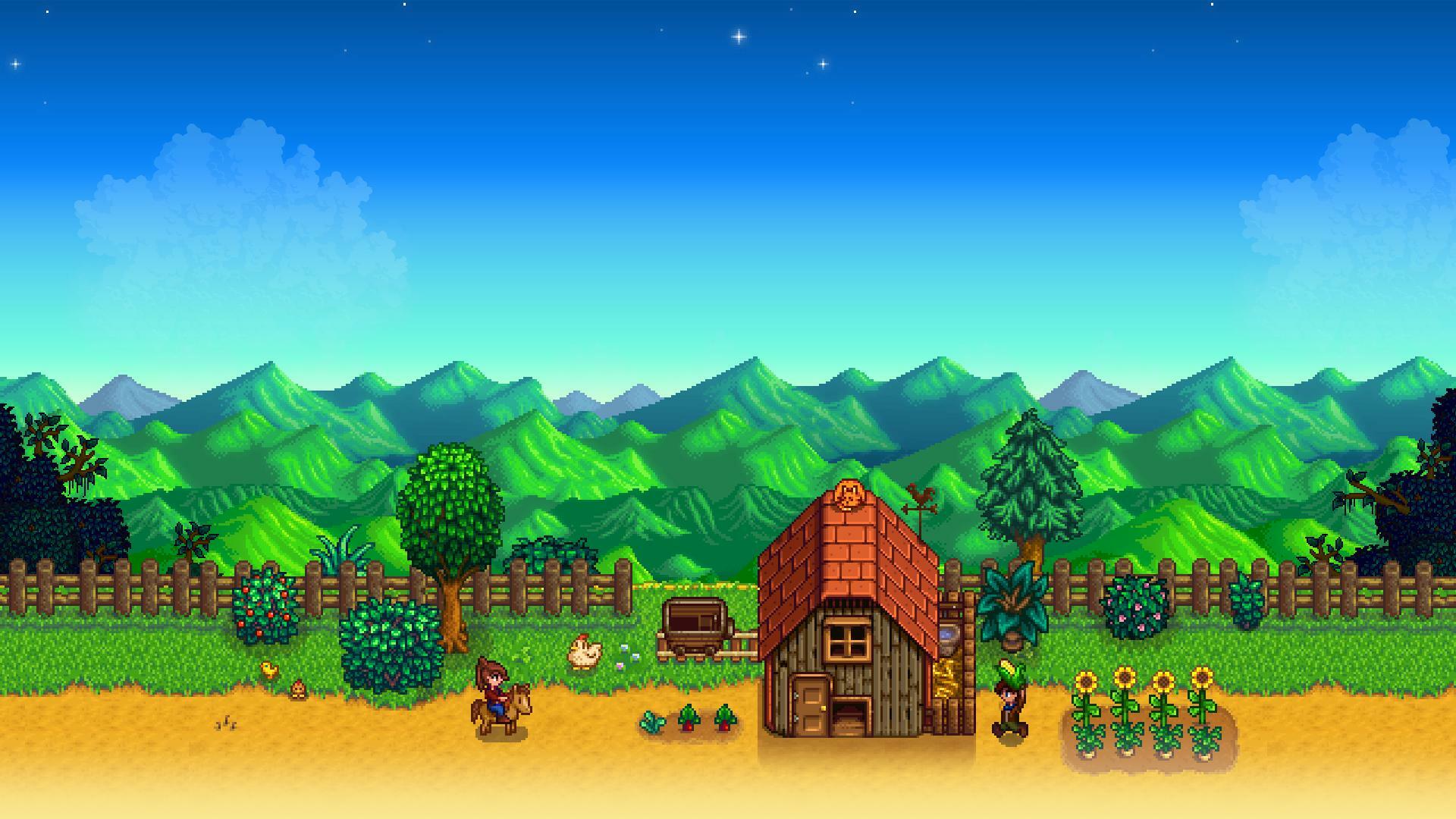
10. Stardew Valley
Eric Barone, one man, saw the magic of Harvest Moon and thought, 'I can do that, and better.' Stardew Valley isn't just a clone; it's a love letter that perfected the farming sim genre. It expanded on every mechanic, added depth, charm, and an endless stream of content. It became the gold standard, showing that passion and thoughtful iteration can elevate a familiar concept into an undisputed classic.
11 / 12
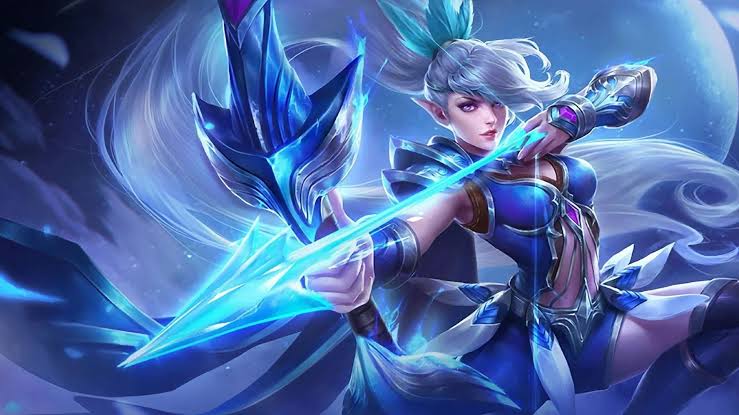
11. Mobile Legends: Bang bang
When Riot was dragging its feet on a mobile League of Legends, Moonton swooped in with Mobile Legends. It was a blatant copy of the MOBA giant, down to character abilities and map layouts. But it launched early, optimized for mobile, and dominated the Southeast Asian market. It proved that first-to-market, even with a 'borrowed' idea, can secure a massive player base and market share.
12 / 12

12. The Day Before
This one tried to borrow *everything* – The Division's aesthetic, DayZ's survival, and Rust's crafting – but ended up delivering nothing. Hype was built on smoke and mirrors, with promises that never materialized. It didn't 'get away with it' in terms of game quality, collapsing spectacularly post-launch. Yet, the developers arguably 'got away with' the initial funding and attention, making it a cautionary tale of over-promising.