

1 / 12
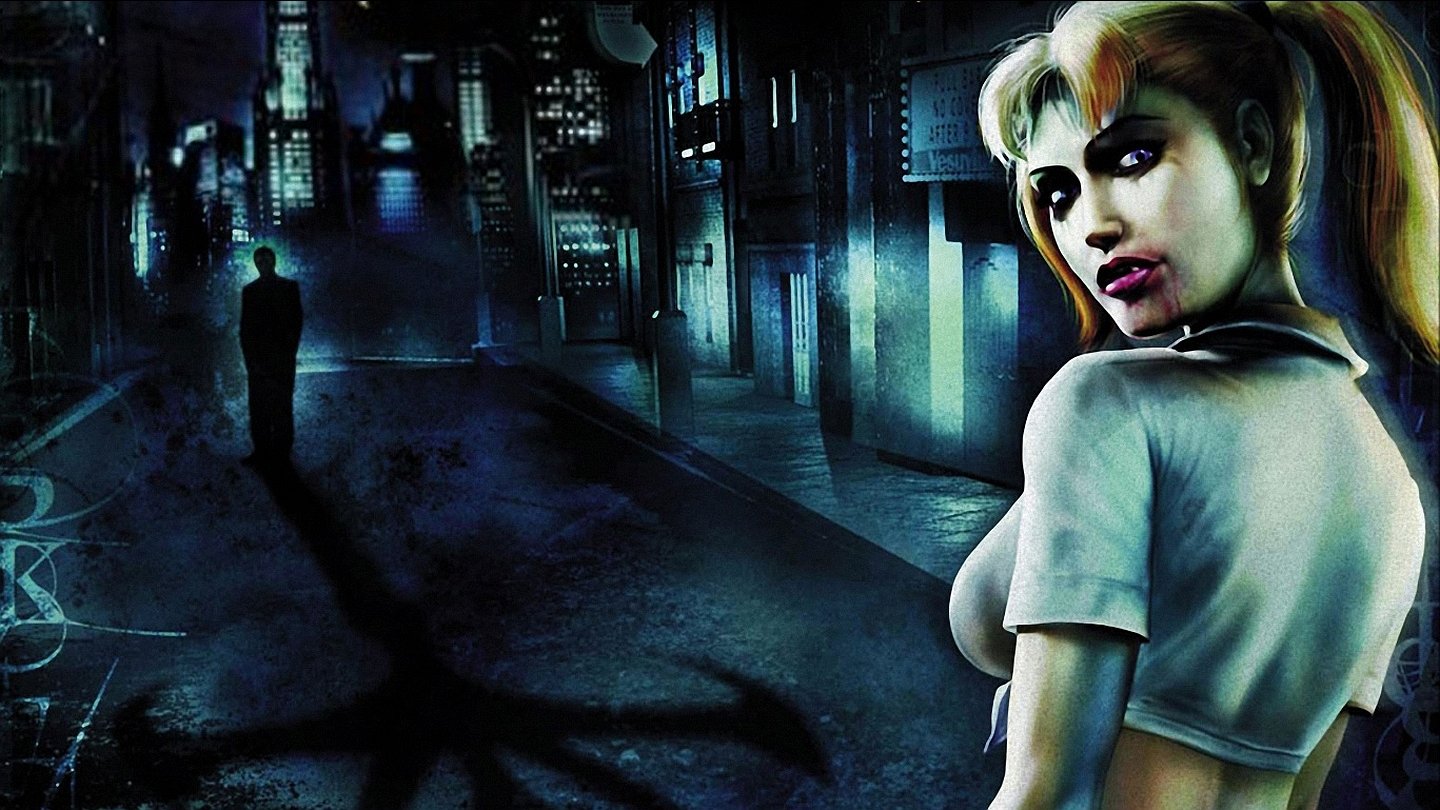
1. Vampire: The Masquerade - Bloodlines
This game was a buggy mess at launch in 2004, a testament to industry pressure over polish. Yet, its unparalleled writing, deep RPG choices, and gritty urban fantasy atmosphere made it a cult classic. Players still patch it today because its character interactions and world-building offered something truly special. It showed that soul often outweighs technical perfection, a lesson modern publishers frequently forget chasing safe, iterative releases.
2 / 12
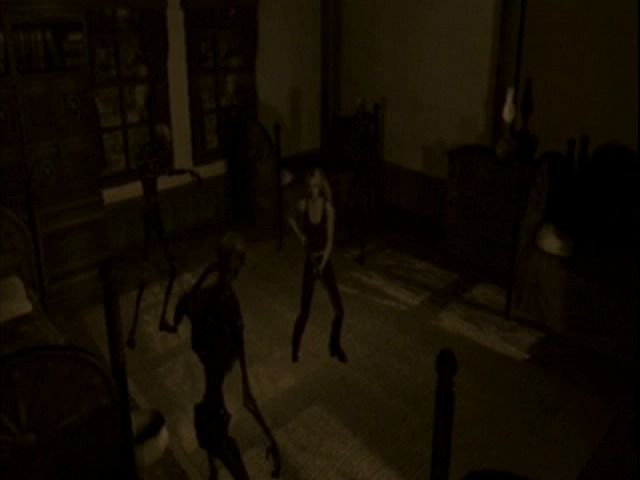
2. Eternal Darkness: Sanity's Requiem
Back in 2002, this GameCube exclusive messed with players' minds like nothing before. Its innovative sanity effects, breaking the fourth wall, were genius. It wasn't just jump scares; it was psychological warfare on the player. The industry loves "innovation" but rarely dares to be this genuinely experimental, often settling for predictable horror tropes instead of pushing boundaries. Truly ahead of its time.
3 / 12
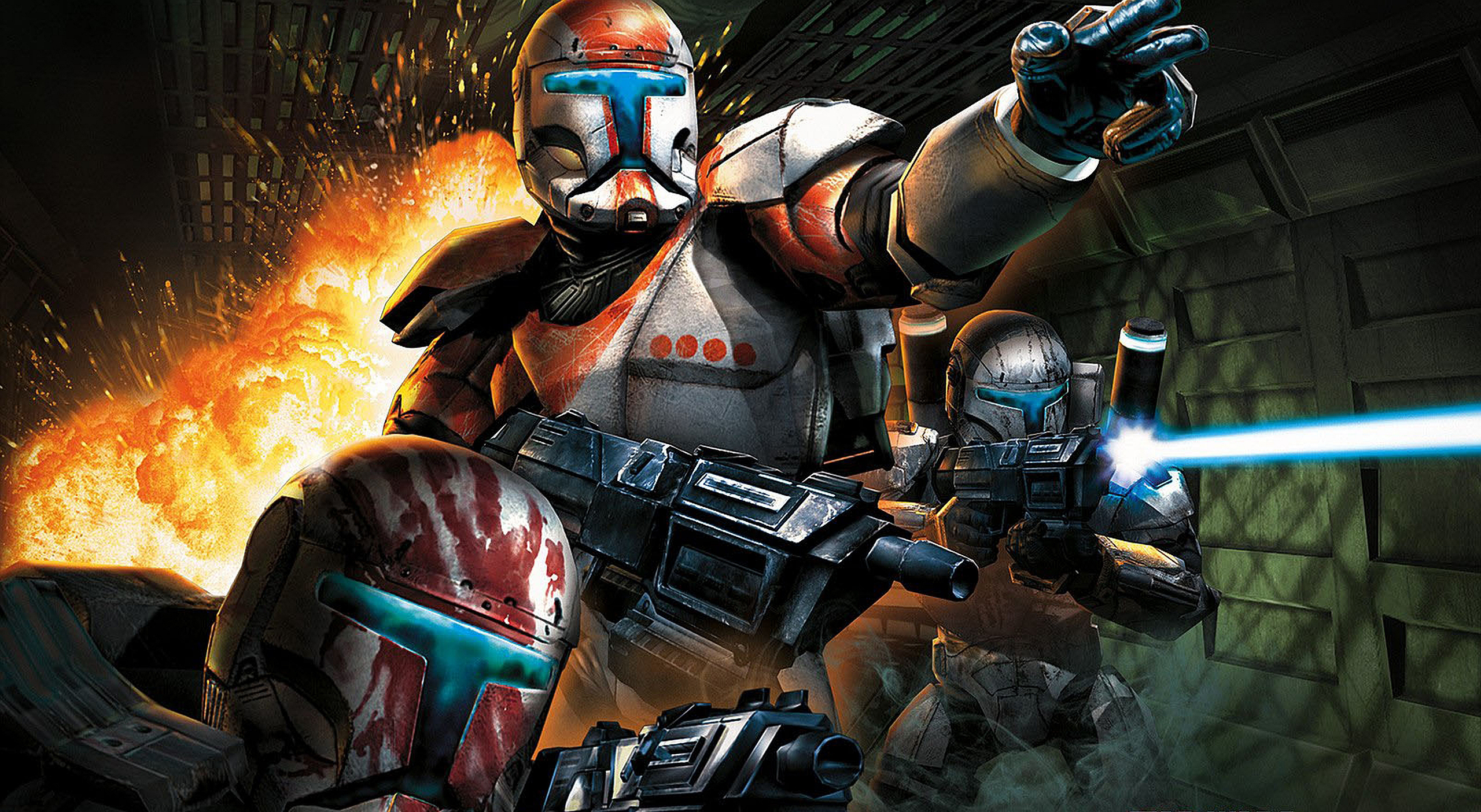
3. Star Wars: Republic Commando
This 2005 tactical FPS delivered a gritty, squad-based Star Wars experience, far removed from Jedi heroics. Delta Squad's banter and the tight command mechanics were fantastic. It proved Star Wars could thrive in a darker, more tactical shooter space. But the industry, especially modern EA/Disney, largely ignored its potential, chasing single-player stories or Battlefront instead of building on this unique foundation.
4 / 12
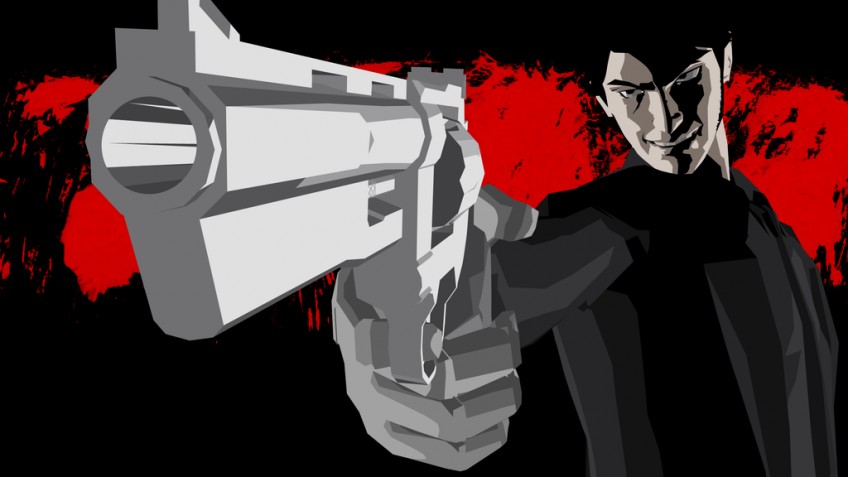
4. killer7
Suda51's 2005 masterpiece was a bizarre, cel-shaded, on-rails fever dream. It was unapologetically experimental, with a fragmented narrative and stark style that challenged conventional game design. Critics were divided, but its audacity and unique artistic vision left an indelible mark. Modern publishers almost never greenlight something this aggressively idiosyncratic, preferring market-tested formulas over genuine, provocative art.
5 / 12
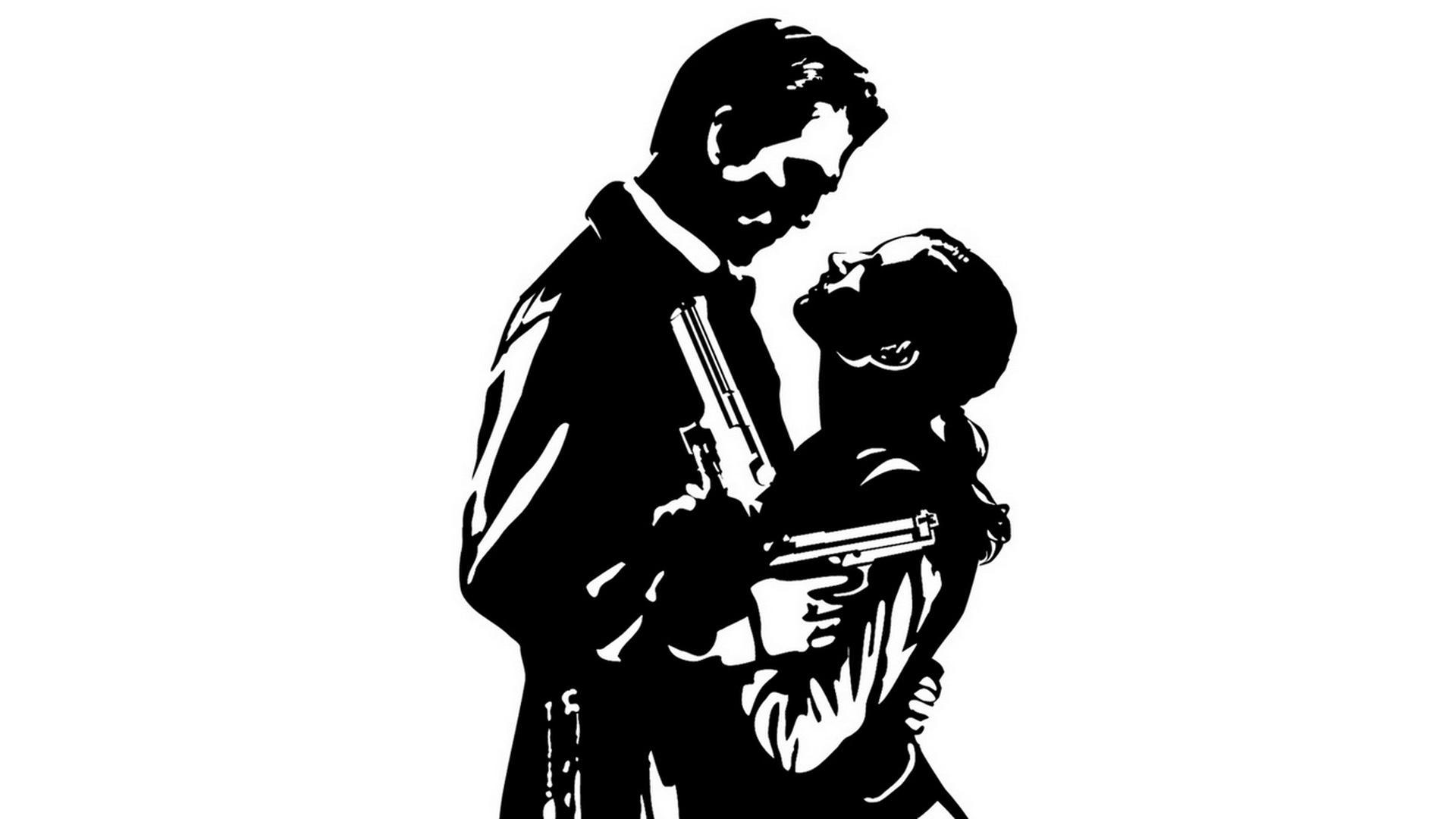
5. Max Payne 2: The Fall of Max Payne
Remedy perfected the noir narrative and bullet-time action in 2003. This sequel delivered a hauntingly beautiful, tragic love story amidst slick, cinematic gunfights. It proved that a focused, linear experience with impeccable writing and atmosphere could be far more impactful than sprawling open worlds. Its melancholic tone and tight gameplay remain a benchmark for story-driven action games.
6 / 12
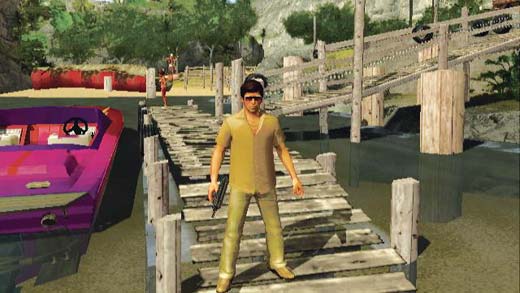
6. Scarface: The World Is Yours
Forget *GTA* clones; this 2006 gem let players rebuild Tony Montana's empire with chaotic, over-the-top violence. It perfectly captured the film's spirit, from the excessive language to the power fantasy of a drug lord. It was pure, unadulterated fun, proving licensed games *could* be great. The industry often shies away from such unapologetically mature themes now, fearing backlash.
7 / 12
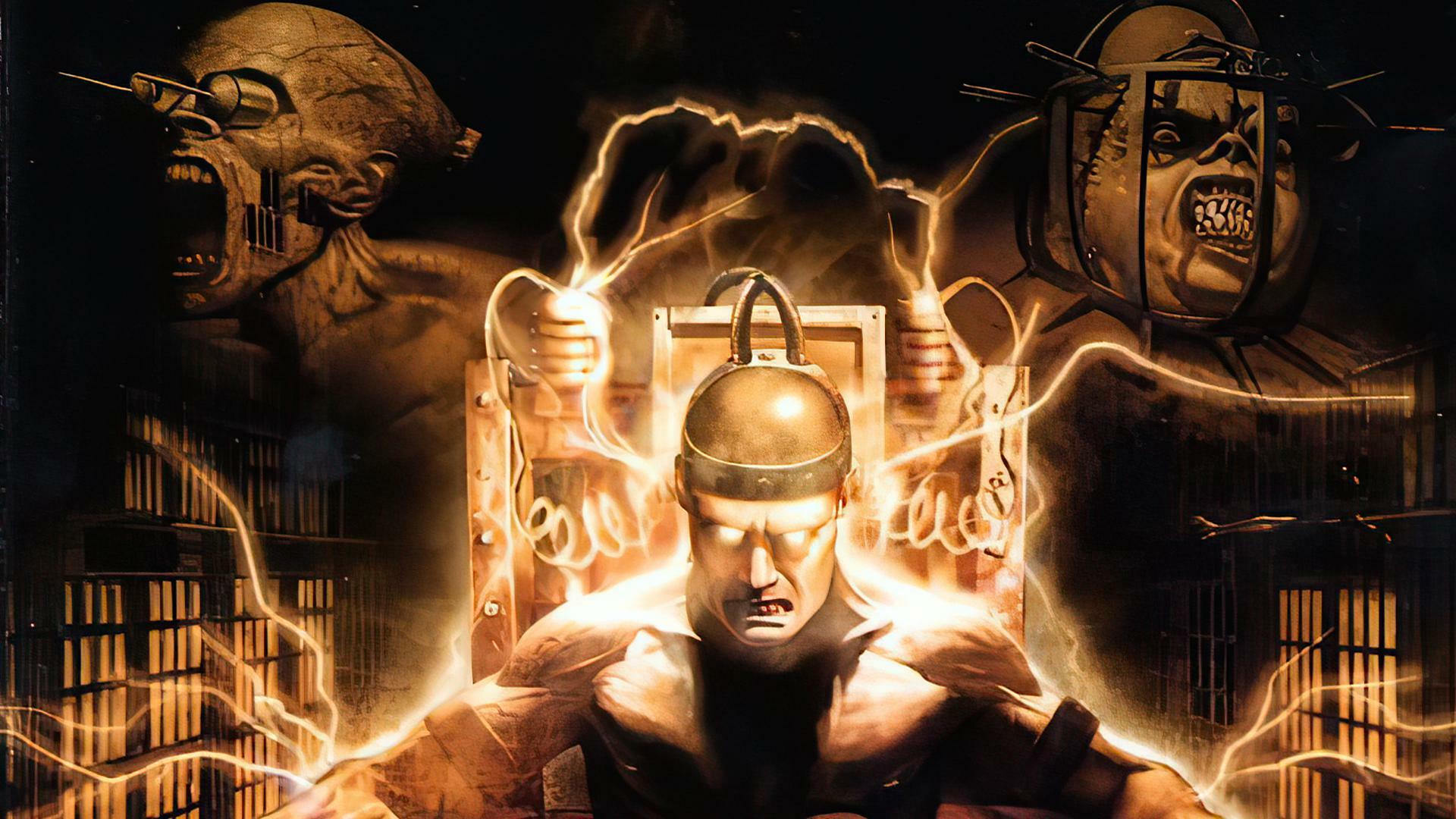
7. The Suffering
This 2004 horror game dug deep into psychological torment, with grotesque creatures born from execution methods and a compelling morality system. It wasn't about cheap jump scares; it was about genuine dread and tough choices. Its dark atmosphere and disturbing narrative were a breath of stale, terrifying air, often overshadowed by more mainstream horror. A truly underappreciated gem in the PS2 era.
8 / 12
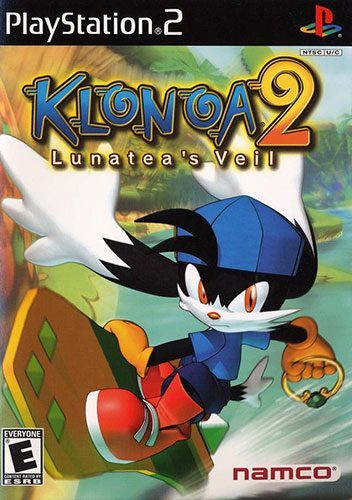
8. Klonoa 2: Lunatea's Veil
A vibrant, charming 2.5D platformer from 2001, Klonoa 2 offered unique perspective shifts and a surprisingly emotional story. Its whimsical art style and clever level design stood out in an era saturated with 3D platformers. It showed the power of focused, imaginative design over pure graphical grunt. Modern publishers rarely invest in such unique, heartfelt platforming experiences, which is a shame.
9 / 12
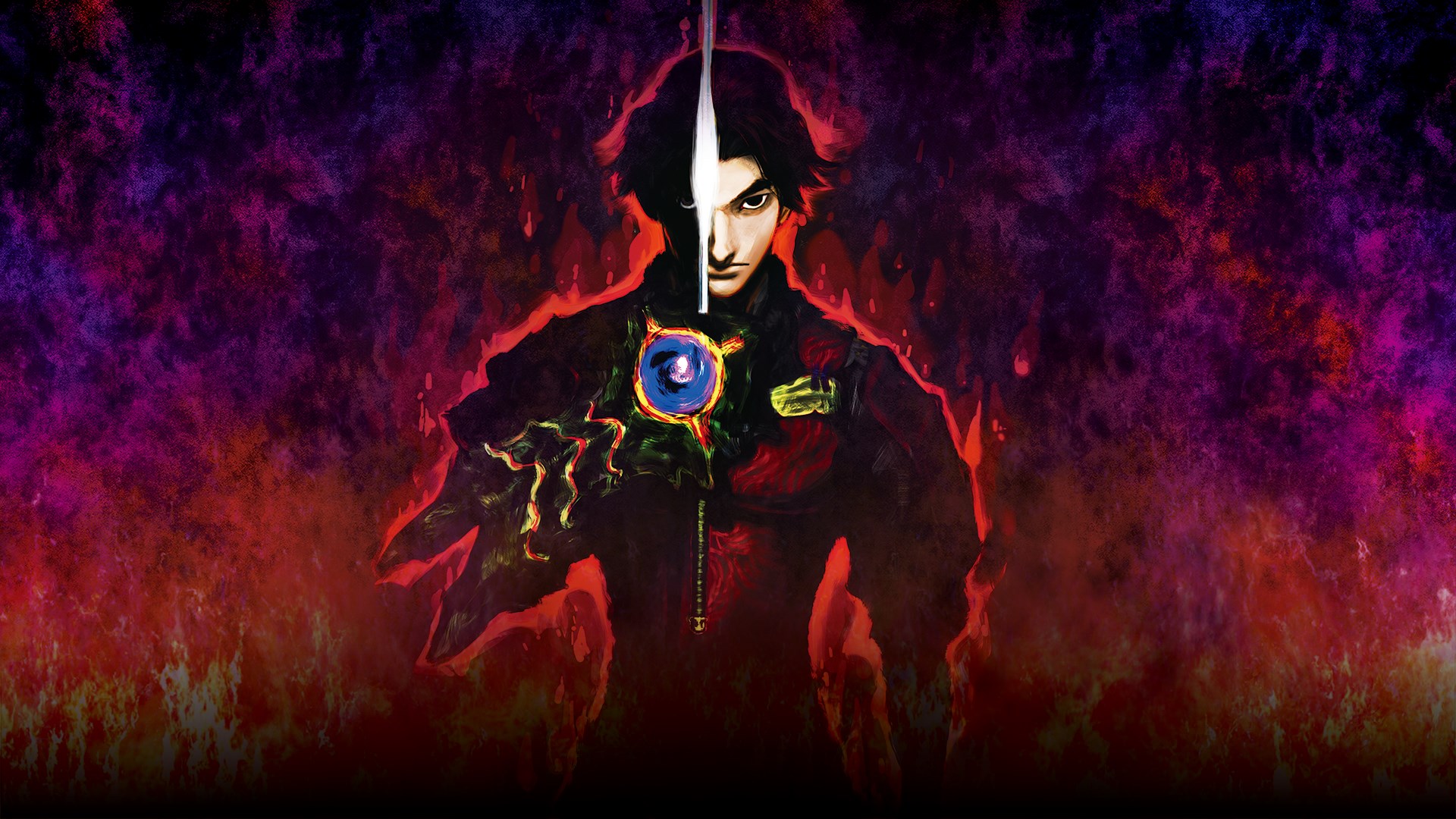
9. Onimusha: Warlords
Capcom's 2001 samurai-zombie hack-and-slash was a stellar blend of *Resident Evil*'s fixed camera puzzles and visceral combat. Slaying demons as a samurai felt incredibly satisfying, and its fast pace was addictive. It launched a great series but never quite got the lasting industry recognition of its horror brethren. A fantastic, action-packed experience that deserved more spotlight.
10 / 12
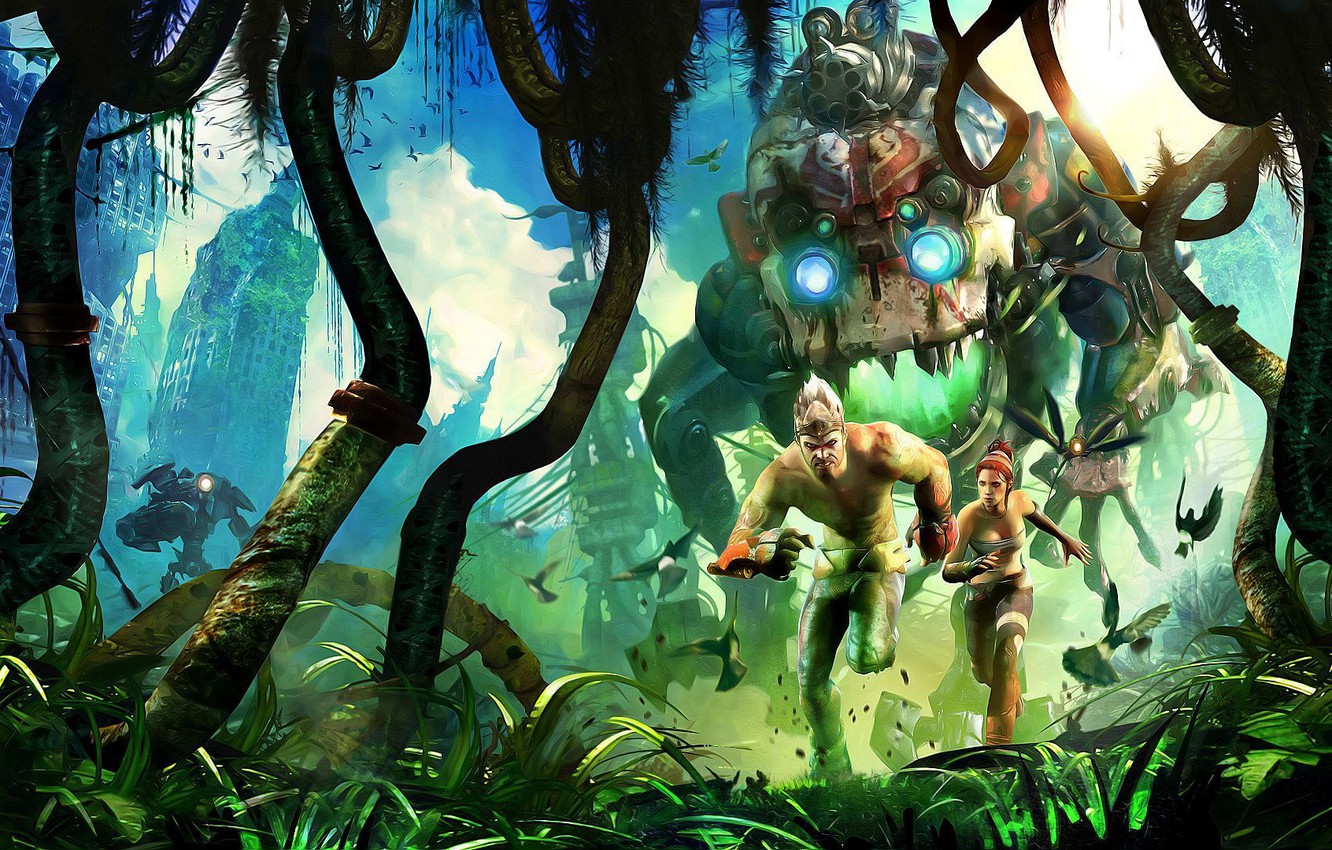
10. Enslaved: Odyssey to the West
Ninja Theory crafted a gorgeous, character-driven adventure in 2010. Its stunning post-apocalyptic world and fantastic chemistry between Monkey and Trip were highlights. This linear, story-focused experience was a refreshing change from sprawling open worlds, proving that strong narrative and character development are paramount. Yet, it struggled for sales, highlighting how the industry often undervalues focused, emotional storytelling.
11 / 12
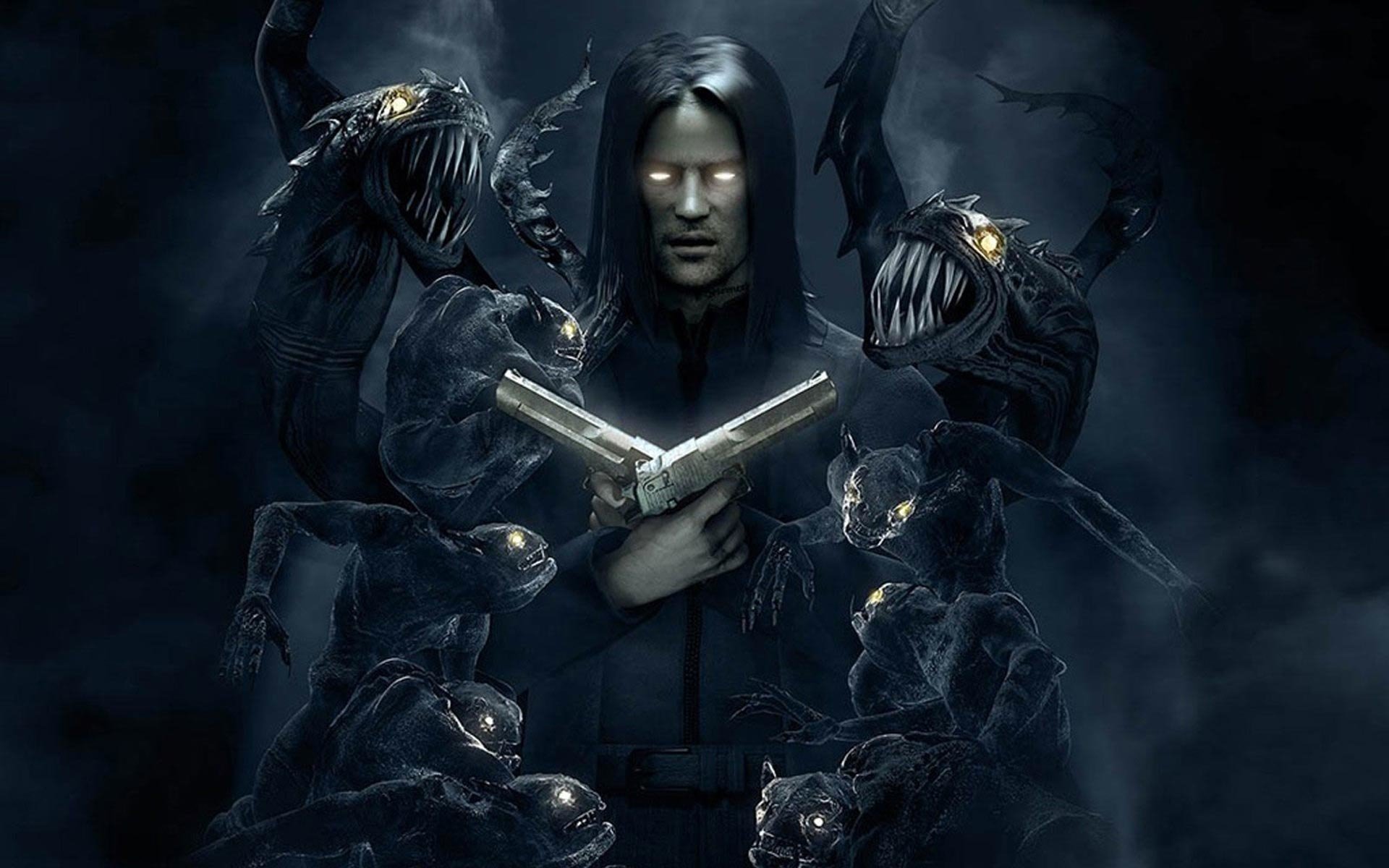
11. The Darkness
Starbreeze delivered a unique FPS in 2007, blending demonic powers with a gritty mob narrative. Jackie Estacado's story was surprisingly mature, and wielding the Darkness offered creative, brutal combat. It stood out in a crowded shooter market with its strong atmosphere and unconventional mechanics. The industry could learn from its bold narrative choices instead of endlessly rehashing military shooters or battle royales.
12 / 12
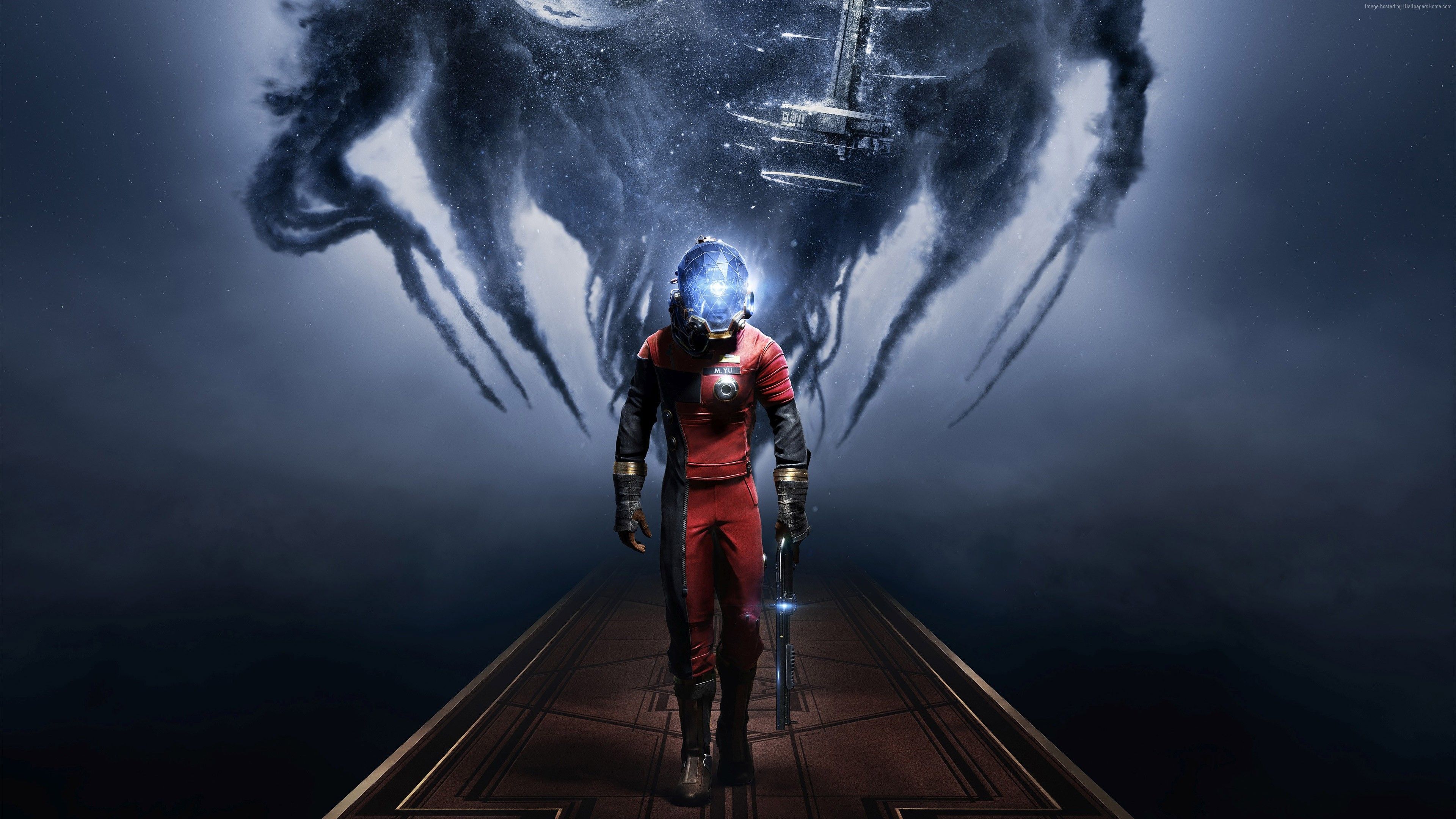
12. Prey
Arkane's 2017 immersive sim was a masterclass in environmental storytelling and player agency. Set on a derelict space station, it rewarded exploration and clever improvisation, offering deep systems and a genuinely unsettling atmosphere. It's a spiritual successor to *System Shock* that felt both fresh and familiar. Modern games often shy away from such complex, non-linear design in favor of accessibility.