


1. Spec Ops: The Line
Remember when shooters actually questioned your actions instead of just handing you another killstreak? Spec Ops: The Line didn't just tell a story; it ripped apart the entire genre's glorification of violence, forcing you to confront the horrific consequences of your decisions. Modern military games just put you in another focus-tested sandbox with a battle pass, utterly missing the point this game made over a decade ago. It’s a gut punch, not a power fantasy.
2. Tyranny
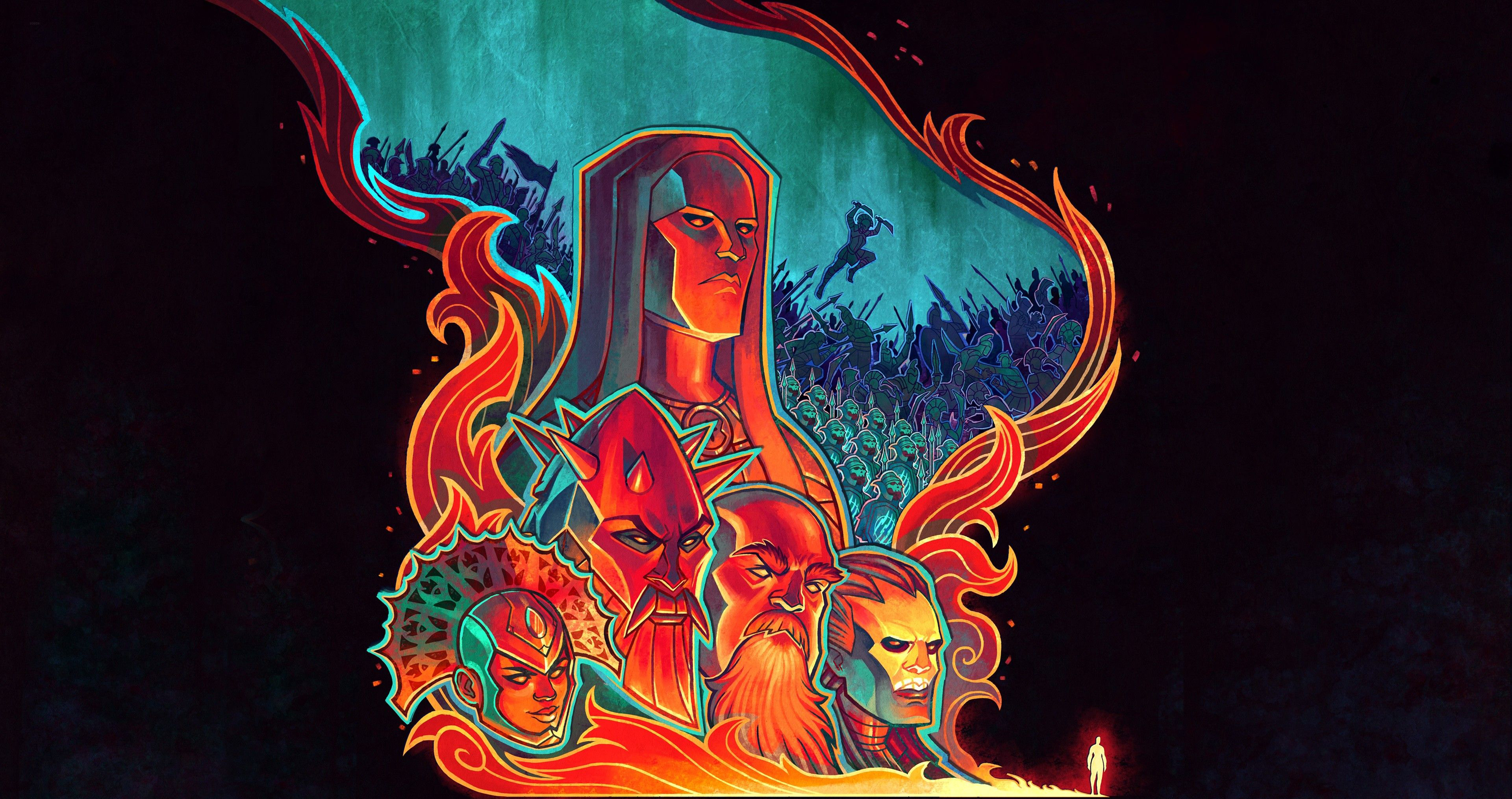
Tyranny flipped the script on traditional RPGs, letting you be the bad guy in a world already conquered by evil. Your choices weren't about saving the world, but about how you'd oppress it. It delivered deep, meaningful consequences and character building that most modern RPGs, chasing endless open worlds and monetization, just can't touch. It proved that narrative depth and player agency didn't need a thousand hours of fetch quests.
3. Enslaved: Odyssey to the West
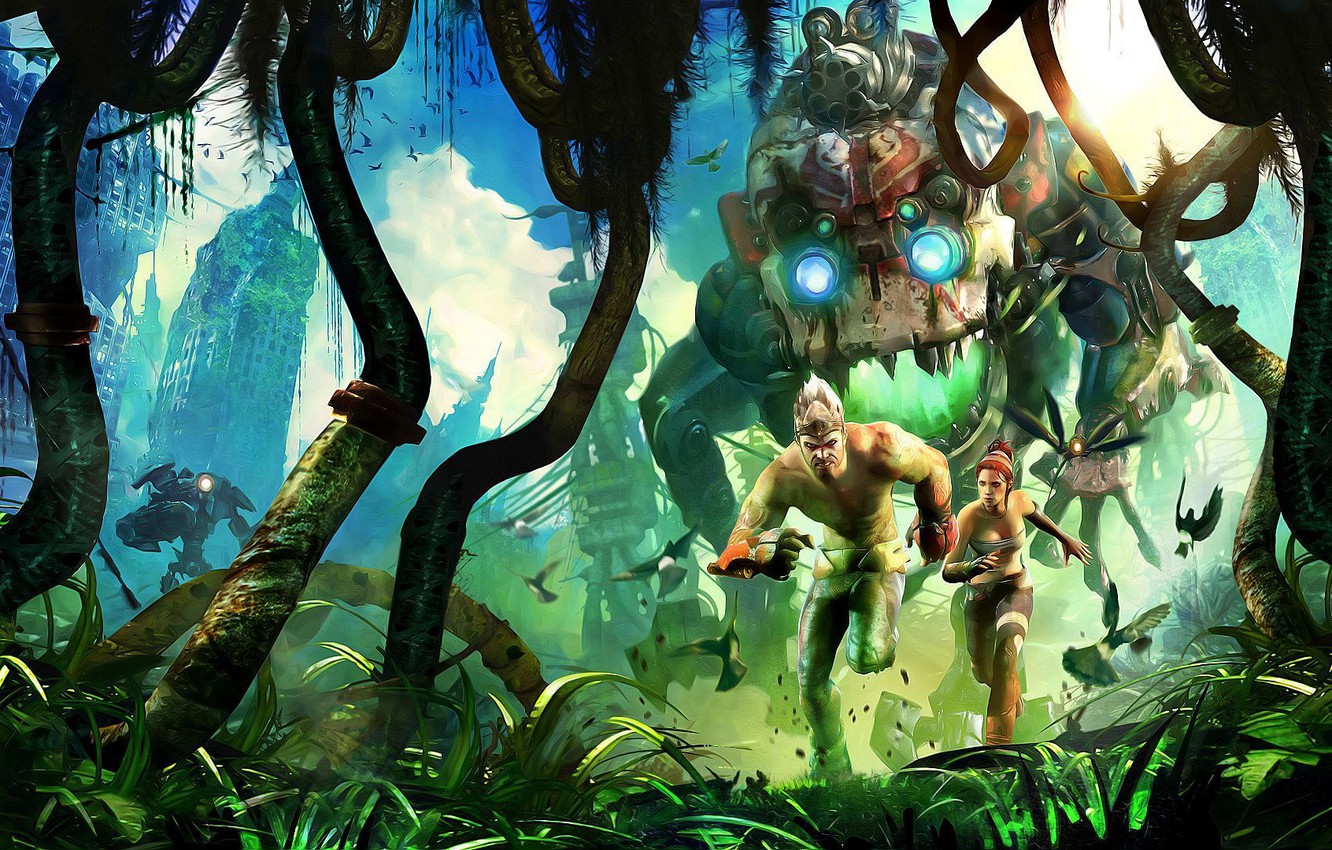
Enslaved was a masterclass in character-driven storytelling, with Monkey and Trip's dynamic carrying a genuinely affecting journey through a post-apocalyptic world. Its linear design allowed for focused narrative beats and stunning environmental art, something many bloated open-world games lose sight of. It showed that sometimes, a tightly woven, emotional adventure beats endless map icons and repetitive side quests any day.
4. Grim Fandango
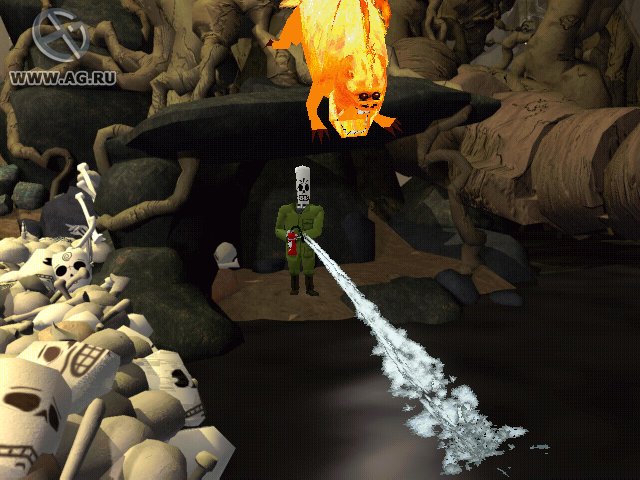
Grim Fandango, a genuine LucasArts masterpiece, oozed style and wit, blending film noir with Mexican folklore in a way nobody else has dared since. Its sharp writing, memorable characters, and clever puzzles felt like a true adventure, not just a series of button prompts. It’s a stark reminder that creativity and unique vision can build worlds far more compelling than any photorealistic, procedurally generated landscape today.
5. Prey
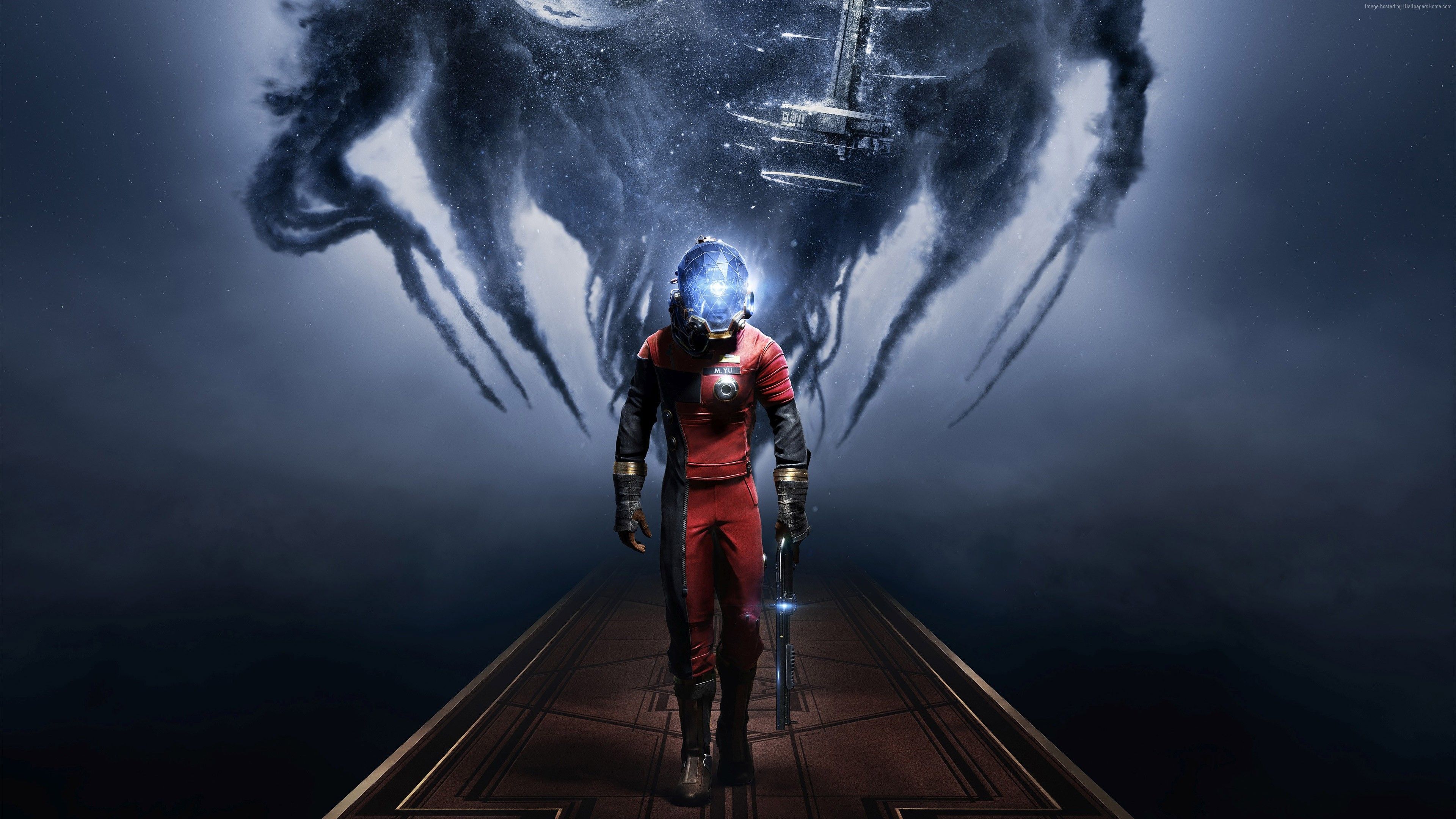
Arkane's Prey was an immersive sim done right, a masterclass in systemic gameplay and environmental storytelling. It respected player intelligence, offering multiple solutions to every problem, letting you truly experiment. Modern "blockbusters" often just funnel you down a single path, mistaking spectacle for substance. Prey still stands as a testament to emergent gameplay and intricate level design, a far cry from today's hand-holding tutorials.

6. The Talos Principle
The Talos Principle dared to make you think, not just about its ingenious puzzles, but about consciousness, existence, and what it means to be human. It proved that deep philosophical themes could coexist with engaging gameplay, all without a single microtransaction or tacked-on multiplayer mode. Many modern games offer escapism; Talos offered introspection, something far more valuable and rare.
7. Vanquish
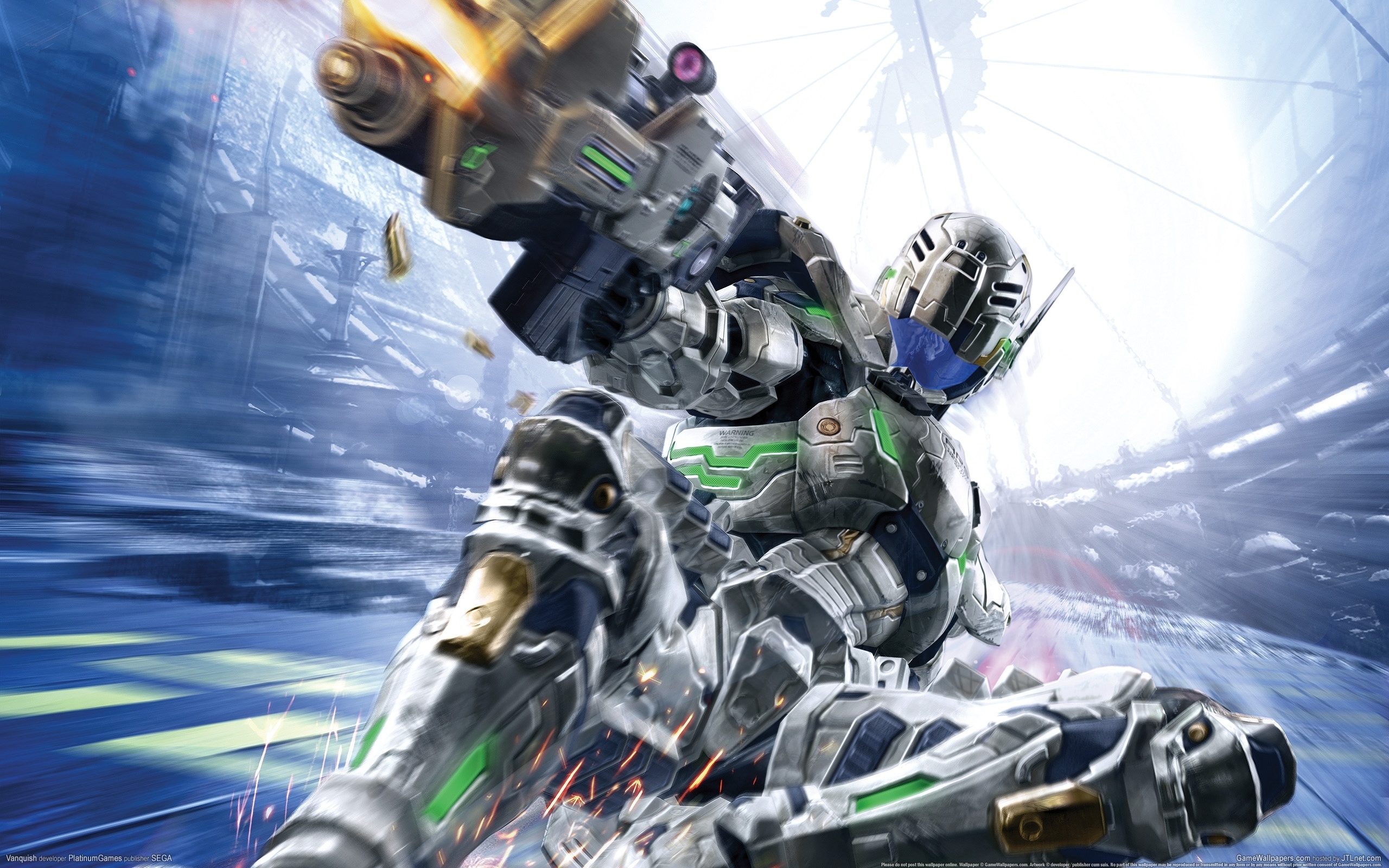
Vanquish was pure, unadulterated adrenaline, a lightning-fast shooter with a distinct Japanese arcade sensibility that most Western developers wouldn't touch. Its sliding, boosting combat system was fluid, flashy, and incredibly satisfying, focusing purely on mechanical mastery and over-the-top action. It’s a sharp contrast to today's cover-shooter dominance, proving that innovation in movement and combat can still be king.
8. Anachronox
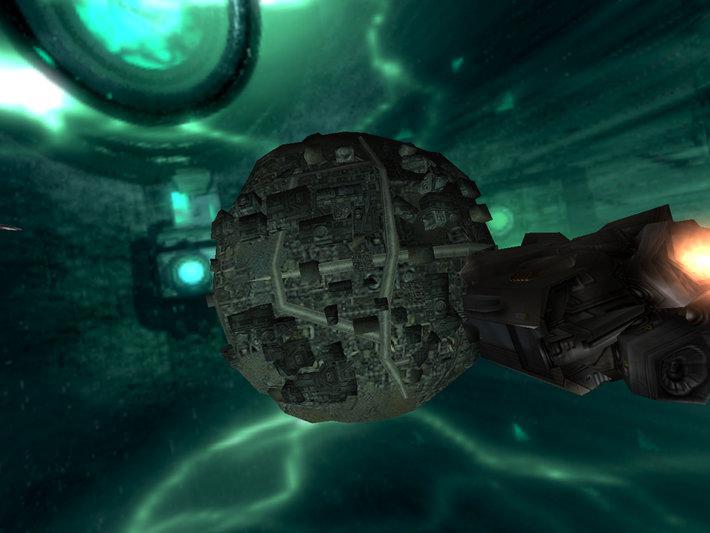
Anachronox was ahead of its time, a wildly ambitious sci-fi RPG from the minds behind Daikatana (yes, really). It had a bizarre, compelling universe, smart writing, and a unique take on turn-based combat. Though technically flawed, its sheer imaginative scope and refusal to conform to genre norms make it shine against today's risk-averse, focus-grouped RPGs. It’s a testament to creative freedom, even if it cost the studio.

9. Resonance of Fate
Resonance of Fate, or End of Eternity as some know it, was an incredibly stylish JRPG that threw out the rulebook for combat. Its intricate, acrobatic gunplay system was challenging and deeply rewarding once mastered, demanding strategy over button mashing. In an era of increasingly simplified RPG mechanics, it dared to be complex, offering a unique vision that modern, homogenized JRPGs rarely attempt.

10. Arx Fatalis
Before Dishonored, Arkane gave us Arx Fatalis, a dungeon crawler that emphasized immersive sim principles. Its innovative rune-drawing magic system and deep environmental interactivity were groundbreaking, encouraging player creativity in a dark, oppressive world. It felt like a true, lived-in fantasy, a stark contrast to many of today's procedurally generated, bland open-world RPGs that prioritize quantity over genuine player agency.
11. Binary Domain
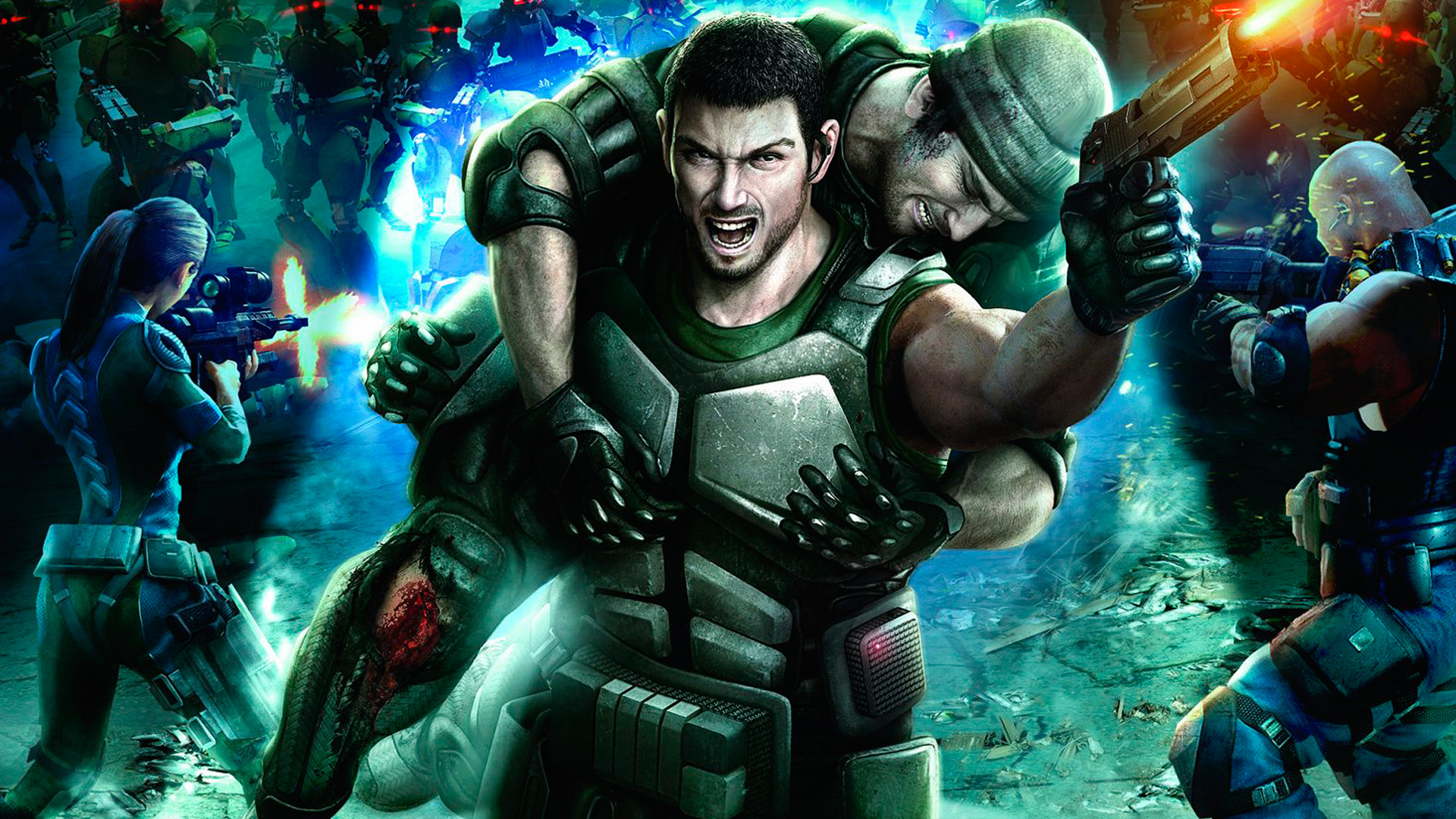
Binary Domain was a surprisingly thoughtful third-person shooter from the Yakuza studio, focusing on a robust AI squad system and a compelling narrative about humanity versus artificial intelligence. Its "consequence system" where your squad reacted to your actions was ahead of its time. It proved that even a bombastic action game could deliver genuine emotional beats and character development, unlike many modern shooters content with forgettable protagonists.
12. The World Ends With You DS
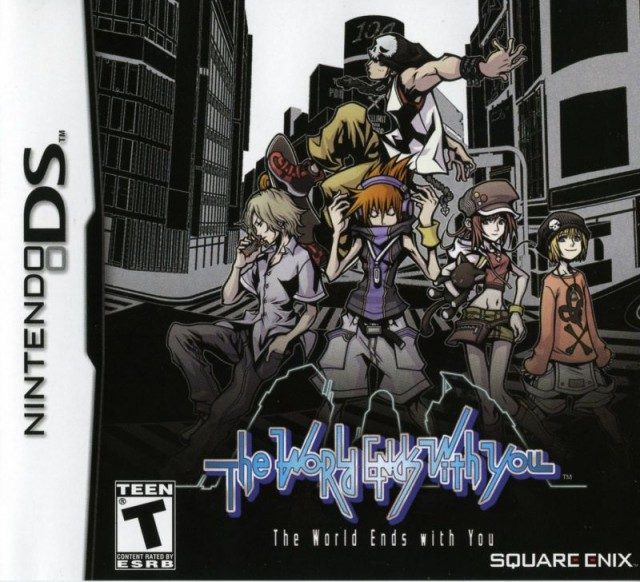
The World Ends With You on DS was pure, unadulterated style, a JRPG that perfectly blended Shibuya street culture with a genuinely innovative dual-screen combat system. Its narrative was sharp, its characters memorable, and its soundtrack iconic. It dared to be different, offering an experience so unique that modern, often generic, JRPGs struggle to replicate its bold artistic vision and unconventional mechanics. It was a risk that paid off beautifully.