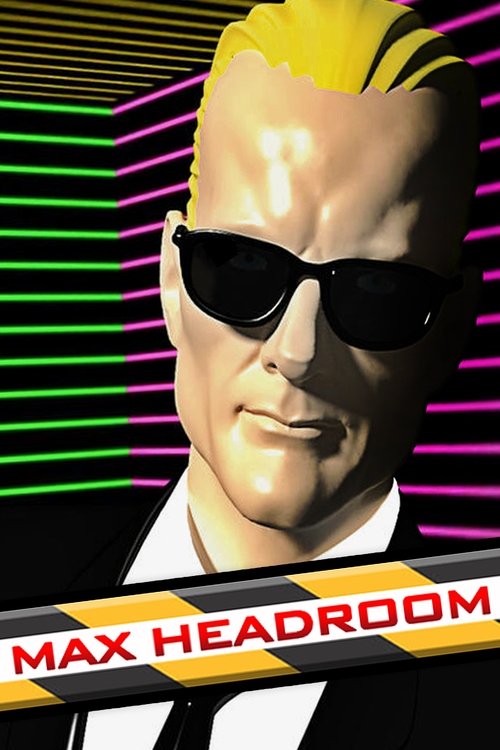
1. Max Headroom
Remember when TV tried to talk back? Max Headroom wasn't just a glitchy talking head, it was a neon-soaked, proto-cyberpunk nightmare of corporate control and media overload. That stuttering, digitized persona, crafted with practical effects, felt like the future screaming at you through a broken screen. It was too smart, too weird, too aggressively stylish for the mainstream, a true punk rock broadcast that predicted our screen-addicted present with unnerving accuracy. This wasn't some polished space opera; it was raw, unsettling, and gloriously analog.
2. The Prisoner
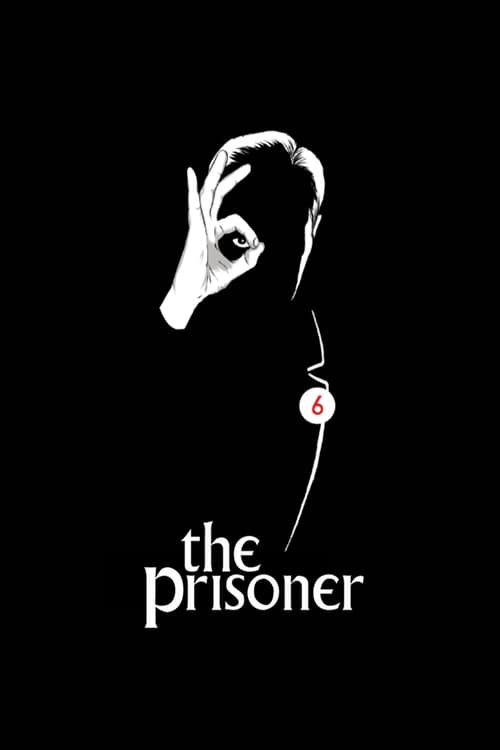
The Prisoner wasn't just a show; it was a Cold War fever dream, a psychological labyrinth wrapped in pastel aesthetics. Patrick McGoohan's Number Six, perpetually trying to escape "The Village," delivered an existential punch that few shows dared. Its surreal imagery, oddball characters, and relentless questioning of identity and freedom felt like a broadcast from another dimension. This was no simple spy caper; it was a philosophical wrestling match on prime time, a true original that still messes with your head decades later. Be seeing you.
3. Twin Peaks
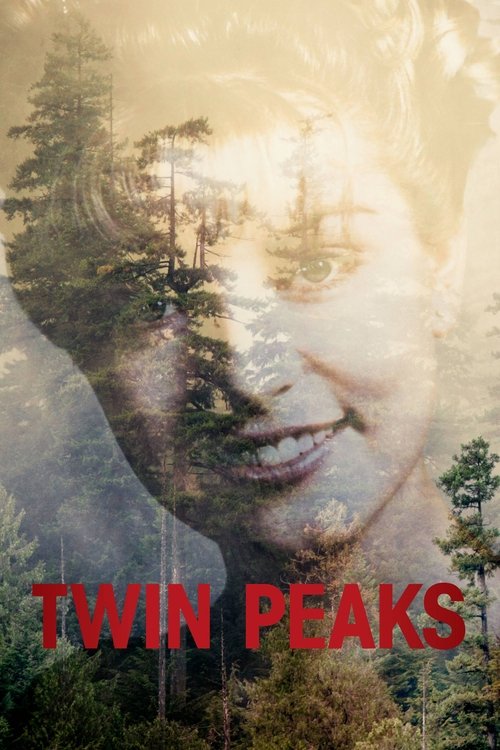
Before prestige TV was a thing, Twin Peaks smashed small-town Americana with pure, unadulterated Lynchian dread. Who killed Laura Palmer? That was just the hook for a soap-operatic descent into surrealism, where cherry pie and damn fine coffee met demonic spirits and backwards talk. It created a mood, an atmospheric weirdness, that seeped into your bones. This wasn't just a mystery; it was an experimental art piece disguised as syndicated drama, warping expectations with every unsettling frame. The owls are not what they seem.
4. Miami Vice
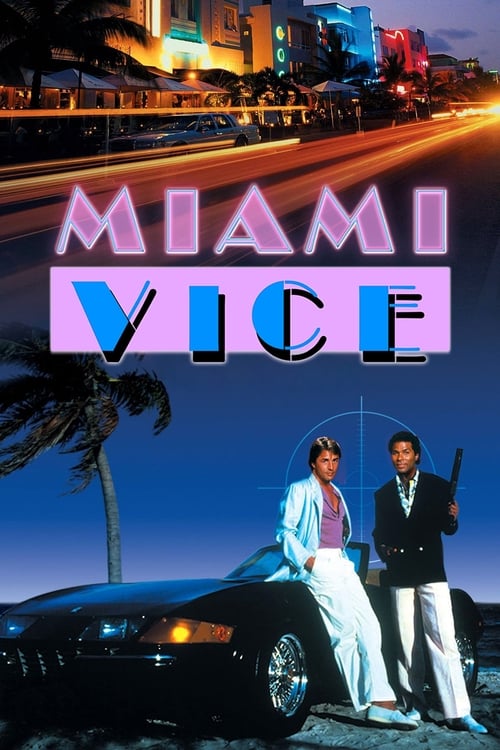
Miami Vice was pure 80s excess, a pastel-colored fever dream of synth-pop soundtracks and designer stubble. It wasn't about deep plots; it was about the vibe, the hyper-stylized neon aesthetic that turned crime fighting into a fashion show. Every frame screamed cool, with experimental camera work and a soundtrack that defined a generation. Sure, the plots were often flimsy, but the sheer maximalist style, the practical visual oddities of a sun-drenched, seedy paradise, made it an undeniable, influential cult phenomenon.
5. The Outer Limits
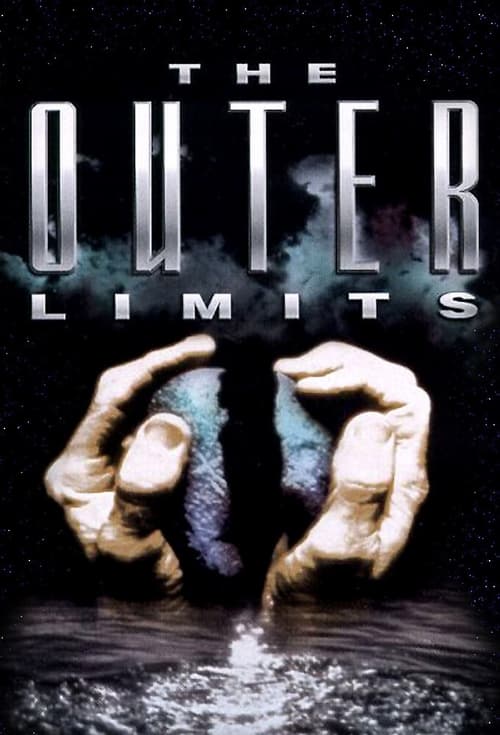
Forget your pristine starships; The Outer Limits gave us grainy, black-and-white nightmares and unsettling moral quandaries. Each episode was a self-contained trip into sci-fi horror, often with practical effects that were both primitive and genuinely creepy. It dug into humanity's flaws through alien encounters and technological hubris, proving that you didn't need a massive budget to deliver thought-provoking, often terrifying tales. This was anthology storytelling at its best, a dark mirror held up to scientific progress and human nature.
6. Xena: Warrior Princess
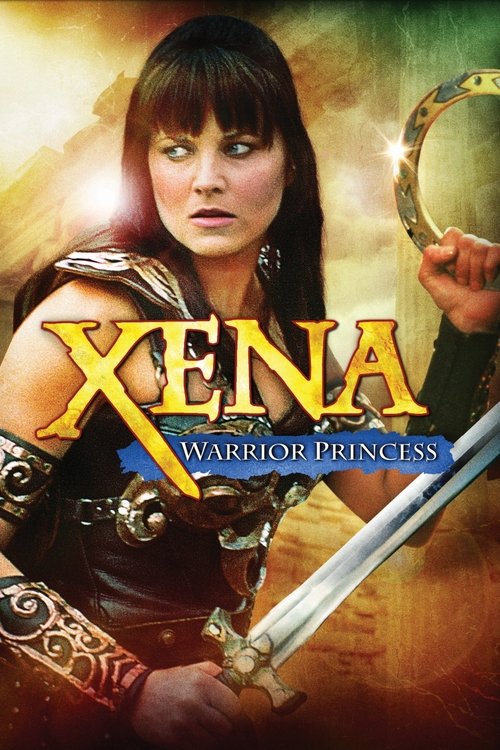
Xena: Warrior Princess was syndicated gold, a glorious, campy mash-up of myth, action, and proto-feminist power. Lucy Lawless swung that chakram with a wink, delivering epic battles and surprisingly heartfelt drama. It embraced its B-movie roots, layering on the melodrama and the practical visual oddities, like those absurd fight scenes that defied physics. This wasn't high art, but it was pure, unadulterated fun, a genre hybrid that paved the way for so many strong female leads, all while being wonderfully, unapologetically over-the-top.
7. Babylon 5
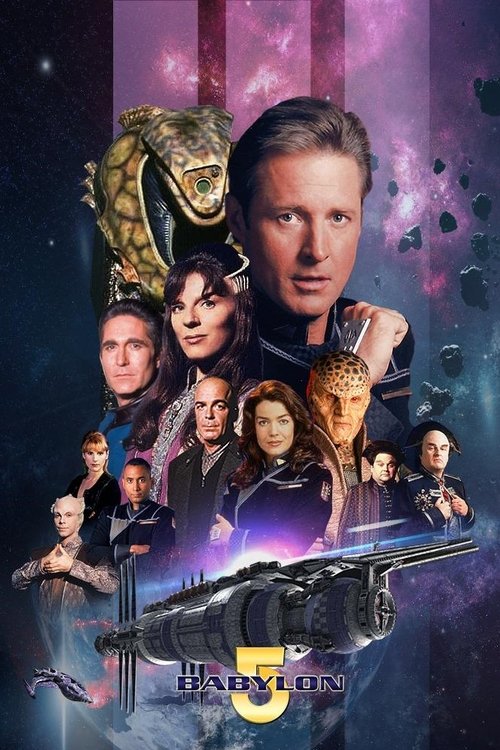
While everyone else was busy with episodic space adventures, Babylon 5 was weaving a five-year novel for television. It redefined serialized storytelling in sci-fi, building a complex political landscape and a deep, evolving mythology that demanded attention. The early CGI was clunky, sure, but the ambition, the sheer scope of its narrative, and its focus on character and consequence were revolutionary. This wasn't just about cool ships; it was about diplomacy, war, and the messy, human (and alien) struggle for meaning in the void.

8. RoboCop: The Series
RoboCop: The Series took the ultra-violent satire of the films and somehow repackaged it for syndicated television, resulting in a delightfully weird, often cheesy, but earnest dystopian actioner. The practical RoboCop suit was still iconic, even if the budget limitations meant less gore and more moralizing. It was a fascinating experiment in adapting R-rated material for a broader audience, retaining that core critique of corporate greed and urban decay, all delivered with a distinct 90s aesthetic that just works for cult programming.

9. Doctor Who
Doctor Who, especially in its classic run, was the king of low-budget, high-concept sci-fi. Forget slick effects; this was about wobbly sets, practical monsters, and brilliant ideas. Its serialized adventures across time and space, with a constantly regenerating lead, allowed for endless reinvention and experimental storytelling. It wasn't always polished, but it was always imaginative, a quirky British institution that embraced its own eccentricities and built a universe out of sheer creativity and a love for oddball practical visual oddities.

10. Mystery Science Theater 3000
MST3K wasn't just a show; it was a public service, rescuing terrible movies from obscurity by hilariously dissecting them. Trapped in space, Joel/Mike and the Bots turned cinematic trash into comedic gold, pioneering a whole new form of meta-commentary. It was punk rock in its DIY aesthetic and anti-establishment approach to film criticism, proving that sometimes, the best way to enjoy bad art is to laugh at it with your robot friends. This show taught a generation how to appreciate the glorious failures of cinema.
11. Liquid Television
Liquid Television was a raw, unfiltered blast of experimental animation and short-form weirdness that defined MTV's artistic edge in the early 90s. It was a chaotic, punk-adjacent playground for animators, showcasing everything from "Aeon Flux" to "Beavis and Butt-Head" before they got their own shows. This wasn't polished network fare; it was a dizzying collage of proto-genre hybrids, pushing boundaries with its practical visual oddities and surreal narratives. A true cathode rebel, it celebrated the fringe and the bizarre.
12. Tales from the Crypt
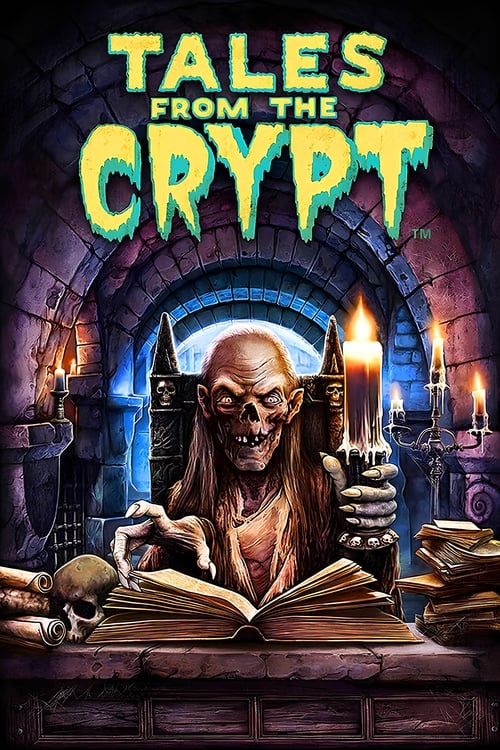
Tales from the Crypt brought EC Comics' gleefully gruesome horror to HBO, unleashing a parade of practical effects, dark humor, and moral comeuppance. The Crypt Keeper was a masterpiece of animatronic creepiness, introducing each twisted tale with a pun-filled cackle. It wasn't afraid to be nasty, reveling in its blood-soaked narratives and pushing the boundaries of what TV could show. This was adult horror anthology at its peak, proving that sometimes the best scares come from old-school, hands-on monster making.