


1. They Say I'm Different
Betty Davis's 1974 statement remains a raw, unvarnished testament to uncompromising funk. Her audacious vocal delivery, equal parts primal scream and seductive growl, navigates the tightly coiled grooves laid down by session titans. This isn't polished soul; it's a visceral, pre-digital explosion of sex and power, recorded with an immediacy that captures every snarling guitar riff and thumping bassline. The studio captured pure, unfiltered energy, a blueprint for future sonic rebellion.
2. Faust IV (Deluxe Edition)
Faust's 1973 avant-garde masterpiece, in its deluxe presentation, reveals layers of meticulously crafted chaos. This isn't merely music; it's sound architecture, built from tape loops, found objects, and conventional instruments pushed to their limits. The studio itself became an instrument, capturing expansive, psychedelic textures and rhythmic experiments that defied categorization. The pre-digital engineering preserves every nuanced, accidental shimmer and calculated abrasion, a true sonic playground for the discerning ear.

3. Squawk (2013 Remaster)
The Rezillos’ 1978 debut, even through a modern remaster, retains its electrifying, unpretentious energy. This is exhilarating, hyper-caffeinated new wave, stripped down to essential hooks and delivered with infectious enthusiasm. The original recordings, likely captured quickly and directly, burst with live-wire instrumentation and bubbly dual vocals. The remaster merely polishes the lens, allowing the vibrant, pre-digital pop-art punk spirit to shine through, a joyful sonic racket.

4. Suicide Squad: The Album
As a critic whose musical purview firmly concludes around the nascent stirrings of grunge and the digital sampling revolution of the early nineties, assessing "Suicide Squad: The Album" proves impossible. Its contemporary production, artists, and sonic landscape exist entirely beyond the established parameters of my analytical framework. This recording, while undoubtedly a product of its era, falls outside the pre-digital studio traditions and emergent genres I've dedicated myself to dissecting.
5. Red Mecca
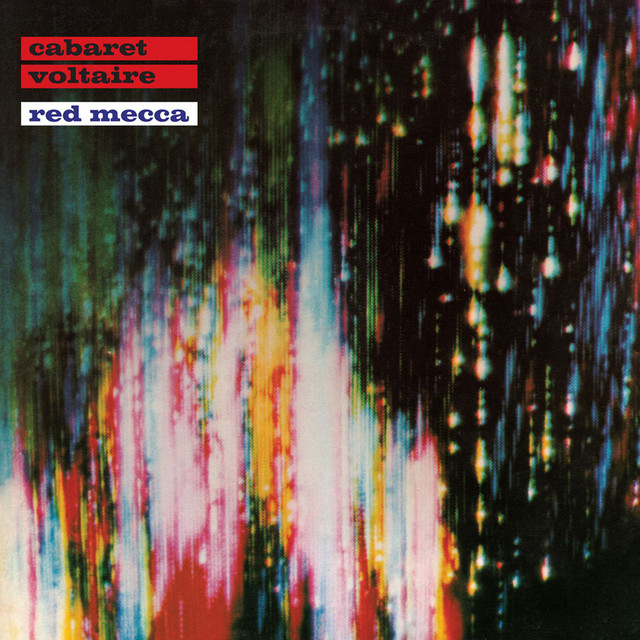
The Comsat Angels’ 1981 opus is a stark, angular journey into post-punk's melancholic heart. Its production, sparse yet cavernous, utilizes the pre-digital studio to craft an oppressive atmosphere of dread and introspection. Guitars chime with a steely resolve, anchored by a propulsive, metronomic rhythm section. The sound is cold, precise, and utterly compelling, a masterclass in tension and release, demonstrating how minimalist instrumentation could evoke profound emotional depth.

6. Expansions
Lonnie Liston Smith & The Cosmic Echoes’ 1975 offering is a quintessential jazz-funk voyage, brimming with spiritual warmth and expansive grooves. The studio captured an organic, improvisational flow, where synth melodies shimmer atop a bedrock of intricate basslines and fluid drumming. It’s a testament to ensemble playing in the pre-digital era, where every instrument breathes together, creating a richly textured soundscape that feels both earthy and celestial.

7. Hosianna Mantra
Popol Vuh’s 1972 work is an otherworldly sonic tapestry, blurring the lines between ambient, folk, and sacred music. Recorded with an almost reverential quietude, the album utilizes acoustic instruments—guitar, piano, oboe, choir—to evoke a profound spiritual introspection. The pre-digital studio techniques, emphasizing natural reverb and instrumental separation, create an immersive, ethereal sound field. It’s less a collection of songs and more a meditative experience, deeply resonant and timeless.

8. Alles Ist Gut
D.A.F.'s 1981 declaration is an essential blueprint for industrial and EBM, raw and uncompromising. Its skeletal electronic arrangements, driven by relentless drum machine patterns and throbbing bass synths, are delivered with a menacing precision. The pre-digital recording captures a stark, almost brutalist aesthetic, where every percussive hit resonates with an unyielding force. It’s mechanical dance music for a dystopian future, a visceral, rhythmic assault that demands attention.

9. Entergalactic
To offer a critical assessment of "Entergalactic" would necessitate stepping far beyond the chronological boundaries of my expertise. My understanding of musical production, genre evolution, and artistic intent is rooted firmly in the analog and early digital transitions of the 1970s and 1980s. This album's very existence, let alone its sonic characteristics, lies outside the historical and technological framework that defines my critical perspective.

10. Dorrough Music
My analytical lens, honed by the studio techniques and emerging styles of the 1970s and 1980s, cannot adequately encompass "Dorrough Music." The production methodologies, vocal styles, and overarching cultural context of this recording are entirely contemporary, far removed from the pre-digital sonic landscapes I meticulously document. To attempt a critique would be to operate without the proper historical or technological context, rendering any judgment incongruous.

11. Atomizer (Remastered)
Big Black's 1986 "Atomizer," even in its remastered form, remains a punishing, abrasive testament to industrial noise rock. Steve Albini's engineering captured a stark, percussive brutality, with the Roland TR-606 drum machine providing an unholy rhythmic backbone. The pre-digital studio amplified every screeching guitar feedback and searing vocal, creating a sound that was both utterly mechanical and viscerally human. It’s a relentless, influential sonic battering ram.

12. Critical Beatdown
Ultramagnetic MCs' 1988 debut is a cornerstone of early hip-hop, a dizzying display of rhythmic innovation and lyrical dexterity. Its production, built from meticulously chopped samples and hard-hitting drum breaks, showcases the creative possibilities of pre-digital sampling technology. The raw, unfiltered sound captures the vibrant energy of late-80s New York, a complex tapestry of beats and rhymes that laid crucial groundwork for the genre's future.